

 미리보기
미리보기
 프린트 구매
 공유하기
공유하기 공유하기
공유하기
 상세 정보
상세 정보

 다운로드
다운로드
 유사 작품
유사 작품 X-레이
X-레이 슬라이드 쇼
Landscape
 Other
Other 30.0 x 74.0 cm
 Kobe City Museum
 더 보기
더 보기




P118B $10

P118H $10

P118W $10

P438Z $10

P508JH $12

P508YH $12

P805H $10

P805Z $10

P919BZ $10

P919G $10

P919XJ $10

P959ZH $10

P968JZ $12

W106C $8

W218G $10

W218JH $8

W218Y $10

W307PJ $10

W316G $10

W316PJ $8

W316Y $10

W398PJ $8

W4111J $10

W500HY $15

W500JH $15

W692G $12

W849H $8

W940BG $15

W953PJ $8




작품의 원본 비율을 유지하는 미리 설정된 크기 중에서 선택하세요.

특정 프레임이나 공간에 맞도록 직접 크기를 입력할 수 있습니다. 선택하신 크기가 원본 이미지의 비율과 일치하지 않는 경우, 작품을 자르거나 추가적인 손으로 그린 요소를 사용하여 그림을 확장합니다. 제작 시작 전 승인을 위해 디지털 목업을 보내드립니다.
화면 미리 보기는 실제 자르기 또는 확장을 반영하지 않습니다. 최종 구성은 목업을 통해서만 정확하게 확인하실 수 있습니다.
맞춤 크기 제작도 가능하지만, 원본 비율을 유지하기 위해 사전 정의된 목록에서 크기를 선택하시는 것을 권장합니다.
주문 후 OriginalUniqueArt.com 팀에서 상세 안내를 위해 고객님께 이메일을 보내드리며, 미리보기 시안을 제공해 드립니다.


 유리 옵션은 110cm 미만 크기에서만 선택 가능합니다.

Landscape
재현 기법
복제본 크기
-


최종 결제 금액
$ 300
작가 약력
A Tranquil Vision of Nagasaki’s Zen Landscape
Born in the vibrant port city of Nagasaki around 1722, Kakutei (also known as Kaigan Jōkō) emerged as a profound voice within the artistic tapestry of Edo-period Japan. His life and work were deeply rooted in the spiritual soil of his birthplace, a place where cultural exchanges often flowed through its bustling docks, yet Kakutei sought a much more internal, quieted world. His artistic journey was inextricably linked to the influential teachings of gakuso gensho, the third abbot of Manju-san Temple in Nagasaki. This formative connection to the monastic life profoundly shaped his aesthetic sensibilities, propelling him toward a distinctive style that prioritized contemplative observation and an understated, soulful beauty.
Kakutei’s formal training began at the young age of nineteen when he entered the tutelage of Gensho, marking the commencement of a lifelong dedication to Zen practice. The temple’s environment fostered a deep-seated appreciation for simplicity, stillness, and the harmonious relationship between humanity and nature—values that would permeate every facet of his artistic output. Through years of disciplined execution, he skillfully absorbed the principles of Zen calligraphy and landscape painting. This commitment to tradition is evident in every brushstroke, reflecting a masterly understanding of compositional balance and the subtle art of tonal gradation on silk.
The Art of Restraint and Muted Elegance
What distinguishes Kakutei’s work from many of his contemporaries is a remarkable sense of restraint. While other artists of the era often embraced elaborate ornamentation or dramatic, high-contrast color palettes to capture the viewer's attention, Kakutei chose a path of quietude. He favored muted hues—primarily earthy browns and soft, mossy greens—to depict mountainous vistas bathed in a gentle, diffused light. These landscapes are far more than mere representations of scenery; they serve as conduits for conveying a meditative state of mind, inviting the viewer to step into a world of profound serenity.
His technical mastery is most apparent in his meticulous attention to the minute details of the natural world. In his paintings, one can find:
- The subtle textures of moss-covered rocks, rendered with such precision that they evoke the damp coolness of a mountain forest.
- The delicate unfolding petals of orchids, which capture the fleeting beauty of life through soft, flowing lines.
- Atmospheric depth, achieved through masterful use of negative space and light gradation to suggest distant, mist-shrouded peaks.
Legacy and Historical Significance
The historical significance of Kakutei lies in his ability to translate the abstract tenets of Zen Buddhism into a visual language that remains accessible and moving centuries later. His legacy resides primarily in his masterful silk paintings, which continue to captivate collectors and scholars for their ability to evoke wabi-sabi—the beauty of imperfection and impermanence. By eschewing the spectacular in favor of the subtle, he created a body of work that acts as a window into the spiritual landscape of 18th-century Japan.
Today, his works, such as his evocative Landscape scrolls and delicate floral studies like Pink Orchid, stand as enduring testaments to a life lived in pursuit of harmony. Kakutei remains a pivotal figure for anyone seeking to understand the intersection of religious devotion and fine art in the Edo period, offering a timeless sanctuary of peace through his brush.

kakutei
1722 - 1785 , Japan
주요 정보
- Artistic Movement Or Style: Zen Landscape Painting
- Artists Who Influenced This Artist: ['Gakuso Gensho']
- Date Of Birth: 1722 Nagasaki Japan
- Date Of Death: 1785
- Full Name: Kakutei
- Nationality: Japanese
- Notable Artworks:
- Amaranthus and Mynah Bird
- Pink Orchid
- Place Of Birth: Nagasaki Japan
관련 기사 더 보기

가츠시카 호쿠사이 최고 걸작 25선: 우키요에의 정수를 만나다 | OriginalUniqueArt
가츠시카 호쿠사이의 최고 걸작 25선을 만나보세요. 우키요에, 대판화 기법과 후지산 풍경의 아름다움을 담은 명작들을 감상하고, OriginalUniqueArt에서 고품질 아트 프린트와 인테리어 액자를 찾아보세요. 지금 바로 컬렉션을 탐험하세요!
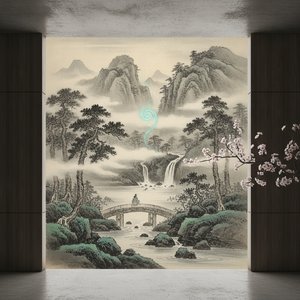
Echoes of Eternity: Unveiling the Spiritual Depth and Timeless Beauty of Japanese Landscape Painting
Embark on a soulful journey through the ephemeral beauty of Japanese landscape painting. Discover the profound philosophy of Ukiyo-e and the legendary mastery of Hokusai. Explore timeless artistry and find inspiration in the spiritual depth of nature's most captivating landscapes.
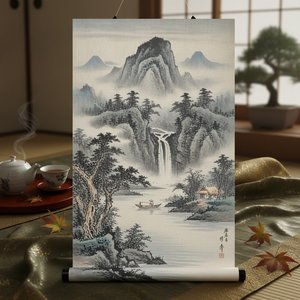
Serenity on Canvas: A Guide to the Timeless Beauty of Japanese Landscape Painting
Discover the serene beauty of Japanese landscape painting. From Hokusai's iconic woodblock prints to meditative sumi-e ink washes, explore a visual journey through the 'floating world' and learn how to bring this timeless Zen aesthetic into your modern home decor.

낭만 풍경화의 황홀! 예술사에 빛난 10대 걸작 탐구 | 와후아트
낭만주의 시대, 예술혼을 불태운 10대 풍경화 걸작! 터너부터 프리드리히까지, 시대를 초월하는 아름다움을 와후아트에서 만나보세요. 고흐의 색채와 코로의 섬세함이 당신의 공간에 영감을 더합니다. 지금 바로 와후아트에서 명품 미술 작품을 감상하고 구매하세요!

Zen on Canvas: The Timeless Beauty and Spiritual Depth of Japanese Landscape Painting
Explore the profound serenity of Japanese landscape painting. From Hokusai's waves to Zen-inspired ink washes, discover the history, technique, and spiritual depth of Ukiyo-e masters in this expert art historical guide for collectors and enthusiasts.

