

 실제 크기로 보기
 보내기
보내기 공유하기
공유하기
 상세 보기
상세 보기 가이드 보기

 이미지 다운로드
 유사 작품 더 보기
 X-레이
X-레이 슬라이드 쇼 보기
 통계 정보
통계 정보Seated Woman


 상세 보기
상세 보기
지클레 / 아트 프린트
빠른 제작과 다양한 마감 옵션을 선택할 수 있는 박물관 수준의 지클레이 및 캔버스 프린트. ( 수작업 채색 복제본 주문하기 디지털 이미지 판매 채널로 전환)




P118B ₩10

P118H ₩10

P118W ₩10

P438Z ₩10

P508JH ₩12

P508YH ₩12

P805H ₩10

P805Z ₩10

P919BZ ₩10

P919G ₩10

P919XJ ₩10

P959ZH ₩10

P968JZ ₩12

W106C ₩8

W218G ₩10

W218JH ₩8

W218Y ₩10

W307PJ ₩10

W316G ₩10

W316PJ ₩8

W316Y ₩10

W398PJ ₩8

W4111J ₩10

W500HY ₩15

W500JH ₩15

W692G ₩12

W849H ₩8

W940BG ₩15

W953PJ ₩8




작품의 원본 비율을 그대로 유지하는 프리셋 사이즈 중에서 선택해 보세요.

액자나 벽면 크기에 맞춰 필요한 가로와 세로 길이를 입력해 주세요. 프린트는 원본 이미지보다 크게 제작할 수 없으며 오직 자르는 것만 가능하므로, 비율이 다른 사이즈를 선택할 경우 이미지의 일부가 잘려 나갈 수 있습니다. 인쇄 작업에 들어가기 전, 최종 확인을 위해 디지털 목업을 보내드립니다. 이 페이지에 표시된 이미지는 실제 잘리는 영역을 나타내지 않으며, 오직 목업을 통해서만 정확한 확인이 가능합니다.


 유리 옵션은 110cm 미만 크기에서만 선택 가능합니다.

Seated Woman
지클레 / 아트 프린트
복제본 규격
-


총 결제 금액
₩ 109181
A Fragmented Portrait of Modernity: Exploring Juan Gris’s “Seated Woman”
Juan Gris's "Seated Woman," painted in 1917, isn’t merely a portrait; it’s a carefully constructed meditation on form, space, and the burgeoning anxieties of early 20th-century Europe. This work, rendered in oil on panel with a striking palette of blues, yellows, and blacks, embodies the heart of Cubism's analytical phase – a period where artists sought to dismantle traditional representation and reveal the underlying geometric structures of reality. Gris, deeply influenced by Picasso and Braque, moved beyond simply depicting an individual; he aimed to capture the essence of the subject through a fractured, multi-faceted approach that challenges our perception of what constitutes a recognizable image.
The painting depicts a woman seated in a chair, her hands resting before her face – a pose simultaneously vulnerable and enigmatic. However, it’s crucial to understand that this isn't a realistic portrayal. Gris employs a deliberate distortion of form, breaking the figure into interlocking planes and angles. The chair itself is not rendered as a solid object but rather as a collection of geometric shapes, mirroring the fragmentation of the woman’s image. This technique, central to Cubism, suggests that our understanding of reality is inherently subjective and constructed through individual perception. Notice how the blue tones dominate, creating a sense of depth and receding space, while the yellows introduce warmth and highlight specific areas of the figure – perhaps drawing attention to her face or hands.
The Language of Analytical Cubism
“Seated Woman” is a prime example of Analytical Cubism, a phase characterized by its meticulous deconstruction of objects. Gris’s approach involved meticulously dissecting his subjects into their component parts – lines, angles, and planes – and then reassembling them on the canvas in a way that presented multiple viewpoints simultaneously. This wasn't about creating an illusion of depth; rather, it was about revealing the underlying structure of form. The painting feels almost architectural in its precision, as if the woman has been carefully constructed from geometric blocks. The use of black is particularly significant here – not merely for contrast but to define and delineate the fragmented shapes, adding a layer of intellectual rigor to the composition.
Furthermore, Gris’s choice of color is deliberate. The muted palette—primarily blues, yellows, and blacks—reflects the atmosphere of introspection and uncertainty prevalent during this period. It's a far cry from the vibrant hues often associated with later Cubist works. Instead, it evokes a sense of quiet contemplation, inviting the viewer to engage in a more cerebral appreciation of the artwork.
A Figure Rooted in Early 20th-Century Context
To fully appreciate “Seated Woman,” it’s essential to consider its historical context. Painted in 1917, the work emerged during a time of profound social and artistic upheaval. The rise of industrialization, urbanization, and scientific advancements were challenging traditional notions of reality and identity. Cubism, with its radical departure from representational art, mirrored this broader cultural shift – questioning established conventions and exploring new ways of perceiving the world. Juan Gris’s work reflects a desire to capture not just the appearance of things but also their underlying structure and the way they interact within space.
Juan Gris himself was a pivotal figure in the development of Cubism, initially working as an engineer before dedicating himself fully to art. His meticulous approach, combined with his deep understanding of mathematics and geometry, allowed him to create works that are both intellectually stimulating and visually arresting. “Seated Woman” stands as a testament to his innovative spirit and his profound impact on the course of modern art.
Symbolism and Emotional Resonance
While seemingly abstract, "Seated Woman" is rich in symbolic potential. The woman’s posture – hands covering her face – suggests introspection, perhaps even melancholy or uncertainty. The fragmented nature of her form reflects the fragmentation of experience in a rapidly changing world. The painting doesn't offer easy answers; instead, it invites viewers to contemplate the complexities of human existence and the challenges of navigating an increasingly abstract reality. It’s a work that resonates with a sense of quiet contemplation and intellectual curiosity – a timeless reminder of the power of art to provoke thought and evoke emotion.
질의응답
"Seated Woman"의 조회수는 얼마인가요?
"Seated Woman"에 대한 통계 페이지가 존재합니다. 이 페이지에는 해당 작품과 작가의 다른 작품들에 대한 월별 방문자 수가 국가 및 언어별로 상세히 표시됩니다.
후안 그리스의 "Seated Woman"은 어떤 종류의 작품인가요?
후안 그리스의 "Seated Woman"은(는) WallArt로 분류됩니다. 이 카테고리는 원작이 어떤 종류의 예술 작품인지를 설명합니다.
후안 그리스의 "Seated Woman"의 분위기는 어떻게 묘사되나요?
후안 그리스의 "Seated Woman"의 전반적인 분위기는 Romantic입니다. 이 분위기는 작품의 전반적인 공기를 설명합니다.
작가 소개
마드리드의 비전을 담은 쿠비즘의 선구자: 후안 그리스의 삶과 예술
1887년 마드리드에서 호세 빅토리아노 곤살레스-페레즈라는 이름으로 태어난 이 예술가는 후에 후안 그리스로 알려지게 되며, 20세기 초 미술계의 가장 중요한 인물 중 한 명으로 자리매김했습니다. 그의 초기 여정은 즉각적으로 캔버스와 브러시로 향하는 길은 아니었습니다. 그는 마드리드 예술과학학교에서 공학을 공부하며 나중에 그의 예술적 접근 방식에 심오한 영향을 미칠 분석적인 사고방식을 보여주었습니다. 이러한 형성기 동안에도 창의적인 불꽃이 타올랐습니다. 지역 잡지에 그림을 기고하면서 싹트는 시각적 재능을 암시했습니다. 1905년, 그는 새로운 정체성과 목적 의식을 반영하는 이름인 후안 그리스를 채택했고, 호세 모레노 카르보네로 아래에서 본격적인 회화 연구를 시작했습니다. 이것은 혁신적인 예술을 향한 중요한 전환점이었습니다.파리에서의 각성 그리고 쿠비즘의 수용
1906년은 역동적인 예술적 에너지로 맥동하는 도시인 파리로의 획기적인 이주를 목격했습니다. 그리스는 이 활기찬 환경에 몰입하여 앙리 마티스, 조르주 브라크, 페르낭 레제와 같은 저명한 인사들과 우정을 쌓았습니다. 그는 처음에 *L'Assiette au Beurre*와 같은 출판물을 위한 풍자적인 삽화를 제작하며 관찰력을 연마하고 날카로운 시각적 재치를 개발했습니다. 그러나 파블로 피카소의 자석과 같은 매력은 특히 영향력이 컸습니다. 1910년경, 그리스는 진지하게 회화에 전념하기 시작하여 캐리커처에서 떠오르는 쿠비즘의 언어로 전환했습니다. 이것은 단순한 모방이 아니었습니다. 그는 형태와 공간의 본질을 추출하고 새로운 시각적 질서를 추구하는 탐구를 시작했습니다. 그의 초기 실험은 전통적인 표현으로부터 의도적인 탈피를 특징으로 했으며, 현실의 근본적인 구조를 포착하기 위한 수단으로서 추상화를 받아들였습니다.지각의 기하학: 스타일과 주요 작품
후안 그리스의 예술적 산출물은 탁월한 명확성과 지적인 엄격함을 특징으로 합니다. 그는 단순히 물체를 해체했을 뿐만 아니라, 신중하게 고려된 팔레트를 강조하면서 의도적인 정밀함으로 재구성했습니다. 이러한 접근 방식은 *Still Life Before an Open Window*와 *Place Ravignan*(1915)과 같은 걸작에 의해 대표되는 그의 “수정기”로 이어졌습니다. 이 작품들은 평면과 각도의 놀라운 상호 작용을 보여주며, 기존의 관점 개념에 도전하면서 깊이와 견고함을 만들어냅니다. 1913년 이후, 그리스는 전적으로 합성 쿠비즘을 받아들여 *papier collé* – 콜라주 – 기술을 개척했습니다. 신문 조각과 질감이 있는 종이와 같은 실제 재료를 그의 구성에 통합했습니다. 이 기술은 그의 작품에 또 다른 복잡성과 촉각성을 더하여 회화와 조각 사이의 경계를 모호하게 만들었습니다. 주목할 만한 예로는 그의 단순화된 형태와 쿠비즘 원칙에 대한 헌신을 증명하는 *Guitar in front of the sea*(1925)와 아방가르드 미술계에서 그의 인지도가 높아짐을 알리는 *Homage à Pablo Picasso*(1912)가 있습니다.유산과 지속적인 영향
후안 그리스의 쿠비즘에 대한 기여는 단순한 스타일 혁신을 넘어섭니다. 그는 운동에 독특한 지적 깊이와 구조적 명확성을 가져왔습니다. 그는 분석 단계에서 벗어나 질서와 정밀함을 강조하는 보다 조직적이고 합성적인 접근 방식으로 나아갔습니다. 그의 작품은 고전적인 형태와 구성을 되돌리기를 옹호한 아메데 오젠팡과 샤를 에두아르 제네레(르 코르뷔지에)가 주창한 순수주의 스타일에 심오한 영향을 미쳤습니다. 그리스의 기하학적 형태, 조화로운 색상 팔레트 및 일상적인 물체를 그의 예술에 통합하는 데 대한 강조는 그를 20세기 미술의 중요한 인물로 확립했습니다. 그의 유산은 오늘날에도 예술가들에게 영감을 주고 있으며, 쿠비즘의 지속적인 힘과 지각과 표현을 재정의한 스페인 거장의 비전을 증명하고 있습니다.
후안 그리스
1887 - 1927 , 스페인
작가 정보 요약
- Artistic Movement Or Style: 입체주의, 종합 입체주의
- Artists Or Movements Influenced By This Artist:
- 정밀주의
- 아메데 오젠팡
- 르 코르뷔지에
- Artists Who Influenced This Artist:
- 파블로 피카소
- 앙리 마티스
- 조르주 브라크
- Date Of Birth: 1887년 3월 23일
- Date Of Death: 1927년 5월 11일
- Full Name: 호세 빅토리아노 곤살레스-페레즈
- Nationality: 스페인 국적
- Notable Artworks (List Of Titles):
- 기타 앞의 바다
- 피카소에게 보내는 헌사
- 곡물 장수
- 조제트 그리 부인의 초상
- Place Of Birth (City And Country): 마드리드, 스페인
관련 기사

Serene Blue Backgrounds: Discover Soulful Art to Transform Your Space with Timeless Elegance
Transform your home with soulful blue art. From serene Monet impressions to modern textured sculptures, discover curated masterpieces designed to inspire calm. Explore expert art consultations and bespoke hand-painted reproductions to create your personal sanctuary.
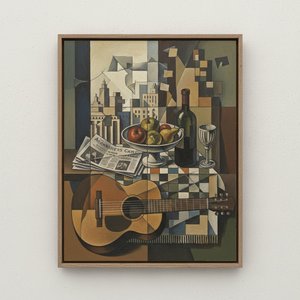
Juan Gris: Cubist Deconstruction & Synthesis – A Comprehensive Exploration
Explore the revolutionary art of Juan Gris – a master of Cubism. Discover his unique approach to deconstruction, vibrant Synthetic Cubist works, and lasting influence on modern art. Expert analysis for collectors.

Slate Blue Masterpieces: 10 Iconic Paintings & Timeless Home Decor Ideas
Immerse yourself in the captivating world of slate blue! Explore 10 iconic paintings by Monet, Van Gogh & Renoir. Discover their stories, techniques & find museum-quality art reproductions for your home at .
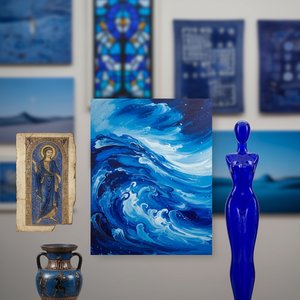
The Allure of Azure: Exploring the Symbolic & Aesthetic Depths of Blue in Art History
Explore the rich history of blue in art! Discover its symbolism, from ancient pigments to modern masterpieces by Kandinsky & Seurat. Uncover the psychological impact and cultural meanings behind this captivating hue.
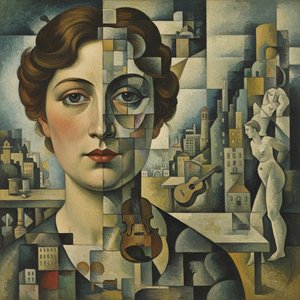
Deconstructing Reality: Cubism's Revolutionary Impact on 20th-Century Art
Explore the revolutionary world of Cubism with OriginalUniqueArt. Discover Picasso & Braque's groundbreaking techniques, its philosophical roots, and lasting impact on modern art. Expert insights for collectors.


