

 미리보기
미리보기
 공유하기
공유하기 공유하기
공유하기
 상세 정보
상세 정보

 다운로드
다운로드
 유사 작품
유사 작품 X-레이
X-레이 슬라이드 쇼
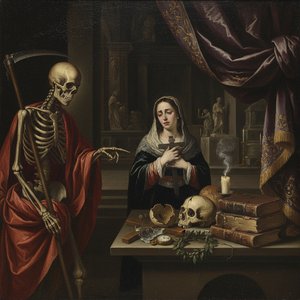
In Ictu Oculi
 Acrylic
- WallArt
- Baroque
 1670
1670 220.0 x 216.0 cm
 Hospital de la Caridad
 더 보기
더 보기
지클레 / 아트 프린트
빠른 제작과 다양한 마감 옵션을 제공하는 박물관 품질의 지클레이 또는 캔버스 프린트. ( 손으로 그린 그림 구매 이미지 구매)




P118B $10

P118H $10

P118W $10

P438Z $10

P508JH $12

P508YH $12

P805H $10

P805Z $10

P919BZ $10

P919G $10

P919XJ $10

P959ZH $10

P968JZ $12

W106C $8

W218G $10

W218JH $8

W218Y $10

W307PJ $10

W316G $10

W316PJ $8

W316Y $10

W398PJ $8

W4111J $10

W500HY $15

W500JH $15

W692G $12

W849H $8

W940BG $15

W953PJ $8




작품의 원본 비율을 유지하는 미리 설정된 크기 중에서 선택하세요.

특정 프레임이나 공간에 맞춰 직접 치수를 입력하실 수 있습니다. 선택하신 사이즈가 원본 이미지의 비율과 일치하지 않을 경우, 작품을 크롭(자르기)하거나 이미지를 대칭 또는 단색 채우기로 확장하여 제작합니다. 제작 시작 전, 최종 확인을 위해 디지털 목업이 전송됩니다.
화면상의 미리보기는 실제 크롭이나 확장 상태를 반영하지 않으므로, 최종 구도는 오직 목업을 통해서만 정확하게 확인하실 수 있습니다.
맞춤 사이즈 제작도 가능하지만, 원본 비율을 유지하기 위해서는 사전 정의된 목록에서 치수를 선택하시는 것을 권장합니다.


 유리 옵션은 110cm 미만 크기에서만 선택 가능합니다.

In Ictu Oculi
지클레 / 아트 프린트
복제본 크기
-


최종 결제 금액
$ 80
A Meditation on Mortality: Juan de Valdés Leal’s “In Ictu Oculi”
The painting "In Ictu Oculi," attributed to Juan de Valdés Leal (1622-1690), stands as a poignant emblem of Baroque art's preoccupation with the ephemeral nature of existence. Executed in 1670, this monumental canvas—measuring 220 x 216 cm—captures a scene steeped in theological symbolism and rendered with meticulous detail that speaks volumes about Leal’s artistic prowess. It’s more than just an image; it's a carefully constructed dialogue between faith and decay, inviting contemplation on the inevitability of death and the importance of spiritual reflection.Subject Matter and Composition
At its core lies a stark depiction of a skeleton—a ubiquitous motif in Baroque art representing mortality—holding aloft a book and a crucifix. This juxtaposition immediately establishes the painting’s thematic focus: the soul's journey through life towards eternal salvation, juxtaposed against the inescapable reality of physical demise. The skeleton isn’t merely presented as an anatomical specimen; it exudes solemn dignity, positioned atop a substantial pile of books—symbols of knowledge and earthly pursuits—some scattered around its feet, suggesting that even intellectual endeavors ultimately succumb to time's relentless march. Leal skillfully utilizes perspective to create depth within the composition, drawing the viewer’s eye upwards towards the crucifix while simultaneously grounding it in the tangible world of literature and decay.Style and Technique
Leal’s artistic style aligns perfectly with the Baroque aesthetic—characterized by dramatic chiaroscuro (contrast between light and dark), opulent ornamentation, and a fervent emotional intensity. The painting demonstrates exceptional technical skill, achieved through oil paint on canvas. Leal employs painstaking brushwork to capture the textures of bone and parchment alike, conveying both physicality and intellectual contemplation. The artist’s masterful manipulation of light enhances the dramatic effect, highlighting the skeleton's form against the muted tones of the surrounding books, creating a visual representation of spiritual illumination battling against darkness.Historical Context: Baroque Theology
“In Ictu Oculi” emerged during a period profoundly influenced by Catholic theology—specifically, Jansenism—which emphasized introspection and the contemplation of God’s divine justice. The image reflects this intellectual climate, serving as a reminder that earthly achievements are ultimately meaningless in comparison to spiritual salvation. Leal's work aligns with broader Baroque artistic trends aimed at conveying moral instruction and provoking emotional responses from viewers. It was commissioned for the Church of San Francesco in Córdoba, underlining its purpose as devotional artwork intended to inspire piety and reinforce religious beliefs.Symbolism: Vanitas Revisited
The painting’s symbolism resonates deeply within the tradition of vanitas—a genre that explores themes of mortality, decay, and the futility of earthly pleasures. The skull represents death itself, while the book symbolizes wisdom and spiritual enlightenment – a paradox highlighting the limitations of human understanding in confronting eternity. Similarly, the crucifix embodies Christian faith and redemption, offering solace amidst despair. Leal’s deliberate arrangement reinforces these concepts, prompting viewers to confront their own mortality and consider the significance of their lives beyond the temporal realm.Emotional Impact: A Silent Plea for Reflection
Ultimately, “In Ictu Oculi” transcends mere visual representation; it evokes a profound emotional response. The painting's subdued palette—dominated by browns and ochres—contributes to its solemn atmosphere, fostering contemplation and prompting viewers to confront uncomfortable truths about human existence. Leal’s masterful execution compels us to consider the brevity of life and the enduring power of faith – leaving an indelible impression on anyone who engages with this arresting artwork.작가 약력
초기 생애와 수련
후안 데 발데스 레알은 1622년 5월 4일 스페인 세비야에서 태어난 저명한 스페인 화가이자 판화가입니다. 그는 다재다능함을 보여주며 화가, 조각가 및 건축가가 되었습니다. 20대 초반에 그는 코르도바의 안토니오 델 카스티요 밑에서 공부하며 바로크 시대에 기량을 연마했습니다. 발데스 레알은 세비야의 예술적 분위기 속에서 성장하며 뛰어난 재능을 보였고, 곧바로 지역 예술계에서 주목받는 인물이 되었습니다. 그의 초기 작품들은 이미 섬세한 표현력과 극적인 구성 능력을 드러내며, 이후 그의 독특한 화풍의 기반이 되었습니다.주요 작품 및 협업
발데스 레알의 주요 작품으로는 다음과 같은 것들이 있습니다:- 엘리야 선자의 역사 - 카르멜 수도회를 위해 제작
- 성 안드레아의 순교 - 코르도바 산 프란체스코 교회에 의뢰
- 십자가의 승리 - 세비야 라 카리다드 교회를 위해 제작
개인적인 삶과 유산
발데스 레알은 1647년에 역시 화가였던 이사벨라 카라스킬랴와 결혼했습니다. 부부에게는 루카스, 마리아, 라우라를 포함한 다섯 명의 자녀가 있었고, 그 중 일부도 예술가가 되었습니다. 발데스 레알은 1690년 10월 15일 세비야에서 세상을 떠났지만, 그의 유산은 미술계에 깊이 남아있습니다. 그는 스페인 바로크 미술의 중요한 인물로 평가받고 있으며, 그의 작품들은 오늘날에도 많은 사랑을 받고 있습니다.작품 감상 및 추가 정보
발데스 레알의 더 많은 작품을 탐구하려면 https://OriginalUniqueArt.com/@/juan de valdés leal를 방문하십시오. 이곳에서 다음을 찾을 수 있습니다:- 후안 데 발데스 레알의 165점 작품
- 그의 그림의 박물관 품질 복제품
- 바로크 시대 특유의 바로크 미술 스타일
OriginalUniqueArt.com에서 더 알아보기
- 아스투리아스 미술관 (스페인): 12세기부터 20세기 초까지의 유럽 예술 작품을 소장하고 있습니다.
- 세비야 미술관 (스페인): 박물관의 역사, 소장품 및 방문 정보를 알아보세요.

후안 데 발데스 레알
1622 - 1690 , 대한민국
주요 정보
- Artistic Movement Or Style: 바로크 회화
- Artists Or Movements Influenced By This Artist: ['바르톨로메 무릴료']
- Artists Who Influenced This Artist: ['안토니오 델 카스티요']
- Date Of Birth: 1622년 5월 4일
- Date Of Death: 1690년 10월 15일
- Full Name: 후안 데 발데스 레알
- Nationality: 스페인 국적
- Notable Artworks:
- 엘리아스의 역사
- 성 안드레아의 순교
- 십자가의 승리
- Place Of Birth (City And Country): 스페인 세비야
관련 기사 더 보기

고야의 걸작 25선: 스페인의 영혼을 담은 명화 컬렉션 | OriginalUniqueArt
고야의 걸작 25선을 만나보세요. 스페인 화가 Francisco Goya의 낭만주의 회화, 어두운 색조와 강렬한 감성이 담긴 명화를 OriginalUniqueArt에서 감상하세요. 고품질 유화 복제본으로 예술 작품을 소장하고 홈 데코를 완성해보세요! 지금 바로 컬렉션을 탐험하세요.
Juan de Valdés Leal: Baroque Realism, Memento Mori & Theatricality of Spanish Grief
Explore the powerful Baroque realism of Juan de Valdés Leal (1622-1690). Discover his somber masterpieces, iconic 'In Ictu Oculi', and profound explorations of mortality. Museum-quality reproductions available at OriginalUniqueArt.

The Dramatic Flourish: Exploring the Baroque Movement's Enduring Legacy in Art History
Explore the dramatic world of Baroque art! Discover iconic artists like Caravaggio & Rubens, defining techniques, and its lasting impact on art history. Expert insights for collectors & enthusiasts at OriginalUniqueArt.

About Us
Discover our story! We bring world-class art into your life through expert curation, personalized creations, and free previews. Trusted by individuals and businesses since 2000.

The Golden Age Reforged: Dramatic Realism & Religious Zeal in Spanish Baroque Art
Explore the dramatic world of Spanish Baroque art! Discover masters like Zurbarán & the powerful influence of religious zeal on painting techniques – a guide for collectors and enthusiasts.

