

 실제 크기로 보기
 보내기
보내기 공유하기
공유하기
 상세 보기
상세 보기 가이드 보기

 이미지 다운로드
 유사 작품 더 보기
 X-레이
X-레이 슬라이드 쇼 보기
 통계 정보
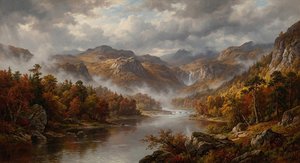
통계 정보W Tatrach
 Realism
 1865
1865- 19th Century
 5.0 x 52.0 cm
 폴란드 의회
 상세 보기
상세 보기
지클레 / 아트 프린트
빠른 제작과 다양한 마감 옵션을 선택할 수 있는 박물관 수준의 지클레이 및 캔버스 프린트. ( 수작업 채색 복제본 주문하기 디지털 이미지 판매 채널로 전환)




P118B ₩10

P118H ₩10

P118W ₩10

P438Z ₩10

P508JH ₩12

P508YH ₩12

P805H ₩10

P805Z ₩10

P919BZ ₩10

P919G ₩10

P919XJ ₩10

P959ZH ₩10

P968JZ ₩12

W106C ₩8

W218G ₩10

W218JH ₩8

W218Y ₩10

W307PJ ₩10

W316G ₩10

W316PJ ₩8

W316Y ₩10

W398PJ ₩8

W4111J ₩10

W500HY ₩15

W500JH ₩15

W692G ₩12

W849H ₩8

W940BG ₩15

W953PJ ₩8




작품의 원본 비율을 그대로 유지하는 프리셋 사이즈 중에서 선택해 보세요.

특정 프레임이나 공간에 맞춰 직접 치수를 입력하실 수 있습니다. 선택하신 사이즈가 원본 이미지의 비율과 일치하지 않을 경우, 작품을 크롭(자르기)하거나 이미지를 대칭 또는 단색 채우기로 확장하여 제작합니다. 제작 시작 전, 최종 확인을 위해 디지털 목업이 전송됩니다.
화면상의 미리보기는 실제 크롭이나 확장 상태를 반영하지 않으므로, 최종 구도는 오직 목업을 통해서만 정확하게 확인하실 수 있습니다.
맞춤 사이즈 제작도 가능하지만, 원본 비율을 유지하기 위해서는 사전 정의된 목록에서 치수를 선택하시는 것을 권장합니다.


 유리 옵션은 110cm 미만 크기에서만 선택 가능합니다.

W Tatrach
지클레 / 아트 프린트
복제본 규격
-


총 결제 금액
₩ 107104
작가 소개
A Nostalgic Vision of Poland: The Life and Art of Józef Rapacki
Józef Rapacki, born in Warsaw in 1871, was a painter deeply attuned to the soul of the Polish countryside. His life unfolded against a backdrop of shifting political landscapes and burgeoning artistic movements, yet his work remained steadfastly rooted in a nostalgic portrayal of Mazovia – the historical region that became both his muse and his enduring legacy. Coming from a theatrical family—his father an actor, writer, and translator, with siblings following similar paths—Rapacki initially seemed destined for the stage. However, at the age of fourteen, he discovered his true calling within the lines and washes of drawing, enrolling in classes taught by Wojciech Gerson, a prominent figure in Polish Realism. This early mentorship instilled in him not only technical skill but also a deep appreciation for observing and interpreting the natural world. His subsequent studies at the Kraków Academy of Fine Arts under Izydor Jabłoński, Florian Cynk, and Feliks Szynalewski further refined his abilities, preparing him for a journey that would ultimately define his artistic identity.From Munich to Mazovia: Artistic Development and Influences
Rapacki’s artistic development was significantly shaped by his time in Munich, where he studied with Conrad Fehr beginning in 1889. Exposure to the “Munich School” broadened his perspective, influencing his approach to composition and color. However, it was a study trip to Italy around 1898 that truly ignited his passion for landscape painting. He returned to Poland imbued with a desire to capture the unique beauty of his homeland. Initially working in landscapes, cityscapes, and genre scenes, Rapacki gradually focused on the Mazovian countryside, drawn to its vast plains, scattered woodlands, and humble rural life. His work began appearing in prominent Warsaw periodicals like *Tygodnik Ilustrowany*, and he illustrated works by Ignacy Krasicki, demonstrating his versatility as an artist. He exhibited at the Exposition Universelle in 1900, gaining international recognition for his talent. This period saw him absorbing influences from various sources, yet always filtering them through a distinctly Polish sensibility. The Barbizon School’s emphasis on direct observation and natural light would later become particularly evident in his work.Landscapes of the Heart: Style and Subject Matter
Józef Rapacki's paintings are characterized by their quiet realism, luminous atmosphere, and a profound sense of tranquility. He masterfully captured the subtle nuances of light and shadow, imbuing his landscapes with an almost ethereal quality. His palette favored muted tones—soft greens, browns, grays, and ochres—reflecting the natural colors of the Mazovian countryside. While he occasionally depicted figures within his scenes – peasant women gathering mushrooms or working in fields – they were rarely the focal point; instead, they served to enhance the sense of place and evoke a feeling of harmony between humanity and nature. He became known as “the painter of birches and lilac heathers,” subjects that recurred frequently throughout his oeuvre. His compositions often feature expansive vistas, drawing the viewer into the depth of the landscape and creating a sense of spaciousness. Buttercups, painted in 1927, exemplifies this style—a vibrant marsh scene rendered with delicate brushwork and bathed in golden light. Similarly, Mushroom Picking (1910) showcases his ability to capture the serenity of rural life, inspired by the Barbizon School’s approach to depicting everyday scenes.Wartime Reflections and Lasting Legacy
Rapacki's life was marked by personal hardship; a severe lung ailment forced him to relocate from Warsaw to Kraków and eventually to Olszanka, where he found solace in the landscapes that would become his signature subject matter. The outbreak of World War I brought new challenges and responsibilities. He contributed numerous drawings to the Warsaw press, including the powerful series *Prusak w Polsce* (“Prussian in Poland”), which served as propaganda during the Silesian Uprisings. This work demonstrates Rapacki’s willingness to use his art for a political purpose, reflecting his deep patriotism and concern for the fate of Poland. He passed away in Olszanka in 1929, leaving behind a rich artistic legacy that continues to resonate with audiences today. His paintings can be found in prominent museums such as the Muzeum w Warszawie and the Museum Pomorskie (Danzig), ensuring his place within the canon of Polish art history. Józef Rapacki’s work offers more than just picturesque scenes; it provides a poignant glimpse into a vanishing way of life, a nostalgic tribute to the beauty and spirit of Mazovia, and a testament to the enduring power of landscape painting.
Józef Rapacki
1871 - 1929 , Poland
작가 정보 요약
- Full Name: Józef Rapacki
- Nationality: Polish
- Date Of Birth: 1871
- Date Of Death: 1929
- Place Of Birth: Warsaw, Poland
- Notable Artworks:
- Buttercups
- Mushroom Picking
- Before Spring
- Artistic Movement Or Style: Realism, Munich School
- Artists Who Influenced This Artist:
- Wojciech Gerson
- Conrad Fehr
관련 기사
하슬러 강 화파 걸작 10선: 허드슨 강을 담은 미국의 낭만 (와후아트)
미국 낭만주의의 정수, 허드슨 강 화파 걸작 10선을 만나보세요. 토마스 콜부터 프레더릭 처치까지, 자연과 예술이 조화로운 풍경화를 통해 시간을 초월하는 아름다움을 경험하세요. 와후아트에서 고품질 미술 복제와 인테리어 영감을 얻으세요! 지금 바로 온라인 컬렉션을 둘러보세요.

낭만 풍경화의 황홀! 예술사에 빛난 10대 걸작 탐구 | 와후아트
낭만주의 시대, 예술혼을 불태운 10대 풍경화 걸작! 터너부터 프리드리히까지, 시대를 초월하는 아름다움을 와후아트에서 만나보세요. 고흐의 색채와 코로의 섬세함이 당신의 공간에 영감을 더합니다. 지금 바로 와후아트에서 명품 미술 작품을 감상하고 구매하세요!

존 컨스터블 대표작 25선: 영국 풍경화의 거장, 자연과 감성을 담은 명화 컬렉션 | OriginalUniqueArt
존 컨스터블 대표작 25선을 만나보세요. 영국 풍경화 거장의 자연주의 회화, 데담 밸리의 아름다움과 헤이 웨인의 정취를 담은 명화를 감상하세요. OriginalUniqueArt에서 고품질 예술 작품 복제본을 소장하고 특별한 인테리어를 완성해보세요. 지금 바로 컬렉션을 탐험하세요!

Evocations of Place: A Historical Journey Through Landscape Art
Explore the rich history of landscape art with OriginalUniqueArt. Discover renowned artists, movements like Impressionism & tonalism, and expert guidance for collecting timeless pieces. Find your perfect serene escape today!

Evocations of Place: A Historical Journey Through Landscape Art
Explore the rich history of landscape art with OriginalUniqueArt. Discover renowned artists, movements like Impressionism & Romanticism, and expert guidance for collecting timeless pieces. Find your perfect serene escape today!
