
 실제 크기로 보기
 보내기
보내기 공유하기
공유하기
 상세 보기
상세 보기 가이드 보기

 이미지 다운로드
 유사 작품 더 보기
 X-레이
X-레이 슬라이드 쇼 보기
 통계 정보
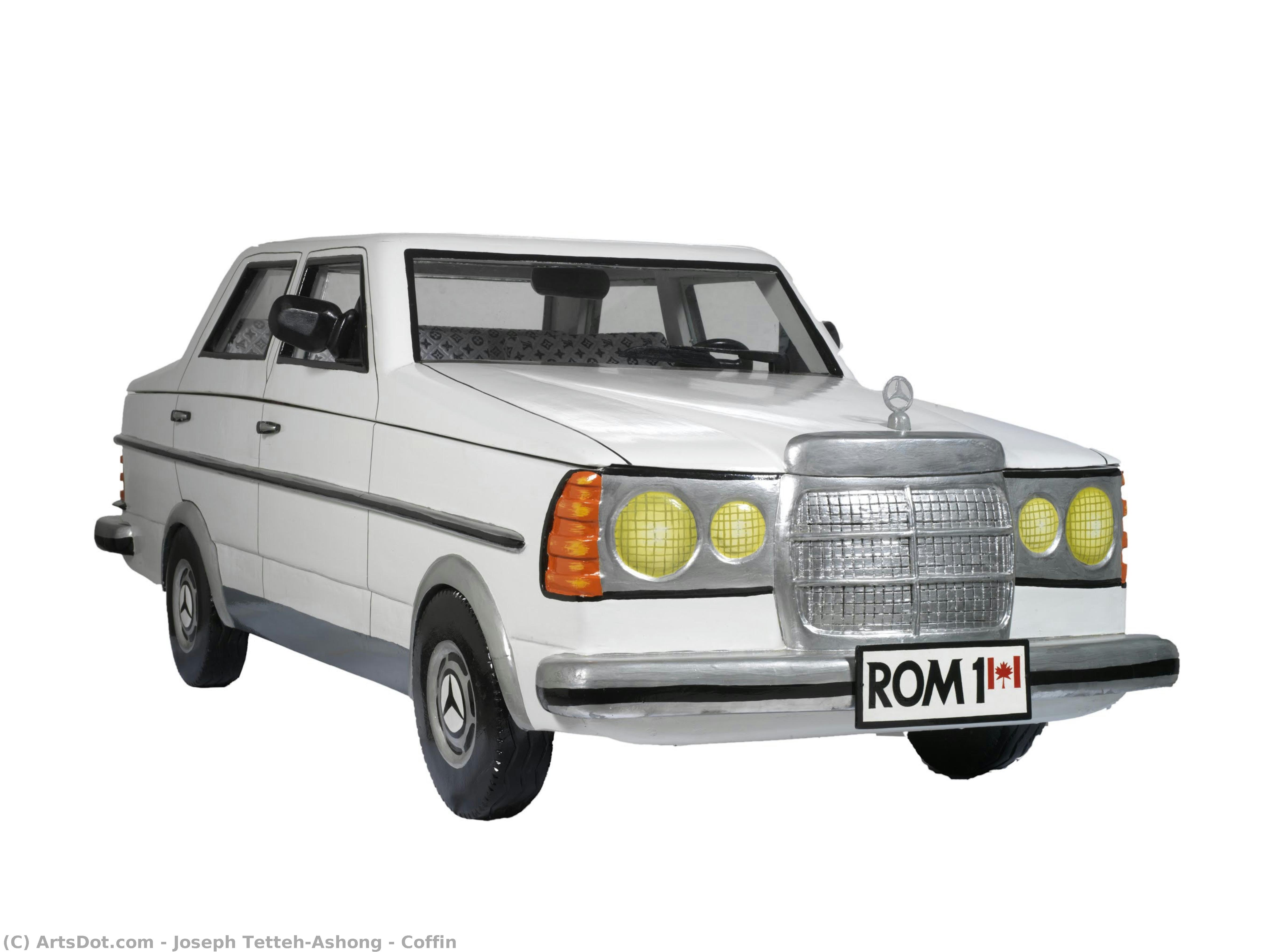
통계 정보Coffin
 86.0 x 73.0 cm
 상세 보기
상세 보기
이 페이지에 표시된 작품은 저작권법의 보호를 받으며, 이에 따라 동일한 복제품을 제작하거나 판매하는 것은 법으로 금지되어 있습니다. 이러한 권리 보호는 다음과 같은 국제 협약에 따라 시행됩니다. 베른 협약 또한 다음에서 명시하는 법률을 포함한 국내법에 의해 보호됩니다. 미국 저작권법 제17조.
저희는 존중을 담은 합법적인 대안으로서, 원작에서 영감을 받은 맞춤형 수제 유화 작품을 제공합니다. 저희의 숙련된 전문 화가들은 원작의 스타일, 분위기, 예술적 정수를 면밀히 연구하여, 그 자체로 독창적인 창작물이면서도 원작과 동일한 감동을 불러일으키는 새로운 작품을 만들어냅니다.
이 방식은 저작권 보호를 받는 예술 작품을 복제하거나 그대로 재현하는 것이 아니기에 저작권 규정을 완벽히 준수합니다. 대신, 이는 창의적인 재해석의 과정을 거칩니다. 즉, 원작에서 영감을 받되 원작과 동일하지 않은 새로운 회화 작품을 의미합니다.
핸드메이드 유화 복제화
작가가 직접 캔버스에 손으로 그린 유화 작품으로, 원하는 크기와 액자로 맞춤 제작해 드립니다. ( 프린트 판매로 전환 디지털 이미지 판매 채널로 전환)




































작품의 원본 비율을 그대로 유지하는 프리셋 사이즈 중에서 선택해 보세요.

액자나 벽면 크기에 맞춰 필요한 가로와 세로 길이를 입력해 주세요. 본 작품은 수작업으로 제작되므로, 요청하신 비율에 따라 작가가 그림의 가장자리를 조금 더 넓게 그리거나 일부를 조정하여 작업할 수 있습니다. 작업 시작 전, 최종 확인을 위해 디지털 목업 이미지를 보내드립니다. 이 페이지에 표시된 이미지는 실제 결과물과 다를 수 있으며, 오직 목업 이미지만이 정확한 결과물을 보여줍니다.
주문 완료 후 OriginalUniqueArt.com 팀에서 상세 안내를 위해 고객님께 이메일을 보내드리며, 미리보기 시안을 함께 제공해 드립니다.


 유리 옵션은 110cm 미만 크기에서만 선택 가능합니다.

Coffin
재현 매체
복제본 규격
-


총 결제 금액
₩ 407114
질의응답
Joseph Tetteh-Ashong의 "Coffin"의 형태와 크기는 어떻게 되나요?
Joseph Tetteh-Ashong의 "Coffin"은(는) 86 x 73 cm 크기의 Landscape 형식 작품입니다.
Joseph Tetteh-Ashong의 "Coffin"의 슬라이드쇼를 볼 수 있는 곳이 있나요?
Joseph Tetteh-Ashong의 "Coffin"은(는) 작품의 슬라이드쇼 페이지에서 슬라이드쇼로 감상하실 수 있습니다.
Joseph Tetteh-Ashong의 "Coffin"은 밝은 분위기의 작품인가요, 아니면 어두운 분위기의 작품인가요?
시각적 밝기 측면에서 볼 때, Joseph Tetteh-Ashong의 "Coffin"은(는) brilliant 수준입니다.
작가 소개
A Legacy Carved in Wood: The Life and Art of Joseph Tetteh-Ashong (Paa Joe)
Joseph Tetteh-Ashong, known globally as Paa Joe, is more than just a sculptor; he’s a cultural historian translating the narratives of Ghana into breathtakingly imaginative forms. Born in Nungua, Ghana, in 1947, Paa Joe emerged from a lineage steeped in tradition, yet possessed an innate drive to push the boundaries of what Ghanaian coffin art could be. His journey began with a rigorous twelve-year apprenticeship under Kane Kwei at his workshop in Teshie – a foundational experience that instilled not only technical mastery but also a deep understanding of the symbolic weight embedded within each creation. These weren’t merely boxes for burial; they were *abebuu adekai*, “proverb boxes,” vessels designed to reflect the deceased's life, profession, and aspirations, ensuring a fitting passage into the afterlife. Paa Joe didn’t simply inherit this tradition; he revitalized it, infusing it with a vibrant personal vision that would soon capture international attention.From Tradition to Transcendence: The Evolution of a Unique Style
While deeply rooted in ancestral practices, Paa Joe's work quickly distinguished itself through its sheer audacity and playful complexity. Traditional Ghanaian coffins often represented animals – lions for royalty, fish for fishermen – but Paa Joe expanded this lexicon exponentially. He began crafting fantastical coffins shaped like airplanes for pilots, buses for travelers, and even colossal shoes for beloved shoemakers. This wasn’t mere novelty; it was a profound act of personalization, celebrating individual lives with unprecedented specificity. He masterfully employed vibrant colors and bold lines, drawing on the rich visual language of Ghanaian textiles and folklore. The process itself is remarkable – each coffin meticulously hand-carved from cedar wood, then painted with enamel paints that bring these extraordinary forms to life. Paa Joe’s skill lies not only in his carpentry but also in his ability to imbue each piece with a sense of movement, personality, and profound storytelling. He trained several apprentices—Daniel Mensah, Eric Kpakpo, and Kudjoe Affutu among them—who have themselves become celebrated artists, ensuring the continuation of this unique artistic heritage.International Recognition and Museum Collections
Paa Joe’s work first gained international recognition in 1989, marking a turning point in his career. His creations resonated with audiences worldwide, challenging conventional notions of art and craftsmanship. Major exhibitions followed in Europe, Japan, and the United States, introducing his vibrant sculptures to a global stage. Today, Paa Joe’s coffins are not confined to private collections; they grace the halls of prestigious institutions like the British Museum in London, the Brooklyn Museum in New York, the Royal Ontario Museum in Canada, and the Museum of Fine Arts, Boston, among many others. The inclusion of his work in these esteemed museums signifies a broader acknowledgement of African art’s profound cultural significance and its capacity to transcend geographical boundaries. His pieces are not simply displayed as ethnographic objects; they are celebrated as powerful works of contemporary sculpture, embodying both tradition and innovation.Symbolism and the Gates of No Return
The deeper meaning behind Paa Joe's work extends beyond individual commemoration. His more recent commissions, particularly those created in 2004 and 2005, address the harrowing history of the transatlantic slave trade. These large-scale sculptures depict architectural models of Gold Coast castles and forts – sites that served as holding pens for millions of Africans before their forced journey to the Americas and the Caribbean. These structures, now hauntingly recreated in wood, represent the “Gates of No Return,” a poignant reminder of the trauma and loss endured by those who were enslaved. Paa Joe’s artistry transforms these symbols of oppression into vessels carrying the spirits of the departed, offering a powerful commentary on memory, resilience, and the enduring legacy of slavery. The exhibition at the High Museum of Art in Atlanta further contextualizes this work, connecting it to global histories of slavery through archival documents, photographs, and interactive maps.A Vision for the Future: The Art Academy and Community Support
Paa Joe’s commitment extends beyond his own artistic practice; he is dedicated to nurturing the next generation of Ghanaian artists. He is currently building an art academy and gallery in Ghana, a space designed to support aspiring creatives and foster a thriving artistic community. This initiative reflects Paa Joe's belief in the transformative power of art and its ability to empower individuals and preserve cultural heritage. His legacy isn’t solely defined by the remarkable coffins he creates but also by his unwavering dedication to education, mentorship, and the continued celebration of Ghanaian artistry on a global scale. He continues to sculpt, innovate, and inspire, ensuring that the vibrant tradition of *abebuu adekai* will flourish for generations to come.
Joseph Tetteh-Ashong
1947 - , Ghana
작가 정보 요약
- Artistic Movement Or Style: Figurative sculpture
- Artists Who Influenced This Artist: ['Kane Kwei']
- Date Of Birth: 1947
- Full Name: Joseph Tetteh-Ashong
- Nationality: Ghanaian
- Notable Artworks:
- Lion-Shaped Coffin
- Fantasy Coffins
- Place Of Birth: Nungua, Ghana