1900
Wolf Ear (조셉 헨리 샤프, 1900)
조셉 헨리 샤프 (1859–1953) 작가의 Wolf Ear 1900년에 제작되었습니다. 워싱턴 D.C., 미국에 위치한 스미소니언 미국 미술관에 소장되어 있습니다. 크기는 46 × 31 cm입니다.
- 1900
- 46 × 31 cm
- 스미소니언 미국 미술관, 워싱턴 D.C.

 미리보기

 수작업 유화 작품
 공유하기
 공유하기
 학습용 요약본


 다운로드
 유사 작품 더 보기
 X-레이
 슬라이드 쇼 보기
 질의응답

 통계 정보
Wolf Ear 요약
- 제목
- Wolf Ear
- 작가
- 조셉 헨리 샤프 (1859–1953)
- 작가 출생지
- 브리지포트, 미국
- 제작 연도
- 1900
- 크기
- 46 × 31 cm
- 전시 장소
- 스미소니언 미국 미술관, 워싱턴 D.C., 미국
Wolf Ear은(는) 무엇을 묘사하고 있나요?
The painting Wolf Ear by Joseph Henry Sharp is a remarkable example of the artist's ability to capture the essence and spirit of Native American culture. Created in 1900, this oil on canvas piece measures 46 x 31 cm and is currently housed at the Hirshhorn Museum and Sculpture Garden.
The painting Wolf Ear is a significant example of Joseph Henry Sharp's ability to capture the essence and spirit of Native American culture. Its importance lies not only in its beauty but also in its historical significance, providing a glimpse into the life and culture of Native Americans during the late 19th and early 20th centuries.
Artist Background
Joseph Henry Sharp was an American painter and a founding member of the Taos Society of Artists, of which he is considered the 'Spiritual Father'. He painted American Indian portraits and cultural life, as well as Western landscapes. His favorite subject was the Indian and his fast-disappearing lifestyle.Painting Description
The painting Wolf Ear depicts a Native American man with long hair and a beard, wearing a feather in his hair and a necklace around his neck. The man has a stern look on his face as he stares into the distance. This portrait is one of many that Joseph Henry Sharp created during his time spent with Native American tribes.Importance of the Painting
The painting Wolf Ear is not only a beautiful work of art but also an important piece of history. It provides a glimpse into the life and culture of Native Americans during the late 19th and early 20th centuries. As stated on OriginalUniqueArt.com, this painting is a significant example of Joseph Henry Sharp's work and his ability to capture the essence of Native American culture.- The painting measures 46 x 31 cm and is an oil on canvas.
- It is currently housed at the Hirshhorn Museum and Sculpture Garden.
- Joseph Henry Sharp was a founding member of the Taos Society of Artists.
The painting Wolf Ear is a significant example of Joseph Henry Sharp's ability to capture the essence and spirit of Native American culture. Its importance lies not only in its beauty but also in its historical significance, providing a glimpse into the life and culture of Native Americans during the late 19th and early 20th centuries.
Wolf Ear은(는) 어느 미술관에 소장되어 있나요?
스미소니언 미국 미술관
워싱턴 D.C., 미국
미국적 정체성의 연대기 워싱턴 D.C.에 위치한 스미소니언 미국 미술관은 미국 최초의 미술 컬렉션을 보유한 역사적인 장소입니다. 스미소니언 협회의 일원으로서 이곳은 미국에서 제작된 예술 작품 중 가장 방대하고 포괄적인 컬렉션 중 하나를 간직하고 있습니다. 이곳의 소장품들은 식민지 시대부터 현대에 이르기까지 미국인들의 열망과 성격, 그리고 상상력을 포착하며 미국적 경험의 연속적인 기록을 보여줍니다.


Wolf Ear의 고해상도 이미지
작품 정보
조셉 헨리 샤프, Wolf Ear (1900), 스미소니언 미국 미술관. 퍼블릭 도메인
Wolf Ear에 관한 질문과 답변
현재 조셉 헨리 샤프의 "Wolf Ear"은(는) 어디에서 관람할 수 있나요?
Wolf Ear의 원작은 스미소니언 미국 미술관, 워싱턴 D.C., 미국에서 만나보실 수 있습니다.
조셉 헨리 샤프의 "Wolf Ear"의 실제 크기는 어떻게 되나요?
조셉 헨리 샤프의 "Wolf Ear"의 이미지를 자유롭게 복제할 수 있나요?
1900년에 "Wolf Ear"을(를) 제작할 당시 조셉 헨리 샤프의 나이는 몇 세였나요?
조셉 헨리 샤프의 "Wolf Ear"은(는) 퍼블릭 도메인에 해당하나요? 그 이유는 무엇인가요?
아티스트 조셉 헨리 샤프 소개

1859–1953, 미국
조셉 헨리 샤프
생애 초기와 배경 출생: 1859년 9월 27일, 미국 오하이오주 브리지포트 사망: 1953년 8월 29일 부모: 아일랜드 이민자 부모; 아버지는 상인이었습니다. 초기 관심사: 어린 시절부터 아메리카 원주민에 대해 깊은 관심을 키워나갔습니다. 청력 손실: 소년 시절 익사할 뻔한 사고로 영구적인 청력 손실을 입었으며, 이는 그의 교육과 의사소통에 큰 영향을 미쳤습니다. 그는 이를 극복하기 위해 입술 읽기(독순술)를 배웠고 항상 메모용 수첩을 지니고 다녔습니다.
조셉 헨리 샤프의 다른 작품들
 Wolf Ear, (painting)1900
 The Harvest Dance of the Pueblo Indians1893
 Comming Elk, Cheyenne1898
 Chief Spotted Elk1905
Wolf Ear 관련 에세이
 19th Century Masterpieces: 10 Paintings That Defined an Era | OriginalUniqueArtJourney through 19th century art with OriginalUniqueArt! Explore 10 iconic paintings – from Monet & Renoir to Courbet – and discover the st…
 Beyond the Bristle: Decoding the Power and Symbolism of the Bearded Man in Art HistoryExplore the deep symbolism of facial hair from the Renaissance to modern art. Decode history through every brushstroke today.
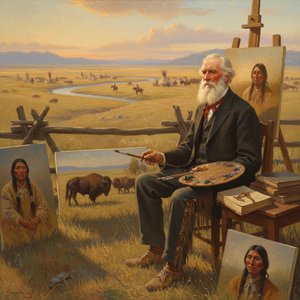 Joseph Henry Sharp: Capturing the Spirit of the Plains – Life, Art & LegacyExplore the life & art of Joseph Henry Sharp, a founding member of the Taos Society of Artists renowned for his realistic depictions of Nat…