

 실제 크기로 보기
 보내기
보내기 공유하기
공유하기
 상세 보기
상세 보기 가이드 보기

 이미지 다운로드
 유사 작품 더 보기
 X-레이
X-레이 슬라이드 쇼 보기
 통계 정보
통계 정보Actresses
 Acrylic On Paper
- Neo-Dada
 1958
1958 21.0 x 29.0 cm
 테이트 모던
 상세 보기
상세 보기
이 페이지에 표시된 작품은 저작권법의 보호를 받으며, 이에 따라 동일한 복제품을 제작하거나 판매하는 것은 법으로 금지되어 있습니다. 이러한 권리 보호는 다음과 같은 국제 협약에 따라 시행됩니다. 베른 협약 또한 다음에서 명시하는 법률을 포함한 국내법에 의해 보호됩니다. 미국 저작권법 제17조.
이 방식은 저작권 보호를 받는 예술 작품을 복제하거나 그대로 재현하는 것이 아니기에 저작권 규정을 완벽히 준수합니다. 대신, 이는 창의적인 재해석의 과정을 거칩니다. 즉, 원작에서 영감을 받되 원작과 동일하지 않은 새로운 회화 작품을 의미합니다.
지클레 / 아트 프린트
빠른 제작과 다양한 마감 옵션을 선택할 수 있는 박물관 수준의 지클레이 및 캔버스 프린트. ( 수작업 채색 복제본 주문하기 디지털 이미지 판매 채널로 전환)




P118B ₩10

P118H ₩10

P118W ₩10

P438Z ₩10

P508JH ₩12

P508YH ₩12

P805H ₩10

P805Z ₩10

P919BZ ₩10

P919G ₩10

P919XJ ₩10

P959ZH ₩10

P968JZ ₩12

W106C ₩8

W218G ₩10

W218JH ₩8

W218Y ₩10

W307PJ ₩10

W316G ₩10

W316PJ ₩8

W316Y ₩10

W398PJ ₩8

W4111J ₩10

W500HY ₩15

W500JH ₩15

W692G ₩12

W849H ₩8

W940BG ₩15

W953PJ ₩8




작품의 원본 비율을 그대로 유지하는 프리셋 사이즈 중에서 선택해 보세요.

액자나 벽면 크기에 맞춰 필요한 가로와 세로 길이를 입력해 주세요. 프린트는 원본 이미지보다 크게 제작할 수 없으며 오직 자르는 것만 가능하므로, 비율이 다른 사이즈를 선택할 경우 이미지의 일부가 잘려 나갈 수 있습니다. 인쇄 작업에 들어가기 전, 최종 확인을 위해 디지털 목업을 보내드립니다. 이 페이지에 표시된 이미지는 실제 잘리는 영역을 나타내지 않으며, 오직 목업을 통해서만 정확한 확인이 가능합니다.


 유리 옵션은 110cm 미만 크기에서만 선택 가능합니다.

Actresses
지클레 / 아트 프린트
복제본 규격
-


총 결제 금액
₩ 108564
The Weight of Performance: Joseph Beuys’s “Actresses”
Joseph Beuys's "Actresses," rendered in 1958 on a deceptively simple pale beige background, isn’t merely a sketch; it’s a distilled essence of performance, vulnerability, and the potent symbolism inherent within the human form. This preparatory drawing, a glimpse into the mind of one of the 20th century's most radical artists, immediately draws the viewer in with its loose, gestural lines – a deliberate rejection of rigid representation in favor of capturing a fleeting moment of embodied expression. The two figures, presented in profile and seemingly caught mid-movement, possess an immediate theatricality, hinting at dancers, performers, or perhaps even the silent drama of everyday life. Beuys wasn’t interested in replicating reality; he sought to translate feeling onto paper, imbuing his subjects with a palpable sense of energy and contained emotion.
Composition and Technique: A Study in Movement
The composition is strikingly asymmetrical, defying traditional notions of balance. The figures aren’t centered within the frame, instead occupying distinct points that create a dynamic imbalance—a visual representation of movement itself. Vertical lines, subtly introduced from the top edge, provide an anchor and structure to this otherwise fluid arrangement, preventing the drawing from dissolving into pure abstraction. Beuys's technique is characterized by a masterful use of hatching and cross-hatching, skillfully employed to build volume and shadow without resorting to precise shading. The loose, sketchy lines, rendered with charcoal or graphite, contribute significantly to the overall sense of spontaneity and immediacy—as if the artist were capturing a fleeting impression rather than meticulously crafting a finished image. Notice how he uses varying line weights to emphasize certain areas, drawing attention to the contours of the figures’ limbs and torsos.
Color Palette and Symbolism: Earthy Echoes
The muted color palette—dominated by earthy browns, ochres, and subtle touches of purple—reinforces the drawing's emotional depth. The beige background acts as a neutral canvas, allowing the figures to command attention without distraction. The small area of mauve on one figure introduces an element of mystery or perhaps even melancholy, hinting at hidden emotions beneath the surface. Beyond mere color choices, Beuys’s use of earth tones speaks to a deep connection with nature and the primal roots of human experience. Considering his later work focused heavily on social sculpture and the integration of art into everyday life, this grounding in natural materials and forms is profoundly significant. The elongated figures themselves can be interpreted as symbols of theatricality—a deliberate exaggeration that highlights the performative aspect of existence.
Historical Context and Artistic Influence
“Actresses” was created during a period of immense social and political upheaval in post-war Germany, a time when artists were grappling with questions of identity, purpose, and the role of art in society. Beuys’s work reflects this broader context, aligning with the burgeoning Expressionist movement and foreshadowing the rise of Fluxus and other avant-garde artistic practices. The drawing's emphasis on gesture and emotion anticipates the performance art that would become increasingly prominent in the latter half of the 20th century. Furthermore, it shares affinities with Surrealism, particularly in its exploration of the subconscious and its use of symbolic imagery. It’s worth noting that Beuys himself was deeply influenced by Carl Linnaeus's *Systema Naturae*, a book he rescued from a Nazi book burning—an event that profoundly shaped his artistic philosophy and his belief in art as a tool for social transformation. The drawing, therefore, can be seen as a meditation on the fragility of existence and the enduring power of human connection.
This preparatory sketch offers a rare glimpse into the creative process of one of the 20th century’s most visionary artists. “Actresses” is more than just a drawing; it's a testament to Beuys’s profound understanding of the human condition and his unwavering commitment to exploring the transformative potential of art.
질의응답
요제프 보이스의 "Actresses"의 프린트 제품은 어디에서 구매할 수 있나요?
"Actresses" 작품은 코튼 캔버스 또는 아카이브용 캔버스지에 인쇄된 파인 아트 프린트로 만나보실 수 있습니다. 주문은 파인 아트 프린트 페이지에서 원하시는 사이즈를 선택하여 진행하실 수 있습니다.
"Actresses"에서 대비와 조화는 어떻게 어우러지나요?
"Actresses"에서는 Serene 대비와 Unified Palette 조화가 어우러져 있습니다.
요제프 보이스의 "Actresses"의 색채 강도는 어느 정도인가요?
"Actresses"의 색채 강도는 Vivid입니다. 강도는 색상이 얼마나 선명하게 보이는지를 나타냅니다.
작가 소개
사회 속에서 조각된 삶
예술적 경계의 확장을 상징하는 이름, 요셉 보이스는 단순한 예술가 그 이상이었습니다. 그는 창의성이 사회 변혁의 열쇠를 쥐고 있다고 믿었던 선지자였습니다. 1921년 독일 크레펠트에서 태어난 그의 삶은 거대한 정치적, 사회적 격변의 배경 속에서 펼쳐졌으며, 이는 그의 예술 철학을 형성하는 데 깊은 영향을 미쳤습니다. 빈번한 이주와 자연과학에 대한 조기 노출, 그리고 나치즘이라는 몰려오는 어둠을 마주했던 어린 시절—특히 분서 사건으로부터 칼 폰 린네의 Systema Naturae를 구해냈던 경험은 그의 삶에서 결정적인 순간이었습니다—보이스는 존재의 취약함과 상징적 행위가 가진 힘에 대해 예민한 감각을 기르게 되었습니다. 그의 형성기는 음악, 신화, 역사를 아우르는 지적 호기 정으로 가득 차 있었으며, 이는 훗날 그가 보여준 다학제적 접근법의 토대가 되었습니다. 청소년 시절 독일 청년들이 흔히 겪었던 히틀러 유겐트 활동에 잠시 참여하기도 했으나, 보이스의 행보는 결국 기존의 규범에 도전하고 예술을 통해 급진적인 사회 변화를 옹호하는 길로 이어졌습니다.전쟁의 시련과 도상학의 탄생
제2차 세계대전은 보이스의 삶에서 중추적이며, 거의 신화적인 전환점이 되었습니다. 1941년 루프트바페(독일 공군)에 자원한 그는 1944년 크림반도에서 치명적인 비행기 추락 사고를 당했습니다. 이 사건을 통해 탄생한 이야기는 그의 예술적 정체성의 핵심이 되었습니다. 부상당한 그의 몸을 타타르 부족들이 펠트와 동물성 지방으로 감싸 온기를 유지하고 치유를 도왔다는 일화는 말 그대로 전설이 되었습니다. 비록 역사적 기록들이 이 서사의 세부 사항에 대해 논쟁을 벌이기도 하지만, 보이스는 이를 근원적인 신화로 받아들여 이 재료들에 깊은 상징적 무게를 부여했습니다. 보호와 단열, 그리고 자연과의 연결을 의미하는 펠트, 그리고 에너지와 치유, 변형을 상징하는 지방은 그의 작품에서 반복되는 모티프가 되었으며, 인간의 조건과 재생의 가능성을 나타내는 강력한 은유로 작용했습니다. 전쟁 후 보이스는 뒤셀도르프 예술 아카데미에서 조각을 정식으로 공부했으나, 그의 예술적 비전에 진정한 불을 지핀 것은 루돌프 슈타이너가 발전시킨 영성 철학인 인지학과의 만남이었습니다.사회적 조각: 혁명적 힘으로서의 예술
보이스가 미술사에 남긴 가장 위대한 공헌은 단연 '사회적 조각'(*Soziale Plastik*)이라는 개념입니다. 이는 단순히 물리적인 오브제를 만드는 것에 그치지 않고, 창의성이 사회와 정치를 형성하는 데 핵심적인 역할을 수행한다는 총체적인 비전을 담고 있었습니다. 그는 모든 개인이 창조적 잠재력을 지니고 있으며, 이 잠재력은 참여를 통해 발현될 수 있다고 믿었습니다. 이는 예술가, 예술 작품, 그리고 관객 사이의 경계를 허무는 작업이었습니다. 사회적 조각은 갤러리나 미술관이라는 물리적 공간에 국한되지 않고 정치적 행동주의, 교육적 이니셔티브, 공공 퍼포먼스를 아우르며 일상생활로 확장되었습니다. 그는 인간 존재의 모든 측면이 긍정적인 사회 변화를 촉진하기 위해 창의적으로 관여될 수 있는 '총체 예술(Gesamtkunstwerk)'을 꿈꿨습니다. 이러한 철학은 그의 수많은 퍼포먼스, 설치 작업, 교육적 노력의 근간이 되었으며, 고립된 창조자로서의 전통적인 예술가 역할을 거부하고 집단적 변혁을 이끄는 촉매제로서의 예술가를 제시했습니다.퍼포먼스, 재료, 그리고 정치적 참여
보이스의 예술적 실천은 퍼포먼스 아트, 설치, 드로잉, 조각, 그리고 정치적 행동주의를 아우르며 놀라울 정도로 다채로웠습니다. 그의 퍼포먼스는 종종 의례적인 성격을 띠었으며, 대중과의 직접적인 교감과 파격적인 재료의 사용을 특징으로 했습니다. 수많은 작업 중에 그가 직접 착용했던 상징적인 펠트 슈트는 온기와 보호, 그리고 자연과의 원초적 연결을 상징했습니다. 지방 설치 작품은 에너지와 치유, 변형이라는 주제를 탐구했으며, 1965년의 "나는 배우는 것이 좋다"와 같은 퍼포먼스에서는 갤러리 창가에 앉아 돌과 꿀을 두고 대화를 유도함으로써 지식 공유와 열린 소통의 중요성을 강조했습니다. 또한 "빛나는 사슴과 번개"와 같은 조각들은 원초적인 힘과 인간의 의식을 표현했습니다. 예술적 창조를 넘어, 보이스는 정치적 논쟁에도 적극적으로 참여했습니다. 그는 도큐멘타 7에서 예술적 실험과 사회적 대화의 장인 '자유 국제 구역(FIZ)'을 설립했으며, 독일 녹색당의 열렬한 지지자로 활동하기도 했습니다.영원히 남을 유산
1986년 세상을 떠난 요셉 보이스는 오늘날까지 예술가, 활동가, 그리고 사상가들에게 영감을 주는 거대한 유산을 남겼습니다. 그는 창의성과 저작권에 대한 관습적인 개념에 근본적인 의문을 제기하며 참여와 사회적 참여를 강조했습니다. 그의 작업은 예술의 정의를 미학적 차원을 넘어 정치적, 환경적, 그리고 영성적 차원으로 확장시켰습니다. 그의 '사회적 조각' 개념은 여전히 깊은 울림을 주며, 우리 내면의 창조적 잠재력을 인식하고 더 정의롭고 지속 가능한 미래를 만드는 데 적극적으로 참여할 것을 촉구하고 있습니다. 보이스는 단순한 예술가가 아니었습니다. 그는 예술이 사회를 반영할 뿐만 아니라 변화시킬 수 있는 힘을 가지고 있음을 일깨워준, 가능성의 예언자였습니다.
요제프 보이스
1921 - 1986 , 독일
작가 정보 요약
- Artistic Movement Or Style: 플럭서스, 퍼포먼스 아트
- Artists Or Movements Influenced By This Artist:
- 퍼포먼스 아트
- 사회적 조각
- Artists Who Influenced This Artist:
- 루돌프 슈타이너
- 아킬레스 모르트가트
- Date Of Birth: 1921년
- Date Of Death: 1986년
- Full Name: 요셉 보이스
- Nationality: 독일
- Notable Artworks:
- 요셉 보이스와의 세미나
- ...에 관한 진실한 이야기
- 나는 배우는 것을 좋아한다
- 사슴과 번개
- 펠트 슈트
- 지방 설치 미술
- Place Of Birth: 독일 크레펠트
관련 기사
Mastering Graphite Pencil: The Art of Precision, Shadow, and the Alchemy of Carbon
Explore the profound mastery of graphite pencil art. From the historical alchemy of carbon to advanced chiaroscuro techniques, learn to navigate grades and shadows like a master. Discover the precision and depth that define the world's most iconic drawings.
The Power of Graphite: Mastering Depth, Texture, and Detail in the Art of Pencil Drawing
Explore the profound artistry of graphite drawing. Discover professional techniques for mastering depth, texture, and detail through a lens of art history, from classical sketches to modern masterpieces. Elevate your understanding of the pencil medium with our expert guide.
The Eloquent Line: Exploring the Artistic Significance of Sketches Across Movements and Media
Explore the profound artistic significance of sketches throughout history. From Renaissance masters to modern innovators like Van Gogh & Guston, discover how these foundational works reveal technique, emotion, and vision. Learn more at OriginalUniqueArt.
The Alchemy of Carbon: Mastering Depth, Texture, and Precision in the Art of Graphite Drawing
Discover the sophisticated mastery of graphite drawing. Explore expert techniques for achieving profound depth, intricate texture, and hyper-realistic detail through the alchemy of carbon, curated for the discerning art enthusiast and professional collector.
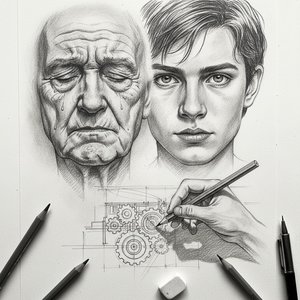
The Nuances of Graphite: Exploring Emotional Depth & Technical Mastery in Pencil Drawing
Explore the captivating world of graphite drawing! Discover its rich history, master essential techniques like chiaroscuro, and learn how artists evoke emotion through this timeless medium. Expert insights for art enthusiasts.