
 실제 크기로 보기
 보내기
보내기 공유하기
공유하기
 상세 보기
상세 보기 가이드 보기

 이미지 다운로드
 유사 작품 더 보기
 X-레이
X-레이 슬라이드 쇼 보기
 Q&A
Q&A 통계 정보
통계 정보Mordecai Manuel Noah

- 8.0 x 7.0 cm


 상세 보기
상세 보기
지클레 / 아트 프린트
빠른 제작과 다양한 마감 옵션을 선택할 수 있는 박물관 수준의 지클레이 및 캔버스 프린트. ( 수작업 채색 복제본 주문하기 디지털 이미지 판매 채널로 전환)




































작품의 원본 비율을 그대로 유지하는 프리셋 사이즈 중에서 선택해 보세요.

액자나 벽면 크기에 맞춰 필요한 가로와 세로 길이를 입력해 주세요. 프린트는 원본 이미지보다 크게 제작할 수 없으며 오직 자르는 것만 가능하므로, 비율이 다른 사이즈를 선택할 경우 이미지의 일부가 잘려 나갈 수 있습니다. 인쇄 작업에 들어가기 전, 최종 확인을 위해 디지털 목업을 보내드립니다. 이 페이지에 표시된 이미지는 실제 잘리는 영역을 나타내지 않으며, 오직 목업을 통해서만 정확한 확인이 가능합니다.


 유리 옵션은 110cm 미만 크기에서만 선택 가능합니다.

Mordecai Manuel Noah
지클레 / 아트 프린트
복제본 규격
-


총 결제 금액
₩ 107889
The Artist and His Work
John Wood Dodge was a talented artist known for his portraits, and Mordecai Manuel Noah is one of his notable works. The painting features a man with a stern expression, dressed in a suit and tie, showcasing the artist's ability to capture the essence of his subject. To learn more about John Wood Dodge and his other works, visit https://OriginalUniqueArt.com/@/John-Wood-Dodge.The Painting's Significance
The Mordecai Manuel Noah painting is not only a beautiful piece of art but also holds historical significance. It provides a glimpse into the life and times of Mordecai Manuel Noah, a prominent figure in American history. To discover more about the painting and its context, explore the Smithsonian American Art Museum's collection on https://OriginalUniqueArt.com.Key Features of the Painting
Some key features of the Mordecai Manuel Noah painting include:- Watercolour technique: The artist's use of watercolour creates a sense of delicacy and subtlety in the painting.
- Attention to detail: The painting showcases the artist's attention to detail, from the subject's facial expression to his attire.
- Historical significance: The painting provides a glimpse into American history and the life of Mordecai Manuel Noah.
The Mordecai Manuel Noah painting is a testament to the artist's skill and craftsmanship. Its historical significance and beauty make it a captivating piece that continues to inspire art lovers today. For more information on the painting and the artist, visit https://OriginalUniqueArt.com and discover the world of handmade oil painting reproductions.
질의응답
"Mordecai Manuel Noah"은(는) 누가, 언제 제작했을까요?
"Mordecai Manuel Noah"의 작가는 John Wood Dodge이며, 제작 연도는 1834년입니다.
"Mordecai Manuel Noah"의 색감은 강렬한 편인가요, 아니면 부드러운 편인가요?
John Wood Dodge의 "Mordecai Manuel Noah"에 사용된 색상들은 Monochromatic 강도를 띱니다.
John Wood Dodge의 "Mordecai Manuel Noah"은(는) 어떤 색채 조화를 보여주나요?
John Wood Dodge의 "Mordecai Manuel Noah"은(는) Balanced Harmony 색채 조화를 보여줍니다.
작가 소개
A Glimpse into Antebellum Society: The World of John Wood Dodge
John Wood Dodge, born in 1807 and passing in 1893, occupies a fascinating, if often overlooked, niche within the pantheon of American portrait miniaturists. While not possessing the widespread renown of his contemporaries like Gilbert Stuart or Charles Balthazar Julien Févret de Saint-Mémin, Dodge’s work provides an invaluable window into the lives and sensibilities of the Southern elite during a period of immense social and political transformation. His career unfolded primarily in Nashville, Tennessee, a city burgeoning with wealth derived from cotton cultivation and steeped in a complex tapestry of ambition, tradition, and impending conflict. Dodge wasn't merely recording likenesses; he was capturing an era – its aspirations, its anxieties, and the carefully constructed image it projected to posterity. He became, in essence, a visual chronicler of a vanishing world.Early Life and Artistic Training
Details surrounding Dodge’s early life remain somewhat scarce, a common challenge when researching artists who operated outside the major artistic hubs of New York or Boston. It is known that he received his initial training in Philadelphia, a center for miniature painting at the time. This foundational education instilled in him a meticulous attention to detail and a mastery of watercolor techniques – skills crucial for achieving the delicate realism characteristic of the genre. The influence of early American miniaturists like Henry Inman is subtly present in Dodge’s work, particularly in his use of soft lighting and refined brushwork. However, Dodge quickly developed a distinctive style, marked by a heightened sense of psychological insight and an ability to convey personality beyond mere physical resemblance. He established himself in Nashville around the 1830s, capitalizing on the city's growing prosperity and the demand for portraits among its affluent citizenry.The Portraiture of Power and Privilege
Dodge’s clientele read like a who’s who of Tennessee society. Planters, politicians, military leaders, and their families flocked to his studio seeking immortalization in miniature form. His most celebrated commissions included portraits of Andrew Jackson, the iconic “Old Hickory,” and members of Jackson's extended family. These depictions are not simply flattering representations; they reveal a keen understanding of character. Dodge’s Jackson portraits, for example, convey both the president’s formidable strength and his underlying vulnerability – a nuanced portrayal that transcends simple hero-worship. Beyond Jackson, Dodge painted numerous prominent Nashville figures, documenting their status and social standing with painstaking accuracy. His miniatures often feature elaborate detailing of clothing, jewelry, and accessories, reflecting the wealth and refinement of his sitters.- Technical Mastery: Dodge’s skill lay in his ability to render incredibly lifelike portraits on a diminutive scale, utilizing layers of watercolor to achieve subtle gradations of tone and texture.
- Psychological Depth: He wasn't content with superficial likenesses; he sought to capture the inner character of his subjects, imbuing his miniatures with personality and emotion.
- Social Commentary (Implicit): While not overtly political, Dodge’s portraits offer a glimpse into the values and lifestyles of the Southern aristocracy on the eve of the Civil War.
The Legacy of a Nashville Artist
John Wood Dodge's work stands as a testament to the enduring power of portraiture. His miniatures are more than just beautiful objects; they are historical documents, offering invaluable insights into the lives and beliefs of a bygone era. As the South hurtled towards secession and civil war, Dodge continued to paint, documenting the faces of those who would soon be caught in the maelstrom of conflict. While his name may not be as widely recognized as some of his contemporaries, his contribution to American art is significant. He preserved a visual record of a society on the cusp of change, capturing its elegance, its contradictions, and its ultimate fragility. His miniatures serve as poignant reminders of a world lost – a world defined by both grandeur and injustice. His work continues to be sought after by collectors and scholars alike, ensuring that his legacy will endure for generations to come.
John Wood Dodge
1807 - 1893
관련 기사

American Regionalism: The Soul of the Heartland and the Mastery of Grant Wood
Explore the profound history of American Regionalism. Discover how Grant Wood captured the heart of the Midwest through masterpieces like American Gothic. An expert guide to the movement, its cultural impact, and the enduring beauty of American Realism.
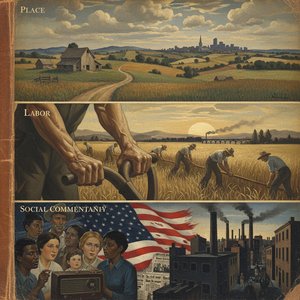
American Regionalism: A Crucible of Identity – Exploring Themes of Place, Labor & Social Commentary
Explore American Regionalism's powerful depiction of the American heartland during the Great Depression. Discover Grant Wood, Thomas Hart Benton & more. Expert analysis & high-quality art reproductions at OriginalUniqueArt.

존 싱어 사전트의 걸작 25선: 빛과 우아함으로 완성된 예술 세계 | OriginalUniqueArt
존 싱어 사전트의 대표작 25선을 만나보세요. 인상주의 초상화부터 빛과 색채가 아름다운 유화까지, 그의 예술 세계를 탐험하고 OriginalUniqueArt에서 고품질 아트 프린트로 거실 장식을 완성하세요. 지금 온라인 컬렉션을 확인하세요!

Grant Wood & American Regionalism: Identity, Myth & the Rural Landscape
Explore the world of Grant Wood & American Regionalism with OriginalUniqueArt. Discover the symbolism behind 'American Gothic', recurring themes, and the movement's lasting impact on art history. High-quality reproductions available.

존 컨스터블 대표작 25선: 영국 풍경화의 거장, 자연과 감성을 담은 명화 컬렉션 | OriginalUniqueArt
존 컨스터블 대표작 25선을 만나보세요. 영국 풍경화 거장의 자연주의 회화, 데담 밸리의 아름다움과 헤이 웨인의 정취를 담은 명화를 감상하세요. OriginalUniqueArt에서 고품질 예술 작품 복제본을 소장하고 특별한 인테리어를 완성해보세요. 지금 바로 컬렉션을 탐험하세요!