 더 보기
더 보기


 가로 또는 세로 중 어느 한 면이라도 105cm(약 41인치)를 초과하는 작품이나 복제화의 경우, 프레임은 분해된 키트 형태로 배송됩니다. 이는 안전한 배송을 보장하고 운송 중 발생할 수 있는 손상을 방지하기 위함입니다.


이 작품에 대해 더 알아보기
텍스트 크기

() ·
당신만을 위해 손으로 직접 그린 그림
핸드메이드 유화 복제화
작가가 직접 캔버스에 손으로 그린 유화 작품으로, 원하는 크기와 액자로 맞춤 제작해 드립니다. ( 프린트 판매로 전환 디지털 이미지로 전환)
수집품 상세 설명
Admire 'North Shields' by John Wilson Ewbank (1825). A serene coastal oil painting in Romantic style, featuring sailing ships & atmospheric hues. Discover this captivating 19th-century artwork.
작가 프로필
Discover John Wilson Ewbank, a Scottish landscape & marine painter (1799-1847). Admired for nature sketches & Edinburgh scenes, his work includes Scott illustrations & historical paintings.
~부터 ·
제1장
어느 정도 크기가 적당할까요?
슬라이드를 움직여 크기를 변경해 보세요. 왼쪽의 이미지는 프레임의 실제 너비를 보여줍니다. 원작의 비율은 그대로 유지됩니다.
표준 규격
맞춤형
CM
INCH
작품의 원본 비율을 그대로 유지하는 프리셋 사이즈 중에서 선택해 보세요.
사이즈 불러오는 중...

가로 너비
세로 길이
액자나 벽면 크기에 맞춰 필요한 가로와 세로 길이를 입력해 주세요. 본 작품은 수작업으로 제작되므로, 요청하신 비율에 따라 작가가 그림의 가장자리를 조금 더 넓게 그리거나 일부를 조정하여 작업할 수 있습니다. 작업 시작 전, 최종 확인을 위해 디지털 목업 이미지를 보내드립니다. 이 페이지에 표시된 이미지는 실제 결과물과 다를 수 있으며, 오직 목업 이미지만이 정확한 결과물을 보여줍니다.
제2장
어떤 방식으로 배송받기를 원하시나요?
캔버스 옆면 스타일 선택
프레임을 선택하세요

화이트 테두리 ₩1

블러사이드 ₩1

옆면 확장형 ₩1

P118B ₩10

P118H ₩10

P118W ₩10

P438Z ₩10

P508JH ₩12

P508YH ₩12

P805H ₩10

P805Z ₩10

P919BZ ₩10

P919G ₩10

P919XJ ₩10

P959ZH ₩10

P968JZ ₩12

W106C ₩8

W218G ₩10

W218JH ₩8

W218Y ₩10

W307PJ ₩10

W316G ₩10

W316PJ ₩8

W316Y ₩10

W398PJ ₩8

W4111J ₩10

W500HY ₩15

W500JH ₩15

W692G ₩12

W849H ₩8

W940BG ₩15

W953PJ ₩8

H24-GOLD ₩30

H24-SILVER ₩30

H36-GOLD ₩45

H36-SILVER ₩45
액자형
몰딩: . 액자 포함 전체 크기: .
제3장
누가 그리며, 변경해야 할 사항이 있나요?
제4장
마지막 마무리 작업
박물관에 있는 것과 같은 명판을 원하시나요?
동판 각인 상세 정보
This elegant plaque features the artist's name and the title of the artwork, finely engraved for a timeless presentation.
It is made from bronze with a refined, elegant finish. The text is precisely laser-engraved for a sharp and permanent result. Measuring 9x2 cm, the plaque is compact yet easy to read. It's built to be durable and scratch-resistant, offering a professional, museum-quality look. Mounting is simple thanks to the included adhesive backing.
투명 아크릴 명판 상세 정보
The plaque includes essential engraved details such as the artist's name, the title of the artwork, the date it was created, the type of media used-like oil on canvas or watercolor-a brief description of the piece, and a QR code that links to the complete artwork information.
It is crafted from clear acrylic, offering a sleek, modern appearance. The text is UV-engraved in black to ensure strong visual contrast. With a size of 10x15 cm, it ensures optimal readability. It comes equipped with two metal hooks for secure wall mounting. The plaque is designed to be weather-resistant, making it suitable for various environments, and it includes interactive features that work seamlessly with smartphone scanning.
블랙 아크릴 명판 상세 정보
This elegant plaque includes engraved information such as the artist's name, the title of the artwork, the date it was created, the type of media used (like oil on canvas or watercolor), a short description of the artwork, and a QR code for quick access to more information.
The plaque itself is made from refined black acrylic with a premium finish. The text is laser-engraved in white for high contrast and readability. Its size is 10x15 cm, designed to be easy to read. It comes with two metal hooks for professional mounting. The design is sleek and fits any interior style. It is also weather-resistant and durable, with built-in digital integration for mobile compatibility.
보호용 바니시를 선택하시겠습니까?
언제 받기를 원하시나요?
제5장
주문하신 그대로의 작품
North Shields
재현 기법
복제본 크기
-
엄선된 시니어 아티스트
더욱 세밀한 묘사와 정교함, 그리고 충분한 제작 시간
-
복제화 액자 구성
-
-
가로 또는 세로 중 어느 한 면이라도 105cm(약 41인치)를 초과하는 작품이나 복제화의 경우, 프레임은 분해된 키트 형태로 배송됩니다. 이는 안전한 배송을 보장하고 운송 중 발생할 수 있는 손상을 방지하기 위함입니다.
전문가 조립 권장 - 본 제품은 DIY용이 아닙니다.
해당 키트는 숙련된 전문 프레임 제작자가 목공용 풀(별도 구매), 캔버스 스트레칭 플라이어 및 풀이 마르는 동안 나무 틀의 수평을 유지할 클램프를 사용하여 캔버스를 팽팽하게 고정하고 조립해야 합니다. 잘못된 조립이나 불균형한 캔버스 장력은 작품에 영구적인 손상을 입힐 수 있으며, 이로 인한 손상은 보증 범위에 포함되지 않습니다.
모든 원목 부재가 포함되어 있으며, 조립에 딱 맞게 정밀하게 재단되었습니다.
제공된 나사와 함께, 별도로 준비해야 하는 모서리 접합부용 목공용 풀을 사용하여 조립합니다. (목공용 풀은 포함되어 있지 않으므로 제작자께서 직접 준비해 주셔야 합니다.)
전문가용 도구가 필요하며 키트에 포함되어 있지 않습니다: 캔버스 스트레칭 플라이어(텐셔너)와 접착제가 마르는 동안 나무 틀의 수평을 유지하기 위한 클램프가 필요합니다.
주의사항:
모서리 접합부에는 목공용 풀이 필요하며, 풀이 완전히 마를 때까지 클램프로 바(bar)를 고정해야 합니다. 또한 조립된 프레임에 캔버스를 팽팽하게 당기려면 캔버스 스트레칭 플라이어가 필요합니다. 이 제품들 중 어느 것도 키트에 포함되어 있지 않습니다. 이 사이즈를 주문하시기 전에 숙련된 전문 액자 제작업체를 미리 섭외하시기 바랍니다.
작품 설명문
-
-
보호용 바니시
유광 바니시(색감을 선명하게 하며 빛과 습기로부터 보호함)
-
내 작품 맞춤 설정
변경 가능한 예시: 얼굴을 고객의 사진으로 교체, 반려동물 추가(예: 고양이를 강아지로 변경), 배경에 숨겨진 메시지 삽입, 배경 풍경 또는 요소 변경.
-
빠른 배송
전 세계 배송()은 기존 5주의 표준 기간 대신 3~4주 내에 완료됩니다. (5 11월). 품질에는 어떠한 타협도 하지 않습니다.
-
특급 배송
전 세계 배송(): 약 5주 소요 (12 11월).
포함됨
최종 결제 금액
₩ 401623
유리 옵션은 110cm 미만 크기에서만 선택 가능합니다.
모든 주문에 포함되는 혜택
- 전 세계 무료 특급 배송
- 프리미엄 린넨 캔버스
- 배송 전 과정 보험 적용
- 관세 및 수입세 환급 보장 서비스
- 원본과 동일한 색상 구현 보장
- 100일 이내 반품 정책 (결함 발생 시)
- 100% 환불 보장
- 다량 구매 할인 혜택
 미리보기
미리보기
 공유하기
공유하기 공유하기
공유하기
 상세 정보
상세 정보 가이드 보기

 다운로드
다운로드
 유사 작품 더 보기
 X-레이
X-레이 슬라이드 쇼 보기
 질의응답
질의응답 통계 정보
통계 정보수치로 보는
- 1825제작 연도
- 29선택 가능한 프레임
- 고유의 비율을 유지한 표준 사이즈
- 5작품 제작 및 배송까지 수주 소요
원작 안내

- 23.0 x 33.0 cm


John Wilson Ewbank
1799 - 1847
John Wilson Ewbank에 관한 주요 정보
- Full Name: John Wilson Ewbank
- Nationality: English
- Date Of Birth: 1799
- Date Of Death: 1847
- Place Of Birth: Darlington, England
- Notable Artworks:
- Visit George IV
- Alexander the Great
- Hannibal Alps
- Artistic Movement Or Style: Landscape/Marine
- Artists Who Influenced This Artist: ['Van der Velde']
작가 정보
John Wilson Ewbank: A Scottish Master of Light and Water
Born in Darlington, England, in 1799, John Wilson Ewbank’s artistic journey took him from the humble apprenticeship of a house painter to the esteemed ranks of the Royal Scottish Academy. His life, though tragically cut short at the age of forty-nine, was marked by a profound connection with the natural world, particularly the dramatic landscapes and shimmering waters of Scotland. Ewbank wasn't merely a recorder of scenery; he possessed an almost preternatural ability to capture light and atmosphere, imbuing his paintings with a sense of movement, depth, and quiet contemplation – qualities that have secured his place as a significant figure in 19th-century Scottish art.
Ewbank’s early life was shaped by an unexpected shift. Initially destined for the priesthood, he abandoned theological studies to pursue painting, apprenticed to Thomas Coulson in Newcastle. This initial training provided a foundation in ornamental painting, but it was his relocation to Edinburgh and subsequent lessons with Alexander Nasmyth, a renowned landscape painter himself, that truly ignited his artistic passion. Nasmyth’s influence is evident in Ewbank's early works – a deliberate adoption of the Dutch Masters’ techniques, particularly their masterful use of light and color to create atmospheric effects.
Early Works and Influences
Ewbank’s initial style was heavily influenced by the Romantic tradition, drawing inspiration from artists like Jacob van Ruisdael and Jan Vermeer. His early paintings often depicted scenes of coastal landscapes, harbor views, and dramatic skies – characterized by a meticulous attention to detail and a restrained palette. The influence of the Dutch masters is particularly striking in his depictions of light reflecting off water, creating an illusion of shimmering brilliance. He meticulously studied the effects of weather on the sea, capturing the subtle shifts in color and texture that signaled changing conditions.
However, Ewbank’s artistic development wasn't static. As he matured, a shift occurred in his style – a move towards greater expressiveness and a looser brushstroke. This transformation coincided with a period of personal struggle, marked by bouts of drink and financial hardship. Despite these challenges, Ewbank continued to produce remarkable works, often depicting grand historical scenes or dramatic coastal vistas. The Visit of George IV to Edinburgh, the Entry of Alexander the Great into Babylon, and Hannibal crossing the Alps stand as testaments to his versatility and enduring talent.
Notable Works and Techniques
Among Ewbank’s most celebrated paintings are his series of drawings of Edinburgh, commissioned for James Browne's *Picturesque Views of Edinburgh* in 1825. These meticulously rendered sketches capture the city’s architectural grandeur and atmospheric charm with remarkable precision. His cabinet pictures – detailed depictions of riverbanks, coastlines, and marine subjects – also gained considerable recognition. Ewbank was particularly adept at portraying the interplay between light and water, creating a sense of dynamism and movement in his compositions.
A prime example of this skill is “Shipping in the Harbour, South Shields,” a monumental work from 1863 that exemplifies Ewbank’s mastery of atmospheric perspective and color. The painting captures the bustling activity of a busy harbor, with ships of various sizes navigating through the choppy waters. The use of light and shadow creates a dramatic effect, highlighting the movement of the waves and the reflections on the water's surface. This work, now held in private collection, showcases Ewbank’s ability to convey both the grandeur and the inherent drama of the natural world.
Legacy and Historical Significance
Despite his struggles with poverty and alcoholism, John Wilson Ewbank left a lasting legacy as one of Scotland's most accomplished landscape painters. His works are held in prestigious collections worldwide, including the British Museum, the Glasgow School of Art Archives and Collections, the Victoria and Albert Museum, and the Edinburgh Libraries and Museums and Galleries. His paintings offer a valuable glimpse into 19th-century Scottish life and culture, reflecting both the beauty and the challenges of the era.
Ewbank’s influence extends beyond his individual works. He played a significant role in the establishment of the Royal Scottish Academy, becoming one of its founding members in 1830. His dedication to capturing the essence of Scotland's landscapes helped to shape the artistic identity of the nation and inspired generations of artists to come. His work continues to be admired for its technical skill, atmospheric beauty, and profound connection to the natural world.
관련 콘텐츠
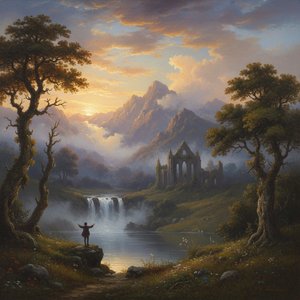
Evoking Emotion & Transcendence: Romantic Landscape Painting (18th-19th Century)
Explore the emotional depth of Romantic landscape painting (18th-19th century). Discover key artists like Friedrich & Cole, and the concepts of the sublime. Expert insights for art lovers & collectors.

배송 및 반품
APS는 박물관급 수준의 관리로 전 세계 미술품 배송을 전문적으로 제공합니다. 전체 추적 가능성과 100일 환불 보장을 제공합니다. 세관 지원에서 Priority Production에 이르기까지, 투명한 서비스, 안전한 포장, 그리고 수집가, 디자이너, 갤러리를 위한 신뢰할 수 있는 배송을 믿으세요.

낭만 풍경화의 황홀! 예술사에 빛난 10대 걸작 탐구 | 와후아트
낭만주의 시대, 예술혼을 불태운 10대 풍경화 걸작! 터너부터 프리드리히까지, 시대를 초월하는 아름다움을 와후아트에서 만나보세요. 고흐의 색채와 코로의 섬세함이 당신의 공간에 영감을 더합니다. 지금 바로 와후아트에서 명품 미술 작품을 감상하고 구매하세요!
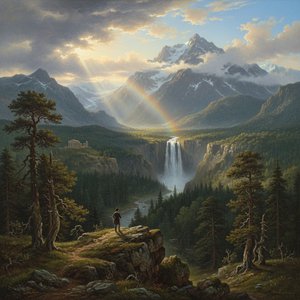
Evoking Nature's Sublime: A Comprehensive Exploration of 19th-Century Landscape Painting
Explore the captivating world of 19th-century landscape painting! Discover renowned artists like Friedrich & Monet, key movements, and find the perfect artwork to bring nature's serenity into your home. Expert insights at OriginalUniqueArt.