프린트 판매로 전환
 더 보기
더 보기







































 가로 또는 세로 중 어느 한 면이라도 105cm(약 41인치)를 초과하는 작품이나 복제화의 경우, 프레임은 분해된 키트 형태로 배송됩니다. 이는 안전한 배송을 보장하고 운송 중 발생할 수 있는 손상을 방지하기 위함입니다.


A Descent into Myth: Waterhouse's "The Danaides"
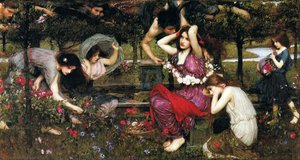
John William Waterhouse’s “The Danaides,” completed in 1906, is more than just a depiction of a gruesome episode from Greek mythology; it’s an exquisitely rendered meditation on sorrow, duty, and the tragic consequences of unchecked emotion. Painted during his most mature Pre-Raphaelite period, this oil on canvas captures the chilling scene of the fifty daughters of Danaus as they fulfill their horrifying command – to pour water into a large vase, effectively drowning themselves and their husbands on their wedding nights. The painting’s power resides not just in its subject matter but in Waterhouse's masterful manipulation of light, color, and composition, elements that elevate it beyond a simple illustration and firmly establish it as a cornerstone of the Pre-Raphaelite aesthetic.
The Weight of Antiquity: Style and Technique
- Pre-Raphaelite Influence: Waterhouse’s work is deeply rooted in the Pre-Raphaelite Brotherhood's rejection of idealized, Romanized art. He sought a return to the clarity, detail, and emotional intensity of early Italian painting – evident in the meticulous rendering of fabrics, the almost photographic realism of the figures, and the dramatic use of light.
- Oil on Canvas: The medium itself contributes significantly to the work’s impact. Waterhouse expertly employs oil paint to achieve a rich, luminous texture, allowing for subtle gradations of color and creating an illusion of depth that draws the viewer into the scene.
- Compositional Drama: The arrangement of figures – some standing, others seated, all gazing with varying degrees of despair – creates a dynamic tension within the frame. The repetition of vases, both large and small, reinforces the cyclical nature of the tragedy and adds to the painting’s unsettling atmosphere.
Symbolism and Narrative Depth
The central image—the women pouring water into a vase—is laden with symbolic weight. The vase itself represents both life and death, fertility and destruction. Water, traditionally associated with purity and cleansing, is here used to enact a horrific act of self-annihilation. The figures’ expressions – ranging from quiet resignation to outright anguish – convey the profound emotional toll of their fate. The scene speaks to themes of familial duty, betrayal, and the destructive power of jealousy, all central concerns within Greek tragedy.
A Legacy of Beauty and Melancholy
"The Danaides" remains a powerfully evocative work, demonstrating Waterhouse’s exceptional skill in translating complex mythological narratives into visually arresting paintings. Its enduring appeal lies not only in its technical brilliance but also in its ability to tap into universal themes of sorrow, loss, and the inescapable consequences of human action. This painting is a testament to Waterhouse's profound understanding of beauty, tragedy, and the timeless power of myth – qualities that continue to resonate with audiences today.
질의응답
존 윌리엄 워터하우스의 "The Danaides"에 대한 안내 페이지가 있나요?
"The Danaides"에 대한 안내는 작품의 학습 가이드 페이지에서 확인하실 수 있습니다. 이 페이지는 작품의 캡션, 크레딧, 그리고 상세 정보 표(작가, 제작 연도, 재료, 원본 크기, 소장처)를 포함하여 출력 가능한 형태의 팩트시트로 제공됩니다.
존 윌리엄 워터하우스의 다른 이름이나 별칭에는 무엇이 있나요?
존 윌리엄 워터하우스은(는) J.W. 워터하우스, 존 윌리엄 워터하우스 (John William Waterhouse), 워터하우스(으)로도 알려져 있습니다.
존 윌리엄 워터하우스의 "The Danaides"은(는) Pre-Raphaelite Revival를 작가의 모국과 어떻게 연결하고 있나요?
Pre-Raphaelite Revival 양식의 작품 "The Danaides"은 이탈리아 출신의 작가에 의해 탄생했습니다.
이 작품에 대해 더 알아보기
 미리보기
미리보기
 공유하기
공유하기 공유하기
공유하기
 상세 정보
상세 정보 가이드 보기

 다운로드
다운로드
 유사 작품 더 보기
 X-레이
X-레이 슬라이드 쇼 보기
 질의응답
질의응답 통계 정보
통계 정보