
 미리보기
미리보기
 공유하기
공유하기 공유하기
공유하기
 상세 정보
상세 정보

 다운로드
다운로드
 유사 작품
유사 작품 X-레이
X-레이 슬라이드 쇼
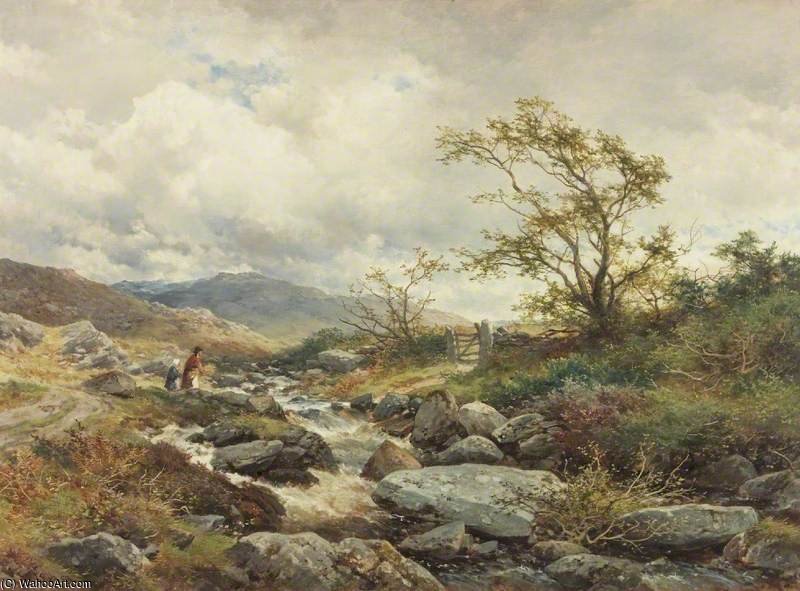
Way Over The Moor
 더 보기
더 보기
지클레 / 아트 프린트
빠른 제작과 다양한 마감 옵션을 제공하는 박물관 품질의 지클레이 또는 캔버스 프린트. ( 수제 페인팅으로 전환하기 이미지로 전환)




































작품의 원본 비율을 유지하는 미리 설정된 크기 중에서 선택하세요.

특정 프레임이나 공간에 맞춰 직접 치수를 입력하실 수 있습니다. 선택하신 사이즈가 원본 이미지의 비율과 일치하지 않을 경우, 작품을 크롭(자르기)하거나 이미지를 대칭 또는 단색 채우기로 확장하여 제작합니다. 제작 시작 전, 최종 확인을 위해 디지털 목업이 전송됩니다.
화면상의 미리보기는 실제 크롭이나 확장 상태를 반영하지 않으므로, 최종 구도는 오직 목업을 통해서만 정확하게 확인하실 수 있습니다.
맞춤 사이즈 제작도 가능하지만, 원본 비율을 유지하기 위해서는 사전 정의된 목록에서 치수를 선택하시는 것을 권장합니다.


 유리 옵션은 110cm 미만 크기에서만 선택 가능합니다.

Way Over The Moor
지클레 / 아트 프린트
복제본 크기
-


최종 결제 금액
$ 80
작가 약력
The Atmospheric Legacy of John Syer
In the quiet, mist-laden landscapes of the nineteenth century, few artists captured the subtle, melancholic beauty of the British countryside with as much devotion as John Syer. Born in 1815 in Warwickshire, England, Syer emerged as a painter of profound sensitivity, a man whose brush sought not to overwhelm with vibrant color, but to enchant through the delicate interplay of light and shadow. While his name may not resonate with the thunderous fame of Turner or Constable, his work remains a vital testament to the Victorian era's fascination with the atmospheric and the pastoral. His artistic journey was one of quiet dedication, finding its most resonant expressions in the rugged coastlines of Wales and the historic, stone-carved grandeur of English architectural landmarks.
The foundation of Syer’s technique was laid during his formative years under the guidance of influential mentors. His studies in Bristol with the miniaturist J. Fisher provided him with a meticulous eye for detail, but it was his encounter with the works of William James Müller and David Cox that truly defined his aesthetic soul. From Müller, a German master of tonal harmony, Syer inherited a profound respect for atmospheric perspective—the ability to use subtle gradations of tone to create an illusion of infinite depth. This influence is woven into the very fabric of his oeuvre, where the air itself seems to possess weight and moisture, particularly in his depictions of coastal scenes and mountain vistas.
A Palette of Muted Splendor
To observe a Syer landscape is to enter a world of restrained elegance. Unlike many of his contemporaries who embraced the burgeoning brilliance of new pigments, Syer remained tethered to a more somber, classical palette. He favored muted greens, deep blues, and earthy browns, colors that mirrored the natural textures of mossy Welsh cliffs and ancient stone walls. This choice was not merely a limitation of skill—though some critics of his time noted a struggle with vibrant colorism—but rather a deliberate pursuit of mood. By eschewing bold chromatic expression, he was able to prioritize the emotional resonance of a scene, capturing the stillness of a low tide or the heavy, contemplative atmosphere of a medieval church.
His technical mastery is perhaps most evident in his ability to render texture and light within these limited tones. Whether working in oil or watercolor, Syer possessed an uncanny knack for portraying the ruggedness of Snowdonia or the weathered surfaces of historic halls like Haddon Hall. His landscapes often feel as though they are breathing, caught in a moment of transition between storm and sunlight. This focus on the ephemeral qualities of nature aligned him deeply with the Romantic movement, where the landscape served as a mirror for human emotion and the sublime power of the natural world.
Exhibition, Subject, and Enduring Significance
Syer’s career was marked by steady recognition within the most prestigious artistic circles of his day. His works were frequently showcased at the Royal Academy, the British Institution, and the Royal West of England Academy in Bristol. These exhibitions allowed him to present a diverse range of subjects to the Victorian public, from the tranquil Dutch coastlines seen in “Scheveningen” to the iconic academic vistas of “View Of College Green” in Oxford. His versatility was his strength; he could pivot from the dramatic, salt-sprayed cliffs of Scarborough to the quiet, ecclesiastical dignity of “Redcliff Church” without losing his signature atmospheric touch.
As we look back on the life of John Syer, which concluded in 1885, we see an artist who successfully bridged the gap between meticulous topographical recording and poetic interpretation. His legacy resides in those quiet moments captured on canvas:
- The mastery of tone: Using light and shadow to evoke a sense of peace and permanence.
- Architectural reverence: Preserving the grandeur of historic English and Welsh structures through a romantic lens.
- Atmospheric storytelling: Creating landscapes that are not merely views, but emotional experiences.

john syer
1815 - 1885 , United Kingdom
주요 정보
- Artistic Movement Or Style: Romantic/Realist
- Artists Or Movements Influenced By This Artist: ['Romanticism']
- Artists Who Influenced This Artist: ['William James Müller']
- Date Of Birth: 1815
- Full Name: John Syer
- Nationality: British
- Notable Artworks:
- Scheveningen
- View Of College Green
- Redcliff Church
- Place Of Birth: Warwickshire, United Kingdom

