

 실제 크기로 보기
 보내기
보내기 공유하기
공유하기
 상세 보기
상세 보기 가이드 보기

 이미지 다운로드
 유사 작품 더 보기
 X-레이
X-레이 슬라이드 쇼 보기
 통계 정보
통계 정보Aston Hall, East Front
 1854
1854 39.0 x 66.0 cm
 상세 보기
상세 보기
핸드메이드 유화 복제화
작가가 직접 캔버스에 손으로 그린 유화 작품으로, 원하는 크기와 액자로 맞춤 제작해 드립니다. ( 프린트 판매로 전환 디지털 이미지 판매 채널로 전환)




































작품의 원본 비율을 그대로 유지하는 프리셋 사이즈 중에서 선택해 보세요.

특정 프레임이나 공간에 맞춰 원하는 크기를 직접 입력하실 수 있습니다. 선택하신 크기가 원본 이미지의 비율과 일치하지 않을 경우, 작품을 자르거나 추가적인 수작업 요소를 더해 그림을 확장하여 제작합니다. 제작 시작 전, 최종 확인을 위해 디지털 목업을 보내드립니다.
화면상의 미리 보기는 실제 크롭(자르기)이나 확장된 상태를 완벽히 반영하지 않을 수 있습니다. 최종 구도는 오직 목업을 통해서만 정확하게 확인하실 수 있습니다.
맞춤 크기 제작도 가능하지만, 원본의 비율을 그대로 유지하기 위해서는 미리 정의된 목록에서 크기를 선택하시는 것을 권장합니다.
주문 완료 후 OriginalUniqueArt.com 팀에서 상세 안내를 위해 고객님께 이메일을 보내드리며, 미리보기 시안을 함께 제공해 드립니다.


 유리 옵션은 110cm 미만 크기에서만 선택 가능합니다.

Aston Hall, East Front
재현 매체
복제본 규격
-


총 결제 금액
$ 300
작가 소개
John Joseph Hughes: A Shepherd of English Landscapes
John Joseph Hughes (1797-1864) stands as a quietly significant figure in 19th-century British art, primarily recognized for his serene and meticulously rendered depictions of English countryside life. Born in County Tyrone, Ireland, Hughes’s artistic journey began not with grand ambitions but with a grounding in the practicalities of rural existence – initially as a gardener, later as a teacher and eventually, a dedicated landscape painter. His work offers a poignant glimpse into a vanishing era, capturing idyllic scenes of Warwickshire mills, castles, and rolling fields with an understated beauty that belies their historical importance. Hughes’s art isn't characterized by dramatic flourishes or bold statements; instead, it resides in the subtle nuances of light, texture, and composition, creating images imbued with a profound sense of peace and nostalgia.Early Life and Influences: From Gardener to Painter
Hughes’s early life was shaped by both hardship and opportunity. Born into a modest farming family, he experienced the challenges of rural Irish life firsthand. This experience instilled in him a deep appreciation for the natural world and a keen eye for detail – qualities that would later inform his artistic practice. His initial employment as a gardener at Favour Royal Manor provided invaluable exposure to diverse plant life and cultivated an understanding of landscape design. Crucially, this period also introduced him to the burgeoning world of art through his association with Mother Elizabeth Ann Seton, a pivotal figure in the early Catholic Church in America. Her encouragement and support paved the way for Hughes’s formal artistic training at Mount St. Mary's College in Emmitsburg, Maryland – an institution that profoundly shaped his aesthetic sensibilities. The influence of the Pre-Raphaelites, though perhaps not explicitly acknowledged, is subtly present in his meticulous attention to detail and his preference for depicting scenes of quiet beauty. Interestingly, Hughes’s career was initially intertwined with the Catholic Church; he served as a priest and later as Archbishop of New York, demonstrating a commitment to both artistic expression and religious service.A Painter of Pastoral Scenes: Warwickshire and Beyond
Hughes's most celebrated works depict scenes from the English countryside, particularly those found in Warwickshire. His paintings are not grand historical narratives but rather intimate portraits of daily life – farmers tending their fields, mill workers at their looms, and stately castles standing sentinel over vast landscapes. A prime example is “Farm in Wood Lane, Handsworth, Birmingham,” a work that exemplifies his signature style: muted tones, layered textures, and an almost photographic realism. The composition draws the eye through carefully placed elements, creating a sense of depth and inviting the viewer to lose themselves in the scene. While he frequently painted mills, these weren’t simply industrial structures; they were integrated seamlessly into the landscape, reflecting Hughes's belief in the harmonious relationship between humanity and nature. His depictions of castles, often viewed from a distance, suggest a connection to England’s rich history and tradition. Hughes’s ability to capture the essence of a place – its light, atmosphere, and character – is what distinguishes his work and endures as a testament to his artistic skill.Technique and Style: Meticulous Detail and Atmospheric Perspective
Hughes's artistic technique was characterized by meticulous detail and a sophisticated understanding of atmospheric perspective. He employed a restrained palette, favoring earthy tones and subtle gradations of color to create a sense of realism and depth. His brushwork is generally smooth and controlled, reflecting his careful observation of nature. He paid particular attention to the rendering of light and shadow, using chiaroscuro – the dramatic contrast between light and dark – to model forms and evoke mood. The influence of Joseph Wright of Derby, a pioneering artist known for his scientific depictions of industry and natural phenomena, can be detected in Hughes’s use of light and composition. Hughes's work is not about grand gestures or flamboyant displays; it’s about capturing the quiet beauty of everyday life with remarkable precision and sensitivity.Legacy and Historical Significance
John Joseph Hughes may not be a household name, but his paintings hold a significant place in British art history. His serene landscapes offer a valuable window into 19th-century England – a time of rapid social change and industrialization. His work stands as a counterpoint to the more dramatic and overtly political art of the era, providing instead a quiet celebration of rural life and the beauty of the natural world. The National Portrait Gallery’s collection of his works underscores their enduring appeal and historical importance. Hughes's legacy lies not in revolutionary innovations but in his ability to capture the essence of a bygone era with remarkable skill and understated grace – a testament to the power of observation, patience, and a deep appreciation for the beauty that surrounds us.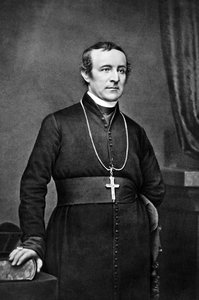
john joseph hughes
1797 - 1864
작가 정보 요약
- Artistic Movement Or Style: Landscape painting
- Date Of Birth: 1797
- Date Of Death: 1864
- Full Name: John Joseph Hughes
- Nationality: British
- Notable Artworks:
- Farm in Wood Lane
- Warwickshire views
- Place Of Birth: County Tyrone, Ireland