

 미리보기
미리보기
 프린트 구매
 공유하기
공유하기 공유하기
공유하기
 상세 정보
상세 정보

 다운로드
다운로드
 유사 작품
유사 작품 X-레이
X-레이 슬라이드 쇼
Study of a Lioness


 더 보기
더 보기




P118B $10

P118H $10

P118W $10

P438Z $10

P508JH $12

P508YH $12

P805H $10

P805Z $10

P919BZ $10

P919G $10

P919XJ $10

P959ZH $10

P968JZ $12

W106C $8

W218G $10

W218JH $8

W218Y $10

W307PJ $10

W316G $10

W316PJ $8

W316Y $10

W398PJ $8

W4111J $10

W500HY $15

W500JH $15

W692G $12

W849H $8

W940BG $15

W953PJ $8




작품의 원본 비율을 유지하는 미리 설정된 크기 중에서 선택하세요.

특정 프레임이나 공간에 맞도록 직접 크기를 입력할 수 있습니다. 선택하신 크기가 원본 이미지의 비율과 일치하지 않는 경우, 작품을 자르거나 추가적인 손으로 그린 요소를 사용하여 그림을 확장합니다. 제작 시작 전 승인을 위해 디지털 목업을 보내드립니다.
화면 미리 보기는 실제 자르기 또는 확장을 반영하지 않습니다. 최종 구성은 목업을 통해서만 정확하게 확인하실 수 있습니다.
맞춤 크기 제작도 가능하지만, 원본 비율을 유지하기 위해 사전 정의된 목록에서 크기를 선택하시는 것을 권장합니다.
주문 후 OriginalUniqueArt.com 팀에서 상세 안내를 위해 고객님께 이메일을 보내드리며, 미리보기 시안을 제공해 드립니다.


 유리 옵션은 110cm 미만 크기에서만 선택 가능합니다.

Study of a Lioness
재현 기법
복제본 크기
-


최종 결제 금액
$ 300
작품 상세 설명
A Study in Serenity: John Frederick Lewis’s Lioness
John Frederick Lewis's "Study of a Lioness," painted circa 1824-1827, is more than just a depiction of a majestic animal; it’s a carefully constructed tableau of quiet contemplation and subtle observation. This watercolor masterpiece, now housed within the Yale Center for British Art, offers a rare glimpse into the artist's meticulous approach to capturing both the physical form and the psychological state of his subjects – a hallmark of the Orientalist movement he so powerfully championed. The painting immediately draws the eye with its earthy palette: ochres, browns, and sandy yellows dominate, creating an atmosphere of sun-drenched stillness that contrasts sharply with the inherent power of the lioness herself.
Lewis’s technique is remarkably detailed for a watercolor, showcasing his mastery of layering and glazing. He doesn't simply render the animal; he builds up textures – the coarse fur, the damp earth beneath her paws, the subtle shadows that define her musculature. The loose brushstrokes in the background sky, punctuated by wisps of cloud, provide a sense of depth and distance, while the precise rendering of the lioness’s features—her open mouth, slightly parted as if in a gentle yawn or perhaps a moment of repose – invites us to interpret her state of mind. The graphite underdrawing, barely visible beneath the watercolor washes, adds an additional layer of control and precision to the composition.
Origins in Orientalism and the Exotic
Lewis’s work firmly places him within the burgeoning field of Orientalist painting, a genre that flourished during the 19th century. This movement wasn't simply about depicting the East; it was an attempt to understand and represent cultures vastly different from Western European norms. Lewis, having spent considerable time in Egypt and later traveling through Spain and Morocco, developed a deep appreciation for Islamic art and architecture, which profoundly influenced his style. The lioness itself, a symbol of strength and royalty across many cultures, becomes imbued with a particular resonance within this context – representing both the raw power of nature and the refined beauty of the East.
The painting’s creation coincided with a period of intense European fascination with the Middle East, fueled by exploration, trade, and political intrigue. Lewis's meticulous attention to detail reflects this broader cultural trend, aiming to capture not just the appearance of the subject but also the atmosphere and spirit of its environment. The inclusion of two figures in the background – their identities deliberately ambiguous – adds a layer of narrative complexity, suggesting a scene of human interaction within the larger landscape.
Symbolism and Emotional Resonance
Beyond its technical brilliance, “Study of a Lioness” resonates with profound emotional depth. The lioness’s posture—relaxed yet alert—evokes a sense of quiet dignity and self-assuredness. She is not depicted as a predator actively hunting; instead, she appears to be enjoying a moment of respite, embodying a connection to the natural world. The sandy ground beneath her paws grounds the image in the earth, while the sky above offers a sense of limitless space.
The painting’s overall effect is one of serene contemplation—a reminder that even within the most powerful creatures, there exists a capacity for stillness and grace. It's a testament to Lewis’s ability to capture not just the outward appearance of his subjects but also their inner essence, inviting viewers to contemplate the beauty and complexity of both the natural world and the human experience.
A Legacy in Reproduction
Reproductions of “Study of a Lioness” offer an accessible way to appreciate Lewis’s artistry and the rich cultural context of his work. Whether displayed as a statement piece in a contemporary interior or studied closely for its technical details, this painting continues to captivate audiences with its timeless beauty and profound emotional resonance. The meticulous detail and evocative atmosphere make it a perfect addition to any collection, offering a window into the world of Orientalist art and the artistic vision of John Frederick Lewis.
작가 약력
존 프레데릭 루이스: 동양주의 회화의 삶
존 프레데릭 루이스는 1804년 7월 14일 영국 런던에서 저명한 영국 동양주의 화가로 태어났습니다. 그는 판화가이자 풍경 화가였던 프레데릭 크리스티안 루이스의 아들이었습니다. 이러한 가족 예술적 배경은 의심할 여지 없이 그의 초기 발전에 영향을 미쳤습니다. 그의 정식 훈련은 서 토마스 로렌스 아래에서 시작되었으며, 에드윈 랜즈다운과 같은 동료 화가들과 함께 기술을 연마했습니다. 이 기초적인 기간 동안 그는 기법과 구도에 대한 강한 이해를 갖게 되었습니다.
예술 경력 및 발전
루이스의 예술 경력은 진화하는 스타일과 주제 초점으로 특징지어지는 여러 뚜렷한 단계를 거쳤습니다:
- 동양주의 시대: 루이스는 지중해 지역을 광범위하게 여행하며 상세한 수채화와 유화로 그 본질을 세심하게 포착했습니다. 그는 종종 구성을 다시 방문하여 다양한 매체에 렌더링했습니다.
- 스페인 및 모로코의 영향 (1832-1834): 스페인과 모로코 여행은 중요한 전환점이 되었습니다. 그는 나중에 “알함브라 스케치와 드로잉” (1835)과 “루이스의 스페인 스케치와 스페인 캐릭터” (1836)으로 출판된 수많은 석판화를 제작했습니다.
- 이집트 시대 (1841-1851): 카이로에서의 체류는 아마도 그의 가장 생산적인 시기였을 것입니다. 그는 여기서 동양주의 스타일을 완성하여 현실적인 장르 장면과 이집트 상류층 인테리어의 이상화된 묘사를 보여주는 매우 상세한 작품을 만들었습니다.
주요 작품
루이스는 세심한 디테일과 생생한 분위기로 찬사를 받는 방대한 작품을 제작했습니다. 그의 가장 잘 알려진 작품 중 일부는 다음과 같습니다:
- 베두인 (예일 센터 포 브리티시 아트, 뉴 헤이븐) – 그의 동양주의 스타일을 예증하는 수채화입니다.
- 테베의 라메세움 (예일 센터 포 브리티시 아트, 뉴 헤이븐) – 그의 놀라운 건축적 디테일에 대한 주의를 보여줍니다.
- 젊은 터키 여성 (예일 센터 포 브리티시 아트, 뉴 헤이븐) – 그의 동양주의 작품의 또 다른 인상적인 예입니다.
- 콘스탄티노플의 하렘 생활 - 오토만 가정 생활을 묘사한 상세한 유화입니다.
영향 및 예술 스타일
루이스의 스타일은 서 토마스 로렌스의 초상화와 구도에 대한 강조를 포함하여 여러 영향의 영향을 받았습니다. 그러나 중동 문화에 대한 직접적인 관찰을 통해 그는 다음과 같은 독특한 미학을 발전시킬 수 있었습니다:
- 세심한 디테일: 질감, 패턴 및 건축 요소를 정확하게 표현하려는 노력입니다.
- 풍부한 색상 팔레트: 그가 만난 풍경과 의상에서 영감을 받은 생생한 색조를 사용합니다.
- 장르 장면 및 인테리어 뷰: 일상 생활과 친밀한 가정 환경에 중점을 둡니다.
유산 및 역사적 중요성
루이스의 예술 세계에 대한 기여는 동양주의 회화를 발전시키는 데 중요한 역할을 한 것입니다. 이슬람 건축, 가구 및 의상의 세심한 표현은 장르 내에서 사실주의를 위한 새로운 표준을 설정했습니다. 그는 19세기 서구 청중들에게 중동에 대한 로맨틱하면서도 상세한 비전을 대중화하는 데 도움을 주었습니다. 1851년 영국으로 돌아온 후, 그는 1876년 8월 15일 월턴 온 테임즈에서 사망할 때까지 그림을 계속 그렸습니다.
그의 작품은 예술적 장점과 19세기 오리엔트에 대한 역사적 통찰력을 제공하기 때문에 지속적으로 연구되고 감상됩니다.

존 프레데릭 루이스
1804 - 1876 , 영국
주요 정보
- Artistic Movement Or Style: 오리엔탈리즘
- Artists Who Influenced This Artist: ['토마스 로렌스 경']
- Date Of Birth: 1804년 7월 14일
- Date Of Death: 1876년 8월 15일
- Full Name: 존 프레데릭 루이스
- Nationality: 영국인
- Notable Artworks (List Of Titles):
- 베두인
- 테베의 라메세움
- 젊은 터키 여성
- Place Of Birth (City And Country): 런던, 영국
관련 기사 더 보기

John Frederick Lewis: Orientalism, Detail & Genre Painting in 19th-Century British Art
Explore the captivating Orientalist paintings of John Frederick Lewis! Discover his mastery of detail, genre scenes & influence on 19th-century British art. Learn about his life, techniques & legacy at OriginalUniqueArt.

Watercolor Wonders: 10 Masterpieces That Redefined Art History | OriginalUniqueArt
Journey through 10 legendary watercolor masterpieces by Sargent, Turner & Homer! Explore iconic landscapes, portraits & floral art that redefined history. Find museum-quality reproductions and curated decor ideas at OriginalUniqueArt.com.

Ephemeral Visions: Exploring the Artistic Legacy & Contemporary Practice of Watercolor Painting
Explore the captivating world of watercolor painting! Discover its rich history, essential techniques, influential artists & collecting tips. A comprehensive guide for art enthusiasts from OriginalUniqueArt.

존 싱어 사전트의 걸작 25선: 빛과 우아함으로 완성된 예술 세계 | OriginalUniqueArt
존 싱어 사전트의 대표작 25선을 만나보세요. 인상주의 초상화부터 빛과 색채가 아름다운 유화까지, 그의 예술 세계를 탐험하고 OriginalUniqueArt에서 고품질 아트 프린트로 거실 장식을 완성하세요. 지금 온라인 컬렉션을 확인하세요!
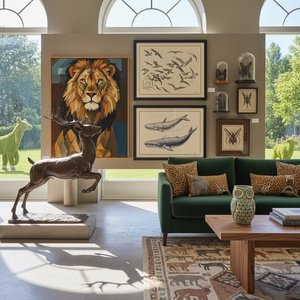
생명의 공간으로: 예술 속 동물 형상의 지속적인 존재와 인테리어 디자인 탐구
예술 속 동물 형상의 깊은 의미와 인테리어 디자인 활용법을 탐구합니다. 기독교 미술의 상징주의부터 현대적인 공간 연출까지, OriginalUniqueArt에서 전문가의 통찰력을 만나보세요.

