
 실제 크기로 보기
 보내기
보내기 공유하기
공유하기
 상세 보기
상세 보기 가이드 보기

 이미지 다운로드
 유사 작품 더 보기
 X-레이
X-레이 슬라이드 쇼 보기
 Q&A
Q&A 통계 정보
통계 정보Lieutenant Colonel Arthur Bentinck, Commanding the 7th (Princess Royal's) Dragoon Guards (1854–1857)

- 49.0 x 68.0 cm


 상세 보기
상세 보기
지클레 / 아트 프린트
빠른 제작과 다양한 마감 옵션을 선택할 수 있는 박물관 수준의 지클레이 및 캔버스 프린트. ( 수작업 채색 복제본 주문하기 디지털 이미지 판매 채널로 전환)




































작품의 원본 비율을 그대로 유지하는 프리셋 사이즈 중에서 선택해 보세요.

액자나 벽면 크기에 맞춰 필요한 가로와 세로 길이를 입력해 주세요. 프린트는 원본 이미지보다 크게 제작할 수 없으며 오직 자르는 것만 가능하므로, 비율이 다른 사이즈를 선택할 경우 이미지의 일부가 잘려 나갈 수 있습니다. 인쇄 작업에 들어가기 전, 최종 확인을 위해 디지털 목업을 보내드립니다. 이 페이지에 표시된 이미지는 실제 잘리는 영역을 나타내지 않으며, 오직 목업을 통해서만 정확한 확인이 가능합니다.


 유리 옵션은 110cm 미만 크기에서만 선택 가능합니다.

Lieutenant Colonel Arthur Bentinck, Commanding the 7th (Princess Royal's) Dragoon Guards (1854–1857)
지클레 / 아트 프린트
복제본 규격
-


총 결제 금액
₩ 107587
작가 소개
John Ferneley Snr (1814-1862): The Painter of Hunting Elegance
John Ferneley Snr (1814-1862) stands as a pivotal figure in British sporting art, embodying the romantic spirit of the Victorian era and capturing the grandeur of rural pursuits with unparalleled precision. Born in Thrussington, Leicestershire, on May 18th, 1782, Ferneley’s artistic journey unfolded against the backdrop of a burgeoning fascination with equestrian portraiture and meticulously rendered hunting scenes—a passion that would define his entire oeuvre. His untimely death in Melton Mowbray in 1860 tragically curtailed his prolific career, yet his legacy persists as one of the most celebrated artists documenting the aristocratic traditions of his time.- Early Life & Artistic Training: Ferneley’s formative years were marked by a privileged upbringing within a family steeped in agricultural enterprise and artistic appreciation. He received an education primarily focused on drawing and painting, nurtured by his father, who recognized John's innate talent early on. This foundational training instilled in him a meticulous attention to detail—a characteristic that would become synonymous with his distinctive style.
The Rise of Sporting Art & Ferneley’s Distinctive Style
The mid-19th century witnessed an explosion of interest in equestrian pursuits and aristocratic leisure activities, fueling a burgeoning demand for artistic representations of these subjects. Ferneley skillfully capitalized on this trend, establishing himself as one of the foremost practitioners of sporting art—a genre characterized by its dramatic compositions and masterful depiction of horses and riders in dynamic poses. Unlike many contemporaries who favored idealized portrayals, Ferneley prioritized anatomical accuracy and textural realism, painstakingly recreating the musculature of horses and capturing the subtle nuances of light and shadow on their coats. His canvases pulsated with life, conveying not merely visual information but also an emotional resonance that mirrored the thrill of the hunt.- Notable Paintings & Commissions: Ferneley’s reputation soared as he garnered commissions from prominent families across England—including the Earls of Derby and Northumberland—who sought to commemorate their estates and hunting expeditions. Among his most celebrated works are “The Hunt at Ascadale,” depicting a breathtaking tableau of hounds pursuing deer through the Scottish Highlands, and “A Horse Portrait,” showcasing an exquisitely rendered equine subject bathed in soft afternoon light. These paintings exemplify Ferneley’s technical prowess and artistic vision—demonstrating his ability to transform observation into evocative art.
Technique & Influences
Ferneley's technique was rooted in the traditions of Old Master painters, particularly Rembrandt and Rubens. He employed a layered glazing method—applying thin washes of color over multiple subsequent coats—to achieve luminous tonal gradations and unparalleled depth of texture. This painstaking process demanded considerable patience and skill, yet it yielded results that captivated audiences with their breathtaking realism. Ferneley’s artistic sensibilities were further shaped by his engagement with the Romantic movement, which championed emotion and imagination alongside meticulous observation—a duality evident in his depictions of both horses and human subjects.- Legacy & Historical Significance: John Ferneley Snr’s contribution to British art is undeniable. His paintings serve as invaluable documents of Victorian social life, capturing the rituals and traditions associated with aristocratic hunting—a pastime that held considerable sway during his lifetime. More importantly, Ferneley's unwavering commitment to anatomical accuracy and textural realism established him as a pioneer in sporting art—inspiring generations of artists who followed. His works continue to be admired for their beauty and technical brilliance, securing his place among the most enduring figures in British artistic history.
Further Exploration
For those wishing to delve deeper into Ferneley’s life and work, scholarly resources include:* “John Ferneley Snr” by David Passmore (Philip Wilson Press, 1987)
* “British Sporting Art: The Rise of Animal Painting in Britain” edited by Richard Woodcock (Victoria & Albert Museum Publishing, 2003)

John Ferneley, Snr
1814 - 1862
작가 정보 요약
- Full Name: John E. Ferneley
- Nationality: British
- Date Of Birth: 1814
- Date Of Death: 1862
- Place Of Birth: Thrussington, Leicestershire
- Notable Artworks:
- The Hunt at Drayton Park
- A Horseman and His Squire
- Artistic Movement Or Style: Sporting Art
- Artists Who Influenced This Artist: ['George Stubbs']
- Artists Or Movements Influenced By This Artist: ['Romanticism']
관련 기사
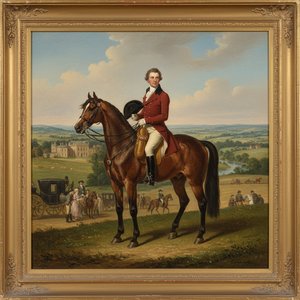
Sr. John E. Ferneley: Equestrian Portraiture & England's Social Fabric
Explore the captivating world of Sr. John E. Ferneley, a master of British sporting art. Discover his exquisite equestrian paintings & insights into 19th-century society. Invest in timeless masterpieces with OriginalUniqueArt.
19th Century Masterpieces: 10 Paintings That Defined an Era | OriginalUniqueArt
Journey through 19th century art with OriginalUniqueArt! Explore 10 iconic paintings – from Monet & Renoir to Courbet – and discover the stories behind Romanticism, Realism & Impressionism. Find museum-quality reproductions for your home decor. Explore the full collection online!
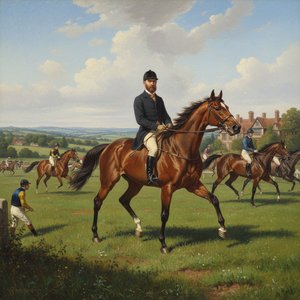
John Frederick Herring Sr.: Equestrian Mastery & the Rise of Sporting Art in Victorian England
Explore the life & work of John Frederick Herring Sr., a leading Victorian equestrian artist. Discover his masterpieces, patronage, techniques & investment potential. Expert insights for collectors.
Beyond the Fabric: Decoding Identity, Authority, and Symbolism in the Art of Military Uniforms
Explore the profound symbolism of military uniforms in art history. From Victorian portraits to realistic lithographs, discover how artists capture power, identity, and historical legacy through the intricate details of martial regalia and command.

런던 대영박물관의 걸작 25선: 역사와 예술이 만나는 특별한 여정
런던 대영박물관의 숨겨진 이야기 25가지! 로제타석부터 파르테논 신전 조각까지, 역사와 예술이 살아 숨 쉬는 명작들을 만나보세요. 렘브란트, 반 고흐 등 거장들의 작품을 OriginalUniqueArt.com에서 감상하고 특별한 인테리어를 완성하세요.