 미리보기
미리보기
 공유하기
공유하기 공유하기
공유하기
 상세 정보
상세 정보

 다운로드
다운로드
 유사 작품
유사 작품 X-레이
X-레이 슬라이드 쇼
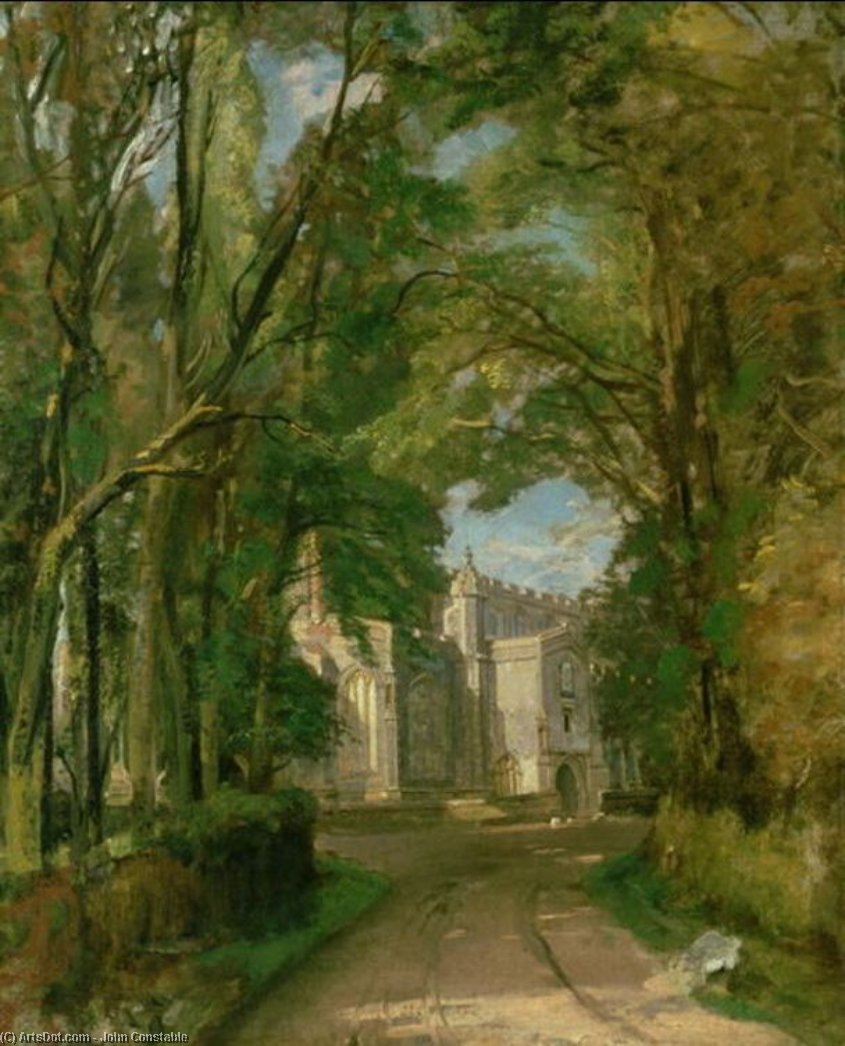
East Bergholt Church


 더 보기
더 보기
지클레 / 아트 프린트
빠른 제작과 다양한 마감 옵션을 제공하는 박물관 품질의 지클레이 또는 캔버스 프린트. ( 손으로 그린 그림 구매 이미지 구매)




P118B $10

P118H $10

P118W $10

P438Z $10

P508JH $12

P508YH $12

P805H $10

P805Z $10

P919BZ $10

P919G $10

P919XJ $10

P959ZH $10

P968JZ $12

W106C $8

W218G $10

W218JH $8

W218Y $10

W307PJ $10

W316G $10

W316PJ $8

W316Y $10

W398PJ $8

W4111J $10

W500HY $15

W500JH $15

W692G $12

W849H $8

W940BG $15

W953PJ $8




작품의 원본 비율을 유지하는 미리 설정된 크기 중에서 선택하세요.

특정 프레임이나 공간에 맞춰 직접 치수를 입력하실 수 있습니다. 선택하신 사이즈가 원본 이미지의 비율과 일치하지 않을 경우, 작품을 크롭(자르기)하거나 이미지를 대칭 또는 단색 채우기로 확장하여 제작합니다. 제작 시작 전, 최종 확인을 위해 디지털 목업이 전송됩니다.
화면상의 미리보기는 실제 크롭이나 확장 상태를 반영하지 않으므로, 최종 구도는 오직 목업을 통해서만 정확하게 확인하실 수 있습니다.
맞춤 사이즈 제작도 가능하지만, 원본 비율을 유지하기 위해서는 사전 정의된 목록에서 치수를 선택하시는 것을 권장합니다.


 유리 옵션은 110cm 미만 크기에서만 선택 가능합니다.

East Bergholt Church
지클레 / 아트 프린트
복제본 크기
-


최종 결제 금액
$ 80
작품 상세 설명
A Window into Rural England: John Constable’s East Bergholt Church
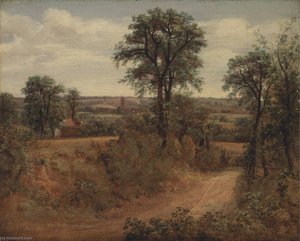
John Constable's "East Bergholt Church," painted in 1811, is more than just a picturesque depiction of a Suffolk village; it’s a profound meditation on the relationship between humanity and nature, rendered with an unparalleled sensitivity to light and atmosphere. Born in East Bergholt itself – a fact that profoundly shaped his artistic vision – Constable imbues this scene with a deeply personal resonance, reflecting his upbringing amidst the rolling hills and tranquil waterways of Dedham Vale.
- Subject Matter: The painting’s central focus is the Church of Saint Mary in East Bergholt, a modest yet dignified structure that anchors the composition. Surrounding it are carefully arranged trees, their branches reaching towards the sky like supplicating arms, and a solitary figure adding a touch of human scale to the vast landscape.
- Composition: Constable masterfully employs atmospheric perspective – a technique borrowed heavily from Claude Lorrain – to create a sense of depth and distance. The church steeple, boldly positioned against the sky, draws the eye upwards, while the receding trees and distant buildings subtly blur into an ethereal haze.
The Romantic Spirit and Constable’s Technique
Painted during the early years of the Romantic movement, “East Bergholt Church” embodies many of its key tenets. Unlike the rigid formality of Neoclassical art, Constable sought to capture the raw emotion and subjective experience of nature. His technique – characterized by loose brushstrokes, vibrant color palettes, and a deliberate avoidance of precise detail – prioritized feeling over representation. He employed ‘impasto’ - thick layers of paint - particularly in the foliage, creating a tactile quality that invites the viewer to almost reach out and touch the scene.
Constable's meticulous observation of light is immediately apparent. The painting captures the fleeting effects of sunlight filtering through the trees, casting dappled shadows across the churchyard and imbuing the entire landscape with a luminous glow. This obsession with light – a hallmark of his work – was driven by his desire to translate the ephemeral beauty of nature onto canvas.
Symbolism and Context
The inclusion of the solitary figure, likely admiring the church or perhaps engaged in some quiet task, adds another layer of meaning to the painting. It suggests a connection between the individual and the landscape – a theme central to Romantic thought. The church itself represents faith, tradition, and community, anchoring the scene within a specific historical and cultural context.
Painted shortly after Constable’s encounter with George Beaumont and his collection of Lorrain's works, it is clear that the influence of the classical landscape painter is present in Constable's approach to composition and atmospheric perspective. However, Constable quickly developed his own distinct style, prioritizing emotional resonance and a deeply personal connection to the English countryside.
Emotional Impact and Artistic Legacy
"East Bergholt Church" possesses a remarkable serenity and tranquility that continues to captivate viewers today. It’s a painting that invites contemplation, offering a glimpse into a simpler way of life and reminding us of the enduring beauty of the natural world. Constable's ability to evoke such powerful emotions through his art cemented his place as one of England’s greatest landscape painters, and this work remains a testament to his genius.
작가 약력
존 컨스터블: 영국 풍경 미술의 혁신가
존 컨스터블(John Constable, 1776-1837)은 낭만주의 시대 영국 미술을 대표하는 풍경화가로, 그의 작품은 단순한 자연 묘사를 넘어 깊은 감정과 서정적인 아름다움을 담아내며 영국 풍경 미술의 지평을 넓혔습니다. 그는 1776년 서퍽 주 이스트베르골트에서 부유한 곡물 상인의 아들로 태어났으며, 어린 시절부터 스토우 강변과 주변 농촌 지역에서 자연 속에서 성장하며 깊은 애착을 갖게 되었습니다. 아버지의 사업을 이어받을 운명이었지만, 예술에 대한 열정은 그를 그림이라는 길로 이끌었고, 지역 후원자들의 격려와 조지 험프리(George Humphrey) 같은 미술가와의 교류는 그의 예술적 성장에 큰 영향을 미쳤습니다. 초기에는 전통적인 회화 기법을 익히며 정진했지만, 곧 그는 아카데미의 권위를 벗어나 자신만의 독창적인 풍경 표현 방식을 모색하기 시작했습니다.자연에 대한 진실된 묘사: 새로운 비전의 탄생
컨스터블은 당시 유행하던 이상화되고 연출된 풍경화에서 벗어나, 자연을 있는 그대로 진솔하게 담아내고자 했습니다. 그는 역사적 장면이나 신화 속 이야기를 그리는 대신, 자신이 익숙한 농촌 풍경에 집중하며 평범한 일상과 자연의 세밀한 디테일을 포착했습니다. 이러한 그의 시도는 당시 미술계로부터 다소 낯설게 여겨졌지만, 그는 흔들리지 않고 자신의 예술적 신념을 지켰습니다. 특히 그는 야외에서 직접 그림을 그리는 *플랭 에어(plein air)* 기법을 적극적으로 활용하여 자연광과 대기의 변화를 생생하게 표현했습니다. 이는 이전까지 영국 풍경 미술에서는 찾아보기 어려웠던 혁신적인 시도였으며, 그의 작품에 즉각성과 활력을 불어넣었습니다. 두껍게 덧칠하는 임파스토 기법을 사용하여 질감을 살리고, 자유로운 붓놀림으로 자연의 역동성을 표현하며 자신만의 독특한 화풍을 구축했습니다.대표작과 예술적 성취
컨스터블의 대표작 중 하나인낭만주의 미술에 미친 영향과 유산
컨스터블은 생전에는 큰 상업적 성공을 거두지 못했지만, 그의 작품은 프랑스에서 높은 평가를 받았으며 바비종파(Barbizon School) 화가들에게 깊은 영향을 미쳤습니다. 바비종파는 컨스터블처럼 야외에서 직접 자연을 관찰하며 그림을 그리는 것을 중시했으며, 그의 사실적이고 감성적인 풍경 표현 방식에 큰 영감을 받았습니다. 또한 그는 인상주의 화가들에게도 간접적으로 영향을 미쳐, 빛과 대기의 변화를 포착하는 데 중요한 선구자 역할을 했습니다. 컨스터블은 평범한 자연 속에서 아름다움을 발견하고, 자신의 감정을 솔직하게 표현함으로써 영국 풍경 미술의 새로운 지평을 열었습니다. 그의 작품은 오늘날에도 많은 사람들에게 깊은 감동과 영감을 주며, 낭만주의 시대 미술의 중요한 유산으로 남아 있습니다. 그는 단순한 풍경화가를 넘어, 자연과의 교감과 인간의 내면세계를 탐구하는 예술가로서 기억되고 있습니다.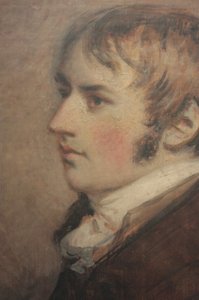
존 컨스터블
1776 - 1837 , 영국
주요 정보
- 국적: 영국인
- 대표 작품:
- 더 헤이 웨인
- 해들리 성
- 솔즈베리 대성당
- 네틀리 수도원
- 사망일: 1837년 3월 31일
- 영향을 받은 예술 사조: ['바비종파']
- 영향을 준 예술가:
- 클로드 로렌
- 야코브 루이스다엘
- 예술 사조: 낭만주의
- 전체 이름: 존 컨스터블
- 출생일: 1776년 6월 11일
- 출생지: 이스트 버홀트, 영국
관련 기사 더 보기

존 컨스터블 대표작 25선: 영국 풍경화의 거장, 자연과 감성을 담은 명화 컬렉션 | OriginalUniqueArt
존 컨스터블 대표작 25선을 만나보세요. 영국 풍경화 거장의 자연주의 회화, 데담 밸리의 아름다움과 헤이 웨인의 정취를 담은 명화를 감상하세요. OriginalUniqueArt에서 고품질 예술 작품 복제본을 소장하고 특별한 인테리어를 완성해보세요. 지금 바로 컬렉션을 탐험하세요!

낭만 풍경화의 황홀! 예술사에 빛난 10대 걸작 탐구 | 와후아트
낭만주의 시대, 예술혼을 불태운 10대 풍경화 걸작! 터너부터 프리드리히까지, 시대를 초월하는 아름다움을 와후아트에서 만나보세요. 고흐의 색채와 코로의 섬세함이 당신의 공간에 영감을 더합니다. 지금 바로 와후아트에서 명품 미술 작품을 감상하고 구매하세요!
Beyond the Horizon: 10 Landscape Masterpieces for Your Home Decor
Journey through 10 breathtaking landscape paintings by Monet, Van Gogh & more! Explore iconic artworks, artistic techniques & find inspiration for your home decor. Museum-quality reproductions at OriginalUniqueArt.com. Discover all masterpieces on OriginalUniqueArt.com

Capturing the English Landscape: The Timeless Mastery and Romantic Legacy of John Constable
Explore the profound legacy of John Constable. Discover how his mastery of light, atmosphere, and the English landscape redefined Romanticism through timeless, museum-quality oil reproductions for discerning collectors.

Alfred East: Pioneering Plein Air & Evoking Atmospheric Landscapes
Explore the life & work of Alfred East, a pioneer of British plein air painting. Discover his techniques for capturing atmospheric landscapes, Barbizon influences, and lasting legacy. Learn more at OriginalUniqueArt.