실제 크기로 보기
 보내기
보내기 공유하기
공유하기
 상세 보기
상세 보기 가이드 보기

 이미지 다운로드
 유사 작품 더 보기
 X-레이
X-레이 슬라이드 쇼 보기
 통계 정보
통계 정보Captain Richard Gubbins
 Oil On Canvas
- WallArt
- Romanticism
 1805
1805- Early Medieval
 76.0 x 64.0 cm
 예일 영국 미술관
 상세 보기
상세 보기
핸드메이드 유화 복제화
작가가 직접 캔버스에 손으로 그린 유화 작품으로, 원하는 크기와 액자로 맞춤 제작해 드립니다. ( 프린트 판매로 전환 디지털 이미지 판매 채널로 전환)




P118B ₩10

P118H ₩10

P118W ₩10

P438Z ₩10

P508JH ₩12

P508YH ₩12

P805H ₩10

P805Z ₩10

P919BZ ₩10

P919G ₩10

P919XJ ₩10

P959ZH ₩10

P968JZ ₩12

W106C ₩8

W218G ₩10

W218JH ₩8

W218Y ₩10

W307PJ ₩10

W316G ₩10

W316PJ ₩8

W316Y ₩10

W398PJ ₩8

W4111J ₩10

W500HY ₩15

W500JH ₩15

W692G ₩12

W849H ₩8

W940BG ₩15

W953PJ ₩8




작품의 원본 비율을 그대로 유지하는 프리셋 사이즈 중에서 선택해 보세요.

액자나 벽면 크기에 맞춰 필요한 가로와 세로 길이를 입력해 주세요. 본 작품은 수작업으로 제작되므로, 요청하신 비율에 따라 작가가 그림의 가장자리를 조금 더 넓게 그리거나 일부를 조정하여 작업할 수 있습니다. 작업 시작 전, 최종 확인을 위해 디지털 목업 이미지를 보내드립니다. 이 페이지에 표시된 이미지는 실제 결과물과 다를 수 있으며, 오직 목업 이미지만이 정확한 결과물을 보여줍니다.
주문 완료 후 OriginalUniqueArt.com 팀에서 상세 안내를 위해 고객님께 이메일을 보내드리며, 미리보기 시안을 함께 제공해 드립니다.


 유리 옵션은 110cm 미만 크기에서만 선택 가능합니다.

Captain Richard Gubbins
재현 매체
복제본 규격
-


총 결제 금액
₩ 412324
A Portrait of Quiet Authority: Captain Richard Gubbins by John Constable
John Constable’s “Captain Richard Gubbins,” painted in 1805 and now residing within the esteemed Yale Center for British Art, is more than a simple likeness; it's a carefully constructed tableau of character and circumstance. This oil on canvas offers a glimpse into the life of a man – Captain Richard Gubbins – rendered with Constable’s signature blend of meticulous observation and deeply felt emotion. The painting immediately draws the eye to the subject himself: a figure presented with a dignified, almost austere presence. His red coat, adorned with a subtle green collar indicative of his military rank, speaks volumes about his position within society, while the sword resting at his side is not merely an accessory but a potent symbol of authority and duty.
Constable’s masterful use of light and shadow plays a crucial role in shaping our perception of Gubbins. The strong directional lighting emphasizes the lines of his face, highlighting a stern expression that conveys both seriousness and discipline. This isn't a portrait designed for immediate charm; rather, it invites contemplation, prompting us to consider the weight of responsibility borne by this officer. The background, subtly layered with two figures – one to the left and another receding into the distance on the right – adds depth and context without distracting from the central subject. These secondary elements suggest a life lived within a structured environment, perhaps hinting at the social circles and obligations that defined Gubbins’ existence.
The Language of Form: Constable's Technique
The remarkable realism achieved in “Captain Richard Gubbins” is a testament to Constable’s exceptional technical skill. He employed a layered approach, building up textures and tones with painstaking detail – particularly evident in the rendering of the uniform’s fabric and the subtle nuances of Gubbins’ facial features. The brushstrokes are visible yet controlled, creating a sense of immediacy and capturing the very essence of the subject's presence. Constable’s use of color is equally noteworthy; he avoids overly bright or dramatic hues, opting instead for a more restrained palette that reflects the seriousness of the subject matter. The subtle gradations of tone contribute to the painting’s overall atmosphere of quiet dignity.
Notably, Constable's technique demonstrates his deep understanding of light and its effects on form. He skillfully utilizes chiaroscuro – the dramatic contrast between light and dark – to sculpt Gubbins’ features and create a sense of three-dimensionality. This masterful manipulation of light not only enhances the realism of the portrait but also imbues it with an emotional resonance, suggesting both strength and vulnerability.
A Window into the Age: Historical Context
“Captain Richard Gubbins” is firmly rooted in the artistic and social landscape of early 19th-century Britain. The Yale Center for British Art’s collection, a treasure trove of British art history, provides invaluable context for understanding Constable's work. The painting reflects the prevailing values of the era – a respect for military service, an appreciation for order and discipline, and a fascination with portraiture as a means of documenting individual identity. The inclusion of the two background figures further reinforces this social setting, offering glimpses into the lives of those who surrounded Gubbins.
Furthermore, Constable’s work aligns with the broader artistic trends of his time, particularly the shift towards greater realism and emotional depth in landscape painting. His meticulous attention to detail and his ability to capture the essence of his subjects paved the way for future generations of artists. The Yale Center's collection, a cornerstone of British art history, ensures that Constable’s legacy continues to be celebrated and studied.
Symbolism and Emotional Resonance
Beyond its technical brilliance, “Captain Richard Gubbins” is rich in symbolic meaning. The red coat and green collar represent the Captain’s military status and social standing, while the sword symbolizes his authority and duty. The stern expression on Gubbins' face suggests a man of unwavering resolve, perhaps burdened by responsibility or reflecting the challenges he has faced. Yet, there’s also an underlying sense of quiet dignity—a suggestion that this is not merely a portrait of a soldier but a representation of a complex individual grappling with his role in society.
Ultimately, “Captain Richard Gubbins” transcends its literal subject matter to become a powerful meditation on identity, duty, and the human condition. It’s a painting that invites viewers to contemplate not only the life of Captain Richard Gubbins but also their own place within the broader tapestry of history and society. A hand-painted reproduction offers an exceptional opportunity to bring this captivating artwork into your home or office, allowing you to appreciate Constable's genius for generations to come.
질의응답
존 컨스터블의 "Captain Richard Gubbins"의 실제 크기는 어떻게 되나요?
존 컨스터블의 "Captain Richard Gubbins"의 기록된 크기는 76 x 64 cm입니다. 복제화는 동일한 비율을 유지하면서 다른 크기로 주문하실 수 있습니다.
존 컨스터블의 "Captain Richard Gubbins"의 방문객들은 어디에서 오나요?
"Captain Richard Gubbins"에 대한 통계 페이지가 존재합니다. 이 페이지에는 해당 작품과 작가의 다른 작품들에 대한 월별 방문자 수가 국가 및 언어별로 상세히 표시됩니다.
존 컨스터블의 "Captain Richard Gubbins"의 작품 방향(가로/세로)은 어떻게 되나요?
존 컨스터블의 "Captain Richard Gubbins"은(는) Portrait 구도로 이루어져 있습니다. 프린트 크기를 결정하시기 전에 비율을 확인해 보시는 것이 좋습니다.
작가 소개
존 컨스터블: 영국 풍경 미술의 혁신가
존 컨스터블(John Constable, 1776-1837)은 낭만주의 시대 영국 미술을 대표하는 풍경화가로, 그의 작품은 단순한 자연 묘사를 넘어 깊은 감정과 서정적인 아름다움을 담아내며 영국 풍경 미술의 지평을 넓혔습니다. 그는 1776년 서퍽 주 이스트베르골트에서 부유한 곡물 상인의 아들로 태어났으며, 어린 시절부터 스토우 강변과 주변 농촌 지역에서 자연 속에서 성장하며 깊은 애착을 갖게 되었습니다. 아버지의 사업을 이어받을 운명이었지만, 예술에 대한 열정은 그를 그림이라는 길로 이끌었고, 지역 후원자들의 격려와 조지 험프리(George Humphrey) 같은 미술가와의 교류는 그의 예술적 성장에 큰 영향을 미쳤습니다. 초기에는 전통적인 회화 기법을 익히며 정진했지만, 곧 그는 아카데미의 권위를 벗어나 자신만의 독창적인 풍경 표현 방식을 모색하기 시작했습니다.자연에 대한 진실된 묘사: 새로운 비전의 탄생
컨스터블은 당시 유행하던 이상화되고 연출된 풍경화에서 벗어나, 자연을 있는 그대로 진솔하게 담아내고자 했습니다. 그는 역사적 장면이나 신화 속 이야기를 그리는 대신, 자신이 익숙한 농촌 풍경에 집중하며 평범한 일상과 자연의 세밀한 디테일을 포착했습니다. 이러한 그의 시도는 당시 미술계로부터 다소 낯설게 여겨졌지만, 그는 흔들리지 않고 자신의 예술적 신념을 지켰습니다. 특히 그는 야외에서 직접 그림을 그리는 *플랭 에어(plein air)* 기법을 적극적으로 활용하여 자연광과 대기의 변화를 생생하게 표현했습니다. 이는 이전까지 영국 풍경 미술에서는 찾아보기 어려웠던 혁신적인 시도였으며, 그의 작품에 즉각성과 활력을 불어넣었습니다. 두껍게 덧칠하는 임파스토 기법을 사용하여 질감을 살리고, 자유로운 붓놀림으로 자연의 역동성을 표현하며 자신만의 독특한 화풍을 구축했습니다.대표작과 예술적 성취
컨스터블의 대표작 중 하나인낭만주의 미술에 미친 영향과 유산
컨스터블은 생전에는 큰 상업적 성공을 거두지 못했지만, 그의 작품은 프랑스에서 높은 평가를 받았으며 바비종파(Barbizon School) 화가들에게 깊은 영향을 미쳤습니다. 바비종파는 컨스터블처럼 야외에서 직접 자연을 관찰하며 그림을 그리는 것을 중시했으며, 그의 사실적이고 감성적인 풍경 표현 방식에 큰 영감을 받았습니다. 또한 그는 인상주의 화가들에게도 간접적으로 영향을 미쳐, 빛과 대기의 변화를 포착하는 데 중요한 선구자 역할을 했습니다. 컨스터블은 평범한 자연 속에서 아름다움을 발견하고, 자신의 감정을 솔직하게 표현함으로써 영국 풍경 미술의 새로운 지평을 열었습니다. 그의 작품은 오늘날에도 많은 사람들에게 깊은 감동과 영감을 주며, 낭만주의 시대 미술의 중요한 유산으로 남아 있습니다. 그는 단순한 풍경화가를 넘어, 자연과의 교감과 인간의 내면세계를 탐구하는 예술가로서 기억되고 있습니다.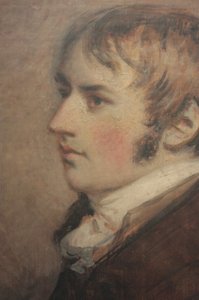
존 컨스터블
1776 - 1837 , 영국
작가 정보 요약
- 국적: 영국인
- 대표 작품:
- 더 헤이 웨인
- 해들리 성
- 솔즈베리 대성당
- 네틀리 수도원
- 사망일: 1837년 3월 31일
- 영향을 받은 예술 사조: ['바비종파']
- 영향을 준 예술가:
- 클로드 로렌
- 야코브 루이스다엘
- 예술 사조: 낭만주의
- 전체 이름: 존 컨스터블
- 출생일: 1776년 6월 11일
- 출생지: 이스트 버홀트, 영국
관련 기사
John Constable: Nature, Light & the Romantic Vision of Rural England
Explore the life & art of John Constable, the Romantic painter who revolutionized landscape with emotive scenes of rural England. Discover his techniques, legacy, and key works – perfect for collectors & enthusiasts.
John Hoppner: Portraiture, Patronage & British Identity in the Late Georgian Era
Explore the life & work of John Hoppner, a leading Georgian portraitist. Discover his vibrant style, influential patrons, and lasting impact on British art history. Expert insights for collectors.
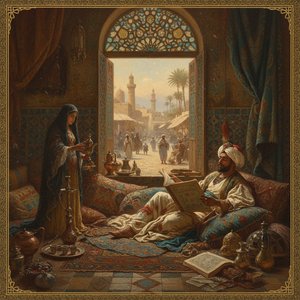
John Frederick Lewis: Orientalism, Detail & Genre Painting in 19th-Century British Art
Explore the captivating Orientalist paintings of John Frederick Lewis! Discover his mastery of detail, genre scenes & influence on 19th-century British art. Learn about his life, techniques & legacy at OriginalUniqueArt.

존 컨스터블 대표작 25선: 영국 풍경화의 거장, 자연과 감성을 담은 명화 컬렉션 | OriginalUniqueArt
존 컨스터블 대표작 25선을 만나보세요. 영국 풍경화 거장의 자연주의 회화, 데담 밸리의 아름다움과 헤이 웨인의 정취를 담은 명화를 감상하세요. OriginalUniqueArt에서 고품질 예술 작품 복제본을 소장하고 특별한 인테리어를 완성해보세요. 지금 바로 컬렉션을 탐험하세요!

존 싱어 사전트의 걸작 25선: 빛과 우아함으로 완성된 예술 세계 | OriginalUniqueArt
존 싱어 사전트의 대표작 25선을 만나보세요. 인상주의 초상화부터 빛과 색채가 아름다운 유화까지, 그의 예술 세계를 탐험하고 OriginalUniqueArt에서 고품질 아트 프린트로 거실 장식을 완성하세요. 지금 온라인 컬렉션을 확인하세요!