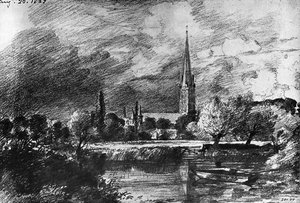
미리보기
미리보기
 공유하기
공유하기 공유하기
공유하기
 상세 정보
상세 정보

 다운로드
다운로드
 유사 작품
유사 작품 X-레이
X-레이 슬라이드 쇼
 통계 정보
통계 정보Arundel Mill and Castle


 더 보기
더 보기
지클레 / 아트 프린트
빠른 제작과 다양한 마감 옵션을 제공하는 박물관 품질의 지클레이 또는 캔버스 프린트. ( 손으로 그린 그림 구매 디지털 이미지로 전환)




P118B $10

P118H $10

P118W $10

P438Z $10

P508JH $12

P508YH $12

P805H $10

P805Z $10

P919BZ $10

P919G $10

P919XJ $10

P959ZH $10

P968JZ $12

W106C $8

W218G $10

W218JH $8

W218Y $10

W307PJ $10

W316G $10

W316PJ $8

W316Y $10

W398PJ $8

W4111J $10

W500HY $15

W500JH $15

W692G $12

W849H $8

W940BG $15

W953PJ $8




작품의 원본 비율을 유지하는 미리 설정된 크기 중에서 선택하세요.

특정 프레임이나 공간에 맞춰 직접 치수를 입력하실 수 있습니다. 선택하신 사이즈가 원본 이미지의 비율과 일치하지 않을 경우, 작품을 크롭(자르기)하거나 이미지를 대칭 또는 단색 채우기로 확장하여 제작합니다. 제작 시작 전, 최종 확인을 위해 디지털 목업이 전송됩니다.
화면상의 미리보기는 실제 크롭이나 확장 상태를 반영하지 않으므로, 최종 구도는 오직 목업을 통해서만 정확하게 확인하실 수 있습니다.
맞춤 사이즈 제작도 가능하지만, 원본 비율을 유지하기 위해서는 사전 정의된 목록에서 치수를 선택하시는 것을 권장합니다.


 유리 옵션은 110cm 미만 크기에서만 선택 가능합니다.

Arundel Mill and Castle
지클레 / 아트 프린트
복제본 크기
-


최종 결제 금액
$ 80
A Masterpiece of Romantic Landscape: Unveiling Arundel Mill and Castle
John Constable’s “Arundel Mill and Castle” (1837) is a poignant culmination of his lifelong dedication to capturing the beauty and emotional resonance of the English countryside. Completed in the year of his death, this painting offers a serene yet melancholic view of rural Sussex, embodying the core tenets of Romanticism. It’s a work that speaks to both the grandeur of history and the quiet dignity of nature's passage.Subject & Composition: A Scene of Rural Life
The composition is anchored by a substantial brick mill building – weathered and worn, yet steadfast – situated on the banks of the River Arun. This working structure grounds the scene in everyday life, while in the distance, *Arundel Castle* rises majestically atop a hill, partially veiled by atmospheric clouds. The foreground features a muddy riverbank populated with trees, notably a gnarled tree trunk that adds texture and visual interest. Several figures are subtly integrated into the landscape: one reclining languidly in the mud, another standing near the water’s edge, inviting contemplation of their place within this expansive scene.Style & Technique: Constable's Signature Brushwork
Constable’s style is immediately recognizable for its expressive and loose brushwork. He eschewed the highly finished surfaces favored by many of his contemporaries, opting instead for a more *impressionistic* approach that prioritized capturing light, atmosphere, and emotional feeling. The painting is executed in oil paint with broad, visible strokes, creating a rich texture that conveys a sense of age and roughness. His technique emphasizes observation from nature, imbuing the landscape with authenticity and vitality.Historical Context: A Late Work & Lasting Legacy
“Arundel Mill and Castle” holds particular significance as one of Constable’s final works. He began it in 1836 but set it aside to complete another commission, returning to it in 1837 before his untimely death. His friend, Charles Robert Leslie, deemed the painting sufficiently finished for posthumous exhibition at the Royal Academy that same year. This work reflects Constable’s enduring fascination with mills – structures he associated with both industry and the picturesque beauty of the countryside. It also demonstrates his continued exploration of themes present throughout his career, such as the interplay between nature and human activity.Symbolism & Emotional Impact: Nostalgia & Contemplation
The painting evokes a sense of quiet contemplation and perhaps even nostalgia. The weathered mill and distant castle hint at the passage of time and the enduring presence of history. The overcast sky and muted color palette – dominated by browns, greys, and ochres – contribute to a somber mood. Yet, within this melancholy lies a profound beauty, inviting viewers to reflect on their own connection to nature and the past. The figures in the landscape seem lost in thought, mirroring the introspective quality of the painting itself.Influence & Appreciation
Constable’s work had a significant impact on subsequent generations of artists, particularly in France where he profoundly influenced the Barbizon School painters. “Arundel Mill and Castle” exemplifies his unique vision and continues to resonate with audiences today. It is currently housed at the Toledo Museum of Art, offering art lovers a chance to experience this masterpiece firsthand or through high-quality reproductions – perfect for adding a touch of Romantic elegance to any interior space.작가 약력
존 컨스터블: 영국 풍경 미술의 혁신가
존 컨스터블(John Constable, 1776-1837)은 낭만주의 시대 영국 미술을 대표하는 풍경화가로, 그의 작품은 단순한 자연 묘사를 넘어 깊은 감정과 서정적인 아름다움을 담아내며 영국 풍경 미술의 지평을 넓혔습니다. 그는 1776년 서퍽 주 이스트베르골트에서 부유한 곡물 상인의 아들로 태어났으며, 어린 시절부터 스토우 강변과 주변 농촌 지역에서 자연 속에서 성장하며 깊은 애착을 갖게 되었습니다. 아버지의 사업을 이어받을 운명이었지만, 예술에 대한 열정은 그를 그림이라는 길로 이끌었고, 지역 후원자들의 격려와 조지 험프리(George Humphrey) 같은 미술가와의 교류는 그의 예술적 성장에 큰 영향을 미쳤습니다. 초기에는 전통적인 회화 기법을 익히며 정진했지만, 곧 그는 아카데미의 권위를 벗어나 자신만의 독창적인 풍경 표현 방식을 모색하기 시작했습니다.자연에 대한 진실된 묘사: 새로운 비전의 탄생
컨스터블은 당시 유행하던 이상화되고 연출된 풍경화에서 벗어나, 자연을 있는 그대로 진솔하게 담아내고자 했습니다. 그는 역사적 장면이나 신화 속 이야기를 그리는 대신, 자신이 익숙한 농촌 풍경에 집중하며 평범한 일상과 자연의 세밀한 디테일을 포착했습니다. 이러한 그의 시도는 당시 미술계로부터 다소 낯설게 여겨졌지만, 그는 흔들리지 않고 자신의 예술적 신념을 지켰습니다. 특히 그는 야외에서 직접 그림을 그리는 *플랭 에어(plein air)* 기법을 적극적으로 활용하여 자연광과 대기의 변화를 생생하게 표현했습니다. 이는 이전까지 영국 풍경 미술에서는 찾아보기 어려웠던 혁신적인 시도였으며, 그의 작품에 즉각성과 활력을 불어넣었습니다. 두껍게 덧칠하는 임파스토 기법을 사용하여 질감을 살리고, 자유로운 붓놀림으로 자연의 역동성을 표현하며 자신만의 독특한 화풍을 구축했습니다.대표작과 예술적 성취
컨스터블의 대표작 중 하나인낭만주의 미술에 미친 영향과 유산
컨스터블은 생전에는 큰 상업적 성공을 거두지 못했지만, 그의 작품은 프랑스에서 높은 평가를 받았으며 바비종파(Barbizon School) 화가들에게 깊은 영향을 미쳤습니다. 바비종파는 컨스터블처럼 야외에서 직접 자연을 관찰하며 그림을 그리는 것을 중시했으며, 그의 사실적이고 감성적인 풍경 표현 방식에 큰 영감을 받았습니다. 또한 그는 인상주의 화가들에게도 간접적으로 영향을 미쳐, 빛과 대기의 변화를 포착하는 데 중요한 선구자 역할을 했습니다. 컨스터블은 평범한 자연 속에서 아름다움을 발견하고, 자신의 감정을 솔직하게 표현함으로써 영국 풍경 미술의 새로운 지평을 열었습니다. 그의 작품은 오늘날에도 많은 사람들에게 깊은 감동과 영감을 주며, 낭만주의 시대 미술의 중요한 유산으로 남아 있습니다. 그는 단순한 풍경화가를 넘어, 자연과의 교감과 인간의 내면세계를 탐구하는 예술가로서 기억되고 있습니다.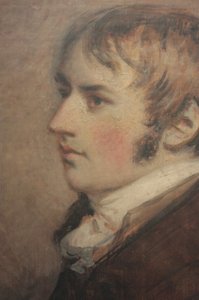
존 컨스터블
1776 - 1837 , 영국
주요 정보
- 국적: 영국인
- 대표 작품:
- 더 헤이 웨인
- 해들리 성
- 솔즈베리 대성당
- 네틀리 수도원
- 사망일: 1837년 3월 31일
- 영향을 받은 예술 사조: ['바비종파']
- 영향을 준 예술가:
- 클로드 로렌
- 야코브 루이스다엘
- 예술 사조: 낭만주의
- 전체 이름: 존 컨스터블
- 출생일: 1776년 6월 11일
- 출생지: 이스트 버홀트, 영국
관련 기사 더 보기

Capturing the English Landscape: The Timeless Mastery and Romantic Legacy of John Constable
Explore the profound legacy of John Constable. Discover how his mastery of light, atmosphere, and the English landscape redefined Romanticism through timeless, museum-quality oil reproductions for discerning collectors.

낭만 풍경화의 황홀! 예술사에 빛난 10대 걸작 탐구 | 와후아트
낭만주의 시대, 예술혼을 불태운 10대 풍경화 걸작! 터너부터 프리드리히까지, 시대를 초월하는 아름다움을 와후아트에서 만나보세요. 고흐의 색채와 코로의 섬세함이 당신의 공간에 영감을 더합니다. 지금 바로 와후아트에서 명품 미술 작품을 감상하고 구매하세요!
John Constable: Nature, Light & the Romantic Vision of Rural England
Explore the life & art of John Constable, the Romantic painter who revolutionized landscape with emotive scenes of rural England. Discover his techniques, legacy, and key works – perfect for collectors & enthusiasts.

존 싱어 사전트의 걸작 25선: 빛과 우아함으로 완성된 예술 세계 | OriginalUniqueArt
존 싱어 사전트의 대표작 25선을 만나보세요. 인상주의 초상화부터 빛과 색채가 아름다운 유화까지, 그의 예술 세계를 탐험하고 OriginalUniqueArt에서 고품질 아트 프린트로 거실 장식을 완성하세요. 지금 온라인 컬렉션을 확인하세요!

존 컨스터블 대표작 25선: 영국 풍경화의 거장, 자연과 감성을 담은 명화 컬렉션 | OriginalUniqueArt
존 컨스터블 대표작 25선을 만나보세요. 영국 풍경화 거장의 자연주의 회화, 데담 밸리의 아름다움과 헤이 웨인의 정취를 담은 명화를 감상하세요. OriginalUniqueArt에서 고품질 예술 작품 복제본을 소장하고 특별한 인테리어를 완성해보세요. 지금 바로 컬렉션을 탐험하세요!