

 실제 크기로 보기
 보내기
보내기 공유하기
공유하기
 상세 보기
상세 보기 가이드 보기

 이미지 다운로드
 유사 작품 더 보기
 X-레이
X-레이 슬라이드 쇼 보기
 통계 정보
통계 정보Steam Locomotive CP 003


 상세 보기
상세 보기
핸드메이드 유화 복제화
작가가 직접 캔버스에 손으로 그린 유화 작품으로, 원하는 크기와 액자로 맞춤 제작해 드립니다. ( 프린트 판매로 전환 디지털 이미지 판매 채널로 전환)




































작품의 원본 비율을 그대로 유지하는 프리셋 사이즈 중에서 선택해 보세요.

특정 프레임이나 공간에 맞춰 원하는 크기를 직접 입력하실 수 있습니다. 선택하신 크기가 원본 이미지의 비율과 일치하지 않을 경우, 작품을 자르거나 추가적인 수작업 요소를 더해 그림을 확장하여 제작합니다. 제작 시작 전, 최종 확인을 위해 디지털 목업을 보내드립니다.
화면상의 미리 보기는 실제 크롭(자르기)이나 확장된 상태를 완벽히 반영하지 않을 수 있습니다. 최종 구도는 오직 목업을 통해서만 정확하게 확인하실 수 있습니다.
맞춤 크기 제작도 가능하지만, 원본의 비율을 그대로 유지하기 위해서는 미리 정의된 목록에서 크기를 선택하시는 것을 권장합니다.
주문 완료 후 OriginalUniqueArt.com 팀에서 상세 안내를 위해 고객님께 이메일을 보내드리며, 미리보기 시안을 함께 제공해 드립니다.


 유리 옵션은 110cm 미만 크기에서만 선택 가능합니다.

Steam Locomotive CP 003
재현 매체
복제본 규격
-


총 결제 금액
$ 300
작가 소개
John Cockerill (1790-1840): Pioneer of Belgian Industry
John Cockerill (August 3, 1790 – June 9, 1840) was a pivotal figure in the industrial revolution, renowned as an English-born industrialist who significantly shaped the landscape of Belgian industry. His legacy extends beyond mere business acumen; he pioneered advancements in steam engine technology and railway development, leaving an indelible mark on 19th-century engineering.
Early Life and Family Legacy
Born in Haslingden, Lancashire, England, John Cockerill's destiny was intertwined with his father, William Cockerill, a visionary British entrepreneur who had established himself as a prominent builder of wool-processing machinery in the Liège region of Belgium. William recognized the potential for industrial growth and brought young John to Verviers, Belgium, around 1802. This relocation proved crucial, immersing John in a world of mechanical innovation from an early age. The Cockerill family tradition focused on improving textile production through innovative machinery, laying the groundwork for John's future endeavors.
Rise as an Industrialist and Technological Innovation
Following his father’s retirement in 1813, John, alongside his brother Charles James Cockerill, assumed management of the family business. A key moment arrived in 1817 when they established the ironworks named "John Cockerill & Cie." (later Societe Anonyme Cockerill-Ougree). This marked a significant expansion beyond textile machinery into broader industrial production. The Seraing factory became a vertically integrated powerhouse, encompassing iron foundries and machine manufacturing. Under John's leadership, the company embraced cutting-edge technologies:
- Steam Engines: Cockerill’s factories produced a wide range of steam engines, including air-blowers, traction engines, and those for maritime use, significantly contributing to industrial power generation.
- Steel Production: The introduction of coke-fired blast furnaces in 1826 demonstrated Cockerill's commitment to modern steelmaking techniques.
- Railway Technology: A landmark achievement was the construction of "Le Belge" (The Belgian), Belgium’s first steam locomotive, in 1835, solidifying Cockerill’s role as a pioneer in railway technology.
Challenges and Legacy
Despite his remarkable achievements, John Cockerill's career faced significant challenges. Economic instability in the late 1830s, triggered by tensions between Belgium and the Netherlands, led to bankruptcy for his company in 1839. He embarked on a desperate mission to secure funding from Russia, but contracted typhoid fever and died in Warsaw in 1840 at the age of 49.
Despite this tragic end, Cockerill’s legacy endured. He was widely recognized as a humanitarian employer and the founder of Belgian manufacturing industry. His company continued to evolve through various mergers and acquisitions, with the Cockerill name remaining associated with engineering excellence for many years. A monument in Brussels commemorates his contributions to Belgium's industrial heritage, ensuring that John Cockerill’s pioneering spirit continues to inspire generations.

John Cockerill
1790 - 1840 , United Kingdom
작가 정보 요약
- Date Of Birth: August 3, 1790
- Date Of Death: June 9, 1840
- Full Name: John Cockerill
- Nationality: British, later Belgian
- Notable Artworks: ['Steam Locomotive CP 003']
- Place Of Birth (City And Country): Haslingden, United Kingdom
관련 기사
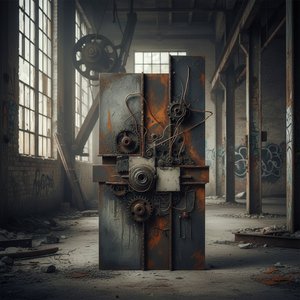
The Gritty Muse: Industrial Vibe as Defining Aesthetic in Modern Artwork
Explore the captivating world of industrial aesthetics in modern art. Discover key movements, influential artists & collecting insights at OriginalUniqueArt.com – your source for museum-quality reproductions and expert art guidance.

존 싱어 사전트의 걸작 25선: 빛과 우아함으로 완성된 예술 세계 | OriginalUniqueArt
존 싱어 사전트의 대표작 25선을 만나보세요. 인상주의 초상화부터 빛과 색채가 아름다운 유화까지, 그의 예술 세계를 탐험하고 OriginalUniqueArt에서 고품질 아트 프린트로 거실 장식을 완성하세요. 지금 온라인 컬렉션을 확인하세요!
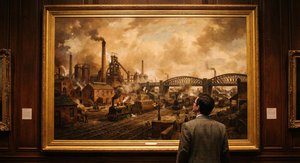
Industrial Revolution on Canvas: 10 Artworks That Define a Modern Aesthetic
Explore 10 iconic artworks capturing the Industrial Revolution’s grit & beauty. From Monet to Manet, discover realism, impressionism & powerful scenes of urban life. Find museum-quality reproductions for your home at OriginalUniqueArt.com.

Capturing the Steam & Steel: Impressionist Visions of the Industrial Age
Explore the breathtaking intersection of industry and art. Discover how Impressionist masters captured the ethereal beauty of steam, steel, and light during the Industrial Age through evocative oil paintings and timeless techniques.

존 컨스터블 대표작 25선: 영국 풍경화의 거장, 자연과 감성을 담은 명화 컬렉션 | OriginalUniqueArt
존 컨스터블 대표작 25선을 만나보세요. 영국 풍경화 거장의 자연주의 회화, 데담 밸리의 아름다움과 헤이 웨인의 정취를 담은 명화를 감상하세요. OriginalUniqueArt에서 고품질 예술 작품 복제본을 소장하고 특별한 인테리어를 완성해보세요. 지금 바로 컬렉션을 탐험하세요!