프린트 판매로 전환
 더 보기
더 보기







































 가로 또는 세로 중 어느 한 면이라도 105cm(약 41인치)를 초과하는 작품이나 복제화의 경우, 프레임은 분해된 키트 형태로 배송됩니다. 이는 안전한 배송을 보장하고 운송 중 발생할 수 있는 손상을 방지하기 위함입니다.


Fancy That: A Monumental Embrace of Assemblage
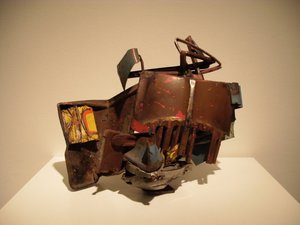
John Angus Chamberlain’s sculpture “Fancy That,” created around 1963, stands as an arresting testament to the transformative power of repurposing industrial detritus into profound artistic expression. More than just a collection of crushed automobile parts welded together—a technique pioneered by Chamberlain himself—it embodies the spirit of Neo-Dada and pushes against conventional sculptural conventions.
The artwork’s genesis lies in Chamberlain's fascination with Marcel Duchamp’s conceptual challenge to art itself: the readymade. Recognizing that an ordinary object, devoid of artistic intention beyond its inherent materiality, could provoke contemplation about art’s role in society, Chamberlain adopted this radical approach. He began by meticulously crushing old automobile chassis—primarily from Ford Mustangs—creating a textured surface that speaks volumes about American automotive history and the pervasive influence of industrial culture.
- Material Exploration: Chamberlain's masterful manipulation of steel and aluminum demonstrates an unwavering commitment to experimentation. The crushed metal fragments aren’t merely glued together; they are welded with painstaking precision, resulting in a robust structure that defies gravity and challenges viewers to reconsider notions of form and space.
- Neo-Dada Influence: Chamberlain's work aligns seamlessly with the Neo-Dada movement, which emerged in the wake of World War II as artists rejected traditional artistic standards and embraced chance, appropriation, and a preoccupation with everyday objects. “Fancy That” embodies this ethos by elevating discarded materials to the realm of art.
- Texture and Surface Detail: The sculpture’s surface is characterized by an extraordinary range of textures—smooth welds juxtaposed against rough crushed metal—creating a dynamic interplay between visual elements that invites tactile engagement. This deliberate layering of surfaces contributes significantly to the artwork's emotional impact, conveying both fragility and resilience.
Beyond its formal innovations, “Fancy That” carries symbolic weight. The automobile itself represents mobility, progress, and the relentless march of technological advancement—themes that resonate powerfully within Chamberlain’s broader artistic vision. However, by transforming these symbols into sculptural form, he disrupts their conventional meanings, prompting viewers to confront questions about consumer culture and the relationship between art and reality.
Ultimately, “Fancy That” transcends mere visual spectacle; it compels us to contemplate the transformative potential of repurposing discarded objects and redefining artistic boundaries. It remains a cornerstone of Chamberlain’s oeuvre and an enduring emblem of Neo-Dada's legacy—a sculpture that continues to inspire awe and provoke intellectual curiosity decades after its creation.
질의응답
"Fancy" 프린트의 권장 용도는 무엇인가요?
"Fancy" 프린트의 권장 용도는 포인트 색상입니다.
John Angus Chamberlain의 "Fancy"의 휘도는 어느 정도인가요?
John Angus Chamberlain의 "Fancy"의 휘도는 밝은 균형감입니다. 휘도는 색상이 빛을 얼마나 반사하는지를 나타냅니다.
"Fancy"은(는) 어떤 내용을 담고 있나요?
John Angus Chamberlain의 "Fancy"에 나타난 주제로는 sculpture, assemblage, automobile parts, abstraction, metal sculpture, john angus chamberlain, neo-dada art 등이 있습니다. 이들은 모여 작품의 소재를 요약해 보여줍니다.
이 작품에 대해 더 알아보기
 공유하기
공유하기 공유하기
공유하기
 상세 정보
상세 정보 가이드 보기

 다운로드
다운로드
 유사 작품 더 보기
 슬라이드 쇼 보기
 질의응답
질의응답 통계 정보
통계 정보