

 미리보기
미리보기
 공유하기
공유하기 공유하기
공유하기
 상세 정보
상세 정보

 다운로드
다운로드
 유사 작품
유사 작품 X-레이
X-레이 슬라이드 쇼
 통계 정보
통계 정보예술의 기법
 캔버스에 유채
- 월아트
- Dutch Baroque
 1665
1665- 근세 초기
 120.0 x 100.0 cm
 쿤스트히스토리스체 박물관
 더 보기
더 보기
지클레 / 아트 프린트
빠른 제작과 다양한 마감 옵션을 제공하는 박물관 품질의 지클레이 또는 캔버스 프린트. ( 손으로 그린 그림 구매 디지털 이미지로 전환)




P118B $10

P118H $10

P118W $10

P438Z $10

P508JH $12

P508YH $12

P805H $10

P805Z $10

P919BZ $10

P919G $10

P919XJ $10

P959ZH $10

P968JZ $12

W106C $8

W218G $10

W218JH $8

W218Y $10

W307PJ $10

W316G $10

W316PJ $8

W316Y $10

W398PJ $8

W4111J $10

W500HY $15

W500JH $15

W692G $12

W849H $8

W940BG $15

W953PJ $8




작품의 원본 비율을 유지하는 미리 설정된 크기 중에서 선택하세요.

특정 프레임이나 공간에 맞춰 직접 치수를 입력하실 수 있습니다. 선택하신 사이즈가 원본 이미지의 비율과 일치하지 않을 경우, 작품을 크롭(자르기)하거나 이미지를 대칭 또는 단색 채우기로 확장하여 제작합니다. 제작 시작 전, 최종 확인을 위해 디지털 목업이 전송됩니다.
화면상의 미리보기는 실제 크롭이나 확장 상태를 반영하지 않으므로, 최종 구도는 오직 목업을 통해서만 정확하게 확인하실 수 있습니다.
맞춤 사이즈 제작도 가능하지만, 원본 비율을 유지하기 위해서는 사전 정의된 목록에서 치수를 선택하시는 것을 권장합니다.


 유리 옵션은 110cm 미만 크기에서만 선택 가능합니다.

예술의 기법
지클레 / 아트 프린트
복제본 크기
-


최종 결제 금액
$ 80
Johannes Vermeer: The Silent Symphony of Light
Johannes Vermeer (1632-1675), a name synonymous with the quiet intimacy of 17th-century Dutch life, remains an enigma despite centuries of scholarly investigation. Born in Delft in October 1632, his existence unfolded against the backdrop of the Dutch Golden Age—a period of unprecedented prosperity, artistic innovation, and burgeoning civic pride. His father, Reijnier Janszoon, was a silk weaver and art dealer, a combination that subtly shaped young Johannes’s path. Exposure to both the tactile world of craftsmanship and the discerning eye of the art market instilled in him an understanding of materials, composition, and the delicate dance between creation and commerce. This early immersion wasn't merely observational; it provided a foundation upon which Vermeer would build his own unique artistic vision. He wasn’t born into privilege, but rather into a world where artistry was interwoven with everyday practicality, a sensibility that would profoundly influence his oeuvre.- A Life Bathed in Northern Light: Vermeer's life was marked by relative obscurity compared to many of his contemporaries—a fact that has fueled speculation about his personal life and artistic motivations. Despite his father’s success as an art dealer, Vermeer himself struggled financially throughout his career, primarily focusing on painting rather than pursuing lucrative commercial ventures.
- Early Influences: Vermeer's formative years were spent in Antwerp, where he absorbed the vibrant artistic traditions of Flemish Baroque. His father’s profession exposed him to the world of art dealing and fostered an appreciation for craftsmanship—skills that would prove invaluable as he honed his own artistic technique.
The Art of Painting: Vermeer's Masterpiece
“The Art of Painting,” also known as “Painter in His Studio,” stands as Vermeer’s most ambitious undertaking, a testament to his mastery of illusionistic painting and his profound engagement with the intellectual currents of his time. Executed around 1665-66, this monumental canvas—measuring approximately 130 cm by 110 cm—captures an artist diligently working at his easel alongside a young woman posing as his model. The scene is set against the backdrop of a richly decorated interior featuring a large map of the Low Countries and illuminated by soft, diffused light—a hallmark of Vermeer’s distinctive style.- Composition & Perspective: Vermeer skillfully employs linear perspective to create a convincing illusion of depth within the confined space of the studio. The artist's gaze directs the viewer's eye across the canvas, establishing a dynamic yet balanced visual experience.
- Light & Shadow (Chiaroscuro): Vermeer’s masterful manipulation of light and shadow—a technique known as chiaroscuro—transforms the painting into an emotional landscape. Light emanates from an unseen window, casting dramatic shadows that sculpt the figures and heighten the sense of realism.
Style & Technique: Vermeer's Signature Touch
Vermeer’s artistic style is characterized by its meticulous attention to detail and its unwavering commitment to capturing the subtle nuances of human emotion. He achieved this remarkable feat through painstaking brushwork—a technique that involved layering thin glazes of paint over multiple coats to build up luminous surfaces and create a velvety texture. Vermeer's palette favored earthy tones—browns, greens, and blacks—accentuated with splashes of color—primarily reds, blues, and golds—to evoke warmth and intimacy.- Material Considerations: Vermeer utilized oil paints mixed with linseed oil on canvas—a standard practice for artists during the Dutch Golden Age. The artist’s meticulous layering technique ensured that every surface shimmered with reflected light, enhancing the painting's visual impact.
- Symbolism & Allegory: Scholars believe “The Art of Painting” is an allegory of artistic endeavor—reflecting Vermeer’s own intellectual curiosity and his fascination with the principles of classical art. The map on the wall symbolizes the artist’s engagement with knowledge and exploration, while the woman poses as Clio, the Muse of History—representing the pursuit of truth and beauty through observation and contemplation.
Historical Context: Vermeer's Place in Dutch Art History
“The Art of Painting” emerged during the apex of the Dutch Golden Age—a period of unparalleled artistic flourishing fueled by economic prosperity and intellectual dynamism. Vermeer’s work stands apart from many of his contemporaries due to its quiet contemplation and its focus on domestic interiors—themes that resonated deeply with the sensibilities of the era. Despite facing financial difficulties throughout his life, Vermeer achieved lasting renown as one of the greatest painters of his time—a legacy cemented by the enduring beauty and psychological depth of “The Art of Painting.”- Influence & Legacy: Vermeer’s innovative use of light and color profoundly impacted subsequent generations of artists—inspiring painters to explore similar techniques and themes.
- Rediscovery & Recognition: After decades of obscurity, Vermeer's work was rediscovered in 1868 by Thoré-Bürger—who famously declared it “the most interesting” among all Vermeer’s paintings. Today, “The Art of Painting” is housed in the Kunsthistorisches Museum in Vienna—a testament to its enduring artistic significance.
Conclusion: An Eternal Reflection on Creativity
“The Art of Painting” remains a captivating enigma—a masterpiece that continues to inspire art lovers and collectors alike. Its luminous surfaces, masterful composition, and subtle symbolism encapsulate the essence of Vermeer’s artistic vision—a vision rooted in observation, contemplation, and an unwavering belief in the transformative power of beauty. It is a painting that invites viewers to pause, reflect, and consider the profound questions posed by the pursuit of creative expression.작가 약력
델프트의 수수께끼, 요하네스 페르메이르: 빛으로 그려낸 일상
17세기 네덜란드 황금시대, 델프트라는 작은 도시에서 태어난 요하네스 페르메이르는 오늘날 ‘빛의 마에스트로’라 불리는 화가입니다. 그의 삶은 다소 베일에 싸여 있지만, 남아있는 작품들은 평범한 일상의 순간들을 놀라운 섬세함과 빛의 표현으로 담아내며 시대를 초월하는 아름다움을 선사합니다. 페르메이르는 1632년 델프트에서 태어났으며, 그의 아버지는 실크 직조공이자 미술품 거래인이었습니다. 이러한 환경은 젊은 요하네스에게 예술과 상업의 세계를 동시에 경험하게 해주었고, 이는 이후 그의 작품 세계에 깊은 영향을 미쳤습니다. 그는 초기에는 역사화와 신화화를 그렸지만, 곧 평범한 사람들의 일상을 담은 장르 회화에 몰두하며 자신만의 독특한 스타일을 구축해 나갔습니다. 1653년 Catharina Bolnes와 결혼하면서 가톨릭으로 개종했으며, 이후 그의 삶은 가족과의 관계 속에서 예술 활동과 함께 이어졌습니다.일상의 신비: 페르메이르 회화의 특징
페르메이르의 그림들은 특별한 사건이나 극적인 이야기가 아닌, 평범한 일상을 담고 있다는 점에서 독특합니다. 한 여인이 편지를 읽거나, 우유를 따르는 소녀, 진주를 달아 놓은 여성 등 그의 작품 속 인물들은 단순한 배경 없이 화면 중앙에 위치하며 관람객과 시선을 마주합니다. 이러한 구도는 마치 정물화처럼 고요하고 차분한 분위기를 자아내며, 페르메이르 회화의 가장 큰 특징 중 하나입니다. 하지만 그가 담아낸 평범함은 결코 단순하지 않습니다. 그는 빛을 이용하여 인물의 표정과 사물을 묘사하는 데 탁월한 능력을 발휘했습니다. 창문을 통해 들어오는 부드러운 햇빛, 반사되는 물체의 광택, 그림자 속의 섬세한 색채 변화 등 페르메이르는 빛을 단순한 조명이 아닌, 감정을 표현하고 공간감을 형성하는 중요한 요소로 활용했습니다. 또한 그는 원근법과 구도에도 뛰어난 이해도를 보였습니다. 그의 그림들은 마치 카메라처럼 정확한 시점을 포착하며, 인물과 배경의 균형을 통해 안정적인 화면을 구성합니다.카메라 옵스쿠라와 페르메이르의 빛: 과학적 접근과 예술적 감성
페르메이르가 빛을 표현하는 데 사용했던 기술에 대한 논쟁은 끊이지 않고 있습니다. 일부 학자들은 그가 카메라 옵스쿠라라는 광학 기기를 사용하여 그림을 그렸다고 주장합니다. 카메라 옵스쿠라는 렌즈를 통해 외부의 모습을 반전된 형태로 투사하여 보여주는 장치로, 페르메이르는 이를 활용하여 정확한 원근법과 빛의 표현을 구현했을 가능성이 있습니다. 하지만 그의 작품에는 단순히 기계적인 복제가 아닌, 예술가의 섬세한 감성과 해석이 담겨있습니다. 그는 카메라 옵스쿠라가 제공하는 이미지를 바탕으로 자신만의 독창적인 스타일을 창조해냈으며, 이를 통해 평범한 일상 속에서도 신비롭고 아름다운 순간들을 포착했습니다. 페르메이르는 또한 색채에도 뛰어난 감각을 지녔습니다. 그는 값비싼 안료인 Ultramarine(천청색)을 아낌없이 사용하여 그림에 깊이와 생동감을 더했습니다. 특히 여성의 옷이나 배경에 사용된 Ultramarine는 그의 작품에서 중요한 역할을 하며, 보는 이로 하여금 잊을 수 없는 인상을 남깁니다.잊혀진 천재, 재발견과 영원한 유산
페르메이르는 생전에 큰 명성을 얻지 못했습니다. 그는 비교적 적은 수의 작품만을 남겼으며, 그의 그림들은 당시에는 그다지 높은 평가를 받지 못했습니다. 1675년 갑작스러운 죽음 이후, 페르메이르는 오랫동안 잊혀진 화가로 남아 있었습니다. 그러나 19세기 프랑스 미술 평론가 Théophile Thoré-Bürger에 의해 그의 작품이 재발견되면서, 비로소 페르메이르의 진가가 세상에 알려지기 시작했습니다. 이후 그의 그림들은 전 세계 주요 미술관에 소장되었으며, 수많은 사람들에게 감동과 영감을 선사하고 있습니다. 특히 ‘진주 귀걸이를 한 소녀’는 페르메이르를 대표하는 작품으로 널리 알려져 있으며, 현대 대중문화에서도 끊임없이 재해석되고 있습니다. 오늘날 페르메이르는 네덜란드 황금시대의 가장 중요한 화가 중 한 명으로 인정받고 있으며, 그의 작품은 빛과 색채의 마법을 통해 시대를 초월하는 아름다움을 보여줍니다. 그는 평범한 일상 속에서 특별함을 발견하고, 이를 섬세하고 감성적인 방식으로 표현해낸 진정한 예술가였습니다.페르메이르의 영향: 후대 화가들에게 영감을 불어넣다
페르메이르의 작품은 후대 화가들에게 지대한 영향을 미쳤습니다. 그의 빛에 대한 탐구와 섬세한 묘사는 인상주의 화가들에게 큰 영감을 주었으며, 특히 에드가 드가와 클로드 모네는 페르메이르의 그림에서 많은 영감을 얻었다고 알려져 있습니다. 또한 현대 미술에서도 페르메이르의 작품은 끊임없이 재해석되고 있으며, 그의 영향력은 다양한 분야로 확장되고 있습니다. 그는 단순한 회화가가 아닌, 빛과 색채를 통해 인간의 감성을 자극하고 시대를 초월하는 아름다움을 선사하는 예술가로서 영원히 기억될 것입니다.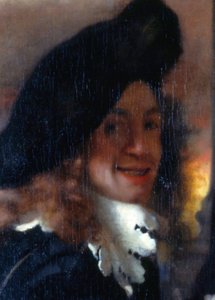
요하네스 페르메이르
1632 - 1675 , 네덜란드
주요 정보
- 국적: 네덜란드
- 대표작:
- 모녀에게 편지를 보내는 남자
- 델프트의 풍경
- 진주 귀걸이를 한 소녀
- 여인과 조개껍데기
- 모유를 먹이는 여인
- 사망일: 1675년 12월
- 영향을 받은 예술가: ['수많은 화가']
- 영향을 준 예술가:
- 피터 드 후흐
- 게라르트 텔르 보르흐
- 예술 사조: 네덜란드 황금 시대 회화
- 전체 이름: 요하네스 페르메이르
- 출생일: 1632년 10월
- 출생지: 델프트, 네덜란드
관련 기사 더 보기

Johannes Vermeer: Light, Intimacy & the Dutch Golden Age – A Comprehensive Exploration
Explore the life, techniques & enduring legacy of Johannes Vermeer, a master of Dutch Golden Age painting. Discover symbolism in his iconic works like 'The Milkmaid' and learn about his revolutionary use of light.

Illuminating Innovation: Exploring the Dutch Golden Age of Painting
Explore the Dutch Golden Age of painting with OriginalUniqueArt. Discover Rembrandt, Vermeer & other Masters. Learn about key characteristics, iconic artworks, and lasting influence. Expert insights for collectors & enthusiasts.

Dutch Baroque Masters: 10 Paintings That Shaped an Era | OriginalUniqueArt
Journey through the Golden Age with our guide to the Top 10 Dutch Baroque masterpieces! Explore iconic paintings by Rembrandt, Vermeer & Frans Hals. Find museum-quality art reproductions and elevate your home decor at OriginalUniqueArt.com.

Golden Age Reflections: Dutch Baroque Painting & Cultural Innovation
Explore the Dutch Golden Age of painting! Discover key artists like Vermeer & ter Borch, their innovative techniques, and the rich cultural context behind these Baroque masterpieces. Learn about collecting & appreciating this iconic art period.

네덜란드 황금 시대 예술의 정수를 담은 10대 걸작 탐구
렘브란트, 베르메르의 걸작부터 할스의 인물화까지! 네덜란드 황금시대 미술의 10대 명품을 만나보세요. 예술적 깊이와 아름다움을 담은 작품들을 OriginalUniqueArt에서 감상하고, 고품질 아트 프린트로 당신의 공간에 특별함을 더하세요. 지금 바로 OriginalUniqueArt.com에서 모든 걸작을 발견하세요!


