

 보내기
보내기 공유하기
공유하기
 상세 보기
상세 보기 가이드 보기

 이미지 다운로드
 유사 작품 더 보기
 슬라이드 쇼 보기
 통계 정보
통계 정보구스타프 3세 왕


 상세 보기
상세 보기
지클레 / 아트 프린트
빠른 제작과 다양한 마감 옵션을 선택할 수 있는 박물관 수준의 지클레이 및 캔버스 프린트. ( 수작업 채색 복제본 주문하기 디지털 이미지 판매 채널로 전환)




































작품의 원본 비율을 그대로 유지하는 프리셋 사이즈 중에서 선택해 보세요.

특정 프레임이나 공간에 맞춰 직접 치수를 입력하실 수 있습니다. 선택하신 사이즈가 원본 이미지의 비율과 일치하지 않을 경우, 작품을 크롭(자르기)하거나 이미지를 대칭 또는 단색 채우기로 확장하여 제작합니다. 제작 시작 전, 최종 확인을 위해 디지털 목업이 전송됩니다.
화면상의 미리보기는 실제 크롭이나 확장 상태를 반영하지 않으므로, 최종 구도는 오직 목업을 통해서만 정확하게 확인하실 수 있습니다.
맞춤 사이즈 제작도 가능하지만, 원본 비율을 유지하기 위해서는 사전 정의된 목록에서 치수를 선택하시는 것을 권장합니다.


 유리 옵션은 110cm 미만 크기에서만 선택 가능합니다.

구스타프 3세 왕
지클레 / 아트 프린트
복제본 규격
-


총 결제 금액
$ 80
킹 스웨덴의 구스타브 세 번째
구스타브 세 번째는 스웨덴 왕국의 역사에서 중요한 인물로 기억됩니다. 그는 뛰어난 예술가이자 정치인이었으며 그의 작품은 스웨덴 문화와 예술에 깊은 영향을 미쳤습니다. 특히 이 조각상은 스웨덴 미술사에서 독특한 위치를 차지하며 구스타브 세 번째의 삶과 업적을 기리는 기념비적인 작품입니다.- 작품 정보: 이 조각상은 플라스틱으로 제작되었으며 스웨덴 왕국의 구스타브 세 번째를 표현하고 있습니다. 조각가 요한 토비아스 세르겔이 제작했으며 1791년에 완성되었습니다. 이 작품은 스웨덴 국립 미술관에 소장되어 있으며 스웨덴 왕가의 역사적 인물들을 기념하는 중요한 예술 작품입니다.
- 조각가 정보: 요한 토비아스 세르겔은 18세기와 19세기에 걸쳐 활약한 스웨덴 조각가로 로코코 시대와 네오클래식 시대를 거치며 뛰어난 예술적 감각과 기술을 선보였습니다. 그는 프랑스에서 교육받고 로마에서 고대 미술에 대한 깊은 이해를 얻으며 조각 기법을 연마했습니다. 세르겔의 작품은 스웨덴 미술사에서 중요한 위치를 차지하며 그의 예술적 재능과 열정을 보여줍니다.
- 작품 스타일 및 기법: 세르겔은 네오클래식 양식을 따랐으며 고대 그리스 조각상을 모방하여 구스타브 세 번째의 인물을 표현했습니다. 그는 플라스틱 재료를 사용하여 정교한 디테일을 살리고 조각 작품의 역동적인 움직임을 포착했습니다. 또한 세르겔은 조각 기법에 대한 뛰어난 이해를 바탕으로 다양한 재료와 기술을 활용하여 작품의 질감을 표현하고 관람객에게 깊은 감동과 영감을 선사했습니다.
- 역사적 배경: 구스타브 세 번째는 스웨덴 왕국의 황금기를 이끌었으며 그의 통치 아래 스웨덴은 문화 예술 분야에서 눈부신 발전을 이루었습니다. 그는 특히 음악가 카를 미셸 벨만과 함께 스웨덴의 문화 예술을 발전시키고 국립 오페라와 국립 극장을 설립하는 등 스웨덴 왕가의 명예를 드높였습니다. 세르겔은 또한 스웨덴 왕가의 역사적 인물들을 기념하고 그의 작품은 스웨덴 미술사에서 중요한 위치를 차지하며 그의 예술적 재능과 열정을 보여줍니다.
- 작품의 의미 및 감동: 세르겔의 조각상은 구스타브 세 번째의 리더십과 영웅적인 면모를 표현하고 있으며 스웨덴 왕가의 역사와 문화를 기리는 기념비적인 작품입니다. 이 작품은 관람객에게 깊은 감동과 영감을 선사하며 예술가 요한 토비아스 세르겔의 뛰어난 예술적 재능과 열정을 보여줍니다.
작가 소개
Johan Tobias Sergel: Sculptor of Emotion and Myth
Johan Tobias Sergel (1740-1814) stands as a pivotal figure in 18th and 19th-century Swedish art, a sculptor whose expressive portraits and dramatic mythological scenes captured the spirit of his time. Born in Stockholm, he rose from humble beginnings to become one of Sweden’s most celebrated artists, leaving behind a legacy that continues to resonate through his powerful works. Sergel's career unfolded during a period of significant artistic transition – moving from the Rococo’s ornate flourishes towards the burgeoning Neoclassical ideals while retaining a distinctly personal and emotionally charged style.
His early training was shaped by a diverse range of influences. Initially apprenticed to Pierre Hubert L’Archevêque, he later benefited from instruction in Paris, absorbing the techniques and aesthetics of the era. Crucially, his time in Rome proved transformative. There, amidst the ruins of antiquity, Sergel immersed himself in classical sculpture, developing a profound understanding of form, anatomy, and narrative. This experience fueled his ambition to create works that not only depicted beauty but also conveyed complex emotions and stories – a hallmark of his later career.
A Life Shaped by Art and Emotion
Sergel’s life was far from solely dedicated to artistic pursuits; it was interwoven with personal drama, melancholy, and a deep connection to the world around him. Born into a family of artists—his father, Christoffer Sergel, was a decorator—he inherited a creative lineage that profoundly shaped his path. However, his early years were marked by financial struggles and a sense of displacement, contributing to a lifelong tendency towards introspection and occasional bouts of despair.
A pivotal moment arrived when he was summoned to Stockholm by King Gustav III, who recognized Sergel’s talent and offered him a position at the Royal Palace. This appointment brought both prestige and responsibility, but also exposed Sergel to the pressures of court life. Despite his success, he struggled with personal demons, experiencing periods of intense sadness and contemplating suicide – a struggle reflected in some of his most poignant works. His relationship with Anna-Rella Hellström, an innkeeper who became his mistress and muse, provided a source of profound joy and inspiration, culminating in the birth of four children. Her untimely death in 1796 marked a devastating blow, leaving Sergel deeply affected for the remainder of his life.
Sculpting Myth and Majesty
Sergel’s artistic output spanned a remarkable range of subjects, encompassing portraits, mythological scenes, historical monuments, and even satirical drawings. His sculptures are characterized by their dramatic intensity, expressive gestures, and meticulous attention to detail. He skillfully employed marble and bronze to capture the essence of his subjects – whether regal figures like King Gustav III or tormented heroes from classical tales.
Among his most celebrated works are the monumental “Diomedes Stealing the Palladium,” a powerful depiction of a legendary hero’s transgression, and “The Muse of History Recording the Deeds of Gustavus Adolphus,” a complex allegorical composition celebrating the achievements of King Gustav II Adolf. His portrait of King Gustav III, later cast in bronze and installed in Stockholm's Sergels torg, remains an iconic representation of the Swedish monarch. Furthermore, his work extended beyond grand monuments; he created intimate portraits that captured the personalities and emotions of his subjects with remarkable sensitivity.
Legacy and Influence
Johan Tobias Sergel’s impact on Swedish art is undeniable. He bridged the gap between Rococo and Neoclassical styles, forging a unique artistic voice characterized by emotional depth and dramatic flair. His sculptures continue to be admired for their technical skill, expressive power, and ability to evoke profound human experiences.
Sergels torg, named in his honor, stands as a testament to his enduring legacy – a public space designed to reflect the spirit of the artist and celebrate Swedish history. His influence can also be seen in the works of subsequent generations of Swedish sculptors, who drew inspiration from his innovative approach to portraying human emotion and mythic narratives. Sergel’s work remains a vital part of Sweden's cultural heritage, offering a window into the artistic sensibilities of a transformative era.
Further Exploration: Plunging into Despair (1795) – A dramatic black & white Romantic drawing showcasing expressive lines and intense emotion. Johan Tobias Sergel - Explore his significant contributions to 18th & 19th century European art.

Johan Tobias Sergel
1740 - 1814 , Sweden
작가 정보 요약
- Artistic Movement Or Style: Neoclassical & Rococo
- Artists Or Movements Influenced By This Artist:
- Gustav III
- Romanticism
- Artists Who Influenced This Artist:
- Pierre Hubert Larchevêsque
- Thomas Rowlandson
- Date Of Birth: September 7, 1740
- Date Of Death: February 26, 1814
- Full Name: Johan Tobias Sergel
- Nationality: Swedish
- Notable Artworks:
- Plunging into Despair
- Diomedes Stealing Palladium
- Muse of History Recording Deeds
- Place Of Birth: Stockholm, Sweden
관련 기사

The Enduring Form: Exploring Themes & Techniques in Sculpture Across Historical Periods
Explore the rich history of sculpture from ancient masterpieces to contemporary innovations. Discover key techniques, influential artists & investment potential for discerning art collectors.

Bronze Age to Modern Masters: 10 Sculptures That Redefined Art | OriginalUniqueArt
Journey through art history with 10 legendary bronze sculptures – from Michelangelo's David to Rodin’s Thinker. Explore the stories, techniques & timeless beauty of these masterpieces. Find museum-quality reproductions & elevate your home decor on OriginalUniqueArt.com.

The Enduring Form: Sculpture Across History, Technique & Emotional Resonance
Explore the rich history of sculpture with OriginalUniqueArt. Discover key techniques, influential artists & investment potential for discerning collectors. Expert insights into valuing and collecting timeless masterpieces.
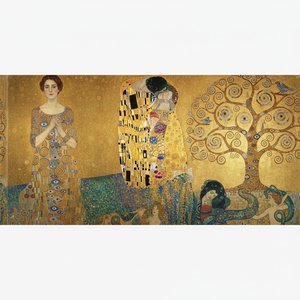
구스타프 클림트 명작 25선: 황금빛 예술의 정수, 당신의 공간에 영감을 불어넣다
구스타프 클림트의 황홀한 명작 25선을 만나보세요. '키스'부터 '주디트'까지, 빈 분리주의를 대표하는 예술가의 삶과 작품 세계를 탐험합니다. 오스트리아 화가 클림트의 걸작으로 공간에 특별한 감성을 더하세요. OriginalUniqueArt.com에서 고품질 유화 복제를 만나보세요.

Bronze Sculptures That Defined Art History | OriginalUniqueArt
Journey through art history with our Top 10 bronze sculptures! Explore masterpieces by Rodin, Michelangelo & more. Discover stories behind iconic statues and find museum-quality reproductions for your home decor at OriginalUniqueArt.com.
