
 실제 크기로 보기
 보내기
보내기 공유하기
공유하기
 상세 보기
상세 보기 가이드 보기

 이미지 다운로드
 유사 작품 더 보기
 X-레이
X-레이 슬라이드 쇼 보기
 통계 정보
통계 정보My children


 상세 보기
상세 보기
지클레 / 아트 프린트
빠른 제작과 다양한 마감 옵션을 선택할 수 있는 박물관 수준의 지클레이 및 캔버스 프린트. ( 수작업 채색 복제본 주문하기 디지털 이미지 판매 채널로 전환)




P118B ₩10

P118H ₩10

P118W ₩10

P438Z ₩10

P508JH ₩12

P508YH ₩12

P805H ₩10

P805Z ₩10

P919BZ ₩10

P919G ₩10

P919XJ ₩10

P959ZH ₩10

P968JZ ₩12

W106C ₩8

W218G ₩10

W218JH ₩8

W218Y ₩10

W307PJ ₩10

W316G ₩10

W316PJ ₩8

W316Y ₩10

W398PJ ₩8

W4111J ₩10

W500HY ₩15

W500JH ₩15

W692G ₩12

W849H ₩8

W940BG ₩15

W953PJ ₩8




작품의 원본 비율을 그대로 유지하는 프리셋 사이즈 중에서 선택해 보세요.

액자나 벽면 크기에 맞춰 필요한 가로와 세로 길이를 입력해 주세요. 프린트는 원본 이미지보다 크게 제작할 수 없으며 오직 자르는 것만 가능하므로, 비율이 다른 사이즈를 선택할 경우 이미지의 일부가 잘려 나갈 수 있습니다. 인쇄 작업에 들어가기 전, 최종 확인을 위해 디지털 목업을 보내드립니다. 이 페이지에 표시된 이미지는 실제 잘리는 영역을 나타내지 않으며, 오직 목업을 통해서만 정확한 확인이 가능합니다.


 유리 옵션은 110cm 미만 크기에서만 선택 가능합니다.

My children
지클레 / 아트 프린트
복제본 규격
-


총 결제 금액
₩ 108479
Joaquín Sorolla y Bastida: Capturing Spanish Light & Life – A Legacy of Impressionism
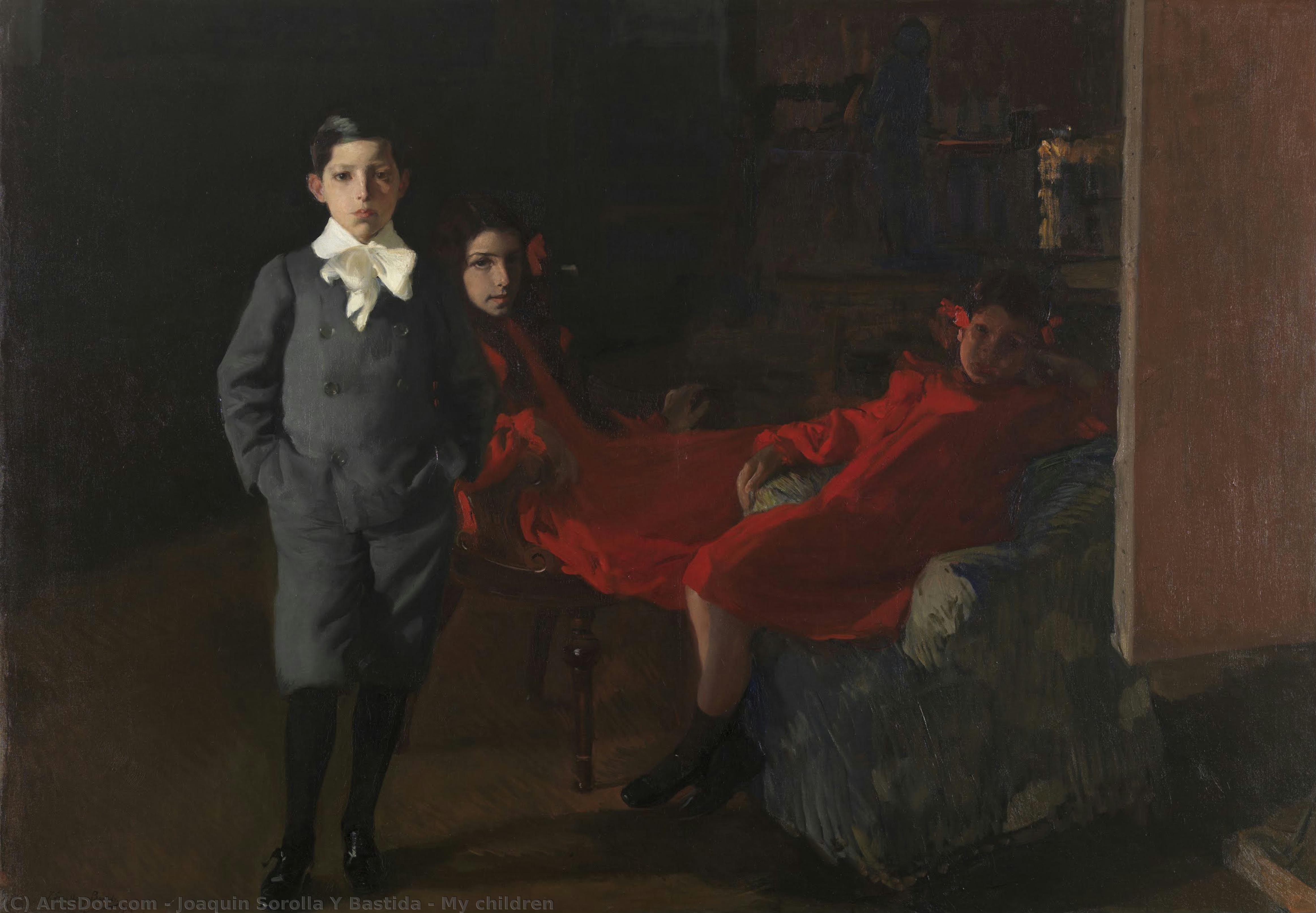
Joaquín Sorolla y Bastida (1863–1923) stands as a beacon of Spanish Impressionism, an artist who irrevocably transformed the depiction of light and color in painting. Born in Valencia, his early life was marked by profound loss—orphaned at two following a devastating cholera epidemic—leaving him to be nurtured by his maternal aunt and uncle. This formative experience instilled within him a deep appreciation for fleeting beauty, a sentiment that would become central to his artistic vision. His formal training began in Valencia, honing his skills under influential figures like Cayetano Capuz and José Benlliure before embarking on a transformative four-year scholarship to Rome, immersing himself in the grandeur of classical art alongside fellow artists. It was this immersion that cemented Sorolla’s stylistic trajectory toward capturing the essence of Mediterranean life with unparalleled vibrancy.- Subject Matter: Sorolla's oeuvre is dominated by scenes of idyllic coastal landscapes and intimate portraits—particularly those depicting children bathed in sunlight. “My Children,” completed in 1904, exemplifies this preoccupation, portraying his son Joaquín standing alongside his daughters María and Elena within a sunlit interior.
- Style: Sorolla’s style is unmistakably Impressionistic, prioritizing the immediate sensation of light and color over meticulous detail. He eschewed academic conventions, favoring loose brushstrokes and vibrant hues to convey atmosphere and emotion—a deliberate departure from prevailing artistic trends of his time.
- Technique: Employing oil paints on canvas with a masterful command of technique, Sorolla achieved remarkable luminosity through layering glazes and utilizing optical blending. This meticulous approach ensured that every surface radiated warmth and reflected the brilliance of the Mediterranean sun.
Influences & Inspirations – Las Meninas Revisited
Sorolla’s artistic sensibilities were profoundly shaped by Diego Velázquez's “Las Meninas,” a monumental portrait capturing the royal court at Madrid’s Prado Palace. He famously acknowledged this influence, mirroring Velázquez’s compositional strategy—centering the figures in the foreground and creating a deep background that enhances spatial depth—a technique he skillfully adapted to his own subjects. Furthermore, Sorolla drew inspiration from John Singer Sargent's “Daughters of Edward Darley Boit,” another celebrated group portrait executed in 1883, demonstrating an awareness of contemporary artistic dialogues.Symbolism & Emotional Impact
“My Children” transcends mere representation; it embodies a powerful symbolic resonance. The depiction of the family—father and three daughters—represents domestic tranquility and familial connection—themes that permeate Sorolla’s entire body of work. More than just capturing a snapshot in time, Sorolla aimed to evoke an emotional response from the viewer, conveying warmth, joy, and the profound beauty of childhood innocence. His canvases radiate optimism and celebrate the simple pleasures of life under the Mediterranean sun.Legacy & Recognition
Joaquín Sorolla’s legacy extends far beyond his artistic achievements. He was awarded the Premio Nadal in 1904, cementing his reputation as Spain's foremost painter. His paintings are housed in prestigious museums worldwide—including the Museo Sorolla in Madrid and Valencia—testament to their enduring appeal and artistic significance. Today, reproductions of “My Children” continue to inspire collectors and interior designers alike, capturing the timeless beauty of Sorolla’s Impressionistic vision.질의응답
현재 호아킨 소로라 이 바스티다의 "My children"은(는) 어디에서 전시 중인가요?
호아킨 소로라 이 바스티다의 "My children"은(는) 소로야 미술관, 마드리드, 스페인에 전시되어 있습니다. 박물관 목록은 복제품이 아닌 원작을 기준으로 합니다.
"My children"의 색감은 강렬한 편인가요, 아니면 부드러운 편인가요?
"My children"의 색채 강도는 Monochromatic입니다. 강도는 색상이 얼마나 선명하게 보이는지를 나타냅니다.
호아킨 소로라 이 바스티다의 "My children"의 색감은 채도가 높은 편인가요, 아니면 차분한 편인가요?
"My children"의 색조는 채도가 Muted입니다.
작가 소개
Joaquín Sorolla y Bastida - A Life Bathed in Light
Joaquín Sorolla y Bastida, a name synonymous with the radiant light and vibrant energy of Spain, was more than just a painter; he was a chronicler of his nation’s soul. Born in Valencia in 1863, Sorolla's early life was marked by tragedy. Orphaned at the tender age of two following a cholera epidemic that claimed both parents, young Joaquín and his sister were raised by their maternal aunt and uncle. This early experience with loss perhaps instilled within him a profound appreciation for the fleeting beauty of life – a sentiment that would permeate his art. Though hardship shadowed his beginnings, it did not dim the spark of artistic talent that quickly became apparent. He received initial instruction in Valencia, demonstrating an aptitude that led to studies under established artists like Cayetano Capuz and José Benlliure, eventually culminating in a four-year grant to study in Rome. It was there, amidst the classical grandeur of Italy, that Sorolla began to forge his unique artistic path, absorbing influences while simultaneously developing a style distinctly his own.Early Life and Influences
Joaquín Sorolla’s formative years instilled within him a deep understanding of vulnerability and resilience. Born into a modest family in Valencia—a city steeped in maritime tradition—his parents succumbed to cholera when he was just two, leaving him and his sister under the care of their maternal aunt and uncle. This poignant experience profoundly shaped his artistic sensibility, fostering an unwavering fascination with capturing ephemeral moments and conveying emotion through color and light. Recognizing Sorolla’s exceptional talent early on, his teachers recognized his innate aptitude for art and encouraged his pursuit of knowledge. He began his formal training at Valencia's School of Artisans, where he honed his skills under the guidance of Salustiano Asenjo, absorbing stylistic cues from the academic tradition prevalent at the time. However, Sorolla’s artistic vision extended beyond mere imitation; he actively sought inspiration from masters like Francisco Pradilla and Jules Bastien-Lepage, whose works championed dramatic narratives and expressive brushwork—influences that would become integral to his distinctive style.Rome and Impressionistic Exploration
A pivotal moment in Sorolla's artistic development arrived when he secured a prestigious scholarship to study in Rome in 1884. Amidst the monumental sculptures and architectural splendor of the Italian capital, he encountered the burgeoning movement of Impressionism—a revolutionary approach to painting that prioritized capturing fleeting impressions of light and color over meticulous detail. Artists like Bastien-Lepage and Edvard Munch captivated Sorolla’s imagination with their bold experimentation and emotional intensity. He embraced these influences wholeheartedly, immersing himself in Parisian artistic circles and absorbing the techniques pioneered by Monet and Renoir—artists who championed *plein air* painting and employed loose, vibrant brushstrokes to convey atmosphere and emotion. This transformative period solidified Sorolla's commitment to Luminism—a style characterized by its luminous quality and masterful depiction of sunlight—marking a decisive break from academic conventions.The Valencian Coast: A Painter’s Obsession
Sorolla’s artistic focus soon centered on the Valencian coast—a landscape he regarded as both aesthetically sublime and emotionally resonant. Drawn to the intense Mediterranean sunlight, the shimmering sea, and the vibrant energy of the local population, he embarked on a lifelong endeavor to capture these elements with unparalleled precision and beauty. He became renowned for his beach scenes—images brimming with life and movement—where figures bathed in golden light danced across canvases rendered with breathtaking spontaneity and vitality. Unlike many artists of his era who sought to portray idealized landscapes or historical grandeur, Sorolla prioritized conveying the immediacy of experience—the sensation of warmth, airiness, and joyful interaction between people and their surroundings. His technique—characterized by rapid brushstrokes and a masterful manipulation of color—became instantly recognizable—a testament to his unwavering dedication to capturing the essence of Luminism.Major Achievements and Legacy
Sorolla’s artistic career spanned decades, punctuated by numerous exhibitions throughout Europe and America, securing international acclaim and establishing him as one of Spain's most celebrated painters. He achieved considerable success early on, winning the gold medal at the National Exhibition in Madrid for *Another Marguerite* (1892) and garnering first prize at the Chicago International Exposition (1893). His monumental mural cycle, Vision of Spain—commissioned by Archer Milton Huntington—became a crowning achievement, showcasing his artistic prowess and cementing his place as a visionary artist. Completed posthumously in 1928, this ambitious project—featuring fourteen canvases depicting the regional costumes and customs of Spain—continues to inspire admiration for Sorolla’s technical skill and expressive vision. Today, Sorolla's paintings reside in prominent museums worldwide—including the Museo Sorolla in Madrid—where they stand as enduring symbols of Luminism and Spanish artistic heritage. His legacy extends beyond his masterful technique; he captured a specific moment in Spanish history and culture—a celebration of light, color, and human emotion—reminding us that art possesses the power to illuminate our world.
호아킨 소로라 이 바스티다
1863 - 1923 , 스페인
작가 정보 요약
- Artistic Movement Or Style: Impressionisme en Luminisme
- Artists Who Influenced This Artist:
- Francisco Pradilla
- Jules Bastien-Lepage
- Adolph von Menzel
- Date Of Birth: 27 februari 1863
- Date Of Death: 10 augustus 1923
- Full Name: Joaquín Sorolla y Bastida
- Nationality: Spaanse kunstenaar
- Notable Artworks:
- Italiaanse meisje met bloemen
- Zwemmen tijd
- Trieste kinderen baden in zee
- Place Of Birth: Valencia, Spanien
관련 기사
Turn Family Photos into Masterpiece Oil Portraits: The Art of Timeless Legacy
Transform cherished family memories into timeless legacies with bespoke, hand-painted oil portraits. Our master artists reimagine your photos as museum-quality masterpieces, offering unparalleled craftsmanship and elegance for the discerning collector.


