 Preview
 프린트 구매하기
 공유하기
공유하기 공유하기
공유하기
 상세 정보
상세 정보

 다운로드
다운로드
 유사 작품
유사 작품 X-레이
X-레이 슬라이드 쇼
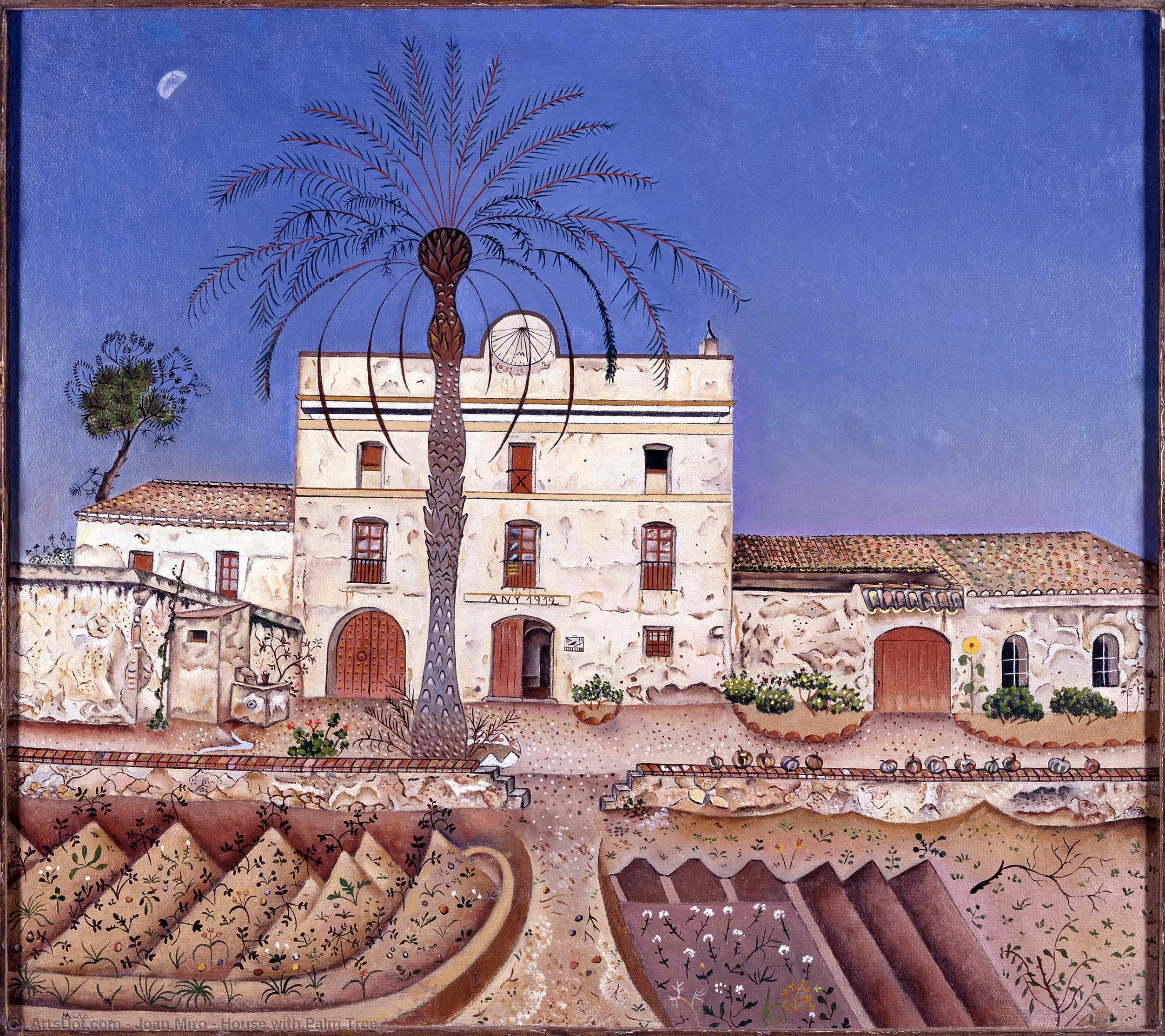
House with Palm Tree
 Oil
Oil- WallArt
- Surrealism and Fauvism
 1918
1918- Modern
 65.0 x 73.0 cm
 더 보기
더 보기




P118B $10

P118H $10

P118W $10

P438Z $10

P508JH $12

P508YH $12

P805H $10

P805Z $10

P919BZ $10

P919G $10

P919XJ $10

P959ZH $10

P968JZ $12

W106C $8

W218G $10

W218JH $8

W218Y $10

W307PJ $10

W316G $10

W316PJ $8

W316Y $10

W398PJ $8

W4111J $10

W500HY $15

W500JH $15

W692G $12

W849H $8

W940BG $15

W953PJ $8




작품의 원본 비율을 유지하는 미리 설정된 크기 중에서 선택하세요.

특정 프레임이나 공간에 맞도록 직접 크기를 입력할 수 있습니다. 선택하신 크기가 원본 이미지의 비율과 일치하지 않는 경우, 작품을 자르거나 추가적인 손으로 그린 요소를 사용하여 그림을 확장합니다. 제작 시작 전 승인을 위해 디지털 목업을 보내드립니다.
화면 미리 보기는 실제 자르기 또는 확장을 반영하지 않습니다. 최종 구성은 목업을 통해서만 정확하게 확인하실 수 있습니다.
맞춤 크기 제작도 가능하지만, 원본 비율을 유지하기 위해 사전 정의된 목록에서 크기를 선택하시는 것을 권장합니다.
주문 후 OriginalUniqueArt.com 팀에서 상세 안내를 위해 고객님께 이메일을 보내드리며, 미리보기 시안을 제공해 드립니다.


 유리 옵션은 110cm 미만 크기에서만 선택 가능합니다.

House with Palm Tree
재현 기법
복제본 크기
-


최종 결제 금액
-
작품 상세 설명
A Dreamscape in White and Blue: Unpacking Joan Miró’s “House with Palm Tree”
Joan Miró’s “House with Palm Tree,” painted in 1918, isn't merely a depiction of a building and a tree; it’s a portal into the artist’s subconscious, a vibrant distillation of Catalan identity, and a pivotal work marking his early experimentation with Surrealist and Fauvist aesthetics. Measuring a modest 65 x 73 cm, this painting immediately captivates with its bold color palette – primarily a luminous blue sky juxtaposed against the stark white facade of the house – yet it’s the underlying sense of playful abstraction and dreamlike logic that truly defines its power. Miró, already wrestling with the burgeoning artistic movements of his time, sought to capture not just what he *saw*, but what he *felt*—a deeply personal vision rendered in a language uniquely his own.
The composition itself is deceptively simple. A white house, almost luminous against the azure backdrop, dominates the foreground. Its architecture is stylized and somewhat simplified, hinting at a traditional Catalan farmhouse rather than a precise representation. A clock is prominently displayed on its side, a recurring motif in Miró’s work that often symbolizes time, memory, and the passage of experience. A palm tree, rendered with an almost childlike exuberance, stands proudly before the house, anchoring the scene and adding a touch of tropical exoticism – a subtle nod to Miró's native Catalonia. The inclusion of smaller buildings in the background suggests a village or community, grounding the dreamscape in a recognizable reality while simultaneously maintaining an element of mystery.
Echoes of Fauvism and Early Surrealism
“House with Palm Tree” firmly establishes Miró’s early engagement with both Fauvist and Surrealist principles. The vibrant, unmodulated colors—the intense blue sky, the stark white house—are characteristic of the Fauves, a movement known for its rejection of naturalistic representation in favor of expressive color. However, unlike the purely decorative use of color by the Fauves, Miró employs it to evoke emotion and create a sense of atmosphere. Simultaneously, the painting’s illogical composition, ambiguous forms, and dreamlike quality align it with the nascent Surrealist movement, which sought to unlock the power of the unconscious mind.
Miró's artistic journey during this period was marked by experimentation. He drew inspiration from a diverse range of sources – Van Gogh’s expressive brushstrokes, Cézanne’s geometric simplification, and the naive art traditions of Catalonia. This eclectic mix informed his unique style, characterized by biomorphic shapes, symbolic imagery, and a playful disregard for conventional perspective. “House with Palm Tree” exemplifies this synthesis, blending elements of observation with imaginative invention.
Symbolism and Catalan Identity
Beyond its formal qualities, "House with Palm Tree" is rich in symbolism. The house itself can be interpreted as representing the artist’s homeland – Catalonia – a place deeply ingrained in his identity and artistic vision. The palm tree, a prominent symbol of the Mediterranean region, further reinforces this connection. The clock, frequently appearing in Miró's work, may represent time, memory, or perhaps even the cyclical nature of life. Even the stark white color of the house could be seen as representing purity, simplicity, and the enduring spirit of Catalan culture.
Miró’s art was deeply intertwined with his personal experiences and cultural heritage. He frequently incorporated elements of Catalan folklore, mythology, and landscape into his paintings, creating a visual language that resonated with both local audiences and international collectors. “House with Palm Tree” is a testament to this commitment, offering a glimpse into the artist's inner world and his profound connection to his homeland.
A Legacy in Reproduction
OriginalUniqueArt.com offers meticulously crafted oil painting reproductions of "House with Palm Tree," allowing art enthusiasts and collectors to bring this iconic work into their homes. Our hand-painted reproductions capture not only the visual details but also the emotional depth and atmospheric quality of Miró’s original masterpiece. Each reproduction is created using traditional techniques and high-quality materials, ensuring a faithful representation of the painting's vibrant colors and dynamic composition. Owning a reproduction of “House with Palm Tree” is more than just acquiring a beautiful artwork; it’s an opportunity to connect with one of the 20th century’s most innovative and influential artists.
Further Exploration: For deeper insights into Joan Miró's life, work, and artistic influences, we encourage you to visit these resources: Joan Miró: House with Palm Tree, Joan Miró on Wikipedia, and explore the collections of the Fundació Joan Miró in Barcelona and Palma.
작가 약력
가우디의 도시에서 피어난 꿈: 호안 미로, 상징과 시의 화가
바르셀로나의 활기 넘치는 거리와 가우디 건축물의 독특한 아름다움 속에서 태어난 호안 미로는 20세기 미술사에 지울 수 없는 발자취를 남긴 예술가입니다. 1893년, 금세공사의 아들로 태어난 그는 어린 시절부터 그림에 대한 뜨거운 열정을 불태웠습니다. 그의 작품은 단순한 회화 기법을 넘어, 꿈과 기억, 그리고 카탈루냐의 정체성을 독특하고 시적인 언어로 표현하며 보는 이들을 매혹시킵니다. 미로는 현실 세계를 벗어나 내면의 풍경을 탐험하는 예술가였으며, 그의 그림들은 마치 한 편의 시처럼 섬세하고 아름답습니다.초기 실험과 초현실주의와의 만남
미로는 바르셀로나 미술학교에서 전통적인 기법을 연마했지만, 파리의 아방가르드 미술에 대한 깊은 영감을 받아 새로운 예술 세계를 모색하기 시작했습니다. fauve 회화의 강렬한 색채와 입체주의의 분절된 형태는 그의 작품에 큰 영향을 미쳤고, 그는 점차 자신만의 독특한 스타일을 구축해 나갔습니다. 1920년대 초, 파리로 이주하며 피카소와 같은 거장들과 교류하며 예술적 깊이를 더했습니다. 그리고 1924년, 초현실주의 운동에 참여하면서 그의 작품은 더욱 자유로운 상상력과 무의식의 영역으로 확장되었습니다. 하지만 미로는 초현실주의자들 속에서도 자신만의 개성을 잃지 않았습니다. 그는 충격적인 이미지나 프로이트 심리학적 해석보다는, 유쾌하고 시적인 형태와 색채를 통해 독특한 예술 세계를 구축했습니다.상징의 언어: 주요 작품과 예술적 혁신
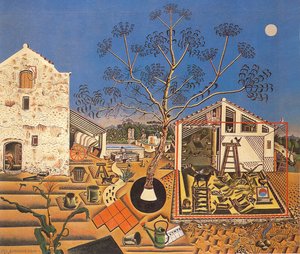
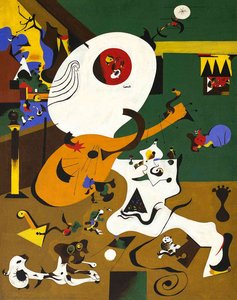
미로는 1920년대부터 30년대에 걸쳐 자신만의 시각적 어휘를 발전시켜 갔습니다. 그의 그림 속에는 생명력을 가진 듯한 유기적인 형태, 떠다니는 듯한 이미지, 그리고 다채로운 색채가 조화를 이루고 있습니다. 대표작인 <농장>(1922)은 카탈루냐의 정체성과 자연 세계를 상징적으로 표현하며 그의 예술적 전환점을 보여줍니다. 1926년에는 막스 에른스트와 함께 ‘그라타주’ 기법을 실험하여 표면 질감을 새롭게 창조하는 데 기여했습니다. <네덜란드 풍경>(1928) 연작은 옛 거장들의 작품을 현대적인 시각으로 재해석하며 꿈결 같은 추상화를 선보였습니다. 그리고 <회화>(1933)는 대담한 색채와 단순화된 형태로 무의식의 영역을 탐구하고 기존의 예술적 경계를 허무는 그의 실험 정신을 보여줍니다. 회화뿐만 아니라 조각, 도자기, 판화 등 다양한 매체를 통해 창작 활동을 펼치며 예술적 지평을 넓혔습니다.미로의 유산과 지속적인 영향력
호안 미로는 20세기 미술에 지대한 영향을 미친 예술가입니다. 그는 단순한 화가가 아닌, 상상력의 경계를 허물고 예술 표현의 가능성을 확장시킨 선구자였습니다. 그의 작품은 추상표현주의 운동에 영감을 주었으며, 오늘날에도 다양한 분야의 예술가들에게 끊임없는 영감의 원천이 되고 있습니다. 1975년과 1981년에 바르셀로나와 팔마 데 마요르카에 각각 설립된 호안 미로 재단은 그의 유산을 보존하고 후진 양성을 위한 교육 활동을 지원하며, 그의 예술 세계를 지속적으로 발전시키고 있습니다. 미로는 삶, 꿈, 그리고 카탈루냐 문화의 영원한 정신을 기념하는 작품들을 남겼습니다. 그의 예술은 전 세계 관객들에게 깊은 감동과 영감을 선사하며, 시대를 초월하여 사랑받는 예술가로 기억되고 있습니다.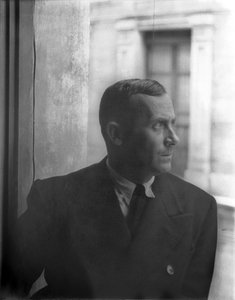
호안 미로
1893 - 1983 , 스페인
주요 정보
- 국적: 스페인 국적
- 대표 작품:
- 농장
- 네덜란드 풍경
- 회화
- 사망일: 1983년 12월 25일
- 영향을 받은 예술 사조:
- 초현실주의
- 추상 표현주의
- 영향을 준 예술가: ['파블로 피카소']
- 예술 사조: 초현실주의, 추상 미술
- 전체 이름: 호안 미로 이 페라
- 출생일: 1893년 4월 20일
- 출생지: 바르셀로나, 스페인
관련 기사 더 보기
호안 미로 최고 걸작 25선: 꿈과 상상의 화가, 공간에 예술을 더하다
호안 미로의 최고 걸작 25선을 만나보세요. 꿈과 상상의 세계를 담은 추상 미술 작품들의 탄생 비화와 예술적 의미를 탐구합니다. OriginalUniqueArt.com에서 고품질 미로 그림을 감상하고, 공간에 특별한 색채를 더해보세요! 지금 바로 컬렉션을 확인하세요.
초현실주의를 정의한 10대 걸작: 꿈과 현실의 경계를 넘어서
초현실주의 미술의 정수를 담은 10대 걸작을 만나보세요! 마그리트, 달리 등 거장의 작품 비하인드 스토리와 예술적 의미를 탐구하고, 꿈결 같은 분위기를 당신의 공간에. OriginalUniqueArt.com에서 명품 아트 프린트를 찾아 지금 바로 경험하세요.
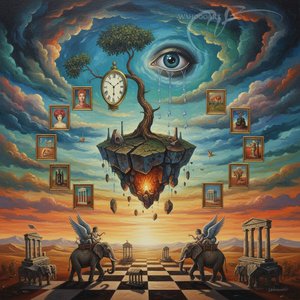
초현실주의를 정의한 10대 걸작: 예술과 인테리어의 새로운 영감 (OriginalUniqueArt)
초현실주의 미술의 정수를 담은 10대 걸작을 만나보세요. 마그리트, 달리 등 거장의 작품 비하인드 스토리와 예술적 의미를 탐구하고, OriginalUniqueArt에서 고품질 아트 프린트로 공간에 영감을 불어넣으세요! 지금 바로 OriginalUniqueArt.com에서 컬렉션을 둘러보세요.

Arboreal Echoes: A Historical & Artistic Exploration of Trees in Painting
Explore the rich history of trees in painting! Discover symbolism, Romantic masterpieces by Caspar David Friedrich & beyond. A curated journey for art enthusiasts.
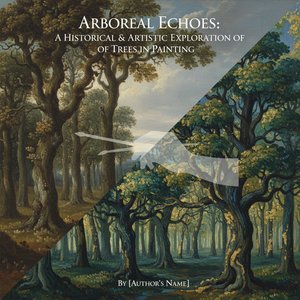
Arboreal Echoes: A Historical & Artistic Exploration of Trees in Painting
Explore the rich history of trees in painting! Discover symbolism, Romantic masterpieces by Caspar David Friedrich & beyond. A curated journey for art enthusiasts.