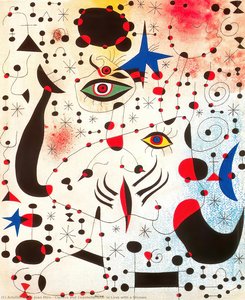
미리보기
미리보기
 공유하기
공유하기 공유하기
공유하기
 상세 정보
상세 정보

 다운로드
다운로드
 유사 작품
유사 작품 X-레이
X-레이 슬라이드 쇼
 통계 정보
통계 정보Construcción

 더 보기
더 보기
수제 유화 복제품
원하는 크기와 액자로 주문 제작되는, 작가들이 직접 캔버스에 손으로 그린 유화 작품입니다. ( 프린트 판매로 전환 디지털 이미지로 전환)




P118B $10

P118H $10

P118W $10

P438Z $10

P508JH $12

P508YH $12

P805H $10

P805Z $10

P919BZ $10

P919G $10

P919XJ $10

P959ZH $10

P968JZ $12

W106C $8

W218G $10

W218JH $8

W218Y $10

W307PJ $10

W316G $10

W316PJ $8

W316Y $10

W398PJ $8

W4111J $10

W500HY $15

W500JH $15

W692G $12

W849H $8

W940BG $15

W953PJ $8




작품의 원본 비율을 유지하는 미리 설정된 크기 중에서 선택하세요.

특정 프레임이나 공간에 맞도록 직접 크기를 입력할 수 있습니다. 선택하신 크기가 원본 이미지의 비율과 일치하지 않는 경우, 작품을 자르거나 추가적인 손으로 그린 요소를 사용하여 그림을 확장합니다. 제작 시작 전 승인을 위해 디지털 목업을 보내드립니다.
화면 미리 보기는 실제 자르기 또는 확장을 반영하지 않습니다. 최종 구성은 목업을 통해서만 정확하게 확인하실 수 있습니다.
맞춤 크기 제작도 가능하지만, 원본 비율을 유지하기 위해 사전 정의된 목록에서 크기를 선택하시는 것을 권장합니다.
주문 후 OriginalUniqueArt.com 팀에서 상세 안내를 위해 고객님께 이메일을 보내드리며, 미리보기 시안을 제공해 드립니다.


 유리 옵션은 110cm 미만 크기에서만 선택 가능합니다.

Construcción
재현 기법
복제본 크기
-


최종 결제 금액
$ 300
A Fragmented Dreamscape: Exploring Joan Miró’s “Construcción”
- Subject Matter & Composition:
- Style & Technique:
- Historical Context & Influences:
- Symbolism & Interpretation:
- Emotional Resonance & Artistic Legacy:
Subject Matter & Composition
“Construcción,” painted by Joan Miró in an unknown date, presents a deceptively simple visual tableau: a wooden table adorned with carefully positioned objects. The centerpiece is undeniably the diminutive wooden chair—a deliberate excision from the larger timber expanse—drawing immediate attention and establishing a focal point within the composition. Complementing this central element are two spheres resting upon the tabletop, strategically placed near the upper left corner and dominating the middle right area. Above the chair sits a metallic form resembling a cross or similar geometric motif, adding an unexpected layer of visual interest and subtly elevating the piece’s conceptual depth. Miró's masterful arrangement prioritizes balance and contrast, guiding the viewer’s gaze across the canvas with understated elegance.Style & Technique
Miró’s artistic approach aligns firmly within the realm of Surrealism, yet transcends easy categorization. He eschewed representational accuracy in favor of a highly stylized visual language characterized by organic forms and vibrant colors—a stylistic hallmark inherited from Antoni Gaudí's architectural explorations. The painting employs a technique rooted in collage and assemblage, layering textures and materials to create a palpable sense of materiality despite the predominantly abstract nature of the imagery. Miró’s brushstrokes are loose and expressive, conveying movement and spontaneity while simultaneously maintaining meticulous control over color palettes—primarily utilizing hues that evoke warmth and luminosity. This deliberate blending of precision and improvisation underscores Miró's commitment to capturing not just what he sees but what he feels.Historical Context & Influences
Emerging during the tumultuous years following World War I, Surrealism sought to liberate artistic expression from rational constraints, tapping into the subconscious mind as a source of inspiration. Miró’s work stands alongside fellow Surrealist luminaries like André Breton and Max Ernst, reflecting the broader intellectual currents of the time—a fascination with mythology, psychoanalysis, and automatism. Gaudí's architectural vision – particularly Sagrada Familia – profoundly impacted Miró’s aesthetic sensibilities, fostering an appreciation for curvilinear forms and naturalistic ornamentation that would permeate his oeuvre. The Catalan landscape, scarred by Francoist repression, served as a constant reminder of national identity and fueled Miró’s desire to express the spirit of his homeland through art.Symbolism & Interpretation
“Construcción” is laden with symbolic resonance, inviting contemplation beyond its surface appearance. The wooden chair represents stability and grounding amidst the swirling abstractions—a deliberate juxtaposition that speaks to the artist’s preoccupation with duality and transformation. The spheres symbolize wholeness and potential, mirroring Miró's exploration of universal themes—the interplay between order and chaos, consciousness and instinct. The metallic cross embodies spiritual aspiration and faith, subtly hinting at Miró’s personal beliefs. Collectively, these elements contribute to a narrative that transcends literal depiction, prompting viewers to engage in an imaginative dialogue with the artwork itself.Emotional Resonance & Artistic Legacy
Ultimately, “Construcción” succeeds in conveying a profound sense of melancholy and wonder—a feeling mirrored in Miró’s broader artistic output. The painting's muted color palette and textured surface evoke a contemplative mood, inviting viewers to immerse themselves in the artist’s inner world. More than just a visual spectacle, it represents a testament to Miró’s unwavering belief in the power of art to communicate emotions and ideas beyond verbal articulation. Today, reproductions of “Construcción” continue to inspire artists and designers alike, demonstrating its enduring relevance as a symbol of Surrealist innovation and Catalan artistic heritage.작가 약력
가우디의 도시에서 피어난 꿈: 호안 미로, 상징과 시의 화가
바르셀로나의 활기 넘치는 거리와 가우디 건축물의 독특한 아름다움 속에서 태어난 호안 미로는 20세기 미술사에 지울 수 없는 발자취를 남긴 예술가입니다. 1893년, 금세공사의 아들로 태어난 그는 어린 시절부터 그림에 대한 뜨거운 열정을 불태웠습니다. 그의 작품은 단순한 회화 기법을 넘어, 꿈과 기억, 그리고 카탈루냐의 정체성을 독특하고 시적인 언어로 표현하며 보는 이들을 매혹시킵니다. 미로는 현실 세계를 벗어나 내면의 풍경을 탐험하는 예술가였으며, 그의 그림들은 마치 한 편의 시처럼 섬세하고 아름답습니다.초기 실험과 초현실주의와의 만남
미로는 바르셀로나 미술학교에서 전통적인 기법을 연마했지만, 파리의 아방가르드 미술에 대한 깊은 영감을 받아 새로운 예술 세계를 모색하기 시작했습니다. fauve 회화의 강렬한 색채와 입체주의의 분절된 형태는 그의 작품에 큰 영향을 미쳤고, 그는 점차 자신만의 독특한 스타일을 구축해 나갔습니다. 1920년대 초, 파리로 이주하며 피카소와 같은 거장들과 교류하며 예술적 깊이를 더했습니다. 그리고 1924년, 초현실주의 운동에 참여하면서 그의 작품은 더욱 자유로운 상상력과 무의식의 영역으로 확장되었습니다. 하지만 미로는 초현실주의자들 속에서도 자신만의 개성을 잃지 않았습니다. 그는 충격적인 이미지나 프로이트 심리학적 해석보다는, 유쾌하고 시적인 형태와 색채를 통해 독특한 예술 세계를 구축했습니다.상징의 언어: 주요 작품과 예술적 혁신
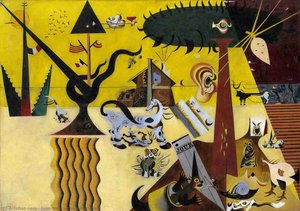
미로는 1920년대부터 30년대에 걸쳐 자신만의 시각적 어휘를 발전시켜 갔습니다. 그의 그림 속에는 생명력을 가진 듯한 유기적인 형태, 떠다니는 듯한 이미지, 그리고 다채로운 색채가 조화를 이루고 있습니다. 대표작인 <농장>(1922)은 카탈루냐의 정체성과 자연 세계를 상징적으로 표현하며 그의 예술적 전환점을 보여줍니다. 1926년에는 막스 에른스트와 함께 ‘그라타주’ 기법을 실험하여 표면 질감을 새롭게 창조하는 데 기여했습니다. <네덜란드 풍경>(1928) 연작은 옛 거장들의 작품을 현대적인 시각으로 재해석하며 꿈결 같은 추상화를 선보였습니다. 그리고 <회화>(1933)는 대담한 색채와 단순화된 형태로 무의식의 영역을 탐구하고 기존의 예술적 경계를 허무는 그의 실험 정신을 보여줍니다. 회화뿐만 아니라 조각, 도자기, 판화 등 다양한 매체를 통해 창작 활동을 펼치며 예술적 지평을 넓혔습니다.미로의 유산과 지속적인 영향력
호안 미로는 20세기 미술에 지대한 영향을 미친 예술가입니다. 그는 단순한 화가가 아닌, 상상력의 경계를 허물고 예술 표현의 가능성을 확장시킨 선구자였습니다. 그의 작품은 추상표현주의 운동에 영감을 주었으며, 오늘날에도 다양한 분야의 예술가들에게 끊임없는 영감의 원천이 되고 있습니다. 1975년과 1981년에 바르셀로나와 팔마 데 마요르카에 각각 설립된 호안 미로 재단은 그의 유산을 보존하고 후진 양성을 위한 교육 활동을 지원하며, 그의 예술 세계를 지속적으로 발전시키고 있습니다. 미로는 삶, 꿈, 그리고 카탈루냐 문화의 영원한 정신을 기념하는 작품들을 남겼습니다. 그의 예술은 전 세계 관객들에게 깊은 감동과 영감을 선사하며, 시대를 초월하여 사랑받는 예술가로 기억되고 있습니다.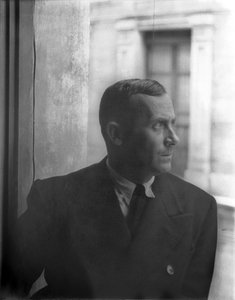
호안 미로
1893 - 1983 , 스페인
주요 정보
- 국적: 스페인 국적
- 대표 작품:
- 농장
- 네덜란드 풍경
- 회화
- 사망일: 1983년 12월 25일
- 영향을 받은 예술 사조:
- 초현실주의
- 추상 표현주의
- 영향을 준 예술가: ['파블로 피카소']
- 예술 사조: 초현실주의, 추상 미술
- 전체 이름: 호안 미로 이 페라
- 출생일: 1893년 4월 20일
- 출생지: 바르셀로나, 스페인
관련 기사 더 보기

Bronze Age to Modern Masters: 10 Sculptures That Redefined Art | OriginalUniqueArt
Journey through art history with 10 legendary bronze sculptures – from Michelangelo's David to Rodin’s Thinker. Explore the stories, techniques & timeless beauty of these masterpieces. Find museum-quality reproductions & elevate your home decor on OriginalUniqueArt.com.
호안 미로 최고 걸작 25선: 꿈과 상상의 화가, 공간에 예술을 더하다
호안 미로의 최고 걸작 25선을 만나보세요. 꿈과 상상의 세계를 담은 추상 미술 작품들의 탄생 비화와 예술적 의미를 탐구합니다. OriginalUniqueArt.com에서 고품질 미로 그림을 감상하고, 공간에 특별한 색채를 더해보세요! 지금 바로 컬렉션을 확인하세요.

The Enduring Form: Sculpture Across History, Technique & Emotional Resonance
Explore the rich history of sculpture with OriginalUniqueArt. Discover key techniques, influential artists & investment potential for discerning collectors. Expert insights into valuing and collecting timeless masterpieces.

Bronze Sculptures That Defined Art History | OriginalUniqueArt
Journey through art history with our Top 10 bronze sculptures! Explore masterpieces by Rodin, Michelangelo & more. Discover stories behind iconic statues and find museum-quality reproductions for your home decor at OriginalUniqueArt.com.

The Enduring Form: Exploring Themes & Techniques in Sculpture Across Historical Periods
Explore the rich history of sculpture from ancient masterpieces to contemporary innovations. Discover key techniques, influential artists & investment potential for discerning art collectors.