
 실제 크기로 보기
 보내기
보내기 공유하기
공유하기
 상세 보기
상세 보기 가이드 보기

 이미지 다운로드
 유사 작품 더 보기
 X-레이
X-레이 슬라이드 쇼 보기
 통계 정보
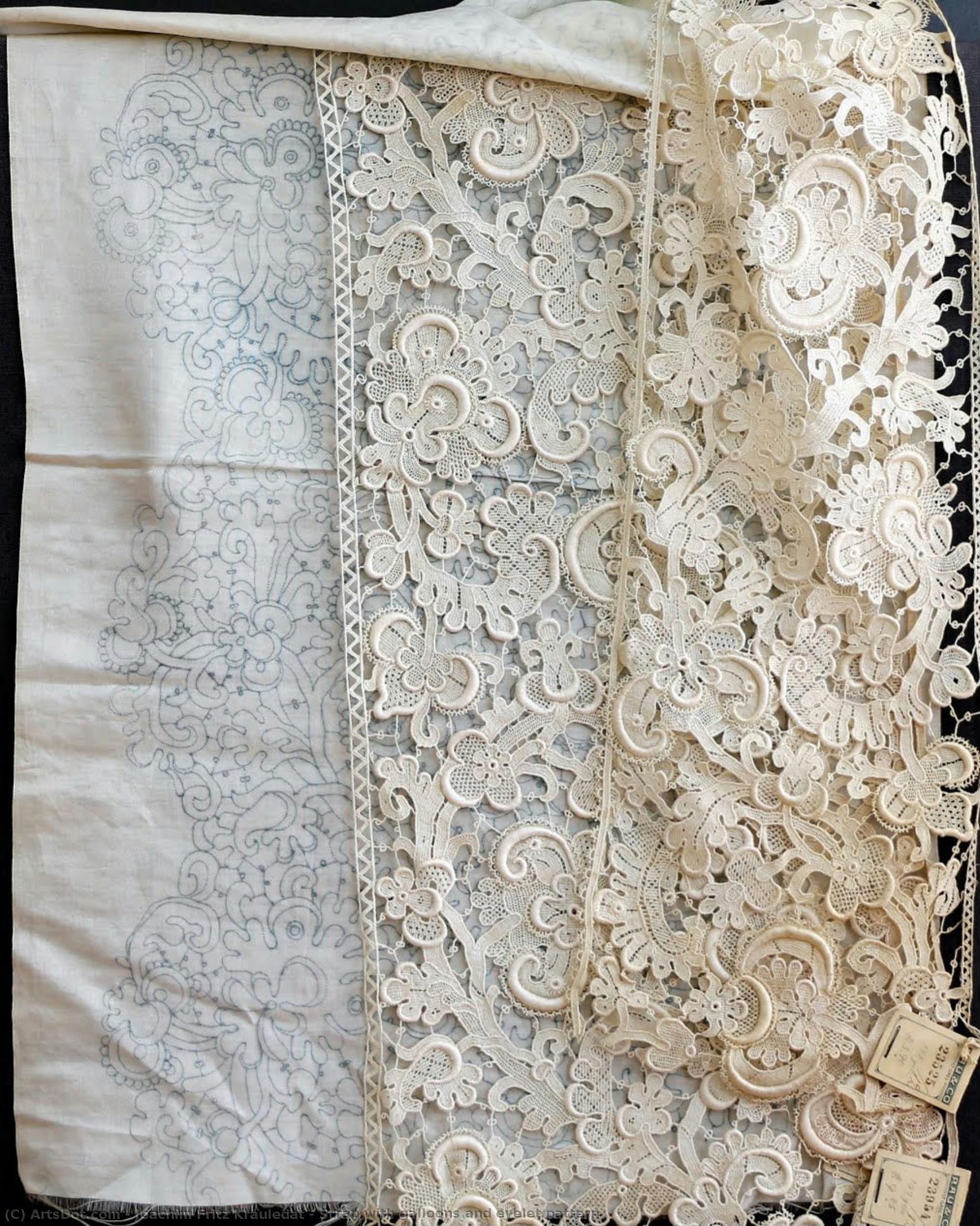
통계 정보Strap with galloons and eyelet pattern


 상세 보기
상세 보기
지클레 / 아트 프린트
빠른 제작과 다양한 마감 옵션을 선택할 수 있는 박물관 수준의 지클레이 및 캔버스 프린트. ( 수작업 채색 복제본 주문하기 디지털 이미지 판매 채널로 전환)




































작품의 원본 비율을 그대로 유지하는 프리셋 사이즈 중에서 선택해 보세요.

특정 프레임이나 공간에 맞춰 직접 치수를 입력하실 수 있습니다. 선택하신 사이즈가 원본 이미지의 비율과 일치하지 않을 경우, 작품을 크롭(자르기)하거나 이미지를 대칭 또는 단색 채우기로 확장하여 제작합니다. 제작 시작 전, 최종 확인을 위해 디지털 목업이 전송됩니다.
화면상의 미리보기는 실제 크롭이나 확장 상태를 반영하지 않으므로, 최종 구도는 오직 목업을 통해서만 정확하게 확인하실 수 있습니다.
맞춤 사이즈 제작도 가능하지만, 원본 비율을 유지하기 위해서는 사전 정의된 목록에서 치수를 선택하시는 것을 권장합니다.


 유리 옵션은 110cm 미만 크기에서만 선택 가능합니다.

Strap with galloons and eyelet pattern
지클레 / 아트 프린트
복제본 규격
-


총 결제 금액
$ 80
작가 소개
Early Life and Transatlantic Journey
Joachim Fritz Krauledat, a name perhaps unfamiliar to many, belies the iconic figure he would become: John Kay, the driving force behind the legendary rock band Steppenwolf. Born on April 12, 1944, in Tilsit, East Prussia – now Sovetsk, Kaliningrad Oblast, Russia – Krauledat’s early life was irrevocably shaped by the tumultuous events of World War II and its aftermath. His father, Fritz Krauledat, tragically passed away just a month before his birth, casting a long shadow over his formative years. The subsequent evacuation of East Prussia in the harsh winter of 1945 became a harrowing tale of survival for his mother and infant son, fleeing the advancing Soviet troops. This experience, etched deeply into Kay’s memory, would later find expression in his songwriting, particularly in the poignant ballad “Renegade,” which recounts their desperate journey to resettle in Hanover, West Germany. The early years were marked by hardship and displacement, but also a burgeoning love for music, fostered by listening to broadcasts from British Forces Broadcasting Service. This nascent passion would ultimately lead him on a path that transcended borders and generations.The Formation of Steppenwolf and the Rise to Rock Stardom
In 1958, the Krauledat family embarked on a new chapter, emigrating to Canada, where Joachim adopted the name John Kay – a symbolic shedding of his past and an embrace of a new identity. He quickly immersed himself in the burgeoning music scene, joining a blues rock and folk group called The Sparrows in 1965. After moderate success within Canada, the band relocated to California in 1967, undergoing a transformation that would forever alter the landscape of rock music. Renamed Steppenwolf, the ensemble began crafting a sound that blended hard-driving rhythms with introspective lyrics, pioneering what would become known as heavy metal and hard rock. Kay’s distinctive voice – raw, powerful, and imbued with a sense of urgency – became the band's signature. The release of their debut album in 1968 catapulted Steppenwolf to international fame, fueled by anthems like “Born to Be Wild,” which famously captured the spirit of rebellion and freedom, forever linked to the counterculture movement and immortalized in the film *Easy Rider*. Subsequent hits such as "Magic Carpet Ride," "Monster," and "The Pusher" solidified their status as rock icons.A Legacy Forged in Songwriting and Activism
John Kay’s influence extends far beyond Steppenwolf's chart-topping singles. He is a prolific songwriter, exploring themes of social injustice, personal struggle, and the search for meaning with remarkable depth and honesty. His lyrics often reflect his own experiences – the trauma of displacement, the challenges of assimilation, and the complexities of the human condition. Beyond music, Kay has demonstrated a lifelong commitment to activism and conservation efforts. He is known for his advocacy work on behalf of environmental protection and indigenous rights, using his platform to raise awareness about critical issues facing the world. His dedication to these causes reflects a deep sense of responsibility and a desire to make a positive impact beyond the realm of entertainment. Kay’s distinctive image – often sporting dark sunglasses due to congenital achromatopsia (complete colorblindness) – has become synonymous with his rebellious spirit and unwavering commitment to his principles.Solo Ventures, Continued Touring, and Enduring Influence
Throughout the late 1970s and beyond, Kay continued to explore his musical creativity through solo projects while simultaneously maintaining Steppenwolf’s legacy. Despite numerous lineup changes over the years, he remained the sole original member involved from 1980 until 2018, tirelessly touring and releasing albums under the banner of John Kay & Steppenwolf. His dedication ensured that the band's iconic sound continued to resonate with audiences across generations. In 2004, Kay was rightfully inducted into Canada’s Walk of Fame, a testament to his early years as a Canadian citizen and the profound impact he had on the nation’s musical landscape. He remains an active performer and songwriter, continuing to inspire musicians and fans alike with his powerful voice, insightful lyrics, and unwavering commitment to artistic integrity.Historical Significance and Enduring Appeal
John Kay & Steppenwolf occupy a unique place in rock history, bridging the gap between blues-based roots music and the burgeoning heavy metal scene of the late 1960s and early 1970s. Their music captured the zeitgeist of an era marked by social upheaval, political unrest, and a yearning for freedom. “Born to Be Wild”, in particular, became an anthem for a generation, embodying the spirit of rebellion and challenging conventional norms. Kay’s songwriting prowess, coupled with his distinctive vocal style, helped define the sound of hard rock and paved the way for countless artists who followed in their footsteps.- Pioneering Hard Rock Sound
- Influential Songwriting
- Cultural Impact through *Easy Rider*
- Advocacy for Social Causes

joachim fritz krauledat
1944 - , Germany
작가 정보 요약
- Artistic Movement Or Style: Hard Rock, Heavy Metal
- Date Of Birth: April 12, 1944
- Full Name: Joachim Fritz Krauledat
- Nationality: German-Canadian
- Notable Artworks:
- Born to Be Wild
- Magic Carpet Ride
- Rock Me
- Place Of Birth: Tilsit, Germany