

 미리보기
미리보기
 공유하기
공유하기 공유하기
공유하기
 상세 정보
상세 정보

 다운로드
다운로드
 유사 작품
유사 작품 X-레이
X-레이 슬라이드 쇼
JUPITER ET DANAE


 더 보기
더 보기
지클레 / 아트 프린트
빠른 제작과 다양한 마감 옵션을 제공하는 박물관 품질의 지클레이 또는 캔버스 프린트. ( 수제 페인팅으로 전환하기 이미지로 전환)




P118B $10

P118H $10

P118W $10

P438Z $10

P508JH $12

P508YH $12

P805H $10

P805Z $10

P919BZ $10

P919G $10

P919XJ $10

P959ZH $10

P968JZ $12

W106C $8

W218G $10

W218JH $8

W218Y $10

W307PJ $10

W316G $10

W316PJ $8

W316Y $10

W398PJ $8

W4111J $10

W500HY $15

W500JH $15

W692G $12

W849H $8

W940BG $15

W953PJ $8




작품의 원본 비율을 유지하는 미리 설정된 크기 중에서 선택하세요.

특정 프레임이나 공간에 맞춰 직접 치수를 입력하실 수 있습니다. 선택하신 사이즈가 원본 이미지의 비율과 일치하지 않을 경우, 작품을 크롭(자르기)하거나 이미지를 대칭 또는 단색 채우기로 확장하여 제작합니다. 제작 시작 전, 최종 확인을 위해 디지털 목업이 전송됩니다.
화면상의 미리보기는 실제 크롭이나 확장 상태를 반영하지 않으므로, 최종 구도는 오직 목업을 통해서만 정확하게 확인하실 수 있습니다.
맞춤 사이즈 제작도 가능하지만, 원본 비율을 유지하기 위해서는 사전 정의된 목록에서 치수를 선택하시는 것을 권장합니다.


 유리 옵션은 110cm 미만 크기에서만 선택 가능합니다.

JUPITER ET DANAE
지클레 / 아트 프린트
복제본 크기
-


최종 결제 금액
$ 80
작품 상세 설명
Jupiter and Danaë - A Masterpiece of Mannerism
Joachim Anthonisz Wtewael’s “Jupiter and Danaë” stands as an exceptional example of Northern Mannerist painting, captivating viewers with its dramatic composition and meticulous execution. Created around 1598-1600, this monumental canvas resides in the Louvre Museum's collection (RF 1979-23), offering a glimpse into the artistic sensibilities of the late Renaissance period. The artwork depicts Zeus’s clandestine encounter with Danaë, daughter of King Acrisius of Argos, as foretold by Cronus—Zeus impregnates Danaë with golden rain, securing his lineage and ensuring the birth of Perseus, destined to slay Medusa and liberate Greece from tyranny.- Composition & Perspective: The painting’s vertical orientation immediately draws attention upwards towards Jupiter's imposing presence. Diagonal lines created by Zeus’s body emphasize movement and dynamism, mirroring the turbulent skies above. Despite a flattened perspective—characteristic of Mannerist style—Wtewael skillfully employs overlapping forms and subtle tonal variations to convey depth and create a sense of spatial illusion.
- Color Palette & Lighting: Wtewael utilizes a rich color palette dominated by warm hues – reds, golds, and browns – juxtaposed against cooler blues and whites. Dramatic lighting illuminates Jupiter and Danaë’s figures, highlighting their expressions and emphasizing the central narrative. Shadows deepen the atmosphere, fostering an emotional intensity that transcends mere visual representation.
- Technique & Texture: Executed in oil paint on canvas, Wtewael's technique demonstrates mastery of layering and blending—a hallmark of Mannerism. Visible brushstrokes contribute to a textured surface, capturing the materiality of skin, fabric, and clouds with remarkable accuracy. The artist’s meticulous attention to detail elevates the artwork beyond mere depiction, transforming it into an immersive experience for the viewer.
- Symbolism & Emotion: Beyond its narrative content, “Jupiter and Danaë” embodies profound symbolic themes—divine intervention, fate, and heroism. Zeus's regal posture conveys authority and divine power, while Danaë’s apprehensive gaze reflects vulnerability and fear. The overall emotional impact is one of awe and wonder, capturing the sublime beauty of mythological grandeur.
- Influence & Style: Wtewael’s work draws heavily from Italian Renaissance art, particularly the influence of artists like Michelangelo Buonarroti and Raphael Sanzio. However, he distinguishes himself through his unwavering adherence to Mannerist principles—elongated figures, exaggerated poses, and complex compositions—creating a uniquely expressive style that continues to inspire admiration today.
The painting’s enduring appeal lies in its ability to convey not only a compelling story but also an emotional resonance that speaks to universal human experiences. “Jupiter and Danaë” remains a testament to Wtewael's artistic genius—a masterpiece of Mannerism that secures its place as one of the most celebrated artworks of the sixteenth century.
작가 약력
The Enduring Polish of a Mannerist Master
Joachim Anthonisz Wtewael, a name whispered among connoisseurs of the Dutch Golden Age, remains a captivating figure whose art defies easy categorization. Born in 1566 and passing away in 1638, his life was as multifaceted as his canvases. While his artistic genius shone brightly, it is equally notable that he was also a successful flax merchant and an active town councillor of Utrecht. This dual existence—the meticulous artisan alongside the pillar of civic society—suggests a man whose life demanded both worldly acumen and profound creative focus. Wtewael’s signature style, however, possessed a remarkable consistency; it remained largely untouched by the sweeping naturalistic currents that were reshaping art across Europe during his lifetime.
A Journey Through Style and Influence
Wtewael's early training rooted him deeply in the sophisticated vocabulary of late 16th-century Haarlem Mannerism. His initial professional life saw him working as a glassmaker and engraver within his father’s workshop, an apprenticeship that undoubtedly honed his hand for intricate detail. A pivotal period arrived when he embarked on travels through Italy and France starting in 1586. These sojourns were crucial, exposing him to the rich artistic currents of the Second School of Fontainebleau. Yet, despite these influences, Wtewael possessed a unique internal compass. His work is characterized by figures that are masterfully drawn, possessing an almost porcelain-like polish, often arranged in poses that feel wonderfully capricious and dramatically charged.
Thematic Depth: Myth Meets Devotion
The body of his surviving work—comprising around one hundred paintings, alongside numerous drawings and stained glass designs—reveals a fascinating thematic duality. He was equally at home depicting profound religious narratives as he was celebrating the lush drama of classical mythology. Consider works such as Adoration of the Shepherds juxtaposed with Venus and Mars Surprised by Vulcan. These pieces showcase his remarkable ability to weave together conventional sacred subjects with pagan lore, often imbuing both realms with a palpable, sometimes strong erotic undercurrent that draws the viewer into its narrative embrace. His attention to detail is breathtaking; in works like Perseus and Andromeda, housed notably at the Mauritshuis museum in Utrecht, one can trace his unparalleled skill.
Historical Significance and Legacy
What makes Wtewael’s contribution so significant is precisely that resistance to change. While naturalism beckoned artists toward greater realism, Wtewael held fast to a polished, idealized aesthetic, creating a body of work that feels both historically situated and eternally vibrant. His cabinet paintings, executed on copper plates, are particularly distinctive and numerous, offering intimate glimpses into his artistic process. Though the final decade of his life saw him retreat from painting—a period possibly marked by personal sorrow following the passing of his wife—the impact of his vision endures. He gifted art history a style that remains both highly polished and wonderfully unpredictable.

joachim anthonisz wtewael
1566 - 1638
주요 정보
- Artistic Movement Or Style: Mannerism
- Artists Who Influenced This Artist: ['Second school of Fontainebleau']
- Date Of Birth: 1566
- Date Of Death: 1638
- Full Name: Joachim Anthonisz Wtewael
- Nationality: Dutch
- Notable Artworks:
- Adoration of the Shepherds
- Venus and Mars surprised by Vulcan
관련 기사 더 보기
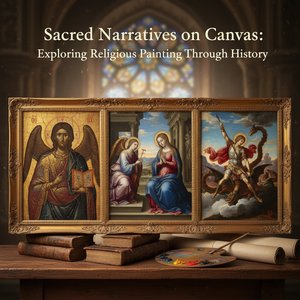
Sacred Narratives on Canvas: Exploring Religious Painting Through History
Explore the rich history of religious painting with OriginalUniqueArt.com! Discover iconic artworks, symbolism & techniques from antiquity to the Renaissance. Enhance your art appreciation today.

Abraham Hulk Senior: Pioneering Maritime Topography of the Dutch Golden Age
Explore the captivating seascapes of Abraham Hulk Senior, a leading Anglo-Dutch marine painter of the 19th century. Discover his signature style, family legacy & collectable artworks at OriginalUniqueArt.
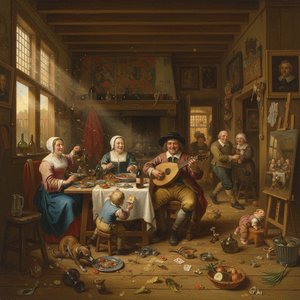
Jan Steen: A Master of Dutch Genre Painting & the Golden Age
Explore the life & art of Jan Steen, a leading Dutch Golden Age painter renowned for his humorous genre scenes & insightful social commentary. Discover his techniques, legacy, and collecting tips.

Adriaen Brouwer: Capturing Dutch Life & Social Commentary Through Genre Painting
Explore the captivating world of Adriaen Brouwer, a master of Dutch Golden Age genre painting. Discover his vivid depictions of peasant life, social commentary, and lasting influence on art history. Learn more at OriginalUniqueArt.
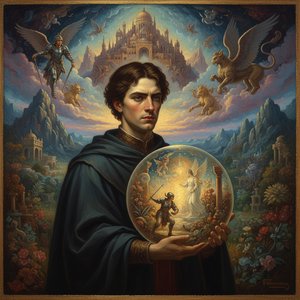
Gustave Moreau: Symbolism's Enigmatic Visionary & Precursors of Modern Fantasy Art
Explore the captivating world of Gustave Moreau, the leading Symbolist painter. Discover his iconic masterpieces, influences, and lasting legacy. Expert analysis for collectors & art enthusiasts.

