

 실제 크기로 보기
 보내기
보내기 공유하기
공유하기
 상세 보기
상세 보기 가이드 보기

 이미지 다운로드
 유사 작품 더 보기
 X-레이
X-레이 슬라이드 쇼 보기
 통계 정보
통계 정보Sin título (Untitled)


 상세 보기
상세 보기
이 페이지에 표시된 작품은 저작권법의 보호를 받으며, 이에 따라 동일한 복제품을 제작하거나 판매하는 것은 법으로 금지되어 있습니다. 이러한 권리 보호는 다음과 같은 국제 협약에 따라 시행됩니다. 베른 협약 또한 다음에서 명시하는 법률을 포함한 국내법에 의해 보호됩니다. 미국 저작권법 제17조.
이 방식은 저작권 보호를 받는 예술 작품을 복제하거나 그대로 재현하는 것이 아니기에 저작권 규정을 완벽히 준수합니다. 대신, 이는 창의적인 재해석의 과정을 거칩니다. 즉, 원작에서 영감을 받되 원작과 동일하지 않은 새로운 회화 작품을 의미합니다.
지클레 / 아트 프린트
빠른 제작과 다양한 마감 옵션을 선택할 수 있는 박물관 수준의 지클레이 및 캔버스 프린트. ( 수작업 채색 복제본 주문하기 디지털 이미지 판매 채널로 전환)




P118B ₩10

P118H ₩10

P118W ₩10

P438Z ₩10

P508JH ₩12

P508YH ₩12

P805H ₩10

P805Z ₩10

P919BZ ₩10

P919G ₩10

P919XJ ₩10

P959ZH ₩10

P968JZ ₩12

W106C ₩8

W218G ₩10

W218JH ₩8

W218Y ₩10

W307PJ ₩10

W316G ₩10

W316PJ ₩8

W316Y ₩10

W398PJ ₩8

W4111J ₩10

W500HY ₩15

W500JH ₩15

W692G ₩12

W849H ₩8

W940BG ₩15

W953PJ ₩8




작품의 원본 비율을 그대로 유지하는 프리셋 사이즈 중에서 선택해 보세요.

액자나 벽면 크기에 맞춰 필요한 가로와 세로 길이를 입력해 주세요. 프린트는 원본 이미지보다 크게 제작할 수 없으며 오직 자르는 것만 가능하므로, 비율이 다른 사이즈를 선택할 경우 이미지의 일부가 잘려 나갈 수 있습니다. 인쇄 작업에 들어가기 전, 최종 확인을 위해 디지털 목업을 보내드립니다. 이 페이지에 표시된 이미지는 실제 잘리는 영역을 나타내지 않으며, 오직 목업을 통해서만 정확한 확인이 가능합니다.


 유리 옵션은 110cm 미만 크기에서만 선택 가능합니다.

Sin título (Untitled)
지클레 / 아트 프린트
복제본 규격
-


총 결제 금액
₩ 109181
The Composition of Form and Color
Sin título (Untitled) presents a geometric arrangement of shapes that interact through overlapping planes. The work consists of a series of squares rendered in distinct colors, including red, blue, green, yellow, and orange. Interspersed among these quadrilaterals are circular forms that interrupt the linear edges of the squares. In this specific black and white photograph, the tonal values emphasize the contrast between light and dark areas within the pattern. The arrangement creates a sense of depth through the superimposition of different geometric layers. This layering produces an optical effect where the shapes appear to vibrate or shift as the viewer's perspective changes.Materiality and Kinetic Principles
The technique involves the use of industrial materials to manipulate light and perception. The artist utilizes plexiglass, metal, nylon, and wood to construct surfaces that reject traditional figuration. By placing different planes of line or geometric form on top of one another, the work achieves a physical sense of separation between layers. This method creates several levels of depth on the surface of the piece. The use of transparent or semi-transparent materials allows for the creation of an optical impression of movement. As the eye moves across the composition, the interaction of color and shape generates a rhythmic, non-repetitive motion.Historical Context of Kineticism
This work emerged from the mid-twentieth century Kinetic art movement, which was prominent in Argentina, Uruguay, and Venezuela. During this period, the use of new industrial materials like metal and plexiglass reflected the rapid urbanization and economic growth associated with the oil economy in Venezuela. The approach to art during this era focused on the exploration of physical space through pictorial means rather than through representational subjects. The movement sought to create works that functioned as optical engines, triggering physiological responses in the observer. Through these methods, the boundaries between the viewer and the object are reduced, making the spectator an active participant in the perception of the work's energy.질의응답
Jesús Rafael Soto의 "Sin título (Untitled)"을(를) 활용하기에 가장 좋은 용도와 공간은 무엇인가요?
Jesús Rafael Soto의 "Sin título (Untitled)"에 대해 기록된 두 가지 추천 사항은 Focal 용도와 Coworking 공간입니다.
"Sin título (Untitled)" 작품은 명암 대비가 강한 편인가요?
Jesús Rafael Soto의 "Sin título (Untitled)"은(는) 밝은 부분과 어두운 부분 사이의 Statement 대비를 보여줍니다.
현재 Jesús Rafael Soto의 "Sin título (Untitled)"은(는) 어디에서 전시 중인가요?
Jesús Rafael Soto의 "Sin título (Untitled)"의 원작은 Inter-American Development Bank, 워싱턴 D.C., 미국에 소장되어 있습니다. 복제화(reproduction)를 통해 이 작품을 집에서도 감상하실 수 있습니다.
작가 소개
The Architect of Motion: The Life and Vision of Jesús Rafael Soto
In the quiet streets of Ciudad Bolívar, Venezuela, a young boy once spent his hours meticulously recreating the masterpieces he encountered in magazines and almanacs. This early fascination with the transformative power of imagery was more than a childhood pastime; it was the genesis of a lifelong quest to dismantle the boundaries between the viewer and the viewed. Jesús Rafael Soto, born on June 5, 1923, would grow to become a titan of the Kinetic and Op Art movements, a man whose work did not merely sit upon a wall or stand upon a pedestal, but rather breathed, vibrated, and pulsed with an energy that demanded physical engagement.
Soto’s journey into the professional realm began with the vibrant, graphic world of cinema posters in his hometown. At sixteen, he was already mastering the principles of visual communication, a skill that would later underpin his ability to manipulate light and space. His formal education at the Escuela de Artes Plásticas y Artes Aplicadas in Caracas provided the academic rigor necessary to transition from graphic design to "pure art." Under the mentorship of influential figures like Antonio Edmundos Monsanto, Soto was introduced to a global dialogue of modernism, connecting him with a generation of Venezuelan masters including Carlos Cruz-Diez and Alejandro Otero. This period of intense study and connection laid the groundwork for his departure to Paris in 1951, a move that would catapult his experimental spirit onto the international stage.
The Alchemy of Perception and Material
As Soto’s career matured, he moved away from traditional representation toward a profound exploration of kinetic perception. He became an alchemist of industrial materials, finding poetic potential in the cold surfaces of metal, plexiglass, and nylon. His technique was revolutionary; by layering wire over canvas or superimposing transparent sheets, he created works that appeared to shimmer and oscillate even when the viewer remained still. These were not merely paintings but optical engines designed to trigger a physiological response—a rhythmic vibration that blurred the line between the object and the eye.
The true pinnacle of his sculptural innovation arrived with the Penetrables. Debuting in Caracas in 1968, these monumental installations represented a radical departure from the static nature of traditional sculpture. Constructed from cascading curtains of flexible nylon tubes, the Penetrables invited the public to step inside the artwork itself. To walk through a Penetrable was to lose oneself in a labyrinth of texture and light, where the movement of one's own body dictated the shifting patterns of the art. In these spaces, Soto achieved his ultimate goal: the dissolution of the barrier between the observer and the observed, turning the spectator into an active participant in the creation of the aesthetic experience.
A Lasting Legacy in the Modern Canon
The historical significance of Jesús Rafael Soto cannot be overstated. He was a central figure in a movement that redefined mid-twentieth-century art across South America and beyond, influencing how we perceive space, energy, and motion. His influence is etched into the very fabric of the world's most prestigious institutions, with his works residing in permanent collections such as:
- The Museum of Modern Art (MoMA) in New York
- Tate Modern in London
- Centre Georges Pompidou in Paris
- Museum Ludwig in Germany
- Galleria Nazionale d'Arte Moderna in Rome
Beyond the museum walls, his legacy lives on through the Jesús Soto Museum of Modern Art in his beloved Ciudad Bolívar, a testament to his commitment to his roots and the democratization of art. When Soto passed away in 2005, he left behind more than just a catalog of masterpieces; he left a new way of seeing. He taught us that art is not a static entity to be contemplated from a distance, but a living, breathing phenomenon that exists in the dynamic intersection of light, movement, and human presence.

Jesús Rafael Soto
1923 - 2005
작가 정보 요약
- Full Name: Jesús Rafael Soto
- Nationality: Venezuelan
- Date Of Birth: 1923
- Date Of Death: 2005
- Place Of Birth: Ciudad Bolívar, Venezuela
- Notable Artworks:
- Sin título
- Mirror
- Penetrables
- Artistic Movement Or Style: Op Art & Kinetic Art
- Artists Who Influenced This Artist: Antonio Eduardo Monsanto
- Artists Or Movements Influenced By This Artist: Yaacov Agam, Jean Tinguely
관련 기사

Kandinsky's Masterpieces: 25 Paintings That Define Abstract Art | OriginalUniqueArt
Journey through Wassily Kandinsky's 25 most iconic abstract paintings. Explore his revolutionary use of color, form & spiritual expressionism. Find museum-quality Kandinsky reproductions and elevate your home decor with OriginalUniqueArt.com. Discover all masterpieces on OriginalUniqueArt.com!

기하학적 추상 미술을 정의한 명작 10가지 | OriginalUniqueArt.com
몬드리안, 말레비치 등 거장들의 기하학적 추상 미술 명작 10선을 만나보세요. 각 작품의 예술사적 의미와 색채, 구성을 탐구하고 OriginalUniqueArt.com에서 고품질 아트 프린트를 소장하세요. 지금 바로 온라인 컬렉션을 확인하세요!
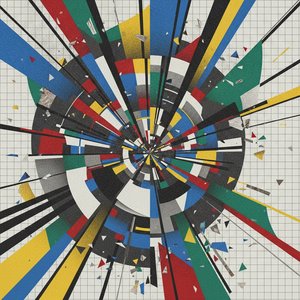
Beyond the Lines: The High-Impact Trend Forecast of Geometric Abstraction
Discover the high-impact world of Geometric Abstraction. From Cubist roots to modern urban trends, explore how bold shapes and colors redefine contemporary design. Elevate your space with expert art insights and custom-made abstract masterpieces.

Neo-Abstract Art: The High-Impact Evolution of Modern Visual Energy and Geometric Sophistication
Discover the power of Neo-Abstract art. Explore how bold geometric forms and high-impact visual energy are redefining modern design. Learn to curate sophisticated, high-energy spaces with the latest trends in contemporary abstraction and structural color.
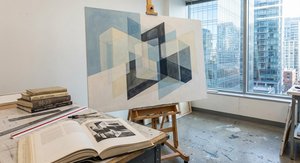
Beyond Form & Color: Geometric Abstraction's Enduring Legacy in Art History
Explore the captivating world of geometric abstraction! Discover its origins, key artists like Malevich & Mondrian, and why this movement remains highly valued by art collectors today. Expert insights at OriginalUniqueArt.
