 더 보기
더 보기


 가로 또는 세로 중 어느 한 면이라도 105cm(약 41인치)를 초과하는 작품이나 복제화의 경우, 프레임은 분해된 키트 형태로 배송됩니다. 이는 안전한 배송을 보장하고 운송 중 발생할 수 있는 손상을 방지하기 위함입니다.


이 작품에 대해 더 알아보기
텍스트 크기

() ·
당신만을 위해 손으로 직접 그린 그림
핸드메이드 유화 복제화
작가가 직접 캔버스에 손으로 그린 유화 작품으로, 원하는 크기와 액자로 맞춤 제작해 드립니다. ( 프린트 판매로 전환 디지털 이미지로 전환)
수집품 상세 설명
Explore Jean Lurçat’s ‘Baigneuses,’ a captivating 1925 oil painting showcasing expressive figures & evocative landscapes. A key work by this influential French artist.
작가 프로필
Jean Lurçat (1892-1966) was a pivotal French artist who revitalized contemporary tapestry. Known for bold colors, abstract forms & themes of nature, travel, and social commentary. Explore his paintings, ceramics & influential designs.
~부터 ·
제1장
어느 정도 크기가 적당할까요?
슬라이드를 움직여 크기를 변경해 보세요. 왼쪽의 이미지는 프레임의 실제 너비를 보여줍니다. 원작의 비율은 그대로 유지됩니다.
표준 규격
맞춤형
CM
INCH
작품의 원본 비율을 그대로 유지하는 프리셋 사이즈 중에서 선택해 보세요.
사이즈 불러오는 중...

가로 너비
세로 길이
액자나 벽면 크기에 맞춰 필요한 가로와 세로 길이를 입력해 주세요. 본 작품은 수작업으로 제작되므로, 요청하신 비율에 따라 작가가 그림의 가장자리를 조금 더 넓게 그리거나 일부를 조정하여 작업할 수 있습니다. 작업 시작 전, 최종 확인을 위해 디지털 목업 이미지를 보내드립니다. 이 페이지에 표시된 이미지는 실제 결과물과 다를 수 있으며, 오직 목업 이미지만이 정확한 결과물을 보여줍니다.
제2장
어떤 방식으로 배송받기를 원하시나요?
캔버스 옆면 스타일 선택
프레임을 선택하세요

화이트 테두리 ₩1

블러사이드 ₩1

옆면 확장형 ₩1

P118B ₩10

P118H ₩10

P118W ₩10

P438Z ₩10

P508JH ₩12

P508YH ₩12

P805H ₩10

P805Z ₩10

P919BZ ₩10

P919G ₩10

P919XJ ₩10

P959ZH ₩10

P968JZ ₩12

W106C ₩8

W218G ₩10

W218JH ₩8

W218Y ₩10

W307PJ ₩10

W316G ₩10

W316PJ ₩8

W316Y ₩10

W398PJ ₩8

W4111J ₩10

W500HY ₩15

W500JH ₩15

W692G ₩12

W849H ₩8

W940BG ₩15

W953PJ ₩8

H24-GOLD ₩30

H24-SILVER ₩30

H36-GOLD ₩45

H36-SILVER ₩45
액자형
몰딩: . 액자 포함 전체 크기: .
제3장
누가 그리며, 변경해야 할 사항이 있나요?
제4장
마지막 마무리 작업
박물관에 있는 것과 같은 명판을 원하시나요?
동판 각인 상세 정보
This elegant plaque features the artist's name and the title of the artwork, finely engraved for a timeless presentation.
It is made from bronze with a refined, elegant finish. The text is precisely laser-engraved for a sharp and permanent result. Measuring 9x2 cm, the plaque is compact yet easy to read. It's built to be durable and scratch-resistant, offering a professional, museum-quality look. Mounting is simple thanks to the included adhesive backing.
투명 아크릴 명판 상세 정보
The plaque includes essential engraved details such as the artist's name, the title of the artwork, the date it was created, the type of media used-like oil on canvas or watercolor-a brief description of the piece, and a QR code that links to the complete artwork information.
It is crafted from clear acrylic, offering a sleek, modern appearance. The text is UV-engraved in black to ensure strong visual contrast. With a size of 10x15 cm, it ensures optimal readability. It comes equipped with two metal hooks for secure wall mounting. The plaque is designed to be weather-resistant, making it suitable for various environments, and it includes interactive features that work seamlessly with smartphone scanning.
블랙 아크릴 명판 상세 정보
This elegant plaque includes engraved information such as the artist's name, the title of the artwork, the date it was created, the type of media used (like oil on canvas or watercolor), a short description of the artwork, and a QR code for quick access to more information.
The plaque itself is made from refined black acrylic with a premium finish. The text is laser-engraved in white for high contrast and readability. Its size is 10x15 cm, designed to be easy to read. It comes with two metal hooks for professional mounting. The design is sleek and fits any interior style. It is also weather-resistant and durable, with built-in digital integration for mobile compatibility.
보호용 바니시를 선택하시겠습니까?
언제 받기를 원하시나요?
제5장
주문하신 그대로의 작품
Baigneuses
재현 기법
복제본 크기
-
엄선된 시니어 아티스트
더욱 세밀한 묘사와 정교함, 그리고 충분한 제작 시간
-
복제화 액자 구성
-
-
가로 또는 세로 중 어느 한 면이라도 105cm(약 41인치)를 초과하는 작품이나 복제화의 경우, 프레임은 분해된 키트 형태로 배송됩니다. 이는 안전한 배송을 보장하고 운송 중 발생할 수 있는 손상을 방지하기 위함입니다.
전문가 조립 권장 - 본 제품은 DIY용이 아닙니다.
해당 키트는 숙련된 전문 프레임 제작자가 목공용 풀(별도 구매), 캔버스 스트레칭 플라이어 및 풀이 마르는 동안 나무 틀의 수평을 유지할 클램프를 사용하여 캔버스를 팽팽하게 고정하고 조립해야 합니다. 잘못된 조립이나 불균형한 캔버스 장력은 작품에 영구적인 손상을 입힐 수 있으며, 이로 인한 손상은 보증 범위에 포함되지 않습니다.
모든 원목 부재가 포함되어 있으며, 조립에 딱 맞게 정밀하게 재단되었습니다.
제공된 나사와 함께, 별도로 준비해야 하는 모서리 접합부용 목공용 풀을 사용하여 조립합니다. (목공용 풀은 포함되어 있지 않으므로 제작자께서 직접 준비해 주셔야 합니다.)
전문가용 도구가 필요하며 키트에 포함되어 있지 않습니다: 캔버스 스트레칭 플라이어(텐셔너)와 접착제가 마르는 동안 나무 틀의 수평을 유지하기 위한 클램프가 필요합니다.
주의사항:
모서리 접합부에는 목공용 풀이 필요하며, 풀이 완전히 마를 때까지 클램프로 바(bar)를 고정해야 합니다. 또한 조립된 프레임에 캔버스를 팽팽하게 당기려면 캔버스 스트레칭 플라이어가 필요합니다. 이 제품들 중 어느 것도 키트에 포함되어 있지 않습니다. 이 사이즈를 주문하시기 전에 숙련된 전문 액자 제작업체를 미리 섭외하시기 바랍니다.
작품 설명문
-
-
보호용 바니시
유광 바니시(색감을 선명하게 하며 빛과 습기로부터 보호함)
-
내 작품 맞춤 설정
변경 가능한 예시: 얼굴을 고객의 사진으로 교체, 반려동물 추가(예: 고양이를 강아지로 변경), 배경에 숨겨진 메시지 삽입, 배경 풍경 또는 요소 변경.
-
빠른 배송
전 세계 배송()은 기존 5주의 표준 기간 대신 3~4주 내에 완료됩니다. (4 11월). 품질에는 어떠한 타협도 하지 않습니다.
-
특급 배송
전 세계 배송(): 약 5주 소요 (11 11월).
포함됨
최종 결제 금액
₩ 401623
유리 옵션은 110cm 미만 크기에서만 선택 가능합니다.
모든 주문에 포함되는 혜택
- 전 세계 무료 특급 배송
- 프리미엄 린넨 캔버스
- 배송 전 과정 보험 적용
- 관세 및 수입세 환급 보장 서비스
- 원본과 동일한 색상 구현 보장
- 100일 이내 반품 정책 (결함 발생 시)
- 100% 환불 보장
- 다량 구매 할인 혜택
 미리보기
미리보기
 공유하기
공유하기 공유하기
공유하기
 상세 정보
상세 정보 가이드 보기

 다운로드
다운로드
 유사 작품 더 보기
 X-레이
X-레이 슬라이드 쇼 보기
 질의응답
질의응답 통계 정보
통계 정보수치로 보는
- 1925제작 연도
- 29선택 가능한 프레임
- 고유의 비율을 유지한 표준 사이즈
- 5작품 제작 및 배송까지 수주 소요
원작 안내

- 40.0 x 68.0 cm


본 작품은 저작권법의 보호를 받습니다.
이 페이지에 표시된 작품은 저작권법의 보호를 받으며, 이에 따라 동일한 복제품을 제작하거나 판매하는 것은 법으로 금지되어 있습니다. 이러한 권리 보호는 다음과 같은 국제 협약에 따라 시행됩니다. 베른 협약 또한 다음에서 명시하는 법률을 포함한 국내법에 의해 보호됩니다. 미국 저작권법 제17조.
저희는 존중을 담은 합법적인 대안으로서, 원작에서 영감을 받은 맞춤형 수제 유화 작품을 제공합니다. 저희의 숙련된 전문 화가들은 원작의 스타일, 분위기, 예술적 정수를 면밀히 연구하여, 그 자체로 독창적인 창작물이면서도 원작과 동일한 감동을 불러일으키는 새로운 작품을 만들어냅니다.
이 방식은 저작권 보호를 받는 예술 작품을 복제하거나 그대로 재현하는 것이 아니기에 저작권 규정을 완벽히 준수합니다. 대신, 이는 창의적인 재해석의 과정을 거칩니다. 즉, 원작에서 영감을 받되 원작과 동일하지 않은 새로운 회화 작품을 의미합니다.

Jean Lurçat
1892 - 1966, France
Jean Lurçat에 관한 주요 정보
- Artistic Movement Or Style: Contemporary tapestry revival
- Artists Who Influenced This Artist:
- Victor Prouvé
- Bernard Naudin
- Jean-Paul Lafitte
- Date Of Birth: 1892
- Date Of Death: 1966
- Full Name: Jean Lurçat
- Nationality: French
- Notable Artworks:
- Filles vertes
- Soirée dans grenade
- Place Of Birth: Bruyères, France
작가 정보
The Weaver of Modernity: The Life and Legacy of Jean Lurçat
In the grand tapestry of twentieth-century art, few figures loom as large or as textured as Jean Lurçat. Born in 1892 in the quiet town of Bruyères, France, Lurçat’s journey was one of profound transformation, moving from the rigorous study of medicine to the vibrant, tactile world of textile and pigment. His early years were shaped by a deep intellectual curiosity, leading him through the halls of the Faculté des Sciences de Nancy before he ultimately abandoned the stethoscope for the studio. This transition was not merely a change in profession but a spiritual migration toward the essence of form and color. Settling in Paris alongside his brother André, Lurç at found himself at the epicenter of a burgeoning modernism, rubbing shoulders with luminaries such as Matisse, Cézanne, and Renoir. These encounters infused his early work with a sense of structural boldness and a palette that would later define his revolutionary approach to medium.
The turbulence of the First World War left an indelible mark on Lurçat’s psyche and creative output. Having served in the infantry only to be sidelined by injury, his period of convalescence became a crucible for artistic experimentation. It was during these years of forced stillness that he began to explore the intimate relationship between line and surface, eventually leading to his first significant forays into tapestry with works like Filles Vertes and Soirée dans Grenade. His travels through Switzerland, Germany, and Italy provided a rich reservoir of classical and contemporary motifs, allowing him to weave together the ancient traditions of European craftsmanship with the avant-garde sensibilities of his era. By the time he established himself in Paris with Marthe Hennebert, Lurçat was no longer just a painter; he was an architect of thread.
A Revolution in Thread and Color
Jean Lurçat’s most enduring contribution to the art world was nothing less than the resurrection of contemporary tapestry. Before his intervention, tapestry was often viewed as a stagnant, decorative relic of the past—a medium relegated to mere imitation of painting. Lurçat shattered this perception by introducing a new aesthetic language that respected the inherent properties of the loom. He moved away from the fine, painterly details that required excessive shading and instead embraced bold, flat areas of color and strong, rhythmic outlines. This technique, often referred to as "the return to the large-scale," allowed the tapestry to breathe as an independent art form rather than a secondary reproduction.
His mastery lay in his ability to manipulate light and texture through a limited but potent palette. By focusing on the structural integrity of the weave, he created works that possessed a monumental presence. His themes were as varied as they were profound, ranging from:
- The Natural World: An obsession with flora and fauna that brought the organic rhythms of life to the loom.
- Social Commentary: Using the grand scale of tapestry to address the human condition and the complexities of modern society.
- Abstracted Form: A movement toward simplification that bridged the gap between figurative storytelling and modern abstraction.
Historical Significance and Lasting Impact
The significance of Jean Lurçat extends far beyond the borders of France or the confines of the textile industry. He was a pivotal figure in the Aubusson tapestry tradition, breathing new life into one of Europe's most historic artistic centers. Through his leadership and vision, he transformed a dying craft into a vibrant medium for modern expression, influencing generations of weavers and designers. His work served as a bridge between the classical heritage of the Renaissance and the experimental spirit of the mid-twentieth century.
Even as his career expanded into ceramics and diverse graphic arts, the core of his mission remained unchanged: to find the soul within the material. Today, when we look upon the bold, saturated landscapes and powerful silhouettes of a Lurçat original, we see more than just art; we see the triumph of a man who looked at a single thread and saw the potential for an entire universe. His legacy remains etched in the very fabric of modern art history, reminding us that true innovation often requires a profound respect for the traditions we seek to transform.
관련 콘텐츠

Jean-Michel Basquiat: Deconstructing Identity & Power Through Neo-Expressionist Graffiti
Explore the powerful work of Jean-Michel Basquiat & his impact on Neo-Expressionism. Discover how he deconstructed identity, challenged power structures, and left an enduring legacy in contemporary art. Expert analysis for collectors.
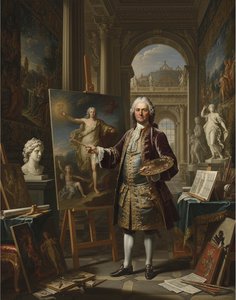
Charles Le Brun: Master of French Baroque Classicism & His Enduring Legacy
Explore the life & art of Charles Le Brun, master of French Baroque Classicism. Discover his royal commissions, influence on Versailles, and enduring legacy through detailed analysis & stunning artworks.
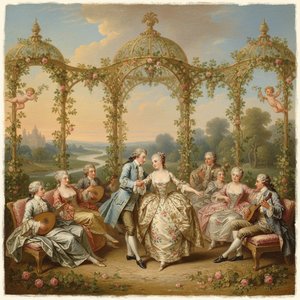
Jean-Baptiste Pater: Rococo Charm & Ephemeral Beauty of 18th-Century France
Explore the captivating world of Jean-Baptiste Pater, a master of Rococo painting. Discover his elegant *fête galante* scenes and shimmering portraits – a glimpse into 18th-century French aristocracy. Learn about his legacy & find high-quality reproductions.
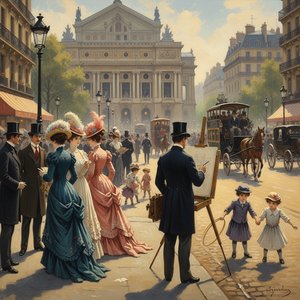
Jean-Georges Béraud: Capturing Parisian Life in the Belle Époque
Explore the captivating world of Jean-Georges Béraud, master painter of Belle Époque Paris. Discover his iconic scenes, artistic evolution, and social commentary. A deep dive into 19th-century French art.