

 실제 크기로 보기
 보내기
보내기 공유하기
공유하기
 상세 보기
상세 보기 가이드 보기

 이미지 다운로드
 유사 작품 더 보기
 X-레이
X-레이 슬라이드 쇼 보기
 Q&A
Q&A 통계 정보
통계 정보Scène de grève


 상세 보기
상세 보기
핸드메이드 유화 복제화
작가가 직접 캔버스에 손으로 그린 유화 작품으로, 원하는 크기와 액자로 맞춤 제작해 드립니다. ( 프린트 판매로 전환 디지털 이미지 판매 채널로 전환)




P118B ₩10

P118H ₩10

P118W ₩10

P438Z ₩10

P508JH ₩12

P508YH ₩12

P805H ₩10

P805Z ₩10

P919BZ ₩10

P919G ₩10

P919XJ ₩10

P959ZH ₩10

P968JZ ₩12

W106C ₩8

W218G ₩10

W218JH ₩8

W218Y ₩10

W307PJ ₩10

W316G ₩10

W316PJ ₩8

W316Y ₩10

W398PJ ₩8

W4111J ₩10

W500HY ₩15

W500JH ₩15

W692G ₩12

W849H ₩8

W940BG ₩15

W953PJ ₩8




작품의 원본 비율을 그대로 유지하는 프리셋 사이즈 중에서 선택해 보세요.

액자나 벽면 크기에 맞춰 필요한 가로와 세로 길이를 입력해 주세요. 본 작품은 수작업으로 제작되므로, 요청하신 비율에 따라 작가가 그림의 가장자리를 조금 더 넓게 그리거나 일부를 조정하여 작업할 수 있습니다. 작업 시작 전, 최종 확인을 위해 디지털 목업 이미지를 보내드립니다. 이 페이지에 표시된 이미지는 실제 결과물과 다를 수 있으며, 오직 목업 이미지만이 정확한 결과물을 보여줍니다.
주문 완료 후 OriginalUniqueArt.com 팀에서 상세 안내를 위해 고객님께 이메일을 보내드리며, 미리보기 시안을 함께 제공해 드립니다.


 유리 옵션은 110cm 미만 크기에서만 선택 가능합니다.

Scène de grève
재현 매체
복제본 규격
-


총 결제 금액
₩ 439920
A Symphony of Despair: The Visceral World of Jean Louis Forain
In the hauntingly evocative Scène de Grève, completed in 1897, Jean Louis Forain invites the viewer into a realm where the boundaries between social reality and emotional expressionism blur. This is not merely a painting; it is a visceral testament to human suffering and the heavy toll of upheaval. At first glance, the canvas presents a landscape of profound devastation, yet as one lingers before its textured surface, a deeper, more complex narrative begins to unfold. Forain, a master who transitioned from the sharp wit of a Parisian caricaturist to the profound depths of Impressionism and Social Realism, utilizes this piece to capture a moment of overwhelming loss that feels both historically grounded and timelessly tragic.
The composition is a masterclass in controlled chaos. Forain employs a deliberately flattened perspective, a technique that strips away the comfort of depth and replaces it with an inescapable sense of claustrophness. The viewer’s eye is immediately drawn to a solitary figure positioned centrally in the foreground—a sentinel of sorrow dressed in dark, somber tones. This individual appears to be engaged in a grim task, perhaps using a surveying tool to assess the wreckage of what has been lost. Behind this lone observer, the background erupts into a sprawling, amorphous mass of bodies, creating a stark contrast between individual isolation and the collective tragedy of the crowd. The horizontal, gestural lines that dominate the scene mirror the relentless, crushing weight of destruction, pulling the viewer into the very heart of the gloom.
Technique and the Texture of Tragedy
To behold Scène de Grève is to experience the raw power of oil on canvas. Forain’s technique is characterized by an intense use of impasto, where paint is applied in thick, palpable layers that lend a three-dimensional urgency to the subject matter. The visible, energetic brushstrokes do not merely depict form; they convey the very agitation and grief inherent in the scene. This tactile quality allows light to catch the ridges of the pigment, creating subtle variations in shadow that deepen the atmospheric dread. The color palette is intentionally restrained, relying on a somber arrangement of browns, grays, and ochres. These muted tones work in harmony to reinforce the pervasive sense of decay and the bleakness of an era marked by industrial struggle and social unrest.
Beyond the physical application of paint, the symbolism within the work speaks to the intersection of humanity and industry. The distant, looming factory chimneys serve as a grim reminder of the industrial age's potential for both progress and devastation. For collectors and enthusiasts of fine art, this piece offers more than just aesthetic beauty; it provides a profound meditation on resilience amidst ruin. The way the light is diffused and unevenly cast across the fallen figures heightens the sense of an uncertain future, making the artwork a powerful centerpiece for any collection that values emotional depth and historical gravity. For interior designers, such a piece serves as a sophisticated anchor in a room, demanding contemplation and providing a window into the soul of late 19th-century French expression.
질의응답
"Scène de grève"에 사용된 기법은 무엇이며, 제작 시기는 언제인가요?
"Scène de grève"은(는) 1897년에 Oil On Canvas 기법으로 제작되었습니다.
장 루이 포랭의 "Scène de grève" 복제본은 어떤 용도로 사용하기에 좋나요?
장 루이 포랭의 "Scène de grève"의 복제본은 Mood에 활용하시기에 좋습니다. 이는 작품의 주제와 분위기, 그리고 색감을 고려한 제안입니다.
증강 현실(AR)을 사용하여 제 방에 장 루이 포랭의 "Scène de grève"를 배치해 볼 수 있나요?
"Scène de grève"은(는) 증강 현실 미리보기를 제공합니다. 작품의 AR 미리보기 페이지를 통해 호환 가능한 기기에서 여러분의 공간에 배치된 작품을 확인해 보세요.
작가 소개
초기 생애와 예술적 시작
- 출생: 프랑스 랭스 (1852년)
- 사망: 1931년
- 장 루이 포랭의 예술 여정은 1852년 10월 23일 프랑스 랭스에서 시작되었습니다. 열 살 때 가족이 파리로 이주한 것은 그의 미래 경력에 결정적인 영향을 미쳤습니다.
- 그의 아버지인 장식 간판 화가로부터 초기 지원과 예술에 대한 노출을 얻었습니다.
- 포랭은 캐리커처 작가로 활동하며 르 몽 파리지앵이나 르 리르 사티리크와 같은 파리 잡지에 풍자적인 그림들을 기고했습니다. 이는 그의 관찰력과 재치를 갈고닦는 계기가 되었습니다.
- 이후 장-레옹 제뢴과 장-바티스트 카르포의 지도 아래 국립미술학교(École des Beaux Arts)에서 정식 교육을 받았습니다.
인상주의적 영향과 예술적 발전
- 포랭은 인상주의 운동에 깊이 관여하게 되었으며, 1879년부터 1884년 사이에 여러 전시회에 참여했습니다.
- 그는 순간의 포착, 빛의 효과, 그리고 일상생활의 장면들을 담아내는 핵심적인 인상주의 원칙들로부터 영향을 받았습니다.
- 풍경화에 집중했던 동시대 예술가들과 달리, 포랭은 자신의 작품 세계를 파리의 대중 오락거리, 즉 활기 넘치는 카페, 경마장, 발레 무대에 집중시켰습니다.
- 그의 화풍은 거친 붓놀림, 강렬한 색채, 그리고 도시적인 분위기에 대한 예리한 시선으로 발전했습니다.
주요 작품과 예술적 스타일
- 포랭은 유화, 수채화, 파스텔, 에칭, 리소그래피 등 다양한 매체를 사용했습니다.
- "베를렌의 구절들, 한 방랑자가 시골을 거닐다"는 그가 프랑스 생활상을 세밀하게 포착해내는 능력을 잘 보여주는 예시입니다.
- 그의 수채화 작품들은 생동감 넘치는 색채와 분위기로 찬사를 받습니다.
- 포랭의 스타일은 캐리커처와 인상주의를 융합하여 유머러스하면서도 통찰력 있는 작품들을 창조해냈습니다.
- 그는 인간 군상을 그리는 데 능했으며, 종종 특징을 과장하여 기억에 남는 캐릭터를 만들어냈습니다.
- 파리의 밤문화, 오페라 관객들, 경마 참가자들에 대한 그의 묘사는 19세기 말 프랑스 사회의 한 단면을 들여다보는 창과 같습니다.
후기 생애와 유산
- 제1차 세계대전 중 포랭은 애국적인 삽화들을 남겼으며, 심지어 위장 담당 부대에 자원하기도 했습니다.
- 말년에는 법정이나 파리의 기관들 같은 장면들을 그렸습니다.
- 그는 런던 왕립미술원 회원으로 선출되기도 했습니다.
- 장 루이 포랭은 1931년 7월 11일에 세상을 떠났으며, 그의 재치와 관찰력, 그리고 파리 생활상에 대한 묘사로 감탄받는 중요한 작품들을 남겼습니다.
소장처 및 추가 탐구
- 모리스 드니 미술관 (프랑스)
- 국립 장 자크 에네 미술관 (파리, 프랑스)
- 더 많은 작품 둘러보기: 장 루이 포랭 | 121점의 작품
- 회화 복제본 주문하기: 장 루이 포랭 회화 복제본 주문하기

장 루이 포랭
1852 - 1931 , 프랑스
작가 정보 요약
- Artistic Movement Or Style: 인상주의
- Artists Or Movements Influenced By This Artist: ['앙리 드 툴루즈-로트레크']
- Artists Who Influenced This Artist:
- 장-레옹 제뢸므
- 장-바티스트 카르포
- 에드가 드가
- 오노레 도미에
- Date Of Birth: 1852년 10월 23일
- Date Of Death: 1931년 7월 11일
- Full Name: 장-루이 포랭
- Nationality: 프랑스
- Notable Artworks:
- 베를렌의 시에 대하여
- 벤치 위의 공화국
- Place Of Birth: 랭스, 프랑스
관련 기사

The Soul of Impressionism: Why Oil on Canvas Captures Eternal Light and Timeless Emotion
Discover the enchanting alchemy of Impressionism. Explore how the mastery of oil on canvas, through glazing and impasto, captures eternal light and emotion. Perfect for lovers of Monet and Van Gogh seeking the profound depth of hand-painted fine art.

폴 세잔 명작 25선: 시대를 초월하는 예술과 공간의 미학 | OriginalUniqueArt
폴 세잔의 시대를 초월하는 명작 25점을 만나보세요. 인상주의를 넘어 후기 인상주의를 개척한 화가의 예술 세계와 정물화, 풍경화 속 숨겨진 이야기를 OriginalUniqueArt에서 감상하세요. 고품질 아트 프린트와 캔버스 액자로 공간에 예술을 더해보세요! 지금 바로 컬렉션을 탐험하세요.

Romantic Realism's Finest: 10 Masterpieces for Your Home | OriginalUniqueArt
Explore 10 defining masterpieces of Romantic Realism! Discover Courbet, Millet & Daumier's powerful paintings—capturing emotion and social realities. Find museum-quality reproductions for your home at OriginalUniqueArt.com.
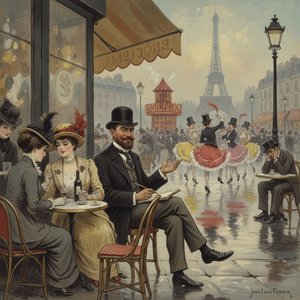
Jean-Louis Forain: Capturing Parisian Life with Wit & Realism
Explore the captivating world of Jean-Louis Forain, a master Impressionist chronicler of Belle Époque Paris. Discover his satirical paintings, realistic scenes & lasting legacy. Learn about collecting Forain's art today!

The Enduring Legacy of Oil on Canvas: Technique, History & Aesthetic Impact
Explore the rich history & techniques of oil painting – from Renaissance masters to Impressionism. Discover pigments, layering methods, and why this timeless medium endures. Expert insights for artists & art enthusiasts.