

 미리보기
미리보기
 공유하기
공유하기 공유하기
공유하기
 상세 정보
상세 정보 Guide
Guide

 다운로드
다운로드
 유사 작품
유사 작품 X-레이
X-레이 슬라이드 쇼
 통계 정보
통계 정보Voltaire Planting Trees
 Acrylic On Canvas
- WallArt
- Silhouette Painting
 1750
1750 53.0 x 43.0 cm
 에르미타주 박물관
 더 보기
더 보기
수제 유화 복제품
원하는 크기와 액자로 주문 제작되는, 작가들이 직접 캔버스에 손으로 그린 유화 작품입니다. ( 프린트 판매로 전환 디지털 이미지로 전환)




P118B $10

P118H $10

P118W $10

P438Z $10

P508JH $12

P508YH $12

P805H $10

P805Z $10

P919BZ $10

P919G $10

P919XJ $10

P959ZH $10

P968JZ $12

W106C $8

W218G $10

W218JH $8

W218Y $10

W307PJ $10

W316G $10

W316PJ $8

W316Y $10

W398PJ $8

W4111J $10

W500HY $15

W500JH $15

W692G $12

W849H $8

W940BG $15

W953PJ $8




작품의 원본 비율을 유지하는 미리 설정된 크기 중에서 선택하세요.

특정 프레임이나 공간에 맞도록 직접 크기를 입력할 수 있습니다. 선택하신 크기가 원본 이미지의 비율과 일치하지 않는 경우, 작품을 자르거나 추가적인 손으로 그린 요소를 사용하여 그림을 확장합니다. 제작 시작 전 승인을 위해 디지털 목업을 보내드립니다.
화면 미리 보기는 실제 자르기 또는 확장을 반영하지 않습니다. 최종 구성은 목업을 통해서만 정확하게 확인하실 수 있습니다.
맞춤 크기 제작도 가능하지만, 원본 비율을 유지하기 위해 사전 정의된 목록에서 크기를 선택하시는 것을 권장합니다.
주문 후 OriginalUniqueArt.com 팀에서 상세 안내를 위해 고객님께 이메일을 보내드리며, 미리보기 시안을 제공해 드립니다.


 유리 옵션은 110cm 미만 크기에서만 선택 가능합니다.

Voltaire Planting Trees
재현 기법
복제본 크기
-


최종 결제 금액
$ 300
The Seeds of Reason: Jean Huber’s “Voltaire Planting Trees”
Jean Huber's "Voltaire Planting Trees," painted in 1750, isn’t merely a depiction of a pastoral scene; it’s a carefully constructed dialogue between philosophy and nature, a visual testament to the profound friendship between the celebrated writer Voltaire and the enigmatic artist. The painting captures a moment of quiet industry – Voltaire, recognizable by his distinctive wig and spectacles, diligently planting trees alongside two men in livery, their faces turned towards him with attentive respect. The scene unfolds within a meticulously rendered countryside, a carefully orchestrated landscape that speaks volumes about the era’s burgeoning ideals of reason, progress, and civic virtue.
Huber, a pivotal figure in the development of silhouette art, was more than just a painter; he was an innovator, a social commentator, and a devoted companion to Voltaire. His work reflects this multifaceted personality – a blend of meticulous observation, satirical wit, and a deep appreciation for the natural world. “Voltaire Planting Trees” exemplifies his skill in capturing not just appearances but also the essence of character, imbuing each figure with a subtle sense of dignity and purpose.
A Silhouette of Influence: Huber’s Artistic Technique
The painting's immediate impact lies in its striking silhouette technique. Huber masterfully employs deep shadows to define the figures against a lighter background, creating an almost theatrical effect. This wasn’t simply a stylistic choice; it was a deliberate strategy for capturing detail and conveying mood with remarkable economy of line. Huber’s process involved sketching directly onto the canvas, using charcoal to build up the forms before applying paint. The resulting image is both precise and evocative, drawing the viewer's eye to the central figures while simultaneously suggesting a vast, atmospheric landscape.
The use of color is restrained yet effective. Subtle washes of ochre, brown, and green create a sense of depth and realism, grounding the scene in the tangible reality of the countryside. The carefully chosen palette reinforces the painting’s themes of growth, cultivation, and the harmonious relationship between humanity and nature – concepts central to Voltaire's philosophical outlook.
Symbolism Rooted in Enlightenment Ideals
Beyond its technical brilliance, “Voltaire Planting Trees” is rich in symbolic meaning. The act of planting trees represents more than just a simple agricultural task; it’s an allegory for the cultivation of knowledge, virtue, and societal progress – core tenets of the Enlightenment. Voltaire, as the central figure, embodies this ideal, actively shaping the future through his intellectual pursuits and his commitment to reason. The two men assisting him symbolize the importance of collaboration and civic engagement in building a better world.
Furthermore, the choice of trees themselves carries significant weight. Trees are traditionally associated with longevity, wisdom, and connection to the past – qualities that Voltaire deeply valued. The scene can be interpreted as a visual representation of his belief in the enduring power of ideas and the importance of preserving cultural heritage.
A Legacy of Vision: Huber’s Enduring Appeal
“Voltaire Planting Trees” remains a captivating work of art, offering a glimpse into the intellectual and artistic landscape of 18th-century Europe. It's a testament to Jean Huber’s extraordinary talent as both an artist and a social observer, and a poignant reminder of the enduring legacy of his friendship with Voltaire. Reproductions of this iconic painting capture not only its visual beauty but also the spirit of enlightenment that it so powerfully embodies – a timeless message of progress, reason, and the transformative power of human connection.
작가 약력
The Versatile Visionary of the Enlightenment
In the vibrant intellectual landscape of the 18th century, few figures embodied the spirit of the Enlightenment quite like Jean Huber. Born in Geneva, a city steeped in both scientific rigor and artistic refinement, Huber was far more than a mere painter; he was a polymath whose creative reach extended into the realms of literature, satire, and even military service. His life, spanning from 1744 to 1786, was a tapestry woven with threads of precision and whimsy. While his early years were shaped by the disciplined atmosphere of Swiss heritage, his artistic soul sought the freedom found in movement, light, and the delicate edges of shadow. This duality—the soldier’s discipline meeting the artist’s curiosity—allowed him to capture the world with an unparalleled eye for both the grand and the minute.
Huber’s journey was deeply intertwined with the great thinkers of his era, most notably the philosopher Voltaire. This connection provided more than just social prestige; it offered a window into the burgeoning cultural shifts of Europe. Through his interactions with the intellectual elite, Huber’s work began to reflect the era's fascination with naturalism and social commentary. His ability to blend the observational accuracy required for scientific study with the biting wit of caricature made him a unique voice in an age of profound transformation. Whether he was documenting the anatomy of a creature or sketching a satirical portrait of a contemporary, Huber’s hand remained guided by a profound respect for the truth of his subject.
Mastery of Form and the Silhouette Revolution
The true hallmark of Huber’s artistic legacy lies in his revolutionary approach to portraiture and his mastery of the silhouette. Before the advent of photography, the silhouette offered a captivating way to capture the essence of a human profile through stark, elegant contrast. Huber did not merely practice this technique; he championed it, elevating it from a simple craft to a sophisticated art form. By stripping away the distractions of color and complex shading, he focused the viewer's attention on the pure geometry of the face and the evocative power of the outline. This minimalist approach required an extraordinary level of precision, as every curve and contour had to be perfectly rendered to convey character and emotion.
Beyond the delicate profiles that defined his portraiture, Huber possessed a remarkable talent for capturing the raw energy of the natural world. His studies of animals and hunting scenes were characterized by a profound sensitivity to texture and motion. He had an uncanny ability to render the sheen of a horse's coat or the tension in a predator's muscles, utilizing subtle gradations of light that hinted at the sfumato techniques of the Old Masters. His work often felt alive, as if the viewer had stumbled upon a fleeting moment in the wild. This mastery of detail was complemented by his skill in caricature, where he used his keen observational powers to create satirical works that poked fun at the social hierarchies and eccentricities of 18th-century life.
A Lasting Legacy in Swiss Art
The significance of Jean Huber extends far beyond the borders of Switzerland. He remains a pivotal figure in the history of European art, representing a bridge between the classical traditions of the past and the modern, observational styles that would emerge in the centuries to follow. His contributions can be summarized through several key artistic milestones:
- Innovation in Portraiture: The popularization and refinement of the silhouette as a legitimate and expressive medium for capturing human likeness.
- Naturalistic Excellence: A profound contribution to animalier art, blending scientific accuracy with aesthetic beauty.
- Social Commentary: The use of caricature and satire to engage with the political and social dialogues of the Enlightenment.
- Technical Versatility: An extraordinary range of skills encompassing painting, drawing, and illustrative work that captured both the monumental and the miniature.
Today, when we look upon the works of Huber, we see more than just historical artifacts; we see the pulse of an era. His ability to find beauty in a simple shadow and humor in a sharp line continues to inspire those who appreciate the intersection of art and intellect. He remains a testament to the idea that an artist can be both a meticulous observer of nature and a daring commentator on the human condition, leaving behind a legacy that is as much about the light he captured as the shadows he defined.

Jean Huber
1944 - 1786 , Switzerland
주요 정보
- Artistic Movement Or Style: Silhouette Art
- Artists Or Movements Influenced By This Artist: ['']
- Artists Who Influenced This Artist: ['']
- Date Of Birth: February 13, 1721
- Date Of Death: August 21, 1786
- Full Name: Jean Huber
- Nationality: Swiss
- Notable Artworks:
- Voltaire Narrating a Fable
- Voltaire's Morning
- Young philosopher
- Place Of Birth: Geneva, Switzerland
관련 기사 더 보기

Arboreal Echoes: A Historical & Artistic Exploration of Trees in Painting
Explore the rich history of trees in painting! Discover symbolism, Romantic masterpieces by Caspar David Friedrich & beyond. A curated journey for art enthusiasts.

낭만 풍경화의 황홀! 예술사에 빛난 10대 걸작 탐구 | 와후아트
낭만주의 시대, 예술혼을 불태운 10대 풍경화 걸작! 터너부터 프리드리히까지, 시대를 초월하는 아름다움을 와후아트에서 만나보세요. 고흐의 색채와 코로의 섬세함이 당신의 공간에 영감을 더합니다. 지금 바로 와후아트에서 명품 미술 작품을 감상하고 구매하세요!
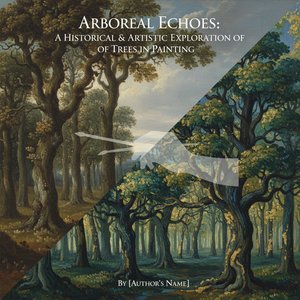
Arboreal Echoes: A Historical & Artistic Exploration of Trees in Painting
Explore the rich history of trees in painting! Discover symbolism, Romantic masterpieces by Caspar David Friedrich & beyond. A curated journey for art enthusiasts.

Evocations of Place: A Historical Journey Through Landscape Art
Explore the rich history of landscape art with OriginalUniqueArt. Discover renowned artists, movements like Impressionism & Romanticism, and expert guidance for collecting timeless pieces. Find your perfect serene escape today!

존 컨스터블 대표작 25선: 영국 풍경화의 거장, 자연과 감성을 담은 명화 컬렉션 | OriginalUniqueArt
존 컨스터블 대표작 25선을 만나보세요. 영국 풍경화 거장의 자연주의 회화, 데담 밸리의 아름다움과 헤이 웨인의 정취를 담은 명화를 감상하세요. OriginalUniqueArt에서 고품질 예술 작품 복제본을 소장하고 특별한 인테리어를 완성해보세요. 지금 바로 컬렉션을 탐험하세요!