 실제 크기로 보기
 보내기
보내기 공유하기
공유하기
 상세 보기
상세 보기 가이드 보기

 이미지 다운로드
 유사 작품 더 보기
 X-레이
X-레이 슬라이드 쇼 보기
 Q&A
Q&A 통계 정보
통계 정보the sower


 상세 보기
상세 보기
지클레 / 아트 프린트
빠른 제작과 다양한 마감 옵션을 선택할 수 있는 박물관 수준의 지클레이 및 캔버스 프린트. ( 수작업 채색 복제본 주문하기 디지털 이미지 판매 채널로 전환)




P118B ₩10

P118H ₩10

P118W ₩10

P438Z ₩10

P508JH ₩12

P508YH ₩12

P805H ₩10

P805Z ₩10

P919BZ ₩10

P919G ₩10

P919XJ ₩10

P959ZH ₩10

P968JZ ₩12

W106C ₩8

W218G ₩10

W218JH ₩8

W218Y ₩10

W307PJ ₩10

W316G ₩10

W316PJ ₩8

W316Y ₩10

W398PJ ₩8

W4111J ₩10

W500HY ₩15

W500JH ₩15

W692G ₩12

W849H ₩8

W940BG ₩15

W953PJ ₩8




작품의 원본 비율을 그대로 유지하는 프리셋 사이즈 중에서 선택해 보세요.

액자나 벽면 크기에 맞춰 필요한 가로와 세로 길이를 입력해 주세요. 프린트는 원본 이미지보다 크게 제작할 수 없으며 오직 자르는 것만 가능하므로, 비율이 다른 사이즈를 선택할 경우 이미지의 일부가 잘려 나갈 수 있습니다. 인쇄 작업에 들어가기 전, 최종 확인을 위해 디지털 목업을 보내드립니다. 이 페이지에 표시된 이미지는 실제 잘리는 영역을 나타내지 않으며, 오직 목업을 통해서만 정확한 확인이 가능합니다.


 유리 옵션은 110cm 미만 크기에서만 선택 가능합니다.

the sower
지클레 / 아트 프린트
복제본 규격
-


총 결제 금액
₩ 107587
A Portrait of Rural Dignity: Exploring Jean-François Millet’s “The Sower”
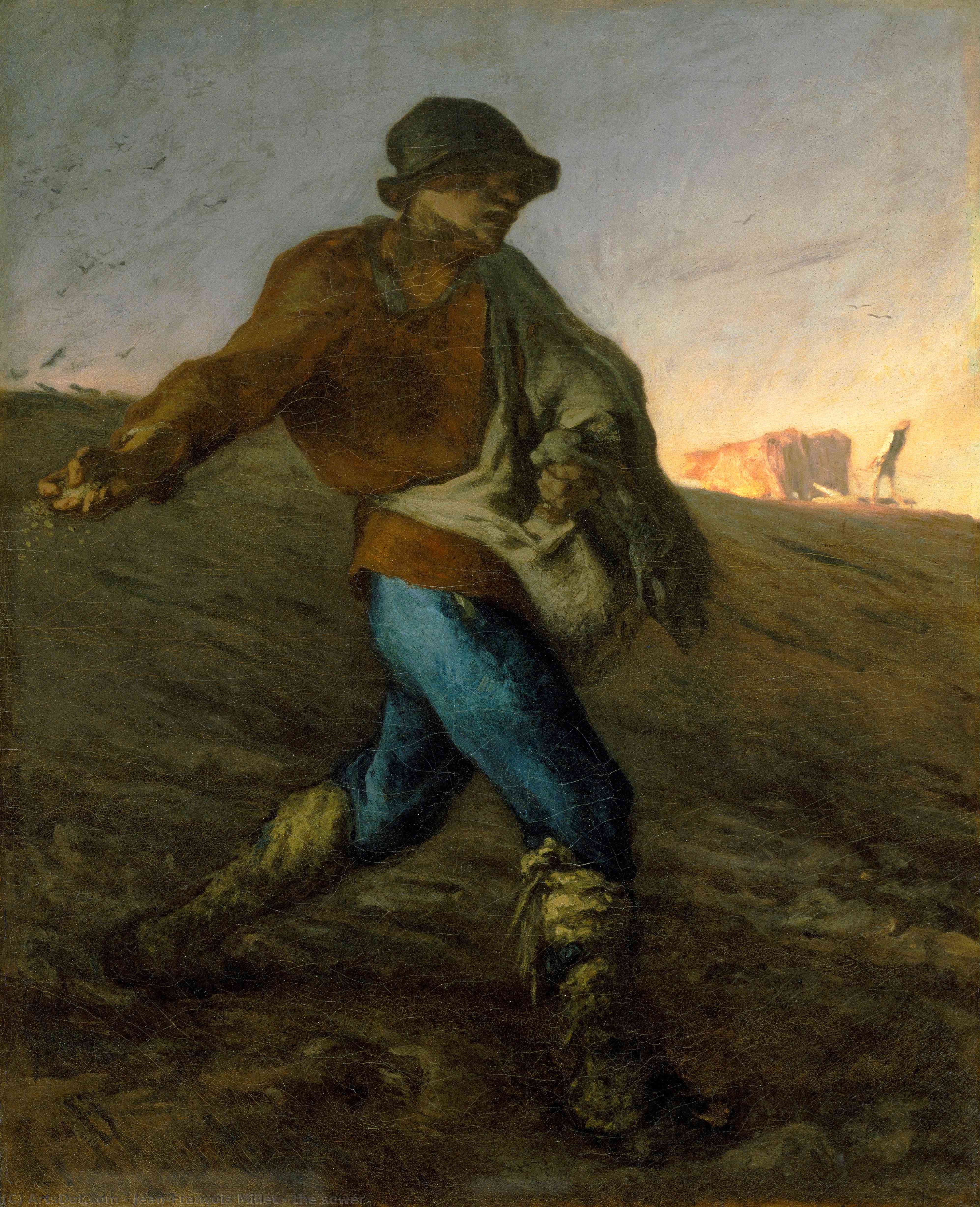
Jean-François Millet's "The Sower," completed in 1850, transcends mere depiction; it embodies the spirit of Realism and speaks volumes about the human condition amidst the quiet grandeur of the French countryside. More than just a visual record of agricultural labor, this painting is a profound meditation on hope, perseverance, and the enduring connection between humanity and nature—themes that continue to resonate powerfully with audiences today.The Artist's Vision: Millet and the Barbizon School
Jean-François Millet (1814 – 1875) emerged from Gruchy, Normandy, a village deeply rooted in farming traditions. His formative years were spent immersed in the rhythms of rural life—a stark contrast to the artistic circles of Paris at the time. Yet, it was precisely this grounding in the tangible world that fueled Millet’s artistic endeavors and firmly established him as one of the founders of the Barbizon school. Rejecting academic conventions championed by the École des Beaux-Arts, Millet sought inspiration directly from observation—a revolutionary approach for its era—resulting in canvases imbued with an unparalleled sense of authenticity and immediacy. He wasn't interested in idealized beauty; he aimed to capture the honest realities of peasant existence.Composition and Technique: Chiaroscuro’s Embrace
The painting’s visual impact stems from Millet’s masterful use of chiaroscuro—the dramatic interplay between light and shadow—a technique perfected by artists like Rembrandt and Caravaggio. This masterful manipulation creates a palpable sense of depth, pulling the viewer into the scene and focusing attention on the central figure: the sower. The man is positioned against a luminous sky, highlighting his silhouette and emphasizing his vulnerability yet simultaneously conveying strength through posture and gaze. Millet employed thick impasto—applying paint in textured layers—to build up the surface of the canvas, capturing the physicality of the soil and the laborer’s movements with remarkable accuracy. This tactile approach contributes significantly to the painting's emotional resonance.Symbolism: Seeds of Hope Amidst Vastness
“The Sower” is laden with symbolic significance. The act of sowing itself represents more than just planting seeds; it embodies aspirations for renewal, fertility, and the cyclical nature of existence—a powerful metaphor for human endeavor and faith in the future. Millet deliberately places the sower amidst a sprawling field, dwarfed by the immensity of nature, underscoring the insignificance of individual effort against the forces of time and circumstance. However, this perceived vulnerability is countered by the man’s unwavering determination—his outstretched arm reaching towards the earth—a gesture signifying resilience and commitment to his vocation. The horse figures flanking him serve as silent witnesses to this labor, symbolizing sustenance and support for the farmer's work.Legacy and Influence: A Pioneer of Modern Art
Millet’s influence extended far beyond the Barbizon school, profoundly impacting subsequent generations of artists. Vincent van Gogh famously admired Millet’s style, recognizing its ability to convey emotion through simple forms and expressive brushwork—a cornerstone of Impressionism and Expressionism. “The Sower” remains a testament to the enduring power of art to illuminate human experience and capture the beauty inherent in everyday life. Its reproductions offer an opportunity to appreciate this masterpiece's timeless appeal and to bring its spirit of quiet dignity into any interior space.질의응답
장 프랑수아 밀레의 "the sower"의 채도는 어느 정도인가요?
장 프랑수아 밀레의 "the sower"은(는) Subtle Color의 채도로 기록되었습니다.
장 프랑수아 밀레의 "the sower"은(는) 회화인가요, 드로잉인가요, 아니면 판화인가요?
장 프랑수아 밀레의 "the sower"은(는) WallArt로 분류됩니다. 이 카테고리는 원작이 어떤 종류의 예술 작품인지를 설명합니다.
장 프랑수아 밀레의 "the sower"과(와) 유사한 작품을 어떻게 찾을 수 있나요?
장 프랑수아 밀레의 "the sower"과(와) 유사한 작품들은 해당 작품의 유사한 작품 페이지에서 확인하실 수 있습니다.
작가 소개
흙의 삶: 장 프랑수아 밀레의 세계
장 프랑수아 밀레(Jean-François Millet, 1814년 10월 4일 – 1875년 1월 20일)는 19세기 프랑스 예술계에 깊은 흔적을 남긴 화가입니다. 그는 농촌의 삶과 노동하는 사람들의 모습을 진솔하게 그려내며 사실주의(Realism) 운동의 선구자 역할을 했습니다. 밀레의 그림들은 단순한 기록이 아닌, 인간의 존엄성과 자연과의 조화를 노래하는 시적인 작품들로 평가받고 있습니다. 그의 삶은 노르망디 지방 그루시(Gruchy)라는 작은 마을에서 농부의 아들로 태어나면서 시작되었습니다. 어린 시절부터 밭에서 일하며 자연과 함께 살아가는 경험은 밀레에게 깊은 영감을 주었고, 이는 그의 작품 전반에 걸쳐 나타나는 중요한 주제가 되었습니다. 정규 미술 교육을 받으며 재능을 키워나갔지만, 파리 아카데미의 권위적인 분위기와 형식주의적 그림 방식에 반발하며 자신만의 길을 개척하고자 했습니다.예술적 여정과 사실주의로의 전환
밀레는 처음에는 초상화를 그리며 생계를 유지했지만, 곧 자신의 진정한 예술적 소명을 깨닫게 됩니다. 그는 이상화된 풍경이나 신화 속 인물 대신, 농부들의 고된 노동과 일상적인 삶을 그리기 시작했습니다. 이러한 변화는 개인적인 비극 – 아내 폴린-위르진니 오노의 죽음 – 와 함께 사회에 대한 깊은 성찰에서 비롯되었습니다. 1848년 혁명 이후 밀레는 파리에서의 불안정한 생활을 떠나 바비종(Barbizon) 마을로 이주합니다. 이곳에서 그는 콘스탕트 트루용(Constant Troyon), 나르시스 디아즈(Narcisse Diaz), 샤를 자크(Charles Jacque), 테오도르 루소(Théodore Rousseau) 등과 함께 자연을 직접 관찰하며 그림을 그리는 ‘바비종 학파’의 중심 인물이 됩니다. 야외에서 작업하는 방식은 밀레에게 빛과 색채에 대한 새로운 이해를 가져다주었고, 그의 작품은 더욱 사실적이고 생동감 넘치는 표현으로 발전하게 되었습니다.노동의 서정시: 주제와 기법
밀레의 그림들은 농촌 사회의 현실을 가감 없이 보여주는 동시에, 노동하는 사람들의 삶에 대한 깊은 공감과 존경심을 담고 있습니다. 그는 단순한 노동 묘사를 넘어, 인간의 노력과 자연과의 조화 속에서 발견되는 아름다움을 표현하고자 했습니다. 대표작인 <만종>(The Gleaners)은 수확이 끝난 들판에서 남은 곡식을 거두는 여성들의 모습을 통해 가난하지만 묵묵히 살아가는 사람들의 강인함을 보여줍니다. <천사의 기도>(The Angelus)는 해질 무렵 농부 부부가 잠시 멈춰 기도하는 순간을 담아냈으며, 일상적인 행위를 신성한 의식으로 승화시키는 듯한 인상을 줍니다. <파종자>(The Sower)는 씨앗을 뿌리는 농부를 통해 자연의 순환과 인간의 희망을 상징적으로 표현하고 있습니다. 밀레는 네덜란드 화가들의 빛과 그림자의 활용 기법, 그리고 고대 조각의 균형미에서 영감을 받아 자신의 작품에 반영했습니다. 그는 제한된 색상 팔레트를 사용하면서도 흙의 질감과 자연의 풍경을 섬세하게 표현했으며, 여러 겹의 물감을 쌓아 올려 깊이 있는 화면을 만들어냈습니다.영원한 유산: 밀레의 영향과 역사적 의의
장 프랑수아 밀레는 1875년 바비종에서 세상을 떠났지만, 그의 작품은 예술계에 지대한 영향을 미쳤습니다. 그는 사실주의를 주도하며 아카데미 미술의 권위를 타파하고 인상주의와 사회적 현실주의 등 후대 사조에 영감을 제공했습니다. 밀레의 그림들은 평범한 사람들의 삶과 사회 문제에 대한 관심을 불러일으켰으며, 문학가, 시인, 사회 운동가들에게도 큰 영향을 미쳤습니다. 오늘날 그의 작품은 전 세계 미술관에서 전시되고 있으며, 여전히 많은 이들에게 감동과 영감을 선사하고 있습니다. 밀레의 그림들은 인간의 존엄성과 자연과의 조화라는 보편적인 가치를 담고 있어 시대를 초월하여 사랑받고 있습니다.주요 작품
- 만종(The Gleaners): 수확 후 남은 곡식을 거두는 여성들의 모습
- 천사의 기도(The Angelus): 농촌의 신앙심과 일상의 경건함
- 파종자(The Sower): 자연의 순환과 인간의 희망을 상징하는 작품
- 쟁기질하는 사람(Man with a Hoe): 육체 노동의 고된 현실과 인간의 인내
- 휴식을 취하는 농부들(Harvesters Resting): 수확 후 잠시 쉬는 농부들의 모습
- 빵을 굽는 여인(Woman Baking Bread): 가정 생활의 소중함과 여성의 역할

장 프랑수아 밀레
1814 - 1875 , 프랑스
작가 정보 요약
- 국적: 프랑스
- 대표 작품:
- 구르는 여자들
- 천사의 전령
- 파종자
- 낫을 든 사람
- 사망일: 1875년 1월 20일
- 영향을 받은 예술 사조:
- 인상주의
- 사회적 사실주의
- 영향을 준 예술가:
- 네덜란드 화가
- 폴 들라로슈
- 예술 사조: 사실주의, 바비종파
- 전체 이름: 장 프랑수아 밀레
- 출생일: 1814년 10월 4일
- 출생지: 그루시, 프랑스
관련 기사
The Barbizon School: Pioneering Realism & the Pastoral Vision in 19th-Century French Painting
Explore the Barbizon School's pivotal role in 19th-century French painting. Discover how these artists revolutionized landscape art with their commitment to Realism and a profound connection to nature. Learn about key figures like Rousseau, Millet & Corot.

Jean-François Millet: Realism, Rural Life & the Poetic Depiction of Labor
Explore the life & work of Jean-François Millet, a founder of Realism. Discover his poignant depictions of rural France, iconic paintings like 'The Angelus,' and lasting influence on art history. Learn more at OriginalUniqueArt.
The Barbizon School: The Revolution of Naturalism and the Birth of Plein Air Landscape Painting
Explore the profound impact of the Barbizon School on landscape painting. Discover how masters like Rousseau and Corot revolutionized art through plein air naturalism, moving from academic idealism to the authentic beauty of the French countryside.
The Barbizon School: A Professional Guide to Naturalism and Landscape Mastery for Interior Designers
Explore the Barbizon School's mastery of naturalism. An expert guide for hotel designers and procurement managers on sourcing high-quality landscape reproductions to elevate hospitality and corporate interiors with authentic, large-scale fine art solutions.
Golden Fields & Rustic Souls: Exploring the Timeless Art of Jean-François Millet
Discover the profound beauty of Jean-François Millet’s masterpieces. Explore the soul of the Barbizon School through an expert lens, celebrating the dignity of rural life and the timeless legacy of Realism in fine art history.