미리보기
미리보기
 공유하기
공유하기 공유하기
공유하기
 상세 정보
상세 정보 가이드 보기

 다운로드
다운로드
 유사 작품 더 보기
 X-레이
X-레이 슬라이드 쇼 보기
 질의응답
질의응답 통계 정보
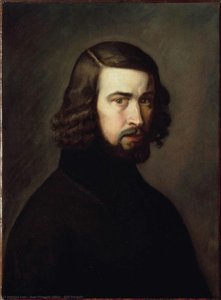
통계 정보The Carder

- 31.0 x 26.0 cm


 더 보기
더 보기
지클레 / 아트 프린트
빠른 제작과 다양한 마감 옵션을 제공하는 박물관 수준의 지클레이 및 캔버스 프린트. ( 수작업 채색 복제본 주문하기 디지털 이미지로 전환)




P118B ₩10

P118H ₩10

P118W ₩10

P438Z ₩10

P508JH ₩12

P508YH ₩12

P805H ₩10

P805Z ₩10

P919BZ ₩10

P919G ₩10

P919XJ ₩10

P959ZH ₩10

P968JZ ₩12

W106C ₩8

W218G ₩10

W218JH ₩8

W218Y ₩10

W307PJ ₩10

W316G ₩10

W316PJ ₩8

W316Y ₩10

W398PJ ₩8

W4111J ₩10

W500HY ₩15

W500JH ₩15

W692G ₩12

W849H ₩8

W940BG ₩15

W953PJ ₩8




작품의 원본 비율을 그대로 유지하는 프리셋 사이즈 중에서 선택해 보세요.

액자나 벽면 크기에 맞춰 필요한 가로와 세로 길이를 입력해 주세요. 프린트는 원본 이미지보다 크게 제작할 수 없으며 오직 자르는 것만 가능하므로, 비율이 다른 사이즈를 선택할 경우 이미지의 일부가 잘려 나갈 수 있습니다. 인쇄 작업에 들어가기 전, 최종 확인을 위해 디지털 목업을 보내드립니다. 이 페이지에 표시된 이미지는 실제 잘리는 영역을 나타내지 않으며, 오직 목업을 통해서만 정확한 확인이 가능합니다.


 유리 옵션은 110cm 미만 크기에서만 선택 가능합니다.

The Carder
지클레 / 아트 프린트
복제본 크기
-


최종 결제 금액
₩ 108665
Jean-François Millet’s “The Carder”: A Window Into Rural Dignity
Jean-François Millet's "The Carder," completed in 1854, stands as an emblem of the Barbizon School and a poignant testament to the enduring fascination with depicting everyday life—specifically, the labor of rural artisans. More than just a visual record, it’s a carefully constructed meditation on human dignity, observation, and the subtle beauty found within the simplest tasks. Millet's decision to portray a woman carding flax – a commonplace activity in Norman villages – wasn’t merely pragmatic; it was deliberate—a conscious effort to elevate the ordinary into something profound.- Composition & Perspective: The painting’s central figure, positioned slightly off-center, draws the eye immediately, while the surrounding figures—children and a man—create a dynamic interplay that reinforces the narrative. Millet employs a shallow perspective, fostering intimacy between the viewer and the subjects and subtly suggesting depth through overlapping forms.
- Technique & Material: Executed in graphite on paper, Millet’s masterful use of hatching and cross-hatching establishes tonal variations and texture with remarkable precision. These meticulous lines capture the softness of skin, the drape of fabric—particularly the woman's shawl—and imbue the scene with a palpable sense of realism.
- Symbolism & Narrative: The mirror reflects an image of the carder’s daughter, symbolizing self-reflection and perhaps hinting at the transmission of knowledge from older to younger generations. The act itself – carding flax – represents perseverance, resilience, and a connection to the land—themes central to Millet's artistic vision.
- Color Palette & Light: Despite its monochrome palette achieved through grayscale tones, “The Carder” is bathed in diffused light, creating an atmosphere of tranquility and highlighting the textures of the scene. The artist’s careful attention to shading contributes significantly to conveying emotion and enhancing visual impact.
Realism's Quiet Triumph: Millet and the Barbizon School
Millet’s work aligns perfectly with the tenets of Realism, a movement that rejected Romantic idealism in favor of unflinching depictions of reality—often focusing on rural life and working-class subjects. Unlike Impressionists who sought to capture fleeting moments of light and color, Millet prioritized accuracy and detail, striving to convey not just what he *saw*, but also what he *felt*. This commitment to observation is evident in every brushstroke, transforming a simple occupation into an exploration of human experience.A Legacy of Dignity: The Enduring Appeal of “The Carder”
“The Carder” continues to resonate with audiences today because it speaks to fundamental questions about humanity—our connection to the natural world and our capacity for empathy. Millet’s ability to distill complex ideas into a deceptively understated image is a testament to his artistic genius, securing his place as one of France's most celebrated painters and an enduring symbol of rural dignity. Its quiet beauty resides in its honest portrayal of everyday life—a reminder that profound art can be found in the most unassuming subjects.Reproductions & Inspiration
OriginalUniqueArt offers high-quality reproductions of Jean-François Millet’s “The Carder,” allowing you to bring this iconic artwork into your home or workspace. Explore our collection and discover how a masterful depiction of rural labor can inspire creativity and contemplation.질의응답
원작 "The Carder"의 크기는 어떻게 되나요?
장 프랑수아 밀레의 "The Carder"의 원작 크기는 31 x 26 cm입니다. 복제화는 동일한 비율을 유지하면서 다른 크기로도 주문 가능합니다.
"The Carder"의 저작권 상태가 왜 이렇게 지정되어 있나요?
"The Carder"의 저작권 상태(퍼블릭 도메인 - 저작권 보호 기간이 만료되었습니다)는 작가의 1875년 사망 시점을 기준으로 결정됩니다.
장 프랑수아 밀레의 "The Carder"의 제작 연도와 화풍은 무엇인가요?
"The Carder"은(는) 1854년 Contemporary Realism 사조의 흐름 속에서 제작되었습니다.
작가 정보
흙의 삶: 장 프랑수아 밀레의 세계
장 프랑수아 밀레(Jean-François Millet, 1814년 10월 4일 – 1875년 1월 20일)는 19세기 프랑스 예술계에 깊은 흔적을 남긴 화가입니다. 그는 농촌의 삶과 노동하는 사람들의 모습을 진솔하게 그려내며 사실주의(Realism) 운동의 선구자 역할을 했습니다. 밀레의 그림들은 단순한 기록이 아닌, 인간의 존엄성과 자연과의 조화를 노래하는 시적인 작품들로 평가받고 있습니다. 그의 삶은 노르망디 지방 그루시(Gruchy)라는 작은 마을에서 농부의 아들로 태어나면서 시작되었습니다. 어린 시절부터 밭에서 일하며 자연과 함께 살아가는 경험은 밀레에게 깊은 영감을 주었고, 이는 그의 작품 전반에 걸쳐 나타나는 중요한 주제가 되었습니다. 정규 미술 교육을 받으며 재능을 키워나갔지만, 파리 아카데미의 권위적인 분위기와 형식주의적 그림 방식에 반발하며 자신만의 길을 개척하고자 했습니다.예술적 여정과 사실주의로의 전환
밀레는 처음에는 초상화를 그리며 생계를 유지했지만, 곧 자신의 진정한 예술적 소명을 깨닫게 됩니다. 그는 이상화된 풍경이나 신화 속 인물 대신, 농부들의 고된 노동과 일상적인 삶을 그리기 시작했습니다. 이러한 변화는 개인적인 비극 – 아내 폴린-위르진니 오노의 죽음 – 와 함께 사회에 대한 깊은 성찰에서 비롯되었습니다. 1848년 혁명 이후 밀레는 파리에서의 불안정한 생활을 떠나 바비종(Barbizon) 마을로 이주합니다. 이곳에서 그는 콘스탕트 트루용(Constant Troyon), 나르시스 디아즈(Narcisse Diaz), 샤를 자크(Charles Jacque), 테오도르 루소(Théodore Rousseau) 등과 함께 자연을 직접 관찰하며 그림을 그리는 ‘바비종 학파’의 중심 인물이 됩니다. 야외에서 작업하는 방식은 밀레에게 빛과 색채에 대한 새로운 이해를 가져다주었고, 그의 작품은 더욱 사실적이고 생동감 넘치는 표현으로 발전하게 되었습니다.노동의 서정시: 주제와 기법
밀레의 그림들은 농촌 사회의 현실을 가감 없이 보여주는 동시에, 노동하는 사람들의 삶에 대한 깊은 공감과 존경심을 담고 있습니다. 그는 단순한 노동 묘사를 넘어, 인간의 노력과 자연과의 조화 속에서 발견되는 아름다움을 표현하고자 했습니다. 대표작인 <만종>(The Gleaners)은 수확이 끝난 들판에서 남은 곡식을 거두는 여성들의 모습을 통해 가난하지만 묵묵히 살아가는 사람들의 강인함을 보여줍니다. <천사의 기도>(The Angelus)는 해질 무렵 농부 부부가 잠시 멈춰 기도하는 순간을 담아냈으며, 일상적인 행위를 신성한 의식으로 승화시키는 듯한 인상을 줍니다. <파종자>(The Sower)는 씨앗을 뿌리는 농부를 통해 자연의 순환과 인간의 희망을 상징적으로 표현하고 있습니다. 밀레는 네덜란드 화가들의 빛과 그림자의 활용 기법, 그리고 고대 조각의 균형미에서 영감을 받아 자신의 작품에 반영했습니다. 그는 제한된 색상 팔레트를 사용하면서도 흙의 질감과 자연의 풍경을 섬세하게 표현했으며, 여러 겹의 물감을 쌓아 올려 깊이 있는 화면을 만들어냈습니다.영원한 유산: 밀레의 영향과 역사적 의의
장 프랑수아 밀레는 1875년 바비종에서 세상을 떠났지만, 그의 작품은 예술계에 지대한 영향을 미쳤습니다. 그는 사실주의를 주도하며 아카데미 미술의 권위를 타파하고 인상주의와 사회적 현실주의 등 후대 사조에 영감을 제공했습니다. 밀레의 그림들은 평범한 사람들의 삶과 사회 문제에 대한 관심을 불러일으켰으며, 문학가, 시인, 사회 운동가들에게도 큰 영향을 미쳤습니다. 오늘날 그의 작품은 전 세계 미술관에서 전시되고 있으며, 여전히 많은 이들에게 감동과 영감을 선사하고 있습니다. 밀레의 그림들은 인간의 존엄성과 자연과의 조화라는 보편적인 가치를 담고 있어 시대를 초월하여 사랑받고 있습니다.주요 작품
- 만종(The Gleaners): 수확 후 남은 곡식을 거두는 여성들의 모습
- 천사의 기도(The Angelus): 농촌의 신앙심과 일상의 경건함
- 파종자(The Sower): 자연의 순환과 인간의 희망을 상징하는 작품
- 쟁기질하는 사람(Man with a Hoe): 육체 노동의 고된 현실과 인간의 인내
- 휴식을 취하는 농부들(Harvesters Resting): 수확 후 잠시 쉬는 농부들의 모습
- 빵을 굽는 여인(Woman Baking Bread): 가정 생활의 소중함과 여성의 역할

장 프랑수아 밀레
1814 - 1875 , 프랑스
작가 정보 요약
- 국적: 프랑스
- 대표 작품:
- 구르는 여자들
- 천사의 전령
- 파종자
- 낫을 든 사람
- 사망일: 1875년 1월 20일
- 영향을 받은 예술 사조:
- 인상주의
- 사회적 사실주의
- 영향을 준 예술가:
- 네덜란드 화가
- 폴 들라로슈
- 예술 사조: 사실주의, 바비종파
- 전체 이름: 장 프랑수아 밀레
- 출생일: 1814년 10월 4일
- 출생지: 그루시, 프랑스
관련 콘텐츠

Romantic Realism's Finest: 10 Masterpieces for Your Home | OriginalUniqueArt
Explore 10 defining masterpieces of Romantic Realism! Discover Courbet, Millet & Daumier's powerful paintings—capturing emotion and social realities. Find museum-quality reproductions for your home at OriginalUniqueArt.com.

Echoes of Rural Life: Art's Enduring Representations of the Countryside
Explore the rich history of rural life in art! Discover masterpieces from Millet to Mauve & beyond. Learn about Realism, Barbizon School & find inspiration for your home with OriginalUniqueArt.

Jean-François Millet: Realism, Rural Life & the Poetic Depiction of Labor
Explore the life & work of Jean-François Millet, a founder of Realism. Discover his poignant depictions of rural France, iconic paintings like 'The Angelus,' and lasting influence on art history. Learn more at OriginalUniqueArt.
The Barbizon School: Pioneering Realism & the Pastoral Vision in 19th-Century French Painting
Explore the Barbizon School's pivotal role in 19th-century French painting. Discover how these artists revolutionized landscape art with their commitment to Realism and a profound connection to nature. Learn about key figures like Rousseau, Millet & Corot.
Golden Fields & Rustic Souls: Exploring the Timeless Art of Jean-François Millet
Discover the profound beauty of Jean-François Millet’s masterpieces. Explore the soul of the Barbizon School through an expert lens, celebrating the dignity of rural life and the timeless legacy of Realism in fine art history.