미리보기
미리보기
 공유하기
공유하기 공유하기
공유하기
 상세 정보
상세 정보

 다운로드
다운로드
 유사 작품
유사 작품 X-레이
X-레이 슬라이드 쇼
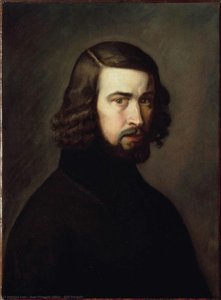
Self-Portrait


 더 보기
더 보기
지클레 / 아트 프린트
빠른 제작과 다양한 마감 옵션을 제공하는 박물관 품질의 지클레이 또는 캔버스 프린트. ( 손으로 그린 그림 구매 이미지 구매)




P118B $10

P118H $10

P118W $10

P438Z $10

P508JH $12

P508YH $12

P805H $10

P805Z $10

P919BZ $10

P919G $10

P919XJ $10

P959ZH $10

P968JZ $12

W106C $8

W218G $10

W218JH $8

W218Y $10

W307PJ $10

W316G $10

W316PJ $8

W316Y $10

W398PJ $8

W4111J $10

W500HY $15

W500JH $15

W692G $12

W849H $8

W940BG $15

W953PJ $8




작품의 원본 비율을 유지하는 미리 설정된 크기 중에서 선택하세요.

특정 프레임이나 공간에 맞춰 직접 치수를 입력하실 수 있습니다. 선택하신 사이즈가 원본 이미지의 비율과 일치하지 않을 경우, 작품을 크롭(자르기)하거나 이미지를 대칭 또는 단색 채우기로 확장하여 제작합니다. 제작 시작 전, 최종 확인을 위해 디지털 목업이 전송됩니다.
화면상의 미리보기는 실제 크롭이나 확장 상태를 반영하지 않으므로, 최종 구도는 오직 목업을 통해서만 정확하게 확인하실 수 있습니다.
맞춤 사이즈 제작도 가능하지만, 원본 비율을 유지하기 위해서는 사전 정의된 목록에서 치수를 선택하시는 것을 권장합니다.


 유리 옵션은 110cm 미만 크기에서만 선택 가능합니다.

Self-Portrait
지클레 / 아트 프린트
복제본 크기
-


최종 결제 금액
$ 80
작품 상세 설명
The Genesis of a Visionary: Millet's Early Years and Artistic Roots
Jean-François Millet, born in Gruchy, Normandy, in 1814, wasn’t destined for the hallowed halls of artistic academies. Instead, his formative years were inextricably linked to the rhythms of rural life – a landscape he would later translate onto canvas with unparalleled honesty and depth. His family, farmers themselves, instilled within him not just practical skills but also an intimate understanding of the land, its people, and their arduous existence. This grounding in the soil wasn’t merely a backdrop; it became the very foundation of his artistic vision, informing his meticulous observation and profound empathy for those who toiled beneath the sun. Early education was supplemented by the tangible lessons of farm work – sowing seeds, reaping harvests, and enduring the physical demands of rural labor—experiences that would later infuse his paintings with an authentic resonance rarely found in contemporary art.
Millet’s initial exposure to artistic pursuits began through the guidance of local priests who recognized his intellectual curiosity. However, the realities of family life quickly intervened, demanding he contribute to the farm's operations alongside his formal studies. This dual existence—balancing academic learning with the practicalities of rural life—shaped his perspective and instilled a deep respect for the dignity of manual labor, themes that would repeatedly surface in his celebrated works.
A Portrait of Purpose: Deconstructing Millet’s Self-Portrait
Millet's 1841 self-portrait offers an intimate glimpse into the mind and spirit of a burgeoning artist. Painted during a period of significant transition in his career, it transcends a simple likeness to become a carefully constructed statement about artistic ambition and personal reflection. The composition is strikingly direct; Millet confronts the viewer with unwavering gaze, projecting an aura of control and self-assurance—a deliberate choice that speaks volumes about his evolving confidence as an artist.
The attire – a dark suit and tie, indicative of a burgeoning bourgeois identity – subtly contrasts with the rough texture of his beard and mustache. The visible white shirt beneath the jacket hints at a desire to maintain standards of formality while simultaneously acknowledging his roots. This juxtaposition suggests a negotiation between tradition and modernity, reflecting Millet’s own journey as he navigated the changing landscape of 19th-century France. The painting isn't merely a depiction of a man; it’s an exploration of identity—the artist grappling with his place in the world and asserting his artistic voice.
Realism and the Dignity of Labor: Millet’s Artistic Philosophy
Millet’s self-portrait is a pivotal work within the Realist movement, a reaction against the idealized forms and mythological subjects prevalent in earlier art. He sought to capture the everyday lives of ordinary people—particularly rural laborers—with unflinching honesty and without romanticizing their struggles. This commitment to realism extended beyond mere representation; Millet aimed to convey the dignity inherent in manual labor, portraying his subjects with respect and empathy.
The painting’s stark black-and-white palette further emphasizes this sense of austerity and directness. It mirrors the somber tones often found in Millet's later works depicting peasant life—fields of wheat, harvests, and scenes of rural toil. The lack of embellishment forces the viewer to confront the subject directly, fostering a connection rooted in shared humanity.
A Reproduction for Reflection: Bringing Millet’s Vision Home
OriginalUniqueArt offers meticulously crafted hand-painted reproductions of Jean-François Millet's Self-Portrait, allowing you to bring this powerful work into your own space. Each reproduction is created by skilled artists who understand the nuances of Millet’s technique and his artistic philosophy. The result is a faithful representation that captures not only the visual details but also the emotional depth and intellectual complexity of the original painting.
More than just a decorative piece, a OriginalUniqueArt reproduction of Millet's Self-Portrait serves as a poignant reminder of the dignity of labor, the challenges faced by rural communities, and the enduring power of art to illuminate the human condition. It’s an investment in beauty, history, and a profound connection to one of France’s most significant artistic voices.
작가 약력
흙의 삶: 장 프랑수아 밀레의 세계
장 프랑수아 밀레(Jean-François Millet, 1814년 10월 4일 – 1875년 1월 20일)는 19세기 프랑스 예술계에 깊은 흔적을 남긴 화가입니다. 그는 농촌의 삶과 노동하는 사람들의 모습을 진솔하게 그려내며 사실주의(Realism) 운동의 선구자 역할을 했습니다. 밀레의 그림들은 단순한 기록이 아닌, 인간의 존엄성과 자연과의 조화를 노래하는 시적인 작품들로 평가받고 있습니다. 그의 삶은 노르망디 지방 그루시(Gruchy)라는 작은 마을에서 농부의 아들로 태어나면서 시작되었습니다. 어린 시절부터 밭에서 일하며 자연과 함께 살아가는 경험은 밀레에게 깊은 영감을 주었고, 이는 그의 작품 전반에 걸쳐 나타나는 중요한 주제가 되었습니다. 정규 미술 교육을 받으며 재능을 키워나갔지만, 파리 아카데미의 권위적인 분위기와 형식주의적 그림 방식에 반발하며 자신만의 길을 개척하고자 했습니다.예술적 여정과 사실주의로의 전환
밀레는 처음에는 초상화를 그리며 생계를 유지했지만, 곧 자신의 진정한 예술적 소명을 깨닫게 됩니다. 그는 이상화된 풍경이나 신화 속 인물 대신, 농부들의 고된 노동과 일상적인 삶을 그리기 시작했습니다. 이러한 변화는 개인적인 비극 – 아내 폴린-위르진니 오노의 죽음 – 와 함께 사회에 대한 깊은 성찰에서 비롯되었습니다. 1848년 혁명 이후 밀레는 파리에서의 불안정한 생활을 떠나 바비종(Barbizon) 마을로 이주합니다. 이곳에서 그는 콘스탕트 트루용(Constant Troyon), 나르시스 디아즈(Narcisse Diaz), 샤를 자크(Charles Jacque), 테오도르 루소(Théodore Rousseau) 등과 함께 자연을 직접 관찰하며 그림을 그리는 ‘바비종 학파’의 중심 인물이 됩니다. 야외에서 작업하는 방식은 밀레에게 빛과 색채에 대한 새로운 이해를 가져다주었고, 그의 작품은 더욱 사실적이고 생동감 넘치는 표현으로 발전하게 되었습니다.노동의 서정시: 주제와 기법
밀레의 그림들은 농촌 사회의 현실을 가감 없이 보여주는 동시에, 노동하는 사람들의 삶에 대한 깊은 공감과 존경심을 담고 있습니다. 그는 단순한 노동 묘사를 넘어, 인간의 노력과 자연과의 조화 속에서 발견되는 아름다움을 표현하고자 했습니다. 대표작인 <만종>(The Gleaners)은 수확이 끝난 들판에서 남은 곡식을 거두는 여성들의 모습을 통해 가난하지만 묵묵히 살아가는 사람들의 강인함을 보여줍니다. <천사의 기도>(The Angelus)는 해질 무렵 농부 부부가 잠시 멈춰 기도하는 순간을 담아냈으며, 일상적인 행위를 신성한 의식으로 승화시키는 듯한 인상을 줍니다. <파종자>(The Sower)는 씨앗을 뿌리는 농부를 통해 자연의 순환과 인간의 희망을 상징적으로 표현하고 있습니다. 밀레는 네덜란드 화가들의 빛과 그림자의 활용 기법, 그리고 고대 조각의 균형미에서 영감을 받아 자신의 작품에 반영했습니다. 그는 제한된 색상 팔레트를 사용하면서도 흙의 질감과 자연의 풍경을 섬세하게 표현했으며, 여러 겹의 물감을 쌓아 올려 깊이 있는 화면을 만들어냈습니다.영원한 유산: 밀레의 영향과 역사적 의의
장 프랑수아 밀레는 1875년 바비종에서 세상을 떠났지만, 그의 작품은 예술계에 지대한 영향을 미쳤습니다. 그는 사실주의를 주도하며 아카데미 미술의 권위를 타파하고 인상주의와 사회적 현실주의 등 후대 사조에 영감을 제공했습니다. 밀레의 그림들은 평범한 사람들의 삶과 사회 문제에 대한 관심을 불러일으켰으며, 문학가, 시인, 사회 운동가들에게도 큰 영향을 미쳤습니다. 오늘날 그의 작품은 전 세계 미술관에서 전시되고 있으며, 여전히 많은 이들에게 감동과 영감을 선사하고 있습니다. 밀레의 그림들은 인간의 존엄성과 자연과의 조화라는 보편적인 가치를 담고 있어 시대를 초월하여 사랑받고 있습니다.주요 작품
- 만종(The Gleaners): 수확 후 남은 곡식을 거두는 여성들의 모습
- 천사의 기도(The Angelus): 농촌의 신앙심과 일상의 경건함
- 파종자(The Sower): 자연의 순환과 인간의 희망을 상징하는 작품
- 쟁기질하는 사람(Man with a Hoe): 육체 노동의 고된 현실과 인간의 인내
- 휴식을 취하는 농부들(Harvesters Resting): 수확 후 잠시 쉬는 농부들의 모습
- 빵을 굽는 여인(Woman Baking Bread): 가정 생활의 소중함과 여성의 역할

장 프랑수아 밀레
1814 - 1875 , 프랑스
주요 정보
- 국적: 프랑스
- 대표 작품:
- 구르는 여자들
- 천사의 전령
- 파종자
- 낫을 든 사람
- 사망일: 1875년 1월 20일
- 영향을 받은 예술 사조:
- 인상주의
- 사회적 사실주의
- 영향을 준 예술가:
- 네덜란드 화가
- 폴 들라로슈
- 예술 사조: 사실주의, 바비종파
- 전체 이름: 장 프랑수아 밀레
- 출생일: 1814년 10월 4일
- 출생지: 그루시, 프랑스
관련 기사 더 보기

Jean-François Millet: Realism, Rural Life & the Poetic Depiction of Labor
Explore the life & work of Jean-François Millet, a founder of Realism. Discover his poignant depictions of rural France, iconic paintings like 'The Angelus,' and lasting influence on art history. Learn more at OriginalUniqueArt.

Romantic Realism's Finest: 10 Masterpieces for Your Home | OriginalUniqueArt
Explore 10 defining masterpieces of Romantic Realism! Discover Courbet, Millet & Daumier's powerful paintings—capturing emotion and social realities. Find museum-quality reproductions for your home at OriginalUniqueArt.com.

Echoes of Rural Life: Art's Enduring Representations of the Countryside
Explore the rich history of rural life in art! Discover masterpieces from Millet to Mauve & beyond. Learn about Realism, Barbizon School & find inspiration for your home with OriginalUniqueArt.
The Poetic Truth of Observation: Exploring 19th-Century Realism in Painting
Explore the captivating world of 19th-century Realism! Discover key artists like Courbet & Millet, masterpieces, and the powerful social commentary behind this influential art movement. Expert insights at OriginalUniqueArt.
The Evocative Embrace of Reality: Exploring Romantic Realism in 19th-Century Painting
Explore the captivating world of Romantic Realism! Discover key artists like Courbet & Millet, masterpieces, and the social context behind this influential art movement. Expert insights for collectors at OriginalUniqueArt.