

 공유하기
공유하기 공유하기
공유하기
 상세 정보
상세 정보

 다운로드
다운로드
 유사 작품
유사 작품 슬라이드 쇼
 통계 정보
통계 정보Mercury


 더 보기
더 보기
지클레 / 아트 프린트
빠른 제작과 다양한 마감 옵션을 제공하는 박물관 품질의 지클레이 또는 캔버스 프린트. ( 손으로 그린 그림 구매 디지털 이미지로 전환)




































작품의 원본 비율을 유지하는 미리 설정된 크기 중에서 선택하세요.

특정 프레임이나 공간에 맞춰 직접 치수를 입력하실 수 있습니다. 선택하신 사이즈가 원본 이미지의 비율과 일치하지 않을 경우, 작품을 크롭(자르기)하거나 이미지를 대칭 또는 단색 채우기로 확장하여 제작합니다. 제작 시작 전, 최종 확인을 위해 디지털 목업이 전송됩니다.
화면상의 미리보기는 실제 크롭이나 확장 상태를 반영하지 않으므로, 최종 구도는 오직 목업을 통해서만 정확하게 확인하실 수 있습니다.
맞춤 사이즈 제작도 가능하지만, 원본 비율을 유지하기 위해서는 사전 정의된 목록에서 치수를 선택하시는 것을 권장합니다.


 유리 옵션은 110cm 미만 크기에서만 선택 가능합니다.

Mercury
지클레 / 아트 프린트
복제본 크기
-


최종 결제 금액
$ 80
The Divine Messenger in Marble: A Masterpiece of Neoclassical Grace
In the quiet stillness of polished marble, Jean-Baptiste Pigalle captures a moment of profound transition. His 1744 masterpiece, Mercury Attaching his Winged Sandals, is far more than a mere depiction of a mythological deity; it is a breathtaking embodiment of an era caught between the dramatic flourishes of the Baroque and the disciplined clarity of Neoclassicism. As the swift messenger of the gods, Mercury—or Hermes to the Greeks—is frozen in a gesture of earthly preparation. The sculpture portrays the god meticulously securing a strap of his sandal, a seemingly mundane act that serves as a brilliant juxtaposition to his divine, celestial nature. This delicate balance between the practical and the profound is what makes Pigalle’s work an enduring icon of artistic achievement.
The technical virtuosity displayed in this work is nothing short of extraordinary. Pigalle, a sculptor who mastered the language of anatomy, uses the luminous, smooth surface of the marble to breathe life into the divine form. One can almost feel the tension in the musculature and the fluid energy contained within the stone. The light plays across the polished contours of Mercury’s body, highlighting the anatomical precision that was the hallmark of his training at the Royal Academy. Despite the inherent stillness of the medium, there is a palpable sense of dynamic movement; the way the hair appears windblown and the subtle, youthful smile on his lips suggest a figure poised to take flight at any second. For the discerning collector or interior designer, such a piece offers a sophisticated focal point that commands attention through its elegance rather than through sheer volume.
Symbolism and the Spirit of an Age
Beyond its physical beauty, the sculpture is steeped in the intellectual fervor of the mid-18th century. During this period, the influence of Enlightenment thinkers like Voltaire encouraged a shift toward rationalism, clarity, and a renewed reverence for the moral strength of Greco-Roman antiquity. The winged sandals themselves are potent symbols, representing not only the physical speed of the messenger but also the spiritual pilgrimage and the boundless journeys of the human soul. Every element, from the weight of the petasos (the traveler's hat) to the intricate straps of the footwear, speaks to a period that sought to find perfection in balance and reason.
To possess or display a reproduction of this work is to invite a sense of classical stability and intellectual depth into a space. It serves as a bridge between worlds—connecting the modern viewer to the ancient myths that shaped Western civilization. Whether placed in a sunlit gallery, a refined study, or a grand living area, Pigalle’s Mercury radiates an aura of timelessness. It is a piece that does not merely decorate a room; it elevates the very atmosphere, offering a window into a moment of historical perfection where art, myth, and human intellect converged in a single, magnificent strike of the chisel.
작가 약력
두 세계를 잇는 가교: 장 바티스트 피갈의 조각적 유산
1714년 프랑스 투르누에서 태어난 장 바티스트 피갈은 바로크 양식의 풍부한 드라마와 새롭게 떠오르던 신고전주의의 명료함 사이를 연결하는 결정적인 인물로 등장했습니다. 그의 삶은 예술적 취향이 변화하던 격동의 시기를 배경으로 펼쳐졌으며, 그의 작품들은 이러한 진화 과정을 아름답게 구현하고 있습니다. 처음에는 목수였던 아버지가 예술가의 길을 걷는 것을 반대하기도 했으나, 어린 피갈의 타고난 재능은 리옹의 예술가 그롱동에 의해 발견되었고, 덕분에 그는 정식 교육을 받을 수 있었습니다. 이 스승과의 만남은 그의 경력에 있어 결정적인 토대가 되었으며, 이후 프랑스 예술계의 복잡한 지형을 헤쳐 나가며 조각 역사에 지울 수 없는 발자취를 남기는 밑거름이 되었습니다. 그는 리옹에서 기량을 연마한 뒤 파리로 이주하여 왕립 아카데미에서 생생한 모델들을 연구하며 몰두했습니다. 비록 초기 작업들이 모두에게 찬사를 받은 것은 아니었지만, 이는 훗날 그의 행보를 정의하게 될 독립적인 예술가 정신을 암시하고 있었습니다.초기 성공과 이탈리아에서의 여정
피갈이 처음 이름을 알리기 시작한 것은 인간의 감정과 서사를 예리하게 포착해낸 Le père de famille expliquant la bible à ses enfants와 Aveugle trompé 같은 작품들을 통해서였습니다. 영향력 있는 감식가 라 리브 드 쥘리의 후원은 그의 경력을 더욱 탄탄하게 만들었으며, 마침내 1755년 Aveugle trompé를 선보이며 아카데미의 일원으로 인정받는 결실을 보았습니다. 그러나 루이 구주노 수도사와의 이탈리아 유학 기간은 그의 예술적 발전에 다소 혼란을 가져오기도 했습니다. 시야를 넓히기 위한 의도였음에도 불구하고, 이탈리아의 영향은 그를 본연의 양식적 성향에서 잠시 벗어나게 했으며, 훗날 그의 성숙한 작품들을 특징짓게 될 독창적이고 표현력 넘치는 자질을 일시적으로 약화시키기도 했습니다. 하지만 이 경험은 예술가로서 자신의 예술적 비전에 충실하는 것이 얼마나 중요한지를 깨닫게 해준 값진 교훈이 되되었습니다.창의성의 정점과 논란 속의 인정
1759년부터 1765년 사이의 시기는 피갈의 창작 활동이 정점에 달했던 황금기였습니다. 이 기간 동안 그는 슬픔을 애절하게 묘사한 La jeune fille qui pleure son oiseau mort, 모성애의 미덕을 구현한 La bonne mère, 그리고 루브르 박물관에 소장되어 도덕과 인과응보라는 주제를 강력하게 전달하는 Le mauvais fils puni와 La malédiction paternelle 등 그의 가장 유명한 조각품들을 쏟아냈습니다. 그러나 그의 야망은 단순히 조각에만 머물지 않았습니다. 피갈은 역사 화가로서 인정받기를 갈망하며 아카데미에 ‘세베루스와 카라칼라’를 제출하기도 했습니다. 하지만 이 시도는 혹독한 비판에 직면했고, 이는 철학자 드니 디드로의 분노를 사는 공개적인 논쟁으로 번지기도 했습니다. 이러한 논란은 전통적인 경계를 넘어 프랑스 예술계의 엄격한 구조 속에서 새로운 길을 개척하려 했던 예술가들이 마주해야 했던 도전들을 여실히 보여줍니다.초상 조각, 알레고리, 그리고 기념비적 조각의 거장
피갈은 매우 다양한 조각 양식에서 탁월한 능력을 발휘했습니다. 그는 인물의 외형뿐만 아니라 내면의 성격까지 꿰뚫어 보는 초상 조각으로 명성을 떨쳤는데, 특히 볼테르의 누드상은 철학자를 파격적으로 묘사했다는 이유로 상당한 스캔들을 일으키기도 했습니다. 또한 그는 알레고리 조각에서도 놀라운 재능을 보여주었으며, 퐁파두르 부인을 위해 신화적 주제와 이상적인 아름다움을 정교하게 결합한 작품들을 남겼습니다. 이러한 친밀한 형태의 작업 외에도 피갈은 기념비적 조각에서도 그 역량을 증명했습니다. 다르쿠르 백작과 사크스 원수를 위한 기념비적인 묘를 제작하며 영원히 기억될 기념물을 만들어내는 능력을 보여준 것입니다. 그의 스타일은 시간이 흐름에 따라 바로크의 역동적인 에너지와 신고전주의의 명료함 및 질서를 완벽하게 조화시키며 진화했습니다. 그는 세밀한 디테일에 대한 집착, 표현력이 풍부한 자세, 그리고 인체 해부학에 대한 숙련된 묘사로 찬사를 받았습니다.영원히 남을 유산
장 바티스트 피갈은 서로 다른 두 예술 시대를 연결한 과도기적 인물로서 프랑스 조각사에서 매우 중요한 위치를 차지합니다. 그의 작품은 바로크적 감성에 뿌리를 둔 독특한 표현력을 유지하면서도 신고전주의 미학의 발전에 크게 기여하며 후대 조각가들에게 깊은 영향을 미쳤습니다. 비록 생애 전반에 걸쳐 여러 도전과 논란을 겪었지만, 피갈이 남긴 방대한 작품군은 그 예술성과 역사적 중요성으로 인해 오늘날까지도 경외심을 불러일으킵니다. 아마도 그의 이름을 가장 영속적으로 증명하는 것은 파리의 '피갈' 지구일 것입니다. 이 활기찬 동네는 이 놀라운 조각가의 유산과 영원히 연결되어 있습니다. 외적인 형상과 정서적 깊이를 동시에 포착해낸 그의 능력은 그를 프랑스 예술의 거장 반열에 확고히 올려놓았습니다.
장 바티스트 피갈
1725 - 1805 , 프랑스
주요 정보
- Artistic Movement Or Style: 바로크 및 신고전주의
- Artists Or Movements Influenced By This Artist: 신고전주의 조각가들
- Date Of Birth: 1725
- Date Of Death: 1805
- Full Name: 장 바티스트 피갈
- Nationality: 프랑스
- Notable Artworks:
- 토마 에냥 데프리슈
- 여신으로서의 퐁파두르 부인
- 가을
- 볼테르 (누드 조각)
- Place Of Birth: 프랑스 투르뉘
관련 기사 더 보기

The Enduring Form: Exploring Themes & Techniques in Sculpture Across Historical Periods
Explore the rich history of sculpture from ancient masterpieces to contemporary innovations. Discover key techniques, influential artists & investment potential for discerning art collectors.

The Enduring Allure of Marble in Art History: From Classical Sculpture to Modern Abstraction
Explore the captivating history of marble sculpture from ancient Greece to modern art. Discover renowned artists like Canova & Michelangelo, carving techniques, and investment insights at OriginalUniqueArt.

Bronze Age to Modern Masters: 10 Sculptures That Redefined Art | OriginalUniqueArt
Journey through art history with 10 legendary bronze sculptures – from Michelangelo's David to Rodin’s Thinker. Explore the stories, techniques & timeless beauty of these masterpieces. Find museum-quality reproductions & elevate your home decor on OriginalUniqueArt.com.
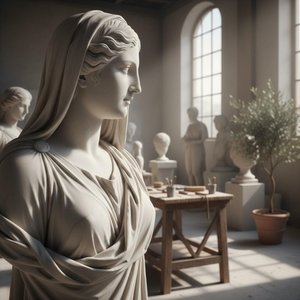
Timeless Elegance: A Complete Guide to the Sublime Beauty and Artistry of Marble Sculpture
Discover the sublime beauty of marble art through an expert exploration of Renaissance and Neoclassical masterpieces. From the delicate textures of Carpeaux to the grandeur of Sansovino, immerse yourself in a guide to timeless elegance and sculptural perfection.

Bronze Sculptures That Defined Art History | OriginalUniqueArt
Journey through art history with our Top 10 bronze sculptures! Explore masterpieces by Rodin, Michelangelo & more. Discover stories behind iconic statues and find museum-quality reproductions for your home decor at OriginalUniqueArt.com.