

 미리보기
미리보기
 프린트 구매
 공유하기
공유하기 공유하기
공유하기
 상세 정보
상세 정보

 다운로드
다운로드
 유사 작품
유사 작품 X-레이
X-레이 슬라이드 쇼
AUTOPORTRAIT (1852)

 더 보기
더 보기




































작품의 원본 비율을 유지하는 미리 설정된 크기 중에서 선택하세요.

특정 프레임이나 공간에 맞도록 직접 크기를 입력할 수 있습니다. 선택하신 크기가 원본 이미지의 비율과 일치하지 않는 경우, 작품을 자르거나 추가적인 손으로 그린 요소를 사용하여 그림을 확장합니다. 제작 시작 전 승인을 위해 디지털 목업을 보내드립니다.
화면 미리 보기는 실제 자르기 또는 확장을 반영하지 않습니다. 최종 구성은 목업을 통해서만 정확하게 확인하실 수 있습니다.
맞춤 크기 제작도 가능하지만, 원본 비율을 유지하기 위해 사전 정의된 목록에서 크기를 선택하시는 것을 권장합니다.
주문 후 OriginalUniqueArt.com 팀에서 상세 안내를 위해 고객님께 이메일을 보내드리며, 미리보기 시안을 제공해 드립니다.


 유리 옵션은 110cm 미만 크기에서만 선택 가능합니다.

AUTOPORTRAIT (1852)
재현 기법
복제본 크기
-


최종 결제 금액
$ 300
작가 약력
Jean Baptiste Messager: Painter of Quebec’s Rural Soul
Jean Baptiste Messager (1812 – 1885) stands as a pivotal figure in Quebecois art history, renowned for his meticulous depictions of the province's landscapes and daily life during the Belle Époque. Born in Laval, Mayenne, Messager possessed an innate talent honed through self-discipline and observation—a characteristic that profoundly shaped his artistic vision. Unlike many artists of his era who pursued grand narratives or idealized representations, Messager focused on capturing the subtle beauty of Quebec’s countryside, particularly the Rivière Beauport and its surrounding environs. His canvases aren't merely scenic vistas; they are imbued with a palpable sense of authenticity, reflecting the rhythms of rural existence and conveying an unwavering appreciation for the natural world.- Early Life & Training: Messager’s formative years were spent in Laval, where he absorbed the artistic sensibilities of his father, a cabinetmaker who instilled in him a meticulous attention to detail—a trait that would become central to his oeuvre. He initially studied under Jean-Simon Chardin and Alexandre Cabanel in Paris, gaining invaluable experience in mastering classical techniques of painting.
- Style & Technique: Messager’s distinctive style is characterized by a masterful command of tonal gradation and impasto—a textured surface achieved through thick application of paint—allowing him to convey the materiality of his subjects with remarkable accuracy. He meticulously rendered light and shadow, capturing atmospheric conditions with breathtaking realism.
- Notable Works: Among Messager’s most celebrated paintings are “Santissima Trinità dei Monti” (1852), a monumental fresco commissioned for the basilica in Rome, showcasing his ambition and technical prowess. Equally impressive is "Laval Côté Gauche en remontant la Mayenne," which exemplifies his ability to convey emotion through landscape painting—a testament to his profound connection with Quebec’s natural heritage.
- Influences: Messager's artistic sensibilities were deeply rooted in the traditions of French Realism, particularly influenced by Jean-Simon Chardin and Alexandre Cabanel. However, he also drew inspiration from Eugène Delambre, whose exploration of geological formations contributed to his understanding of landscape composition.
The Landscape Painter’s Vision: Capturing Quebec's Essence
Messager’s artistic endeavor wasn’t merely about reproducing what he saw; it was about distilling the essence of Quebec’s rural environment onto canvas. He approached his subjects with unwavering respect, striving to convey not just visual accuracy but also a feeling for place—a sense of belonging rooted in observation and contemplation. Unlike Impressionists who sought to capture fleeting moments of light and color, Messager meticulously documented the textures and contours of the Rivière Beauport region, portraying it with painstaking detail. His canvases are populated by figures engaged in everyday activities—farmers tending their fields, children playing along the riverbank—creating scenes that resonate with warmth and sincerity.- Rivière Beauport Series: Messager’s prolific output includes a series of paintings depicting the Rivière Beauport and its environs, capturing the changing seasons and atmospheric conditions with remarkable sensitivity. These works exemplify his commitment to portraying Quebec’s landscape with unflinching honesty.
- Symbolism & Atmosphere: Beyond mere topographical representation, Messager infused his canvases with symbolic elements—hints of spirituality and contemplation—reflecting a broader humanist worldview. He skillfully manipulated light and shadow to evoke mood and emotion, transforming landscapes into immersive experiences for the viewer.
Legacy & Historical Significance
Jean Baptiste Messager’s contribution to Quebecois art history extends far beyond his individual paintings. He established École Messagère, a prestigious atelier that nurtured generations of artists dedicated to mastering classical techniques and pursuing artistic excellence. His influence can be discerned in the works of numerous Quebecois painters who followed him—artists committed to upholding Messager's legacy of meticulous observation and unwavering devotion to realism. Today, Messager’s paintings continue to inspire admiration for their beauty and technical mastery, serving as enduring reminders of Quebec’s rich artistic heritage and Messager’s singular vision of the natural world. His work stands as a cornerstone of Canadian art history, embodying the values of discipline, precision, and profound appreciation for the sublime grandeur of Quebec's landscapes.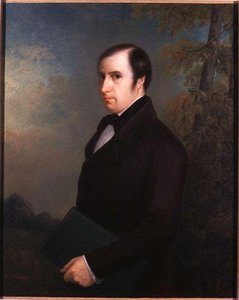
jean baptiste messager
1812 - 1885
주요 정보
- Artistic Movement Or Style: Realism
- Artists Or Movements Influenced By This Artist: ['École de Barbizon']
- Artists Who Influenced This Artist: ['Jean Siméon Chardin']
- Date Of Birth: 1812
- Full Name: Jean Baptiste Messager
- Nationality: French
- Notable Artworks: ['Santissima Trinità dei Monti']
- Place Of Birth: Laval (Mayenne)

