

 미리보기
미리보기
 프린트 구매
 공유하기
공유하기 공유하기
공유하기
 상세 정보
상세 정보

 다운로드
다운로드
 유사 작품
유사 작품 X-레이
X-레이 슬라이드 쇼
Male torso
 Oil
Oil- WallArt
- Neo-Classicism
 1800
1800- 19th Century
 99.0 x 80.0 cm
 에꼴 데 보자르 (École des Beaux-Arts)
 더 보기
더 보기




P118B $10

P118H $10

P118W $10

P438Z $10

P508JH $12

P508YH $12

P805H $10

P805Z $10

P919BZ $10

P919G $10

P919XJ $10

P959ZH $10

P968JZ $12

W106C $8

W218G $10

W218JH $8

W218Y $10

W307PJ $10

W316G $10

W316PJ $8

W316Y $10

W398PJ $8

W4111J $10

W500HY $15

W500JH $15

W692G $12

W849H $8

W940BG $15

W953PJ $8




작품의 원본 비율을 유지하는 미리 설정된 크기 중에서 선택하세요.

특정 프레임이나 공간에 맞도록 직접 크기를 입력할 수 있습니다. 선택하신 크기가 원본 이미지의 비율과 일치하지 않는 경우, 작품을 자르거나 추가적인 손으로 그린 요소를 사용하여 그림을 확장합니다. 제작 시작 전 승인을 위해 디지털 목업을 보내드립니다.
화면 미리 보기는 실제 자르기 또는 확장을 반영하지 않습니다. 최종 구성은 목업을 통해서만 정확하게 확인하실 수 있습니다.
맞춤 크기 제작도 가능하지만, 원본 비율을 유지하기 위해 사전 정의된 목록에서 크기를 선택하시는 것을 권장합니다.
주문 후 OriginalUniqueArt.com 팀에서 상세 안내를 위해 고객님께 이메일을 보내드리며, 미리보기 시안을 제공해 드립니다.


 유리 옵션은 110cm 미만 크기에서만 선택 가능합니다.

Male torso
재현 기법
복제본 크기
-


최종 결제 금액
$ 300
작품 상세 설명
Male Torso: A Testament to Neoclassical Precision
The painting “Male Torso” by Jean Auguste Dominique Ingres stands as an enduring emblem of the Neoclassicism movement, capturing not merely form but also the very essence of humanist ideals. Created in 1800 and currently residing at the École Nationale Supérieure des Beaux-Arts in Paris, France, this artwork transcends mere representation; it embodies Ingres’s meticulous dedication to classical principles and his unparalleled ability to convey emotion through sculptural detail.The Artist's Style and Technique: Sculptural Anatomy
Ingres was renowned for a painstaking approach to painting—a process that often consumed years perfecting a single composition. “Male Torso” exemplifies this commitment, showcasing Ingres’s mastery of anatomical rendering. Unlike the Romantic fervor of his contemporaries, Ingres prioritized idealized form and precise observation, mirroring the artistic traditions championed by artists like Raphael and Michelangelo. The subject's pose—arms crossed over the chest—projects an aura of quiet contemplation, inviting viewers to consider themes of introspection and restraint. Ingres’s technique involved layering thin glazes of oil paint upon a toned canvas, achieving remarkable luminosity and capturing subtle nuances of skin texture. This meticulous process ensured that every muscle and bone was rendered with breathtaking accuracy.Historical Context: The Dawn of Romanticism
“Male Torso” emerged during a pivotal moment in European art history—the transition from the Baroque to Romanticism. While Ingres steadfastly upheld Neoclassical ideals, his work subtly foreshadowed the expressive dynamism that would characterize the Romantic era. The painting’s serene stillness contrasts sharply with the turbulent emotions explored by artists like Delacroix and Friedrich, highlighting Ingres's deliberate rejection of theatricality in favor of intellectual contemplation. Its creation coincided with Napoleon’s reign, reflecting a desire for order and grandeur amidst political upheaval—a sentiment echoed throughout Ingres’s oeuvre.Symbolism: Ideal Beauty and Human Dignity
Beyond its technical brilliance, “Male Torso” carries profound symbolic weight. The nude figure represents the pursuit of ideal beauty—a cornerstone of Neoclassical philosophy—and embodies humanity's inherent dignity. The deliberate simplification of form underscores Ingres’s belief in conveying emotion through restraint and precision. The subtle red cloth draped across the torso adds a touch of elegance, subtly hinting at passion and desire without resorting to overt sensuality. This understated visual language speaks volumes about Ingres’s artistic vision—a commitment to elevating art beyond mere imitation of nature toward an expression of timeless human values.Emotional Impact: A Moment Frozen in Time
The painting's enduring appeal lies in its ability to evoke contemplation and admiration. The artist’s masterful rendering of anatomy captures not only physical form but also psychological depth, inviting viewers to engage with themes of stillness, introspection, and the sublime. “Male Torso” remains a powerful reminder of Ingres’s unwavering dedication to classical ideals—a legacy that continues to inspire artists and captivate audiences worldwide. Its serene beauty transcends time, offering a glimpse into the artistic spirit of its era and cementing Ingres's place as one of history’s greatest masters.작가 약력
선과 형태의 유산: 장 오귀스트 도미니크 앵그르의 세계
장 오귀스트 도미니크 앵그르는 신고전주의적 정밀함과 거의 조각적인 접근 방식을 통해 회화를 다루는 예술가로서, 미술사의 독특한 위치를 차지합니다. 1780년 프랑스 모톤보에서 태어난 그는 고전 이상에 대한 변치 않는 헌신을 유지하면서도 싹트는 감수성과 관습에 도전하려는 의지를 통해 그의 예술적 여정을 걸었습니다. 앵그르는 과거를 단순히 복제하는 것이 아니라, 그것과 심오한 대화를 나누며 한 시대를 정의하고 다가올 혁명을 예견할 스타일을 만들어냈습니다.
그의 초기 삶은 미래의 예술적 추구에 대한 견고한 기반을 제공했습니다. 그의 아버지 장-마리-조제프 앵그르 역시 화가이자 조각가였으며, 어린 도미니크에게 젊은 시절부터 형태와 기술에 대한 사랑을 심어주었습니다. 이 초기 교육 이후 그는 툴루즈의 왕립 회화, 조각 및 건축 아카데미에서 Guillaume-Joseph Roques의 지도 아래 자신의 기술을 연마했습니다. 그러나 1797년 파리로 이사하고 Jacques-Louis David와 도제 계약을 체결한 것이 그의 길을 진정으로 설정했습니다. 신고전주의의 선두 주자인 데이비드는 엄격한 규율과 선, 형태 및 역사적 주제에 대한 강조를 부여했는데, 이는 앵그르의 경력 내내 그의 작품에서 중심적인 원칙으로 남았습니다.
이상적인 아름다움 추구
앵그르의 예술 철학은 이탈리아 르네상스 거장에 대한 존경심에 깊이 뿌리를 두고 있었으며, 특히 라파엘로가 끊임없는 영감의 원천이었습니다. 그는 감정과 형태를 전달하는 데 있어 선의 힘을 믿고 단순한 표현을 초월하는 이상적인 아름다움을 추구했습니다. 이러한 추구는 1801년에 Prix de Rome이라는 권위 있는 상을 수상한 작품인 아가멤논의 사절단이 아킬레스의 천막에 있는 초기 작품에서 분명하게 드러납니다. 이 그림은 그의 세심한 디테일, 정확한 드로잉 및 명확한 내러티브 초점에 대한 주의를 보여주며, 이는 신고전주의 스타일의 특징입니다.
그러나 앵그르는 단순히 모방자가 아니었습니다. 그는 점차 독특한 목소리를 개발하여 고전 원칙에 감수성과 심리적 통찰력의 독특한 조화를 불어넣었습니다. 특히 그의 초상화는 이러한 진화를 보여줍니다. 신고전주의의 공식적인 우아함을 유지하면서 그는 형태와 공간을 미묘하게 왜곡시켜 후기 입방주의와 같은 나중에 등장하는 운동의 표현적 왜곡을 예견하는 불안하지만 매혹적인 효과를 만들어냈습니다. 1833-1834년에 완성된 미스터 버틴의 초상화는 이러한 혁신적인 접근 방식의 대표적인 예입니다.
역사를 넘어: 오리엔탈리즘과 후기 걸작
The Vow of Louis XIII (1827)와 같은 역사 및 신화 그림으로 유명하지만, 앵그르는 다른 장르도 탐구했으며, 가장 두드러진 것은 오리엔탈리즘입니다. 그는 이국적인 장면과 여성 누드의 묘사는 83세라는 놀라운 나이에 완성된 터키 목욕탕(1862)에서 감각적이고 신비로운 것에 대한 매혹을 드러냅니다. 이러한 작품은 때때로 이상화된 표현에 대해 비판을 받았지만, 그의 실험하려는 의지와 경계를 넓히려는 의지를 보여줍니다.
앵그르의 후기 경력은 변화하는 예술적 풍경 속에서 진행되었습니다. 낭만주의의 부상은 신고전주의의 지배를 도전을 했지만, 앵그르는 고전 이상에 대한 그의 헌신을 유지하면서 동시에 자신의 작품에 낭만적인 감성의 요소를 통합했습니다. 그는 차세대 예술가들을 형성하고 전통과 현대 사이의 다리 역할을 공고히 한 영향력 있는 교수가 되었습니다.
지속적인 영향
장 오귀스트 도미니크 앵그르는 1867년 파리에서 사망하여 오늘날까지 계속해서 울려 퍼지는 유산을 남겼습니다. 선, 형태 및 이상화된 아름다움에 대한 그의 강조는 여러 세대에 걸쳐 예술가들에게 깊은 영향을 미쳤습니다. 놀랍게도 Henri Matisse와 Pablo Picasso를 포함한 급진적으로 다른 스타일을 옹호하는 사람들도 그의 혁신적인 구성 접근 방식과 고전적 형태에 활력과 감정을 불어넣는 능력에 경탄했습니다.
앵그르의 그림은 이제 전 세계 주요 박물관에 전시되어 그의 지속적인 예술적 비전에 대한 증거 역할을 합니다. 그는 과거의 전통을 보존했을 뿐만 아니라 미래를 위한 길을 열었던 거장으로서 미술사에서 중요한 인물로 남아 있습니다. 그의 작품은 우리가 아름다움의 본질, 선의 힘, 고전 이상에 대한 시대를 초월한 매혹에 대해 생각하도록 초대합니다.
주요 작품
- 아가멤논의 사절단이 아킬레스의 천막에 있는 (1801)
- 루이 13세의 서약 (1827)
- 미스터 버틴의 초상화 (1833-1834)
- 터키 목욕탕 (1862)
- 그랑 오달리스크 (1814)

앵그르
1780 - 1867 , 프랑스
주요 정보
- 국적: 프랑스
- 대표 작품:
- 아감메논의 대사의 천막 안에서의 아킬레스
- 루이 13세의 서약
- 미스터 베르탱의 초상
- 터키식 목욕탕
- 사망일: 1867년 1월 14일
- 영향을 받은 예술가:
- 앙리 마티스
- 파블로 피카소
- 영향을 준 예술가:
- 라파엘로
- 니콜라 푸생
- 자크 루이 다비드
- 예술 사조: 신고전주의
- 전체 이름: 장-오귀스트-도미니크 앵그르
- 출생일: 1780년 8월 29일
- 출생지: 몽토방, 프랑스
관련 기사 더 보기

Neo-Classicism's Greatest Hits: 10 Masterpieces for Your Home |
Journey through Neo-Classicism's finest! Explore 10 iconic masterpieces by David, Ingres & Canova. Discover art history, techniques & timeless beauty – perfect for inspiring your home decor. Find museum-quality reproductions at
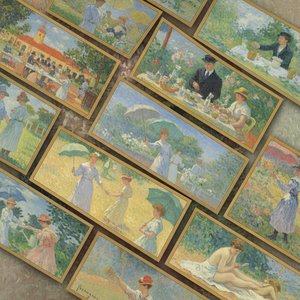
르누아르 명작 25선: 빛과 색채로 물든 삶의 순간들 | OriginalUniqueArt
빛과 색채의 마법사 르누아르! 인상주의 대표 화가 르누아르의 명작 25선을 만나보세요. '물랭 드 라 갈레트', '우산 속의 소녀들' 등 시대를 초월하는 아름다움을 OriginalUniqueArt에서 감상하고, 특별한 공간을 완성하세요. 지금 바로 온라인 컬렉션을 탐험하세요!

Neo-Classicism Reimagined: The Bold Return of Order, Power, and Timeless Aesthetic Authority
Explore the resurgence of Neo-Classicism. Discover how the bold return of order, symmetry, and mythic power is redefining modern luxury interiors through museum-quality, hand-painted reproductions and bespoke classical commissions for the discerning art collector.
The Enduring Legacy of Classicism: Principles, Evolution & Influence in Western Art
Explore the enduring legacy of Classicism in Western art! Discover its historical context, key principles, iconic masterpieces & lasting influence. Learn about Renaissance and Neoclassical movements with OriginalUniqueArt.
Timeless Resonance: Exploring Classic Vibe in Art – A Historical & Aesthetic Analysis
Explore the rich history & enduring aesthetic of Classicism art! Discover key movements, iconic artists like Raphael & David, and its lasting influence on Western art. Deepen your appreciation today.



