
 실제 크기로 보기
 보내기
보내기 공유하기
공유하기
 상세 보기
상세 보기 가이드 보기

 이미지 다운로드
 유사 작품 더 보기
 X-레이
X-레이 슬라이드 쇼 보기
 Q&A
Q&A 통계 정보
통계 정보Portrait of a Man

- 21.0 x 17.0 cm


 상세 보기
상세 보기
지클레 / 아트 프린트
빠른 제작과 다양한 마감 옵션을 선택할 수 있는 박물관 수준의 지클레이 및 캔버스 프린트. ( 수작업 채색 복제본 주문하기 디지털 이미지 판매 채널로 전환)




P118B ₩10

P118H ₩10

P118W ₩10

P438Z ₩10

P508JH ₩12

P508YH ₩12

P805H ₩10

P805Z ₩10

P919BZ ₩10

P919G ₩10

P919XJ ₩10

P959ZH ₩10

P968JZ ₩12

W106C ₩8

W218G ₩10

W218JH ₩8

W218Y ₩10

W307PJ ₩10

W316G ₩10

W316PJ ₩8

W316Y ₩10

W398PJ ₩8

W4111J ₩10

W500HY ₩15

W500JH ₩15

W692G ₩12

W849H ₩8

W940BG ₩15

W953PJ ₩8




작품의 원본 비율을 그대로 유지하는 프리셋 사이즈 중에서 선택해 보세요.

액자나 벽면 크기에 맞춰 필요한 가로와 세로 길이를 입력해 주세요. 프린트는 원본 이미지보다 크게 제작할 수 없으며 오직 자르는 것만 가능하므로, 비율이 다른 사이즈를 선택할 경우 이미지의 일부가 잘려 나갈 수 있습니다. 인쇄 작업에 들어가기 전, 최종 확인을 위해 디지털 목업을 보내드립니다. 이 페이지에 표시된 이미지는 실제 잘리는 영역을 나타내지 않으며, 오직 목업을 통해서만 정확한 확인이 가능합니다.


 유리 옵션은 110cm 미만 크기에서만 선택 가능합니다.

Portrait of a Man
지클레 / 아트 프린트
복제본 규격
-


총 결제 금액
₩ 107587
A Window into Renaissance Identity: Jan van Eyck’s Portrait of a Man
Jan van Eyck's "Portrait of a Man," often referred to as “Self Portrait?” due to ongoing scholarly debate regarding its attribution, stands as an unparalleled testament to the burgeoning artistic spirit of Early Netherlandish painting—a movement that irrevocably transformed European visual culture. Painted circa 1430-1432 in Haarlem, Netherlands, this deceptively simple depiction transcends mere likeness; it embodies a profound exploration of humanist ideals and meticulously crafted symbolism that continues to fascinate art historians today. The artwork’s enduring appeal lies not only in its technical brilliance but also in its ability to convey an arresting glimpse into the psychological landscape of fifteenth-century Europe.- Subject Matter & Composition: At first glance, the portrait presents a strikingly realistic portrayal of a man—likely Jan van Eyck himself—dressed in formal attire characteristic of his era. He wears a dark velvet robe adorned with intricate embroidery and is positioned centrally against a muted green background, creating a harmonious balance that draws the eye directly to his gaze. Two additional figures flank him on either side, adding depth and complexity to the scene. These companions are dressed similarly, reinforcing the notion of an aristocratic gathering—perhaps a celebration or diplomatic meeting—a common occurrence in the courts of Northern Europe.
- Technique & Style: Van Eyck’s mastery is immediately evident in his groundbreaking application of oil paint – a technique that revolutionized painting by offering unprecedented luminosity and detail compared to tempera, which had dominated artistic practice for centuries. The meticulous layering of thin glazes—a hallmark of Flemish Primitives—allows for subtle gradations of color and texture, capturing the nuances of skin tone and fabric folds with astonishing accuracy. This painstaking process demanded considerable patience and skill, cementing Van Eyck’s reputation as one of the foremost artists of his time.
Symbolism & Renaissance Humanism
Beyond its technical prowess, “Portrait of a Man” is laden with symbolic significance reflecting the humanist concerns prevalent during the Renaissance. The man's gaze—direct and unwavering—represents intellectual contemplation and self-awareness – qualities highly valued by thinkers like Petrarch and Erasmus. The inclusion of the white feather atop his hat serves as an emblem of purity and nobility, referencing biblical references to angelic messengers and symbolizing spiritual virtue. Furthermore, the robe’s rich embroidery speaks to wealth and status, highlighting the importance of social hierarchy within Renaissance society. These elements coalesce into a powerful statement about human dignity and aspiration—themes that resonate powerfully across centuries.Historical Context & Artistic Legacy
Painted during a period of significant cultural transformation, “Portrait of a Man” exemplifies the burgeoning interest in naturalism and psychological realism that characterized Early Netherlandish painting. Artists like Van Eyck were driven by a desire to depict human beings with unprecedented fidelity, capturing not only their physical appearance but also their inner thoughts and emotions—a radical departure from medieval artistic conventions. This artwork stands as a cornerstone of Renaissance art history, influencing generations of painters who sought to emulate its luminous palette and meticulous detail. Its influence can be seen in portraits by artists such as Rogier van der Weyden and Hans Memling, demonstrating the enduring legacy of Van Eyck’s innovative approach.Emotional Impact & Artistic Inspiration
“Portrait of a Man” continues to inspire awe and admiration for its ability to convey profound emotional depth. The artist's contemplative gaze invites viewers to engage in introspection—to consider questions of identity, virtue, and purpose. More than just a depiction of an individual, it represents a celebration of human intellect and moral fortitude – ideals that remain relevant today. Reproductions of this masterpiece offer collectors and interior designers alike the opportunity to experience firsthand the beauty and sophistication of Early Netherlandish art, transporting them back to a pivotal moment in European cultural history.질의응답
원작 "Portrait of a Man"의 크기는 어떻게 되나요?
야안 판 에이크의 "Portrait of a Man"의 기록된 크기는 21 x 17 cm입니다. 복제화는 동일한 비율을 유지하면서 다른 크기로 주문하실 수 있습니다.
야안 판 에이크의 "Portrait of a Man" 작품은 작가의 본국에 보관되어 있나요?
아니요 - 해당 작품은 해외에 보관되어 있습니다. 야안 판 에이크의 출생국은 네덜란드이며, "Portrait of a Man"의 원작을 소장하고 있는 미술관은 United States of America에 있습니다.
야안 판 에이크의 "Portrait of a Man"은(는) 잘 알려진 작품인가요?
야안 판 에이크의 "Portrait of a Man"의 기록된 인기도는 Iconic입니다.
작가 소개
빛으로 새겨진 현실: 반 아이크의 세계
얀 반 아이크, 초기 네덜란드 회화의 새벽을 상징하며 혁신적인 유화 기법 사용으로 명성을 얻은 이름입니다. 그는 1390년경 현재 네덜란드의 일부인 마스트리흐트에서 태어났으며, 예술사에 지대한 영향을 미침에도 불구하고 그의 삶에 대한 정확한 정보는 여전히 베일에 싸여 있습니다. 반 아이크는 예술적 전통을 이어받은 집안에서 태어났는데, 그의 형제 후베르트 역시 화가로 활동했지만 그의 작품에 대한 자세한 내용은 찾기 어렵습니다. 정확한 전기적 자료는 부족하지만 특히 초기 시절에 그는 타고난 재능을 지녔으며 빠르게 시대의 예술계에서 두각을 나타냈습니다. 1422년에는 이미 헤이그에 작업실을 열고 조수들을 고용하며 자신의 기술을 증명하는 작품 활동을 펼쳤습니다. 이러한 성공은 단순히 예술적 능력 때문만은 아니었습니다. 반 아이크는 지혜롭고 신뢰할 수 있는 인물이었으며, 이 덕분에 곧 강력한 후원자들의 눈에 띄게 됩니다.부르군디 공국의 봉사: 외교와 예술의 번성
반 아이크 경력의 중요한 전환점은 존 3세 무자비공과 이후 필리프 선량공 밑에서 부르군디 궁정으로 자리를 옮기면서 찾아왔습니다. 이는 단순한 후원 관계가 아니었습니다. 반 아이크는 외교 임무를 수행하며 공작의 신뢰를 얻었으며, 그의 재치와 지혜를 증명했습니다. 유럽 전역을 누비며 포르투갈과 스페인을 방문하는 여정은 다양한 문화와 예술적 영향을 받으며 그의 스타일을 미묘하게 변화시켰습니다. 궁정은 단순한 재정적 지원뿐만 아니라 반 아이크가 예술적으로 달성 가능한 경계를 넓히는 데 필요한 자원에 대한 접근성을 제공했습니다. 그는 부르군디 귀족들을 위해 그림을 그리는 것이 아니라, 그들의 세계의 일부가 되어 그들의 위상을 반영하고 향상시키는 역할을 했습니다. 이러한 독특한 위치 덕분에 그는 동시대 다른 화가들이 누리지 못했던 예술적 자유를 누릴 수 있었고, 이는 실험과 혁신으로 이어져 회화의 흐름을 영원히 바꾸었습니다.유화의 연금술: 기법의 혁명
반 아이크는 유화의 발명가는 아니지만, 그 기술을 완벽하게 다듬은 인물임에는 틀림없습니다. 그의 등장 이전에 템페라가 지배적인 매체였으며, 혼합 기능이 제한적이고 상대적으로 무광택 마감을 제공했습니다. 반 아이크는 정교한 투명한 광택층을 쌓으면서 유화의 잠재력을 최대한 활용하여 전례 없는 수준의 디테일, 광채 및 현실감을 달성했습니다. 이 기술은 미묘한 톤 변화, 풍부한 색상, 실제와 같은 질감을 재현할 수 있게 했습니다. 그 효과는 혁신적이었습니다. 표면에서 빛이 내뿜는 듯했고, 직물은 촉각적인 느낌을 주었으며, 초상화는 단순한 유사성뿐만 아니라 심리적 깊이를 포착했습니다. 그의 숙달은 단순히 기술적인 것이 아니었습니다 - 그것은 안료를 살아있는 현실과 흡사한 것으로 바꾸는 연금술적 과정이었습니다. 이러한 혁신은 간과되지 않았고, 수 세대에 걸쳐 그를 따르는 화가들에게 회화의 지형을 근본적으로 변화시키는 토대가 되었습니다.걸작과 지속적인 유산
반 아이크의 예술적 유산은 상대적으로 적지만 심오한 영향을 미치는 작품들을 통해 확고히 자리 잡았습니다. 그의 가장 야심찬 작품인 겐트 제단화(1432)는 종교적 상징주의와 기술적 탁월함이 어우러진 거대한 다엽제입니다. 동등하게 유명한 조반니 아르놀피니 부부 초상(1434)은 현실감, 복잡한 디테일, 불가사의한 상징성으로 기념되는 초상화 분야의 혁신적인 작품입니다. 또한 주목할 만한 작품으로는 종교적 장면을 놀라운 명확함으로 묘사하는 그의 기술을 보여주는 드레스덴 삼위일체와 인물의 개성을 포착하는 능력을 증명하는 매혹적인 푸른 터번의 남자가 있습니다. 이러한 그림들은 단순한 시각적 표현이 아니라 다른 세계로 통하는 창문입니다 - 거의 강박적인 주의를 기울여 세밀하게 묘사된 세계입니다. 반 아이크의 영향력은 이 상징적인 작품들을 넘어 초기 네덜란드 회화의 발전을 형성하고 수세기 동안 수많은 예술가들에게 영감을 주었습니다. 그는 1441년 브뤼헤에서 사망했지만, 오늘날에도 우리에게 인간 경험을 밝히는 예술의 힘을 일깨워주는 유산을 남겼습니다.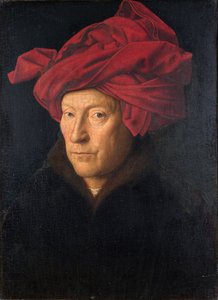
야안 판 에이크
1390 - 1441 , 네덜란드
작가 정보 요약
- 국적: 플랑드르인
- 대표작:
- 겐트 제단화
- 아르놀피니 부부 초상화
- 드레스덴 삼위일체
- 푸른 터번을 쓴 남자
- 사망일: 1441년
- 영향을 받은 예술 사조: ['초기 네덜란드 화가']
- 예술 사조: 초기 네덜란드 회화
- 전체 이름: 얀 반 에이크
- 출생일: 약 1390년
- 출생지: 마스트리흐트, 네덜란드
관련 기사

렘브란트 반 레인 명작 25선: 빛과 그림자의 거장, 예술의 정수를 만나다
렘브란트 반 레인 명작 25선을 만나보세요. 빛과 그림자의 거장이 그린 역사화, 초상화 속 예술의 정수를 감상하고, 네덜란드 황금시대 바로크 미술의 깊이를 느껴보세요. OriginalUniqueArt.com에서 고품질 복제화를 컬렉션하세요.

Jan van Eyck: Innovation, Symbolism & the Dawn of Early Netherlandish Painting
Explore the revolutionary art of Jan van Eyck! Discover his groundbreaking oil painting techniques, hidden symbolism, and lasting impact on the Early Netherlandish Renaissance. A deep dive for art enthusiasts.
Late Medieval Masterpieces: 10 Artworks That Defined an Era | OriginalUniqueArt
Journey through 10 defining Late Medieval masterpieces – from Giotto's frescoes to Jan van Eyck’s realism. Explore the stories, techniques & vibrant colors of Gothic art. Find museum-quality reproductions and elevate your home decor with OriginalUniqueArt.com! Discover all masterpieces on OriginalUniqueArt.com

Early Netherlandish Masters: 10 Paintings That Revolutionized Art & Decor
Journey into the Early Netherlandish Renaissance! Explore 10 iconic paintings by Jan van Eyck, Rogier van der Weyden & more. Discover stunning detail, symbolism, and oil painting techniques. Find museum-quality art reproductions for your home at OriginalUniqueArt.com.

Early Netherlandish Masters: 10 Paintings That Revolutionized Art & Decor
Journey into the world of Early Netherlandish painting! Explore 10 masterpieces by Jan van Eyck, Rogier van der Weyden & more. Discover stunning detail, symbolism & Renaissance art for your home decor. Find museum-quality reproductions on OriginalUniqueArt.com


