 Preview
 공유하기
공유하기 공유하기
공유하기
 상세 정보
상세 정보

 다운로드
다운로드
 유사 작품
유사 작품 X-레이
X-레이 슬라이드 쇼
Lucca Madonna


 더 보기
더 보기
수제 유화 복제품
원하는 크기와 액자로 주문 제작되는, 작가들이 직접 캔버스에 손으로 그린 유화 작품입니다. ( Switch to Print Switch to Image)




P118B $10

P118H $10

P118W $10

P438Z $10

P508JH $12

P508YH $12

P805H $10

P805Z $10

P919BZ $10

P919G $10

P919XJ $10

P959ZH $10

P968JZ $12

W106C $8

W218G $10

W218JH $8

W218Y $10

W307PJ $10

W316G $10

W316PJ $8

W316Y $10

W398PJ $8

W4111J $10

W500HY $15

W500JH $15

W692G $12

W849H $8

W940BG $15

W953PJ $8




작품의 원본 비율을 유지하는 미리 설정된 크기 중에서 선택하세요.

특정 프레임이나 공간에 맞도록 직접 크기를 입력할 수 있습니다. 선택하신 크기가 원본 이미지의 비율과 일치하지 않는 경우, 작품을 자르거나 추가적인 손으로 그린 요소를 사용하여 그림을 확장합니다. 제작 시작 전 승인을 위해 디지털 목업을 보내드립니다.
화면 미리 보기는 실제 자르기 또는 확장을 반영하지 않습니다. 최종 구성은 목업을 통해서만 정확하게 확인하실 수 있습니다.
맞춤 크기 제작도 가능하지만, 원본 비율을 유지하기 위해 사전 정의된 목록에서 크기를 선택하시는 것을 권장합니다.
주문 후 OriginalUniqueArt.com 팀에서 상세 안내를 위해 고객님께 이메일을 보내드리며, 미리보기 시안을 제공해 드립니다.


 유리 옵션은 110cm 미만 크기에서만 선택 가능합니다.

Lucca Madonna
재현 기법
복제본 크기
-


최종 결제 금액
$ 300
작품 상세 설명
The Silent Majesty of Mary: Unveiling Jan van Eyck’s Lucca Madonna
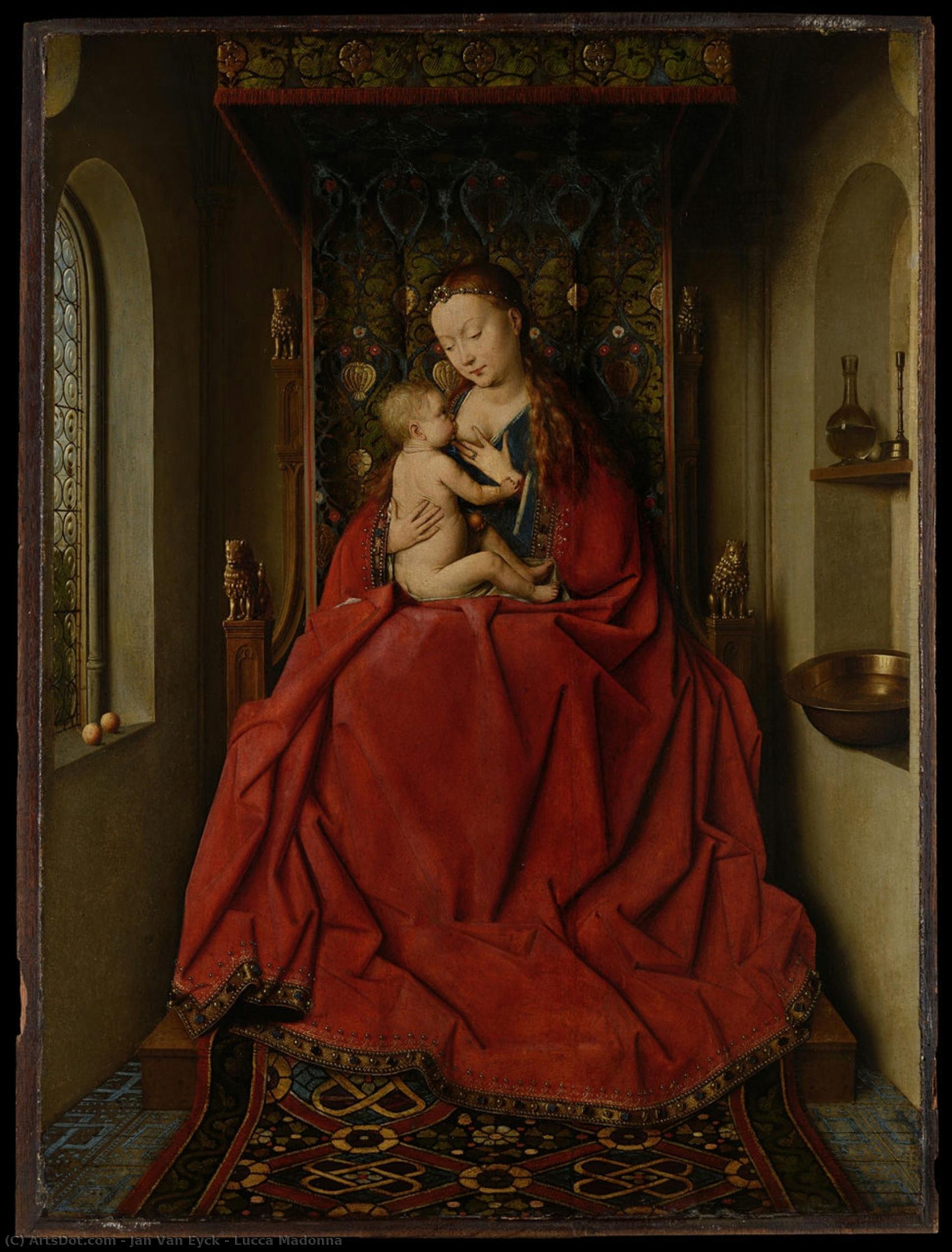
Jan van Eyck's Lucca Madonna, painted in 1437, isn’t merely a depiction of the Virgin and Child; it’s an immersive experience, a meticulously crafted jewel box offering glimpses into the burgeoning world of Early Netherlandish art. More than six centuries after its creation, this small panel radiates with an almost unsettling intensity – a testament to van Eyck's revolutionary techniques and his profound understanding of symbolism. Housed within the Städel Museum in Frankfurt, it invites viewers to linger, to decipher the layers of meaning embedded within its serene yet complex composition.
The painting immediately captivates with its luminous quality, a hallmark of van Eyck’s pioneering use of oil paint. Unlike the tempera-based pigments favored by his predecessors, oil allowed for unprecedented detail and depth – each fold in Mary's crimson gown, each glint of light on the infant Christ’s face, is rendered with astonishing precision. This mastery isn’t simply technical; it’s a deliberate choice to draw the viewer into the scene, creating an illusion of tangible reality. The palette itself is restrained yet rich, dominated by deep reds and blues offset by earthy browns and golds, lending the image a sense of quiet dignity.
A Throne of Wisdom: Symbolism in Every Detail
The composition is meticulously structured around the concept of divine authority. Mary isn’t simply seated; she occupies a throne – not one of earthly power, but a symbolic representation of Solomon's throne, adorned with twelve lion statues crafted from brass. This immediately elevates her status, connecting her to biblical precedent and reinforcing her role as Queen of Heaven. The placement of the figures within the room is equally deliberate. The narrow space, reminiscent of a small chapel, directs the viewer’s gaze towards Mary and Christ, creating a sense of intimacy and reverence.
- The Bowl: Positioned near the bottom right corner, this simple bowl symbolizes purity and innocence – a visual echo of the Virgin's own immaculate conception.
- The Vase: Situated on the far right side, the vase represents Mary’s role as a vessel for Christ, mirroring the concept of the Eucharist and her connection to the sacrament.
- The Cup: Above the bowl, a cup signifies the Eucharist, further emphasizing the central theme of sacrifice and redemption.
- The Book: Found towards the top right corner, this book symbolizes knowledge and wisdom – qualities associated with both Mary and Christ.
Beyond these primary symbols, subtle details contribute to the painting’s richness. The window behind them, crafted from crown glass, reflects light and adds depth to the scene. A shelf holds a half-filled carafe, suggesting domestic tranquility alongside spiritual devotion. Even the floor tiles, patterned with geometric designs, speak to an ordered universe governed by divine principles.
A Window into a Renaissance Mind
The Lucca Madonna is more than just a beautiful painting; it’s a window into the intellectual and artistic landscape of the Early Northern Renaissance. Van Eyck's meticulous attention to detail, his innovative use of oil paint, and his profound understanding of symbolism reflect the era’s fascination with realism, religious devotion, and human potential. It stands as a testament to the burgeoning humanist ideals that were beginning to challenge medieval orthodoxies, while simultaneously reaffirming the importance of faith and tradition.
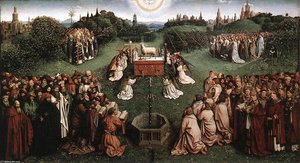
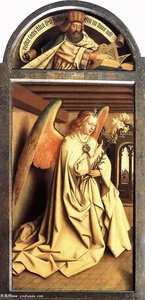
Considered alongside other works by Jan van Eyck, such as the Ghent Altarpiece and the Portrait of Giovanni Arnolfini, the Lucca Madonna offers a compelling glimpse into the artist’s evolving style and his mastery of technique. Its enduring appeal lies not only in its aesthetic beauty but also in its ability to evoke a sense of wonder and contemplation – a reminder of the power of art to transcend time and connect us to something larger than ourselves.
For those seeking a high-quality reproduction, OriginalUniqueArt offers stunning reproductions of this masterpiece. To learn more about Jan van Eyck and his legacy, visit OriginalUniqueArt’s page or explore the Northern Renaissance on Wikipedia: Wikipedia.
작가 약력
빛으로 새겨진 현실: 반 아이크의 세계
얀 반 아이크, 초기 네덜란드 회화의 새벽을 상징하며 혁신적인 유화 기법 사용으로 명성을 얻은 이름입니다. 그는 1390년경 현재 네덜란드의 일부인 마스트리흐트에서 태어났으며, 예술사에 지대한 영향을 미침에도 불구하고 그의 삶에 대한 정확한 정보는 여전히 베일에 싸여 있습니다. 반 아이크는 예술적 전통을 이어받은 집안에서 태어났는데, 그의 형제 후베르트 역시 화가로 활동했지만 그의 작품에 대한 자세한 내용은 찾기 어렵습니다. 정확한 전기적 자료는 부족하지만 특히 초기 시절에 그는 타고난 재능을 지녔으며 빠르게 시대의 예술계에서 두각을 나타냈습니다. 1422년에는 이미 헤이그에 작업실을 열고 조수들을 고용하며 자신의 기술을 증명하는 작품 활동을 펼쳤습니다. 이러한 성공은 단순히 예술적 능력 때문만은 아니었습니다. 반 아이크는 지혜롭고 신뢰할 수 있는 인물이었으며, 이 덕분에 곧 강력한 후원자들의 눈에 띄게 됩니다.부르군디 공국의 봉사: 외교와 예술의 번성
반 아이크 경력의 중요한 전환점은 존 3세 무자비공과 이후 필리프 선량공 밑에서 부르군디 궁정으로 자리를 옮기면서 찾아왔습니다. 이는 단순한 후원 관계가 아니었습니다. 반 아이크는 외교 임무를 수행하며 공작의 신뢰를 얻었으며, 그의 재치와 지혜를 증명했습니다. 유럽 전역을 누비며 포르투갈과 스페인을 방문하는 여정은 다양한 문화와 예술적 영향을 받으며 그의 스타일을 미묘하게 변화시켰습니다. 궁정은 단순한 재정적 지원뿐만 아니라 반 아이크가 예술적으로 달성 가능한 경계를 넓히는 데 필요한 자원에 대한 접근성을 제공했습니다. 그는 부르군디 귀족들을 위해 그림을 그리는 것이 아니라, 그들의 세계의 일부가 되어 그들의 위상을 반영하고 향상시키는 역할을 했습니다. 이러한 독특한 위치 덕분에 그는 동시대 다른 화가들이 누리지 못했던 예술적 자유를 누릴 수 있었고, 이는 실험과 혁신으로 이어져 회화의 흐름을 영원히 바꾸었습니다.유화의 연금술: 기법의 혁명
반 아이크는 유화의 발명가는 아니지만, 그 기술을 완벽하게 다듬은 인물임에는 틀림없습니다. 그의 등장 이전에 템페라가 지배적인 매체였으며, 혼합 기능이 제한적이고 상대적으로 무광택 마감을 제공했습니다. 반 아이크는 정교한 투명한 광택층을 쌓으면서 유화의 잠재력을 최대한 활용하여 전례 없는 수준의 디테일, 광채 및 현실감을 달성했습니다. 이 기술은 미묘한 톤 변화, 풍부한 색상, 실제와 같은 질감을 재현할 수 있게 했습니다. 그 효과는 혁신적이었습니다. 표면에서 빛이 내뿜는 듯했고, 직물은 촉각적인 느낌을 주었으며, 초상화는 단순한 유사성뿐만 아니라 심리적 깊이를 포착했습니다. 그의 숙달은 단순히 기술적인 것이 아니었습니다 - 그것은 안료를 살아있는 현실과 흡사한 것으로 바꾸는 연금술적 과정이었습니다. 이러한 혁신은 간과되지 않았고, 수 세대에 걸쳐 그를 따르는 화가들에게 회화의 지형을 근본적으로 변화시키는 토대가 되었습니다.걸작과 지속적인 유산
반 아이크의 예술적 유산은 상대적으로 적지만 심오한 영향을 미치는 작품들을 통해 확고히 자리 잡았습니다. 그의 가장 야심찬 작품인 겐트 제단화(1432)는 종교적 상징주의와 기술적 탁월함이 어우러진 거대한 다엽제입니다. 동등하게 유명한 조반니 아르놀피니 부부 초상(1434)은 현실감, 복잡한 디테일, 불가사의한 상징성으로 기념되는 초상화 분야의 혁신적인 작품입니다. 또한 주목할 만한 작품으로는 종교적 장면을 놀라운 명확함으로 묘사하는 그의 기술을 보여주는 드레스덴 삼위일체와 인물의 개성을 포착하는 능력을 증명하는 매혹적인 푸른 터번의 남자가 있습니다. 이러한 그림들은 단순한 시각적 표현이 아니라 다른 세계로 통하는 창문입니다 - 거의 강박적인 주의를 기울여 세밀하게 묘사된 세계입니다. 반 아이크의 영향력은 이 상징적인 작품들을 넘어 초기 네덜란드 회화의 발전을 형성하고 수세기 동안 수많은 예술가들에게 영감을 주었습니다. 그는 1441년 브뤼헤에서 사망했지만, 오늘날에도 우리에게 인간 경험을 밝히는 예술의 힘을 일깨워주는 유산을 남겼습니다.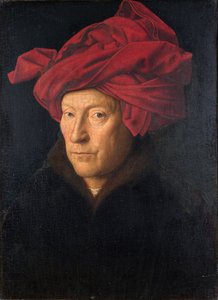
야안 판 에이크
1390 - 1441 , 네덜란드
주요 정보
- 국적: 플랑드르인
- 대표작:
- 겐트 제단화
- 아르놀피니 부부 초상화
- 드레스덴 삼위일체
- 푸른 터번을 쓴 남자
- 사망일: 1441년
- 영향을 받은 예술 사조: ['초기 네덜란드 화가']
- 예술 사조: 초기 네덜란드 회화
- 전체 이름: 얀 반 에이크
- 출생일: 약 1390년
- 출생지: 마스트리흐트, 네덜란드
관련 기사 더 보기
빈센트 반 고흐의 걸작 25선: 영혼을 울리는 명화 컬렉션 | OriginalUniqueArt
빈센트 반 고흐의 영혼을 담은 25개의 명작을 만나보세요. 별이 빛나는 밤, 해바라기 등 걸작의 숨겨진 이야기와 후기 인상주의 화풍을 OriginalUniqueArt에서 감상하고, 고품질 유화 재현 작품으로 공간에 예술적인 감성을 더하세요. 지금 바로 컬렉션을 탐험하세요!

Early Netherlandish Masters: 10 Paintings That Revolutionized Art & Decor
Journey into the world of Early Netherlandish painting! Explore 10 masterpieces by Jan van Eyck, Rogier van der Weyden & more. Discover stunning detail, symbolism & Renaissance art for your home decor. Find museum-quality reproductions on OriginalUniqueArt.com

Jan van Eyck: Innovation, Symbolism & the Dawn of Early Netherlandish Painting
Explore the revolutionary art of Jan van Eyck! Discover his groundbreaking oil painting techniques, hidden symbolism, and lasting impact on the Early Netherlandish Renaissance. A deep dive for art enthusiasts.

렘브란트 반 레인 명작 25선: 빛과 그림자의 거장, 예술의 정수를 만나다
렘브란트 반 레인 명작 25선을 만나보세요. 빛과 그림자의 거장이 그린 역사화, 초상화 속 예술의 정수를 감상하고, 네덜란드 황금시대 바로크 미술의 깊이를 느껴보세요. OriginalUniqueArt.com에서 고품질 복제화를 컬렉션하세요.

Early Netherlandish Masters: 10 Paintings That Revolutionized Art & Decor
Journey into the Early Netherlandish Renaissance! Explore 10 iconic paintings by Jan van Eyck, Rogier van der Weyden & more. Discover stunning detail, symbolism, and oil painting techniques. Find museum-quality art reproductions for your home at OriginalUniqueArt.com.