
 미리보기
미리보기
 공유하기
공유하기 공유하기
공유하기
 상세 정보
상세 정보 가이드 보기

 다운로드
다운로드
 유사 작품 더 보기
 X-레이
X-레이 슬라이드 쇼 보기
 질의응답
질의응답 통계 정보
통계 정보Calm

- 47.0 x 59.0 cm


 더 보기
더 보기
지클레 / 아트 프린트
빠른 제작과 다양한 마감 옵션을 제공하는 박물관 수준의 지클레이 및 캔버스 프린트. ( 수작업 채색 복제본 주문하기 디지털 이미지로 전환)




P118B ₩10

P118H ₩10

P118W ₩10

P438Z ₩10

P508JH ₩12

P508YH ₩12

P805H ₩10

P805Z ₩10

P919BZ ₩10

P919G ₩10

P919XJ ₩10

P959ZH ₩10

P968JZ ₩12

W106C ₩8

W218G ₩10

W218JH ₩8

W218Y ₩10

W307PJ ₩10

W316G ₩10

W316PJ ₩8

W316Y ₩10

W398PJ ₩8

W4111J ₩10

W500HY ₩15

W500JH ₩15

W692G ₩12

W849H ₩8

W940BG ₩15

W953PJ ₩8




작품의 원본 비율을 그대로 유지하는 프리셋 사이즈 중에서 선택해 보세요.

액자나 벽면 크기에 맞춰 필요한 가로와 세로 길이를 입력해 주세요. 프린트는 원본 이미지보다 크게 제작할 수 없으며 오직 자르는 것만 가능하므로, 비율이 다른 사이즈를 선택할 경우 이미지의 일부가 잘려 나갈 수 있습니다. 인쇄 작업에 들어가기 전, 최종 확인을 위해 디지털 목업을 보내드립니다. 이 페이지에 표시된 이미지는 실제 잘리는 영역을 나타내지 않으며, 오직 목업을 통해서만 정확한 확인이 가능합니다.


 유리 옵션은 110cm 미만 크기에서만 선택 가능합니다.

Calm
지클레 / 아트 프린트
복제본 크기
-


최종 결제 금액
₩ 108033
A Stillness Captured: Jan van de Cappelle’s “Calm”
Jan van de Cappelle's "Calm," painted in 1650, isn’t merely a depiction of a coastal scene; it’s an invitation to a profound moment of tranquility. Often overlooked amidst the dramatic seascapes favored by his contemporaries, this work reveals a quieter, more introspective side to the artist’s remarkable talent. It's a painting that speaks not just of the visual beauty of a Dutch waterway but also of a carefully cultivated state of mind – a stillness reflected in every brushstroke and subtle hue.
The scene unfolds along a broad, gently curving river, its surface rendered with an almost unsettling smoothness. The water is devoid of visible waves or currents, mirroring the overcast sky above with remarkable fidelity. This isn’t the turbulent drama of a storm; it's a deliberate choice by van de Cappelle to evoke a sense of profound peace and contemplation. The composition is remarkably balanced, drawing the eye across the canvas towards a solitary fisherman wading into the shallow water on the right side of the frame. He stands as a small, almost insignificant figure against the vastness of the landscape, yet his presence anchors the scene and invites us to share in this quiet moment.
The Language of Light and Shadow
Van de Cappelle’s mastery lies not just in capturing the visual appearance of the water but also in conveying its atmosphere through a masterful use of light and shadow. The painting is bathed in a diffused, almost ethereal light – neither bright nor dark, but rather a soft, muted glow that seems to emanate from within the canvas itself. This subtle illumination creates an incredible sense of depth and volume, as if we could step directly into the scene and feel the cool dampness of the air. The artist employs a technique known as *chiaroscuro*, skillfully contrasting areas of light with deep shadows to heighten the drama and create a three-dimensional effect.
Notice how the distant boats are rendered in paler, almost ghostly tones – a deliberate device by van de Cappelle to suggest their distance and the atmospheric haze that softens their outlines. The foreground elements, particularly the fisherman and the boats closest to the viewer, are painted with greater detail and richness of color, drawing our attention and anchoring us within the scene. The brushwork itself is remarkably smooth and blended, contributing to the overall sense of serenity and stillness.
A Window into 17th-Century Dutch Life
"Calm" offers a fascinating glimpse into the daily life of 17th-century Holland – a society deeply connected to its waterways. The presence of fishing boats, the solitary figure of the fisherman, and the overall atmosphere of quiet industry all speak to this reality. However, van de Cappelle doesn’t simply depict a snapshot of everyday life; he elevates it into something more profound. He captures not just *what* is happening but also *how* it feels – the sense of peace, contentment, and connection with nature that characterized so many Dutch lives during that era.
Interestingly, van de Cappelle’s background as a textile merchant profoundly influenced his artistic vision. His intimate knowledge of color, texture, and pattern—skills honed in the demanding world of dyeing fabrics—translated seamlessly into his paintings. He sought to create works that were not just visually appealing but also emotionally resonant, evoking feelings of tranquility and contemplation.
Symbolism and Emotional Resonance
Beyond its technical brilliance, “Calm” is imbued with a subtle sense of symbolism. The stillness of the water can be interpreted as a metaphor for inner peace – a state of mind free from turmoil and anxiety. The solitary fisherman represents humanity’s connection to nature, reminding us of our place within the larger world. And the overcast sky, rather than suggesting gloom, evokes a feeling of quiet contemplation and introspection.
Ultimately, “Calm” is a painting that invites us to slow down, breathe deeply, and appreciate the beauty of stillness. It’s a testament to van de Cappelle's extraordinary talent and his ability to capture not just the visual appearance of the world but also its profound emotional essence. A reproduction of this work offers a chance to bring this sense of serenity into any space, serving as a constant reminder of the importance of finding moments of peace in our own lives.
질의응답
증강 현실(AR) 기능을 통해 얀 판 데 카펠레의 "Calm"를 제 방에 미리 배치해 볼 수 있나요?
"Calm"의 증강 현실(AR) 미리보기를 경험해 보세요. 호환 가능한 기기에서 작품의 AR로 미리보기 페이지를 통해 여러분의 공간에 배치된 작품을 확인하실 수 있습니다.
얀 판 데 카펠레의 "Calm"을(를) 홈 데코에 어떻게 활용할 수 있을까요?
얀 판 데 카펠레의 "Calm"에 대한 두 가지 추천 사항은 Harmony 용도와 Living Room 공간입니다.
"Calm"은 전체적으로 밝은 편인가요, 아니면 어두운 편인가요?
얀 판 데 카펠레의 "Calm"의 측정된 수치는 다음과 같습니다: 밝기 brilliant, 휘도 Bright Balance.
작가 정보
평온의 거울: 얀 판 데 카펠레의 삶과 유산
얀 판 데 카펠레는 네덜란드 황금기라는 신전 속에서 독보적이고 빛나는 존재로 자리 잡고 있습니다. 미술사적 정전(canon)에서 그의 존재감은 깊고 명상적인 정적에 의해 정의됩니다. 방대한 양의 작품을 남긴 동시대의 다른 화가들과 달리, 카펠레의 작품 세계는 놀라울 정도로 작지만, 각각의 작품은 비범한 품격을 자아냅니다. 그는 단순히 바다를 그리는 화가에 머물지 않았습니다. 그는 암스테르담 경제의 심장부와 밀접하게 연결된 산업의 거인이자, 세속적으로도 상당한 위상을 지닌 인물이었습니다. 섬유 산업의 성공한 인물이자 뛰어난 안목을 지닌 수집가였던 그의 삶은 상업적 역량과 예술적 감수성이 공존하는 독특한 이중성을 띠고 있었습니다. 이러한 부와 통찰력의 만남은 그로 하여금 해양 세계를 단순히 묘atic하는 것을 넘어, 물의 표면과 저 높은 무한한 하늘을 동시에 투영하는 정적, 즉 바다의 영혼 그 자체를 포착하는 화풍을 일구게 했습니다.
1624년 암스테르담에서 태어난 얀 판 데 카펠레는 예술적 숙련에 이르는 독창적인 길을 걸었습니다. 당대의 많은 거장이 엄격한 길드 교육의 불꽃 속에서 단련된 것과 달리, 카펠레는 상당 부분 독학으로 자신의 세계를 구축했습니다. 이러한 사실은 아마도 그의 시선이 지닌 독특하고 자유로운 특성에 기여했을 것입니다. 그의 성장 배경은 산업의 기술적 복잡함과 깊이 맞닿아 있었습니다. 그의 아버지 프랑수아 판 데 카라펠레는 진홍색 염료 생산을 전문으로 하는 대규모 염색 공장을 운영했습니다. 정밀함과 색채 및 화학에 대한 깊은 이해를 요구하는 이 환경은, 훗날 얀이 빛과 대기를 탐구하는 데 있어 매우 귀중한 토대가 되었을 것입니다. 비록 그의 구도가 구조적 유사성을 공유하는 시몬 데 블리에르의 양식적 감수성에 영향을 받았을지라도, 카펠레의 작업은 결국 단순한 영향력을 넘어 순수하고 대기적인 우아함의 경지에 도달했습니다.
빛과 대기 원근법의 정수
얀 판 데 카펠레의 진정한 천재성은 공기와 물이라는 요소를 조절하여 깊은 정서적 울림을 만들어내는 능력에 있습니다. 그는 17세기 네홀란드를 대표하는 탁월한 해경화가로 칭송받는데, 이는 대기 원근법에 대한 타의 추종을 불허하는 숙련도를 통해 얻어낸 명성입니다. 그의 기법은 구름의 형상을 잔잔하고 유리 같은 수면에 거울처럼 투영하는 방식에서 가장 극명하게 드러납니다. 조용한 바다에 정박한 배들과 같은 작품에서 관람객은 단순히 해양 장면을 바라보는 것이 아니라, 시간이 멈춘 듯한 순간 속으로 초대됩니다. 빛의 미묘한 계조와 구름의 세밀한 묘사는 광활한 공간감을 형성하며, 바다와 하늘의 경계는 아름답게 흐릿해집니다.
그의 예술적 언어는 빌렘 반 데 벨데(Willem van de Velde the Elder)의 사실주의에서 영감을 얻었지만, 그 안에는 오직 그만이 가진 부드러움이 깃들어 있습니다. 다른 화가들이 해전의 혼란스러운 에너지나 폭풍의 거칠음에 집중할 때, 카펠레는 폭풍이 지나간 뒤의 고요함이나 움직임이 시작되기 직전의 기대감 속에서 정적을 찾았습니다. 그의 구성은 종종 다음과 같은 특징을 보여줍니다:
- 빛과 그림자의 상호작용: 햇빛이 구름 사이를 뚫고 내려와 단 한 척의 배를 비추는 찰나의 순간을 포착합니다.
- 반사되는 표면: 물을 거울로 사용하여 네덜란드 하늘의 장엄함을 복제함으로써 대칭과 평온의 감각을 만들어냅니다.
- 대기적 미묘함: 안개와 연무, 그리고 맑음을 섬세하게 다루어 그의 풍경화에 온도와 습도가 느껴지는 듯한 생생함을 부여합니다.
역사적 의의와 영원한 울림
얀 판 데 카펠레의 역사적 가치는 캔버스의 미학적 아름다움을 넘어 확장됩니다. 그는 평범함 속에서 비범함을 찾아내는 네덜란드 황금기 예술의 정점을 상징합니다. 범선, 강 풍경, 그리고 겨울 풍경에 대한 그의 묘사를 통해, 그는 당시 세계 무역의 중심지였던 국가의 해양적 정체성을 기록했습니다. 본국 함대의 경례를 받는 국왕의 바지선과 같이 보다 역동적인 작품에서조차, 당대의 구조화된 번영을 반영하는 질서와 품격이 밑바탕에 흐르고 있습니다.
1679년 그의 삶은 마감되었고 소수의 걸작만을 남겼지만, 해경화 장르에 미친 그의 영향력은 헤아릴 수 없습니다. 그는 후대 세대에게 단순히 보이는 것을 그리는 법이 아니라, 공기의 무게, 조수의 정적, 그리고 지평선의 고요한 장엄함과 같이 '느껴지는 것'을 그리는 법을 가르쳤습니다. 오늘날 그의 작품은 인간과 자연, 그리고 그 둘을 결합하는 빛 사이의 섬세한 균형을 이해하고자 하는 모든 이들에게 필수적인 이정표로 남아 있습니다. 그의 유산은 곧 평온함이며, 이는 고요함 속에서 무한함을 발견한 한 예술가가 남긴 영원한 증거입니다.

얀 판 데 카펠레
1624 - 1679 , 네덜란드
작가 정보 요약
- 국적: 네덜란드인
- 사망일: 1679년
- 성명: 얀 판 데 카펠레
- 예술 사조 또는 스타일: 황금기
- 이 예술가에게 영향을 받은 예술가 또는 사조: ['렘브란트']
- 이 예술가에게 영향을 준 예술가:
- 시몬 데 블리거
- 빌렘 반 데 벨데(부)
- 주요 작품:
- 고요한 바다에 정박한 배들
- 부두에 계류된 선박들
- 바람이 멎은 네덜란드 선박들이 있는 강 풍경
- 출생일: 네덜란드 암스테르담 (1624년)
- 출생지: 암스테르담
관련 콘텐츠

네덜란드 황금 시대 예술의 정수를 담은 10대 걸작 탐구
렘브란트, 베르메르의 걸작부터 할스의 인물화까지! 네덜란드 황금시대 미술의 10대 명품을 만나보세요. 예술적 깊이와 아름다움을 담은 작품들을 OriginalUniqueArt에서 감상하고, 고품질 아트 프린트로 당신의 공간에 특별함을 더하세요. 지금 바로 OriginalUniqueArt.com에서 모든 걸작을 발견하세요!

렘브란트 반 레인 명작 25선: 빛과 그림자의 거장, 예술의 정수를 만나다
렘브란트 반 레인 명작 25선을 만나보세요. 빛과 그림자의 거장이 그린 역사화, 초상화 속 예술의 정수를 감상하고, 네덜란드 황금시대 바로크 미술의 깊이를 느껴보세요. OriginalUniqueArt.com에서 고품질 복제화를 컬렉션하세요.
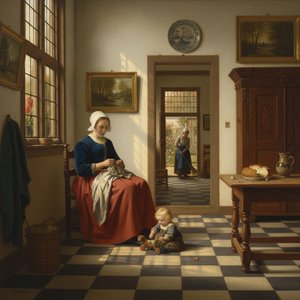
Pieter de Hooch: Illuminating Dutch Domestic Life & Golden Age Charm
Explore the captivating world of Pieter de Hooch, a master of Dutch Golden Age painting. Discover his innovative use of light, intimate domestic scenes, and lasting influence on art history. Learn more at OriginalUniqueArt.

Golden Light & Dutch Skies: The Timeless Magic of Dutch Golden Age Landscapes
Discover the breathtaking beauty of Dutch Golden Age landscapes. Explore the mastery of light, chiaroscuro, and 17th-century realism through an expert art history lens, celebrating the enduring legacy of the Dutch Masters for discerning collectors and art lovers.

Willem van de Velde the Elder: Master of Maritime Painting & Chronicler of the Dutch Golden Age
Discover the captivating maritime paintings of Willem van de Velde the Elder, a master chronicler of the Dutch Golden Age. Explore his unparalleled realism and lasting influence on naval art history.