

 미리보기
미리보기
 공유하기
공유하기 공유하기
공유하기
 상세 정보
상세 정보

 다운로드
다운로드
 유사 작품
유사 작품 X-레이
X-레이 슬라이드 쇼
Seascape
 Oil On Panel
- WallArt
- Tonal Marine Painting
 1630
1630- Late Medieval
 48.0 x 64.0 cm
 에르미타주 박물관
 더 보기
더 보기
지클레 / 아트 프린트
빠른 제작과 다양한 마감 옵션을 제공하는 박물관 품질의 지클레이 또는 캔버스 프린트. ( 손으로 그린 그림 구매 이미지 구매)




P118B $10

P118H $10

P118W $10

P438Z $10

P508JH $12

P508YH $12

P805H $10

P805Z $10

P919BZ $10

P919G $10

P919XJ $10

P959ZH $10

P968JZ $12

W106C $8

W218G $10

W218JH $8

W218Y $10

W307PJ $10

W316G $10

W316PJ $8

W316Y $10

W398PJ $8

W4111J $10

W500HY $15

W500JH $15

W692G $12

W849H $8

W940BG $15

W953PJ $8




작품의 원본 비율을 유지하는 미리 설정된 크기 중에서 선택하세요.

특정 프레임이나 공간에 맞춰 직접 치수를 입력하실 수 있습니다. 선택하신 사이즈가 원본 이미지의 비율과 일치하지 않을 경우, 작품을 크롭(자르기)하거나 이미지를 대칭 또는 단색 채우기로 확장하여 제작합니다. 제작 시작 전, 최종 확인을 위해 디지털 목업이 전송됩니다.
화면상의 미리보기는 실제 크롭이나 확장 상태를 반영하지 않으므로, 최종 구도는 오직 목업을 통해서만 정확하게 확인하실 수 있습니다.
맞춤 사이즈 제작도 가능하지만, 원본 비율을 유지하기 위해서는 사전 정의된 목록에서 치수를 선택하시는 것을 권장합니다.


 유리 옵션은 110cm 미만 크기에서만 선택 가능합니다.

Seascape
지클레 / 아트 프린트
복제본 크기
-


최종 결제 금액
$ 80
A Stormy Canvas: Unveiling Jan Porcellis' "Seascape"
Before the romanticized seascapes of Turner and Friedrich, there existed a nascent movement in Dutch marine painting—a shift away from grand historical narratives towards a more immediate, emotionally resonant depiction of the ocean itself. Jan Porcellis (1580/84 – 1632), a figure tragically cut short in his career, stands as the pivotal architect of this transformation, and his “Seascape” (circa 1630) offers a profound glimpse into his revolutionary approach. This isn’t merely a painting of ships; it's an evocation of the sea’s power, its mystery, and its inherent drama – a feeling rendered with unprecedented subtlety and atmospheric depth.

The Tonal Shift: Abandoning Grandeur for Atmosphere
Porcellis’s “Seascape” marks a decisive break from the prevailing style of Dutch marine painting, which typically showcased opulent ships engaged in trade and exploration within meticulously rendered historical settings. Instead, he embraced a radically simplified composition—a vast expanse of turbulent water dominating the canvas, punctuated by a sparse fleet of vessels barely discernible against the oppressive grey sky. This deliberate reduction focused not on heroic narratives but on the raw, elemental force of the sea itself. He abandoned the bright colors and detailed embellishments favored by his predecessors in favor of a muted palette dominated by blues, greys, and ochres – a tonal approach that prioritized mood and atmosphere over precise representation.
A Masterclass in Atmospheric Perspective
The painting’s power lies not just in its subject matter but also in Porcellis' masterful manipulation of light and perspective. The artist employs linear perspective to create a convincing sense of depth, with ships gradually diminishing in size as they recede into the distance. However, it is atmospheric perspective that truly elevates the work—the subtle blurring and darkening of distant objects, mirroring the way our eyes perceive the world at a distance. This technique imbues the seascape with an almost palpable sense of space and vastness, drawing the viewer into its turbulent depths. Short, broken brushstrokes are used to capture the texture of the water’s surface – waves rolling and crashing against each other—while broader strokes define the clouds overhead, creating a dynamic interplay between sky and sea.
Symbolism of the Storm
The overcast sky, rendered in shades of grey and white, isn't simply a backdrop; it’s a potent symbol. It speaks to uncertainty, danger, and the humbling power of nature. The scattered ships, dwarfed by the immensity of the ocean, represent humanity’s vulnerability in the face of the elements. The painting evokes a sense of foreboding—a feeling that lingers long after viewing. Yet, within this darkness, there's also a strange beauty, a testament to the resilience and spirit of those who dare to navigate these treacherous waters. The choice of depicting a storm rather than calm seas suggests a deeper commentary on life’s challenges and the need for fortitude in the face of adversity.
A Legacy of Innovation
Jan Porcellis' “Seascape” is more than just a beautiful painting; it’s a landmark achievement in art history. It signaled a fundamental shift in the direction of marine painting, paving the way for future generations of artists to explore the emotional and psychological dimensions of the sea. His focus on atmosphere, mood, and the elemental forces of nature profoundly influenced subsequent painters, establishing a new standard for depicting maritime scenes—a legacy that continues to resonate today.
작가 약력
Jan Porcellis: A Revolutionary of the Dutch Seascapes
Jan Porcellis, born in Ghent around 1583 or 1584 and tragically passing away in Zoeterwoude in 1632, stands as a pivotal figure in the evolution of maritime art. More than just a painter of ships at sea, he instigated a profound shift – a deliberate move away from the opulent historical settings that dominated earlier marine paintings towards a more atmospheric, emotionally resonant depiction of the ocean itself. His work represents a decisive transition from early realism to what became known as the tonal phase, fundamentally altering the subject matter and style of maritime art for generations to come.
Porcellis’s early life was marked by upheaval. Born into a family fleeing religious persecution in Ghent, he experienced a nomadic existence, eventually settling in Rotterdam. Despite speculation about his training – with some suggesting an apprenticeship under Hendrick Vroom – the precise details of his artistic education remain shrouded in mystery. His career began to gain momentum around 1612, and quickly established him as a distinctive voice within the burgeoning Dutch art scene. Early works, though relatively scarce due to their often serialized production and subsequent loss, already hinted at the dramatic skies and turbulent waters that would become his signature.
The Dawn of Atmospheric Seascapes
What truly distinguishes Porcellis’s work is his masterful manipulation of light and shadow. Unlike his predecessors who frequently depicted ships engaged in grand historical battles or voyages, Porcellis focused on the raw power and beauty of the sea itself. His paintings are characterized by overcast skies, brooding mists, and relentlessly churning waters – a radical departure from the idealized portrayals that preceded him. Consider *Storm at Sea* (a work readily available for reproduction through OriginalUniqueArt), where the interplay of light and dark creates an almost palpable sense of drama and foreboding. The use of impasto technique adds texture and depth, further enhancing the feeling of immersion within the scene.
His 1622 painting, *Mussel Fishing*, exemplifies this shift perfectly. It’s not a heroic naval engagement; instead, it presents a quiet, almost melancholic scene of fishermen working in a coastal landscape dominated by muted colors and subtle textures. This deliberate simplification – the reduction of the subject to its essential elements – was revolutionary. Similarly, *Sea Battle at Night*, painted in 1620, showcases his ability to render the drama of conflict under dim light, with barely discernible enemy ships emerging from the gloom. The gradual unveiling of the scene creates a powerful sense of suspense and uncertainty.
Financial Struggles and Lost Works
Despite his growing reputation, Porcellis’s career was not without its challenges. By 1615, he faced significant financial difficulties, compounded by the birth of three children and ultimately leading to bankruptcy in Rotterdam. He moved to Antwerp, where much of his work during this period was produced for sale in open markets – a practice that resulted in many of these early paintings being lost or unattributed due to their lack of signature. Only approximately ten works from this turbulent period have been definitively identified as his creations.
Legacy and Influence
Despite the loss of much of his oeuvre, Jan Porcellis’s impact on maritime art is undeniable. His emphasis on atmospheric effects – the shifting light, the dramatic skies, and the relentless power of the sea – paved the way for subsequent generations of marine painters, including Hendrick Vroom and later artists like Jacob van Ruisdael. His work demonstrated that the sea itself could be a subject worthy of profound artistic exploration, moving beyond mere depictions of ships to capture its essence and mood. The legacy of Jan Porcellis continues to resonate today, reminding us of his pivotal role in shaping the history of Western art.
Further Exploration
To delve deeper into the life and work of Jan Porcellis, we invite you to explore our hand-painted reproductions available at OriginalUniqueArt.com. Specifically, consider *Shipping in Stormy Seas* and *Vessels in a Strong Wind*, both powerful examples of his distinctive style. For additional information, you may also consult the Wikipedia article on Jan Porcellis (https://en.wikipedia.org/wiki/Jan_Porcellis) and the British Museum’s entry (https://www.britishmuseum.org/collection/term/BIOG41589).

Jan Porcellis
1583 - 1632 , Belgium
주요 정보
- Artistic Movement Or Style: Marine painting; tonal phase
- Artists Or Movements Influenced By This Artist: ['Haarlem school']
- Artists Who Influenced This Artist: ['Hendrick Vroom']
- Date Of Birth: 1583/84 Ghent
- Date Of Death: 1632 Zoeterwoude
- Full Name: Jan Porcellis
- Nationality: Dutch
- Notable Artworks:
- Shipping in Stormy Seas
- Vessels in a Strong Wind
- Mussel Fishing
- Place Of Birth: Ghent, Belgium
관련 기사 더 보기
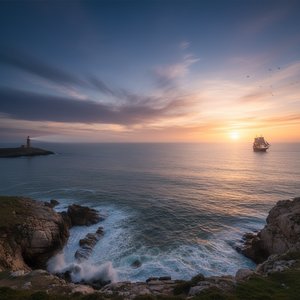
The Allure of the Horizon: A Comprehensive Exploration of Seascape Art Through History & Emotion
Explore the captivating world of seascape art! Discover its history, key artists & movements – from Dutch Masters to Impressionism. Expert insights for collectors and enthusiasts at OriginalUniqueArt.

Masterpieces of Light: A Definitive Guide to the Landscapes of the Dutch Golden Age
Discover the luminous mastery of Dutch Golden Age landscapes. Our expert guide explores the atmospheric realism of masters like Van Goyen and Cuyp. Elevate your space with museum-quality, hand-painted oil reproductions from OriginalUniqueArt.com. Art history, beautifully realized.
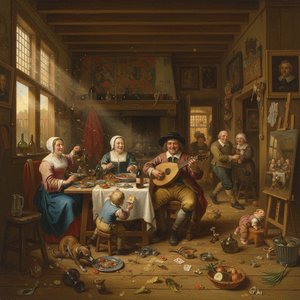
Jan Steen: A Master of Dutch Genre Painting & the Golden Age
Explore the life & art of Jan Steen, a leading Dutch Golden Age painter renowned for his humorous genre scenes & insightful social commentary. Discover his techniques, legacy, and collecting tips.

Chiaroscuro and Character: A Definitive Guide to Light and Shadow in the Dutch Baroque Era
Explore the dramatic mastery of the Dutch Baroque era. Discover how masters like Rembrandt used chiaroscuro to transform everyday life into timeless art. An expert guide for collectors and enthusiasts seeking to understand the profound interplay of light and shadow.

Abraham Hulk Senior: Pioneering Maritime Topography of the Dutch Golden Age
Explore the captivating seascapes of Abraham Hulk Senior, a leading Anglo-Dutch marine painter of the 19th century. Discover his signature style, family legacy & collectable artworks at OriginalUniqueArt.

