

 미리보기
미리보기
 프린트 구매
 공유하기
공유하기 공유하기
공유하기
 상세 정보
상세 정보

 다운로드
다운로드
 유사 작품
유사 작품 X-레이
X-레이 슬라이드 쇼
Winter Landscape with a Windmill
 Oil On Canvas
- WallArt
- Dutch Golden Age
 1650
1650 16.0 x 21.0 cm
 에르미타주 박물관
 더 보기
더 보기




P118B $10

P118H $10

P118W $10

P438Z $10

P508JH $12

P508YH $12

P805H $10

P805Z $10

P919BZ $10

P919G $10

P919XJ $10

P959ZH $10

P968JZ $12

W106C $8

W218G $10

W218JH $8

W218Y $10

W307PJ $10

W316G $10

W316PJ $8

W316Y $10

W398PJ $8

W4111J $10

W500HY $15

W500JH $15

W692G $12

W849H $8

W940BG $15

W953PJ $8




작품의 원본 비율을 유지하는 미리 설정된 크기 중에서 선택하세요.

특정 프레임이나 공간에 맞도록 직접 크기를 입력할 수 있습니다. 선택하신 크기가 원본 이미지의 비율과 일치하지 않는 경우, 작품을 자르거나 추가적인 손으로 그린 요소를 사용하여 그림을 확장합니다. 제작 시작 전 승인을 위해 디지털 목업을 보내드립니다.
화면 미리 보기는 실제 자르기 또는 확장을 반영하지 않습니다. 최종 구성은 목업을 통해서만 정확하게 확인하실 수 있습니다.
맞춤 크기 제작도 가능하지만, 원본 비율을 유지하기 위해 사전 정의된 목록에서 크기를 선택하시는 것을 권장합니다.
주문 후 OriginalUniqueArt.com 팀에서 상세 안내를 위해 고객님께 이메일을 보내드리며, 미리보기 시안을 제공해 드립니다.


 유리 옵션은 110cm 미만 크기에서만 선택 가능합니다.

Winter Landscape with a Windmill
재현 기법
복제본 크기
-


최종 결제 금액
$ 325
작품 상세 설명
Winter Landscape with a Windmill – A Dutch Baroque Masterpiece
The artwork “Winter Landscape with a Windmill,” painted by Jan Miense Molenaer in 1650, stands as a quintessential example of Dutch Golden Age landscape painting—a genre that captured the beauty and drama of the natural world during Europe’s artistic zenith. More than just a depiction of winter scenery, it embodies a profound meditation on human existence against the backdrop of an austere yet captivating environment. Located within the Hermitage Museum in Saint Petersburg, Russia, this piece continues to resonate with viewers centuries later due to its masterful execution and subtle symbolic layering.Composition and Technique: Embracing Atmospheric Perspective
Molenaer’s artistic prowess is immediately evident in his meticulous attention to detail and his skillful manipulation of atmospheric perspective—a technique central to Baroque painting. The canvas presents a panoramic vista dominated by snow-covered fields stretching towards distant hills, punctuated by the solitary presence of a windmill silhouetted against the pale winter sky. Lines are strategically employed to delineate forms – buildings, trees, and figures – creating a sense of depth and spatial realism that was revolutionary for its time. Brushstrokes are visible, contributing to a textured surface—an impasto technique characteristic of Molenaer’s style and reflecting the influence of Adriaen van Ostade, another prominent Dutch genre painter. The muted palette—primarily browns, grays, and blues—further enhances the melancholic mood conveyed by the scene.Subject Matter: Everyday Life Amidst Stark Beauty
The painting depicts a group of bundled-up figures observing an ice skating activity on frozen water. These individuals are rendered with remarkable accuracy, capturing not only their physical appearance but also their expressions – conveying quiet contemplation and perhaps a hint of wistfulness. The windmill itself serves as a symbol of industriousness and resilience—a reminder that even in the harshest conditions, human endeavor persists. However, beyond its literal representation, the landscape speaks to broader themes of solitude, observation, and the acceptance of life’s inevitable hardships. It's a scene designed to evoke contemplation rather than grand spectacle.Historical Context: Reflecting Dutch Society
Painted during the Dutch Golden Age (approximately 1600-1700), “Winter Landscape with a Windmill” reflects the intellectual and artistic currents of the era—a period marked by burgeoning scientific inquiry, humanist ideals, and an unprecedented flourishing of artistic creativity. Molenaer’s work aligns closely with the stylistic conventions established by Frans Hals, whose portraits captured the immediacy and vitality of human emotion. The painting exemplifies the Baroque preoccupation with portraying realistic scenes infused with psychological depth—a departure from earlier Mannerist styles that prioritized stylized forms and idealized representations.Symbolism: Quiet Contemplation and Resilience
The bleak winter landscape serves as a powerful metaphor for confronting life’s challenges with grace and fortitude. The windmill, despite its isolation against the vast expanse of snow, symbolizes perseverance and the enduring spirit of humanity. Similarly, the figures engaged in ice skating represent leisure amidst adversity—a celebration of human activity and connection within a challenging environment. Molenaer's masterful use of color and light contributes to this symbolic resonance, creating an atmosphere that invites viewers to ponder the complexities of existence. ### Artistic Legacy: A Precursor to Steen’s Style Jan Miense Molenaer’s “Winter Landscape with a Windmill” holds a significant place in art history as it foreshadowed the distinctive style of Jan Steen—another influential Dutch Golden Age painter known for his lively depictions of everyday life and biblical narratives. Molenaer's meticulous realism and expressive brushwork established a precedent that would inspire subsequent generations of artists, cementing his reputation as a pivotal figure in shaping the artistic landscape of the Baroque period.작가 약력
네덜란드 거장의 친밀한 세계
네덜란드 황금기 거장들 사이에서 나직이 속삭여지는 이름, 얀 민세 몰레나르(jan miense molenaer)는 가정의 따스함과 활기 넘치는 인간적 교감을 떠올리게 합니다. 1610년 하를렘에서 태어난 그의 삶은 17세기 네덜란드 사회라는 풍요로운 태피스트리 위에서 펼쳐졌습니다. 몰레나르는 단순히 장면을 기록하는 연대기 작가에 머물지 않았습니다. 그는 일상의 찰나를 포착해내는 신비로운 능력을 지닌 관찰자였습니다. 그의 예술적 여정은 초기에는 프란스 할스의 찬란한 광채를 닮아 즉흥적인 몸짓을 포착하는 숙련된 솜씨를 보여주었으나, 경력이 성숙해짐에 따라 아드리안 반 오스타데 특유의 대기감 넘치는 깊이와 더욱 섬세한 대화를 나누는 화풍으로 자리 잡았습니다.
장르와 정신을 그리는 화가
그의 천재성은 평범한 삶을 고귀한 예술로 승화시킨 장르화에서 가장 표현력 있게 분출되었습니다. 몰레나르의 캔버스는 손에 잡힐 듯한 친밀함으로 가득 차 있습니다. 관람객은 마치 그림 속 공기 자체가 따스하며, 그 안에는 음악의 선율이나 함께 나누는 웃음소리가 향기처럼 배어 있는 듯한 기분을 느낍니다. 음악가들(The Music Makers)과 같은 작품에서 볼 수 있듯이 활기찬 연주를 위해 모인 음악가들을 묘사하거나, 가족 삶의 고요한 교감을 포착할 때 그의 피사체들은 부정할 수 없는 생명력을 발산합니다. 이러한 장면들은 미화를 거부하는 세밀한 사실주의로 특징지어지며, 관람객을 하를렘의 실재하는 세계 속에 단단히 뿌리 내리게 합니다. 나아가, 같은 작업실을 공유하며 당대 유명한 장르 화가이자 초상화가였던 유디트 레이스테르와의 교류는 협업을 통해 재능이 꽃피웠던 활기찬 예술적 공동체를 짐작하게 합니다.
기법과 영원한 영향력
몰레나르의 기술적 역량은 색채와 구도를 다루는 거장다운 솜씨에 있었습니다. 그는 단순히 물감으로 장면을 구축한 것이 아니라 정서적 울림을 통해 장면을 만들어냈으며, 구조적이면서도 지극히 즉흥적으로 느껴지는 구도를 창조했습니다. 단순한 가정의 순간에 이토록 깊은 깊이를 불어넣는 그의 능력은 실로 놀랍습니다. 그의 작품 중 일부가 성경 속 이야기를 다루기도 하지만, 그를 정의하는 영원한 매력은 바로 인간적 연결에 대한 찬사입니다. 즉, 음악의 공유된 리듬이나 라 맨 쇼드(La Main Chaude, 손뼉 치기)와 같은 작품에서 포착된 몸짓이 그러합니다. 그의 기법이 남긴 메아리는 후대 세대에게 강력하게 전달되었습니다. 얀 스테인과 헤라르트 테르 보르흐 같은 예술가들은 빛과 인간 심리에 대한 몰레나르의 섬세한 접근 방식에서 분명한 교훈을 흡수하였고, 이는 몰레나르를 네덜란드 회화의 정점을 정의하는 데 기여한 핵심적인 인물로 각인시켰습니다.
캔버스에 새겨진 유산
얀 민세 몰레나르의 작품으로 알려진 것들은 오늘날에도 대륙을 넘어 수많은 애호가의 마음을 사로잡고 있습니다. 마우리츠하이스 왕립 미술관부터 국립 미술관(Rijksmuseum)에 소장된 귀중한 컬렉션에 이르기까지, 그의 그림은 지나간 시대로 향하는 생생한 관문 역할을 합니다. 그의 작품은 우리에게 단순히 예술을 바라보는 것을 넘어, 그 속에 참여하여 음악을 듣고 모임의 온기를 느끼라고 초대합니다. 그의 유산은 깊이 있는 관찰의 산물입니다. 즉, 가장 기념비적인 예술은 종종 평범한 순간의 섬세한 아름다움 속에서 발견될 수 있다는 사실을 증명해 보인 것입니다.
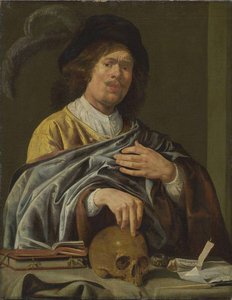
얀 민센스 몰레나르
1610 - 1668 , 네덜란드
주요 정보
- Artistic Movement Or Style: 네덜란드 황금기 회화
- Artists Or Movements Influenced By This Artist:
- 얀 스테인
- 게라르트 테르 보르흐
- Artists Who Influenced This Artist:
- 프란스 할스
- 아드리안 반 오스타데
- Date Of Birth: 1610년
- Date Of Death: 1668년
- Full Name: 얀 민세 몰레나르
- Nationality: 네덜란드
- Notable Artworks:
- 음악가들
- 이중주
- 음악을 연주하는 가족
- 따뜻한 손
- Place Of Birth: 네덜란드 하를럼
관련 기사 더 보기

Golden Light & Dutch Skies: The Timeless Magic of Dutch Golden Age Landscapes
Discover the breathtaking beauty of Dutch Golden Age landscapes. Explore the mastery of light, chiaroscuro, and 17th-century realism through an expert art history lens, celebrating the enduring legacy of the Dutch Masters for discerning collectors and art lovers.
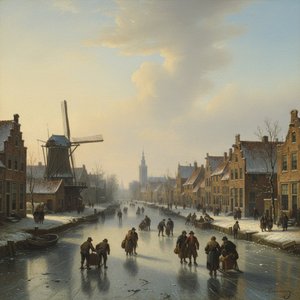
Charles Leickert: Capturing the Dutch Golden Age Light – A Comprehensive Study of Technique, Context, and Legacy
Explore the captivating winter landscapes of Charles Leickert, a master of Dutch Golden Age light & atmosphere. Discover his techniques, symbolism, and lasting legacy – a comprehensive study for art enthusiasts and collectors.

네덜란드 황금 시대 예술의 정수를 담은 10대 걸작 탐구
렘브란트, 베르메르의 걸작부터 할스의 인물화까지! 네덜란드 황금시대 미술의 10대 명품을 만나보세요. 예술적 깊이와 아름다움을 담은 작품들을 OriginalUniqueArt에서 감상하고, 고품질 아트 프린트로 당신의 공간에 특별함을 더하세요. 지금 바로 OriginalUniqueArt.com에서 모든 걸작을 발견하세요!

Golden Light & Dutch Skies: Bringing the Magic of Dutch Golden Age Landscapes into Your Home
Transform your home with the breathtaking light of Dutch Golden Age landscapes. Discover how hand-painted oil reproductions of masterworks like Ruisdael and Vermeer bring timeless elegance, atmosphere, and soulful texture to modern interiors. Elevate your space with museum-quality art.
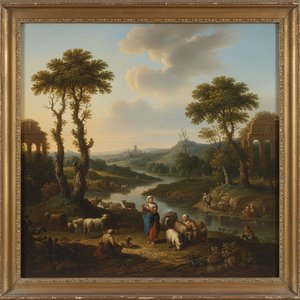
Nicolaes Berchem: Dutch Golden Age Pastoralism & the Evolution of Landscape Painting
Explore the captivating world of Nicolaes Berchem, a leading Dutch Golden Age painter. Discover his idyllic landscapes, masterful technique & lasting influence on art history. Learn more at OriginalUniqueArt.

