
 미리보기
미리보기
 공유하기
공유하기 공유하기
공유하기
 상세 정보
상세 정보 가이드 보기

 다운로드
다운로드
 유사 작품 더 보기
 X-레이
X-레이 슬라이드 쇼 보기
 질의응답
질의응답 통계 정보
통계 정보LE MENDIANT


 더 보기
더 보기
웹 미리보기 화면을 훨씬 뛰어넘는 인쇄용 파일을 만나보세요. 저희가 판매하는 모든 디지털 이미지는 스톡 데이터베이스 내의 고해상도 마스터 파일(일반적으로 가로 5,000~15,000픽셀)을 기반으로 합니다. 따라서 대형 인쇄나 정밀한 크롭 작업 시에도 세밀한 디테일을 자신 있게 구현할 수 있습니다.
저희 스튜디오를 거치는 모든 파일은 정교한 손길을 거칩니다. 디지털 전문가가 원작과 대조하여 색상을 점검하고 필요 시 보정하며, 전문 리터칭 도구를 사용하여 선명도와 디테일을 높입니다. 이 과정에서 작가의 붓 터치와 화풍을 충실히 유지하는 것을 원칙으로 합니다. 그 결과, 단순한 스캔본에 필터를 입힌 듯한 느낌이 아닌, 마치 실제 회화 작품을 보는 듯한 이미지를 구현해냅니다.
최종 완료 전 확인 단계가 있습니다. 전문가가 검토하실 수 있도록 72시간 이내에 이미지를 이메일로 보내드립니다. 결과물이 만족스럽지 않으신가요? 수정이나 보완을 요청하시거나, 품질이 기대에 미치지 못할 경우 환불을 요청하실 수 있습니다.
출판사, 디자인 스튜디오, 갤러리 및 인쇄소가 신뢰하는 바로 그 품질입니다.
디지털 이미지
개인 소장 및 전시, 인쇄, 창작 프로젝트를 위한 고해상도 파일을 다운로드하세요. ( 프린트 판매로 전환 수작업 채색 복제본 주문하기)
모든 디지털 이미지 주문 시 포함되는 혜택
전문적인 디지털 이미지 전송 보장
OriginalUniqueArt.com를 선택하시면 단순히 이미지를 받는 것을 넘어, 정밀한 보정 과정을 거쳐 완성된 전문적인 디지털 예술 작품을 만나보실 수 있습니다. 모든 주문에는 만족 보장 서비스가 포함되어 있으며, 다음과 같은 사항들이 자동으로 제공됩니다:

빠른 이메일 전송
주문 후 72시간 이내에 고해상도 디지털 이미지 파일이 이메일로 발송되며, 즉시 사용하실 수 있습니다.

AI 기술로 최적화된 디지털 파일
귀하의 작품은 첨단 AI 기술과 정교한 수동 편집 과정을 거쳐 전문적으로 최적화되며, 이를 통해 디테일과 선명도, 색상의 정확도를 극대화합니다.

평생 무료 재전송 서비스
파일을 실수로 삭제하거나 분실하셨나요? 걱정 마세요. 언제든 무료로 다시 보내드립니다.

추가 수입 비용 없음 - 언제나
관세, 부가세, 배송비 부담 없이 작품을 즉시 소장하세요 - 디지털 다운로드는 언제나 면세 혜택이 적용됩니다.

정확한 색상 보장
전문적인 도구와 색상 관리 시스템을 통해 디지털 이미지가 원본의 색상을 최대한 정확하게 구현하도록 보장합니다.

100일 만족 보장제
구매하신 디지털 이미지에 만족하지 못하실 경우, 100일 이내에 별도의 조건 없이 수정 또는 100% 환불을 진행해 드립니다.

100% 환불 보장
만족스럽지 않으신가요? 디지털 파일을 받으신 후 100일 이내라면 어떤 이유로든 조건 없이 전액 환불해 드립니다.

대량 주문 할인
이미지 3매 구매 시 10% 할인 - 5매 구매 시 15% 할인 - 10매 이상 구매 시 20% 할인. 크리에이티브 프로젝트, 갤러리, 에이전시에 매우 유용합니다.
Jan Miel’s “Le Mendiant”: A Window Into Baroque Dignity Amidst Poverty
The artwork "Le Mendiant," attributed to Jan Miel (1599 – 1663), stands as a poignant testament to the artistic spirit of the Dutch Golden Age and its engagement with broader humanist concerns. Painted circa 1630, this genre scene—a hallmark of Miel’s oeuvre during his formative years in Rome—captures a moment of quiet contemplation within a bustling tavern interior, offering viewers an arresting glimpse into both social realities and artistic sophistication.Composition and Style: Baroque Restraint Within Classical Framework
Miel's stylistic approach skillfully blends influences from Flemish masters like Anthony van Dyck with the burgeoning grandeur of Italian Baroque aesthetics. The horizontal orientation of the canvas immediately establishes a sense of stability, mirroring the formal balance characteristic of Baroque compositions. However, unlike the opulent theatricality often associated with Rome at the time, Miel employs subtle tonal gradations and muted colors—primarily grayscale—to convey an atmosphere of understated dignity. This deliberate restraint serves to heighten the emotional impact of the depicted scene: a beggar humbly requesting alms amidst a group of patrons engaged in conversation. The artist’s meticulous attention to detail—evident in the rendering of textures, particularly on the tavern table and the livestock visible in the background—underscores Miel's commitment to realism while simultaneously grounding the image within a broader artistic tradition.Detailed Examination: Technique and Materials
The painting utilizes oil paint on canvas with considerable skill. Brushstrokes are perceptible but carefully blended, creating a smooth surface that enhances the illusion of depth and luminosity despite the absence of vibrant hues. Layers of tonal variation—a technique favored by Miel—are skillfully applied to sculpt form and delineate contours, capturing the nuances of light and shadow within the tavern setting. The artist’s meticulous observation of natural forms—reflected in the depiction of the cows and sheep—demonstrates a profound understanding of classical principles of perspective and anatomical accuracy.Historical Context: Rome and Beyond – Miel's Artistic Journey
Jan Miel’s artistic development unfolded primarily in Rome during the 1630s, where he honed his craft under the patronage of Charles Emanuel II, Duke of Savoy—a connection that cemented his reputation as a court artist. This period witnessed a significant shift towards classicizing tendencies within Miel's oeuvre, mirroring the broader cultural revival occurring across Europe. The artwork’s subject matter – depicting poverty alongside social interaction – speaks to the humanist ideals prevalent during the Baroque era, reflecting an interest in portraying human experience with compassion and intellectual rigor.Symbolism: Dignity Amidst Adversity
“Le Mendiant” transcends mere visual representation; it embodies a deeper symbolic resonance. The beggar’s posture—characterized by humility and supplication—serves as a poignant reminder of the vulnerability inherent within the human condition. Simultaneously, the gathering of people around the table symbolizes communal life and social responsibility. The inclusion of livestock reinforces the artwork's connection to rural existence and underscores its engagement with themes of moral contemplation. Ultimately, Miel’s masterpiece invites viewers to consider not only the aesthetic beauty of the scene but also its profound ethical implications—a testament to the enduring power of art to illuminate both the grandeur and fragility of human experience.- Artist: Jan Miel
- Birth Year: 1599
- Death Year: 1663
- Birth City: Beveren
- Birth Country: Belgium
Additional Resources:
LE MENDIANT – Louvre site des collections 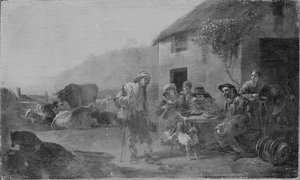
jan josef horemans the elder – Belgian painter (1682-1759) known for detailed interiors & anatomical precision.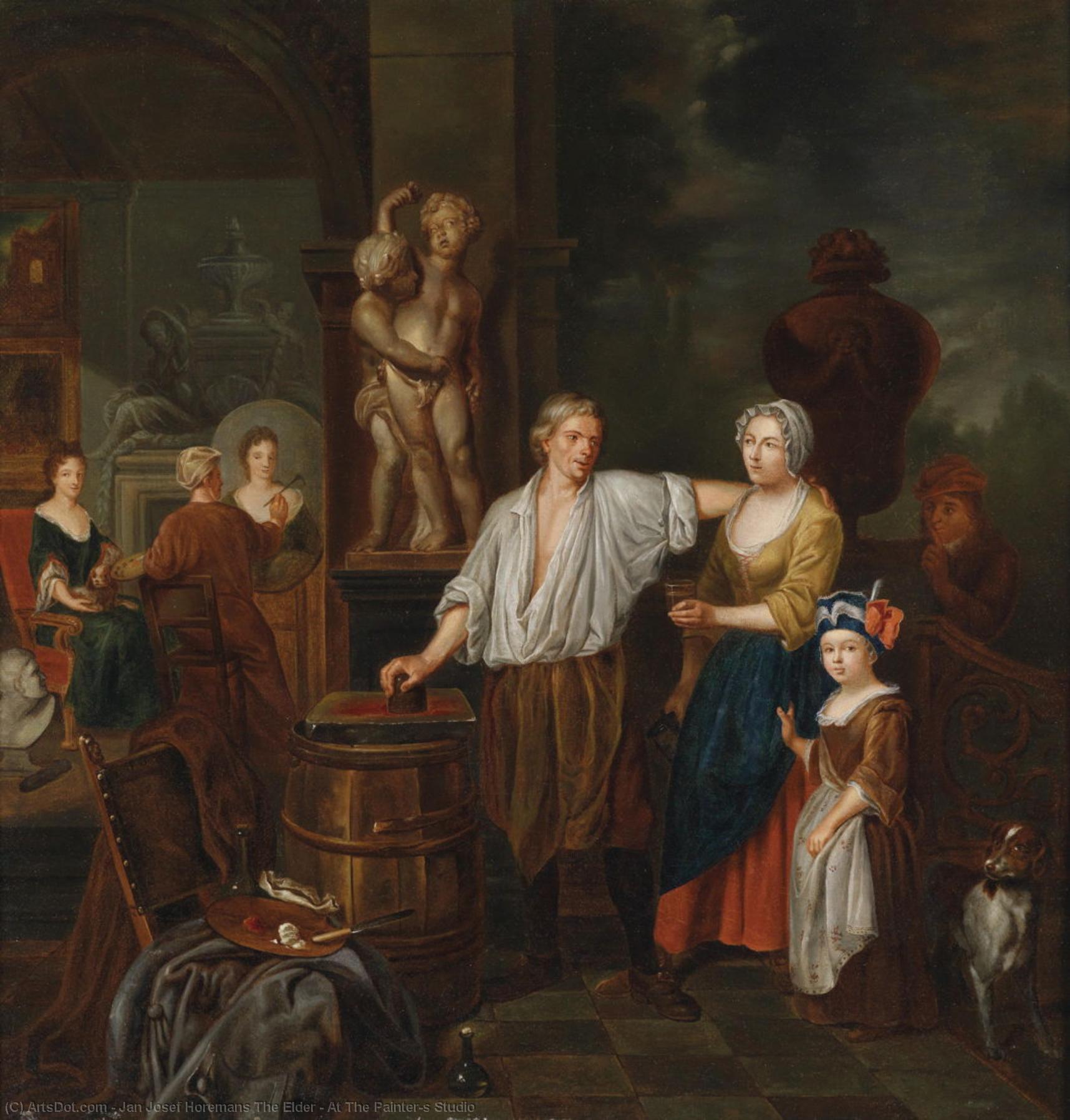
jan le ducq – Explore the captivating landscapes & animal paintings of Jan Le Ducq, a Dutch master known for his dog portraits.
Jan Miel – Cavaliere della Vita, (Anvers, 1599 - Turin, 1663) Court artist to Charles Emanuel II, Duke of Savoy.
Louvre, Paris, France – INV 1447 and MR 816 ( )
)

File:Jan Miel - The beggar.JPG – Wikimedia Commons 
Louvre Cartel – Foucart, Jacques, Catalogue des peintures flamandes et hollandaises du musée du Louvre, Gallimard / Louvre éditions, 2009, p. 182, ill. n&bCatalogue des peintures flamandes et hollandaises
질의응답
"LE MENDIANT"의 화풍은 작가가 활동했던 시대와 어떤 연관이 있나요?
얀 미엘의 "LE MENDIANT"은(는) 작가의 근세 초기 시대 중 Dutch Golden Age Painting 사조에 속합니다.
"LE MENDIANT"의 저작권 상태가 왜 이렇게 지정되어 있나요?
"LE MENDIANT"의 저작권 상태(퍼블릭 도메인 - 저작권 보호 기간이 만료되었습니다)는 작가의 1663년 사망 시점을 기준으로 결정됩니다.
얀 미엘의 "LE MENDIANT"의 색감은 선명한가요, 아니면 차분한가요?
얀 미엘의 "LE MENDIANT"은(는) Muted의 채도와 Monochromatic의 색채 강도를 보여줍니다.
작가 소개
얀 미엘: 네덜란드적 사실주의와 바로크적 웅장함의 가교
얀 미엘(Jan Miel, 1599–1663)은 17세기 예술 지형에서 매우 중추적인 인물로, 플랑드르의 전통과 이탈리아의 혁신이 만나는 매혹적인 접점을 구현해낸 화가입니다. 벨기에 베버런에서 태어난 그는 안트베르펜이나 '스헤르토헨보스가 그의 출생지라는 설도 존재하지만, 그의 초기 생애는 상대적으로 베일에 싸여 있어 전기적 세부 사항은 매우 드뭅니다. 그러나 학술적 연구를 통해 드러나는 그의 모습은 놀라운 예술적 여정 그 자체입니다. 그는 양식의 진화와 활발한 협업을 통해 로마와 토리노라는 역동적인 문화적 환경 속에서 자신의 입지를 확고히 다졌습니다.
그의 형성기는 주로 안트베르펜에서 기술을 연마하며 보냈으며, 이곳에서 안토니 반 다이크와 같은 저명한 플랑드르 거장들의 영향을 흡수했습니다. 비록 그의 교육 과정이 구체적으로 어떠했는지 명확히 밝혀지지는 않았으나, 그 훈련은 의심할 여지 없이 세밀한 관찰력과 정교한 기법에 대한 깊은 안목을 심어주었습니다. 이러한 자질은 이후 그의 작품 세계를 특징짓는 핵심 요소가 되었습니다. 고전적인 소묘와 초상화에 기반한 이 탄탄한 기초는 결국 지역적 경계를 넘어 전 유럽으로 뻗어나가는 예술적 커리어를 위한 필수적인 도구가 되었습니다.
로마에서의 변모와 밤보차안티의 정신
1636년경 로마에 도착한 사건은 미엘의 예술적 궤적에 있어 결정적인 전환점이 되었습니다. 그는 영원한 도시 로마에 거주하던 네덜란드 및 플랑드르 화가들의 영향력 있는 모임인 벤투에겔스(Bentvueghels)에 빠르게 합류했습니다. 이 형제애적 공동체 안에서 그는 특유의 가늘게 뜬 눈매를 반영하여 ‘비에코(bieco)’라는 기억에 남을 만한 별칭을 얻었으며, 이는 곧 그의 예술적 페르소나와 동의어가 되었습니다. 이러한 유대 관계는 피터 반 라에르의 밤보차안티(Bamboccianti) 양식으로부터 깊은 영향을 받은 광범위한 예술 공동체와의 깊은 연결을 가능케 했습니다.
이 운동은 르네상스 전성기 예술의 이상화된 웅장함을 탈피하여, 로마와 그 주변 지역 하층민들의 일상적인 삶을 묘사하는 데 전념했습니다. 훨씬 더 본능적이고 즉각적인 순간들을 포착하고자 했던 것입니다. 미엘은 이러한 흐름을 전적으로 수용하여, 도시 존재의 정신을 놀라운 사실주의와 감수성으로 담아낸 매혹적인 풍속화를 그려냈습니다. 그의 작품 속에는 다음과 같은 요소들이 생생하게 살아 숨 쉽니다.
- 여행객, 상인, 노동자들로 북적이는 활기찬 거리의 풍경
- 로마 골목길의 먼지 날리고 햇살 가득한 분위기를 불러일으키는 숙련된 빛의 사용
- 혼란스럽고 붐비는 환경 속에서 피어오르는 인간 감정의 미묘한 상호작용
- 직물, 돌, 그리고 흙의 질감에 대한 세밀한 주의력
고전주의와 궁정적 웅장함을 향한 진화
경력이 쌓임에 따라 미엘의 예술적 비전은 중대한 변모를 겪었습니다. 그는 여전히 풍속화의 거장으로 남았지만, 밤보차안티 특유의 거친 사실주의에서 벗어나 보다 고전적인 역사화로 나아가기 시작했습니다. 이러한 변화는 바로크의 가공되지 않은 에너지가 질서와 고귀함, 그리고 고전적 알레고리에 대한 갈망에 의해 점차 절제되던 당시 유럽 예술의 광범위한 흐름을 반영하고 있었습니다.
이러한 진화는 결국 그를 명성 높은 직위로 이끌었으며, 특히 사보이 공작 샤를 에마뉘엘 2세의 궁정 화가로 봉사하는 영광을 안겨주었습니다. 토리노 궁정의 예술가로서 미엘의 작업은 더욱 격식 있고 장엄한 성격을 띠게 되었습니다. 초기 로마 시절의 친밀함은 사라지고, 대신 왕실 후원자의 권위와 위엄을 반영하기 위해 설계된 더 거대하고 복잡한 구도의 작품들이 등장했습니다. 이 시기는 그의 전문적 성취의 정점을 나타내며, 세밀함에 뿌리를 둔 그의 플랑드르적 기질이 유럽 귀족층이 요구하던 웅장하고 압도적인 서사와 만난 순간이었습니다.
얀 미엘의 역사적 의의는 이처럼 서로 이질적인 세계들을 자유로이 항해할 수 있었던 능력에 있습니다. 그는 로마 거리 아이들의 비천한 고통 속에서도 아름다움을 찾아낼 줄 알았고, 고대의 서사시적인 이야기 속에서 품격을 발견할 줄 아는 예술가였습니다. 북방의 세밀한 사실주의와 남방의 극적인 고전주의 사이의 간극을 메움으로써, 미엘은 17세기 미술사에 지울 수 없는 흔적을 남겼으며 바로크 시대의 진정한 코스모폴리탄으로서 자신의 유산을 영원히 각인시켰습니다.
얀 미엘
1599 - 1663 , 벨기에
주요 정보
- Artistic Movement Or Style: 밤보차안티(Bamboccianti), 고전주의적 양식
- Artists Or Movements Influenced By This Artist: ['피터 반 라르']
- Artists Who Influenced This Artist: ['앤서니 반 다이크']
- Date Of Birth: 1599년 벨기에 베버런
- Date Of Death: 1663년
- Full Name: 얀 미엘
- Nationality: 플랑드르
- Notable Artworks:
- 두 숫양의 전투가 있는 풍경화
- 농민들이 도박하는 로마의 석회 가마
- Place Of Birth: 벨기에 베버런