
 미리보기
미리보기
 공유하기
공유하기 공유하기
공유하기
 상세 정보
상세 정보 가이드 보기

 다운로드
다운로드
 유사 작품 더 보기
 X-레이
X-레이 슬라이드 쇼 보기
 질의응답
질의응답 통계 정보
통계 정보Adam and Eve

- 62.0 x 45.0 cm


 더 보기
더 보기
지클레 / 아트 프린트
빠른 제작과 다양한 마감 옵션을 제공하는 박물관 수준의 지클레이 및 캔버스 프린트. ( 수작업 채색 복제본 주문하기 디지털 이미지로 전환)




P118B ₩10

P118H ₩10

P118W ₩10

P438Z ₩10

P508JH ₩12

P508YH ₩12

P805H ₩10

P805Z ₩10

P919BZ ₩10

P919G ₩10

P919XJ ₩10

P959ZH ₩10

P968JZ ₩12

W106C ₩8

W218G ₩10

W218JH ₩8

W218Y ₩10

W307PJ ₩10

W316G ₩10

W316PJ ₩8

W316Y ₩10

W398PJ ₩8

W4111J ₩10

W500HY ₩15

W500JH ₩15

W692G ₩12

W849H ₩8

W940BG ₩15

W953PJ ₩8




작품의 원본 비율을 그대로 유지하는 프리셋 사이즈 중에서 선택해 보세요.

액자나 벽면 크기에 맞춰 필요한 가로와 세로 길이를 입력해 주세요. 프린트는 원본 이미지보다 크게 제작할 수 없으며 오직 자르는 것만 가능하므로, 비율이 다른 사이즈를 선택할 경우 이미지의 일부가 잘려 나갈 수 있습니다. 인쇄 작업에 들어가기 전, 최종 확인을 위해 디지털 목업을 보내드립니다. 이 페이지에 표시된 이미지는 실제 잘리는 영역을 나타내지 않으며, 오직 목업을 통해서만 정확한 확인이 가능합니다.


 유리 옵션은 110cm 미만 크기에서만 선택 가능합니다.

Adam and Eve
지클레 / 아트 프린트
복제본 크기
-


최종 결제 금액
₩ 108730
A Renaissance Encounter: The Genesis of Form and Flesh
In the profound stillness of Jan Gossaert’s 1525 masterpiece, Adam and Eve, we are invited into a moment of primordial intimacy that transcends the boundaries of time. This breathtaking oil painting serves as a cornerstone of Northern Renaissance artistry, capturing the very dawn of humanity with a level of anatomical precision and dramatic flair that was revolutionary for its era. The composition centers on the tender, almost vulnerable embrace of the first man and woman, rendered with a sculptural quality that suggests they are carved from light itself. As they navigate their existence within the lush, enigmatic confines of the Garden of Eden, Gossaert utilizes a sophisticated interplay of shadow and brilliance to breathe life into their skin, making the viewer feel as though they are witnessing a sacred, private ritual unfolding just beyond the veil of history.
The technique employed by Gossaert—often referred to as Mabuse—demonstrates a masterful command over the medium of oil. Through delicate glazes and meticulous brushwork, he achieves a luminous texture that mimics the softness of human flesh against the ruggedness of the natural world. The artist’s ability to manipulate light creates a sense of three-dimensional volume, a hallmark of the transition from the late Gothic style to the burgeoning influence of the Italian Renaissance. This sculptural approach does more than just showcase technical prowess; it imbues the figures with a weight and presence that demand attention, making the painting an ideal focal point for any collection seeking to evoke a sense of grandeur and classical permanence.
Symbolism and the Complexity of the Human Condition
Beyond the immediate visual splendor, Adam and Eve is a tapestry of profound theological and symbolic meaning. The presence of additional figures scattered throughout the periphery—shadowy presences at the edges of the frame—adds layers of narrative complexity, suggesting that the story of the Fall is not merely an isolated event but one that ripples through the collective consciousness of mankind. These secondary characters serve as witnesses to the innocence and the impending loss of that innocence, creating a tension between the peaceful intimacy of the central pair and the encroaching weight of destiny. The lush greenery and the subtle details of the flora surrounding them act as a metaphor for the fertile, yet fragile, state of paradise.
For the discerning collector or interior designer, this artwork offers much more than mere decoration; it provides an emotional anchor for a space. The painting’s ability to evoke feelings of nostalgia, reverence, and contemplative melancholy makes it a versatile piece for sophisticated environments. Whether placed in a sun-drenched gallery or a moody, library-style study, a high-quality reproduction of this work brings with it the intellectual depth of the 16th century. It is an invitation to reflect on the eternal themes of love, temptation, and the enduring beauty of the human spirit, making it a timeless investment for those who appreciate art that speaks to the soul.
질의응답
Jan Gossaert의 "Adam and Eve"은(는) 언제 제작되었나요?
Jan Gossaert의 "Adam and Eve"은(는) 1525년에 제작되었습니다.
Jan Gossaert의 "Adam and Eve"의 구성을 주도하는 색상은 무엇인가요?
"Adam and Eve"에서 가장 돋보이는 색상은 Rosy Brown (#beb7a4)입니다. 작품의 주된 색상을 활용하면 인테리어와 더욱 조화롭게 연출할 수 있습니다.
Jan Gossaert의 "Adam and Eve"의 작품이 전달하는 감정과 선물하기 좋은 순간은 어떻게 어우러지나요?
"Adam and Eve"은(는) Romantic 분위기를 자아내며, Anniversary에게 선물하기 좋습니다.
작가 정보
The Shadowed Canvas: Exploring the Life and Art of an Unknown Master
The name Elias Thorne remains largely obscured within the annals of 16th-century European art, a deliberate anonymity that perhaps mirrors the complex and often melancholic nature of his work. Born in the small, rain-swept village of Oakhaven, nestled on the fringes of the Black Forest in 1503, Thorne’s early life offers little in the way of documented detail – whispers suggest a childhood marked by solitude and an unusual fascination with the natural world, particularly the interplay of light and shadow. His father was a woodcarver, imparting a foundational understanding of form and texture, while his mother, a herbalist, instilled within him a deep reverence for the subtle beauty found in decay and transformation – themes that would become central to Thorne’s artistic vision.
Thorne's formal training is shrouded in mystery. Unlike many artists of his era who apprenticed under established masters, he seems to have been largely self-taught, a characteristic that profoundly shaped the unique character of his paintings. He spent several years traveling throughout Germany and Switzerland, absorbing influences from the burgeoning Renaissance movement while simultaneously developing a distinct style – one characterized by an almost obsessive attention to detail, a muted palette dominated by browns, grays, and deep blues, and a haunting sense of atmosphere. Unlike the vibrant colors favored by his contemporaries, Thorne deliberately employed shadows not as mere absences of light, but as active participants in the narrative of each scene.
A Palette of Grief and Reflection
Thorne’s artistic output was remarkably modest – fewer than thirty paintings survive, scattered across private collections and small museums. Yet, within this limited body of work lies a remarkable depth of emotional resonance. His subjects rarely depict grand historical events or idealized portraits; instead, he focused on scenes of quiet contemplation, moments of profound sorrow, and the inevitable passage of time. Recurring motifs include solitary figures – often women – gazing out from darkened interiors, decaying landscapes, and still lifes featuring wilting flowers and weathered fruit. These images are not merely representations of reality but rather explorations of the human condition, imbued with a palpable sense of melancholy and introspection.
- Notable Works: “The Weaver’s Lament,” “The Forgotten Chapel,” “Still Life with Dying Lilies,” “Portrait of an Unknown Woman (Shadowed),” “Winter’s Embrace.”
- Technique: Thorne was a master of *sfumato*, utilizing subtle gradations of tone and color to create a hazy, dreamlike quality. His brushwork is meticulous yet understated, prioritizing atmosphere over sharp detail. He favored oil paints on wood panels, lending a rich texture and depth to his canvases.
Influences and Artistic Roots
While Thorne’s style remains distinctly his own, it's clear that he was influenced by several key artistic currents of the period. The late Gothic traditions of Northern Europe – particularly the intricate detail and symbolic imagery found in medieval altarpieces – are evident in his compositions. Furthermore, there is a discernible connection to the work of Hans Holbein the Younger, particularly his use of light and shadow to create dramatic effects. However, Thorne transcends mere imitation; he synthesizes these influences into a profoundly personal vision.
Beyond art, Thorne’s life was deeply intertwined with folklore and local legends. The Black Forest itself played a significant role in shaping his artistic sensibility – its dense forests, ancient ruins, and whispered tales of forgotten spirits provided a constant source of inspiration. Local beliefs surrounding death, mourning, and the afterlife are subtly woven into the narratives depicted in his paintings.
Legacy and Historical Significance
Despite his obscurity during his lifetime, Elias Thorne’s work has experienced a quiet resurgence of interest in recent decades. Art historians now recognize him as a pivotal figure in the development of Northern European painting – a precursor to the Baroque era's emphasis on dramatic lighting and emotional intensity. His paintings are not celebrated for their technical brilliance or historical importance but rather for their profound psychological depth and haunting beauty. Thorne’s art serves as a poignant reminder that true artistic genius often resides not in grand gestures, but in the quiet contemplation of human experience.
His work offers a unique window into the anxieties and uncertainties of 16th-century Europe – a period marked by religious upheaval, political instability, and widespread social unrest. Thorne’s paintings reflect this atmosphere of unease, capturing not just the outward appearance of reality but also the underlying currents of sorrow, loss, and longing that shaped the lives of ordinary people.
Further Exploration
For further research into Elias Thorne's life and work, consider exploring these resources:
- The website of the Kunstmuseum Bern (Bern Art Museum) – which houses several examples of his paintings.
- Academic articles on Northern European painting from scholarly journals such as *Art History* and *Renaissance Quarterly*.

Jan Gossaert
1532 , Belgium
작가 정보 요약
- Date Of Death: 1532
- Place Of Birth: Maubeuge, Belgium
- Notable Artworks:
- Evelyne Axell
- Joav BarEl
- Thomas Bayrle
- Artistic Movement Or Style: World Goes Pop
관련 콘텐츠

The Enduring Legacy of Oil on Canvas: Technique, History & Aesthetic Impact
Explore the rich history & techniques of oil painting – from Renaissance masters to Impressionism. Discover pigments, layering methods, and why this timeless medium endures. Expert insights for artists & art enthusiasts.

Oil on Canvas: A Historical & Technical Exploration of a Timeless Artistic Medium
Explore the rich history & enduring techniques of oil painting on canvas. Discover the science behind its longevity, conservation practices, and contemporary relevance. Expert insights for art enthusiasts.
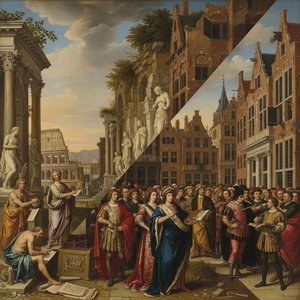
Jan Gossaert (Mabuse): Pioneering Renaissance Style & the Birth of Netherlandish Antiquity
Explore the groundbreaking art of Jan Gossaert (Mabuse), a pioneer of Renaissance painting in the Low Countries. Discover his Romanist style, stunning portraits, and influence on Northern European art history.
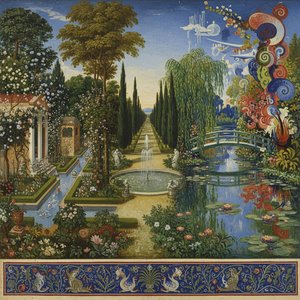
Cultivating Paradise: A Historical & Artistic Exploration of Gardens in Painting
Explore the rich history of gardens in painting! Discover masterpieces from Renaissance to Impressionism & beyond. Learn about symbolism, artists like Monet & Klimt, and find your perfect artwork at OriginalUniqueArt.

The Enduring Power of Painting: A Historical & Contemporary Exploration of Form and Emotion
Explore the rich history & enduring techniques of oil painting with OriginalUniqueArt. Discover masterpieces, learn about art collecting, and find authentic handmade reproductions crafted by skilled artists.
