

 실제 크기로 보기
 보내기
보내기 공유하기
공유하기
 상세 보기
상세 보기 가이드 보기

 이미지 다운로드
 유사 작품 더 보기
 X-레이
X-레이 슬라이드 쇼 보기
 통계 정보
통계 정보The Crucifixion


 상세 보기
상세 보기
지클레 / 아트 프린트
빠른 제작과 다양한 마감 옵션을 선택할 수 있는 박물관 수준의 지클레이 및 캔버스 프린트. ( 수작업 채색 복제본 주문하기 디지털 이미지 판매 채널로 전환)




P118B $10

P118H $10

P118W $10

P438Z $10

P508JH $12

P508YH $12

P805H $10

P805Z $10

P919BZ $10

P919G $10

P919XJ $10

P959ZH $10

P968JZ $12

W106C $8

W218G $10

W218JH $8

W218Y $10

W307PJ $10

W316G $10

W316PJ $8

W316Y $10

W398PJ $8

W4111J $10

W500HY $15

W500JH $15

W692G $12

W849H $8

W940BG $15

W953PJ $8




작품의 원본 비율을 그대로 유지하는 프리셋 사이즈 중에서 선택해 보세요.

특정 프레임이나 공간에 맞춰 직접 치수를 입력하실 수 있습니다. 선택하신 사이즈가 원본 이미지의 비율과 일치하지 않을 경우, 작품을 크롭(자르기)하거나 이미지를 대칭 또는 단색 채우기로 확장하여 제작합니다. 제작 시작 전, 최종 확인을 위해 디지털 목업이 전송됩니다.
화면상의 미리보기는 실제 크롭이나 확장 상태를 반영하지 않으므로, 최종 구도는 오직 목업을 통해서만 정확하게 확인하실 수 있습니다.
맞춤 사이즈 제작도 가능하지만, 원본 비율을 유지하기 위해서는 사전 정의된 목록에서 치수를 선택하시는 것을 권장합니다.


 유리 옵션은 110cm 미만 크기에서만 선택 가능합니다.

The Crucifixion
지클레 / 아트 프린트
복제본 규격
-


총 결제 금액
$ 80
The Crucifixion: A Window into Northern Renaissance Grief
Jan Brueghel the Elder’s “The Crucifixion” is not merely a depiction of a pivotal religious event; it's a profound exploration of human response to suffering, rendered with the meticulous detail and emotional depth characteristic of the Flemish Baroque. Painted in Brussels around 1597-1602, this monumental oil on panel offers a visceral experience, pulling the viewer into a chaotic yet deeply moving tableau of grief, curiosity, and detached observation within the context of a Roman crucifixion.
The painting immediately commands attention with its densely populated composition. Brueghel masterfully orchestrates a multitude of figures – mourners draped in somber hues, onlookers scrutinizing the scene with varying degrees of emotion, and even a few individuals seemingly absorbed in their own activities amidst the tragedy. The landscape backdrop, dominated by rolling hills, a distant castle-like structure, and a turbulent sky, provides both spatial context and symbolic weight. The high horizon line amplifies the sense of overwhelming scale, emphasizing the sheer number of people bearing witness to this horrific event.
Brueghel’s technique is a testament to his artistic prowess. He employs a layered approach, building up color and texture through countless thin glazes of oil paint – a hallmark of Northern Renaissance painting. The artist's mastery of hatching and cross-hatching creates a remarkable sense of realism, particularly in the rendering of clothing, faces, and the rough textures of the landscape. Notice how the folds of fabric cling realistically to the bodies of the mourners, while subtle variations in tone capture the nuances of skin and expression. The use of dark blues and grays in the sky contributes significantly to the painting’s somber mood, creating a dramatic contrast with the brighter colors worn by some of the onlookers.
A Symphony of Emotion: Interpreting the Crowd
What truly distinguishes “The Crucifixion” is Brueghel's astute portrayal of human reaction. He doesn’t shy away from depicting the unsettling mixture of emotions present in a crowd witnessing such an event. Some figures are openly weeping, their faces etched with sorrow; others stand silently, lost in contemplation; still others gaze upon the scene with a detached curiosity, almost as if observing a spectacle. This nuanced depiction challenges viewers to consider not only the suffering of Christ but also the complex ways in which humans grapple with tragedy and mortality.
The inclusion of seemingly mundane activities within the scene – a man carrying a basket, a woman tending to a child – underscores Brueghel’s intention to portray the Crucifixion as a universal event, reflecting the human condition. It's a deliberate move away from purely devotional representations, inviting viewers to contemplate the broader implications of suffering and faith.
Symbolism Woven into the Canvas
Beyond its immediate depiction of the crucifixion, “The Crucifixion” is rich in symbolic meaning. The stormy sky serves as a potent metaphor for turmoil and despair, mirroring the emotional landscape of the scene. The distant castle, often interpreted as representing Rome – the seat of imperial power and execution – subtly highlights the political context of Christ’s death. Furthermore, the sheer number of figures present suggests the universality of suffering and the shared experience of mortality.
The positioning of the two prominent crucifixes in the foreground is particularly significant. They serve as focal points, drawing the viewer's eye to the central event while simultaneously emphasizing the enduring nature of faith and sacrifice. The act of crucifixion itself, a brutal and agonizing form of execution, becomes a symbol of redemption and hope within the Christian narrative.
A Legacy of Flemish Mastery
“The Crucifixion” stands as a remarkable achievement in Northern Renaissance art, showcasing Jan Brueghel the Elder’s exceptional technical skill, his profound understanding of human psychology, and his ability to imbue religious subjects with emotional resonance. It shares stylistic similarities with the work of his uncle, Pieter Bruegel the Elder, particularly in its focus on genre scenes depicting everyday life alongside grand historical or religious narratives. However, Jan Brueghel’s painting possesses a greater degree of psychological depth and dramatic intensity.
This powerful image continues to resonate with viewers today, offering a timeless meditation on faith, suffering, and the enduring complexities of the human spirit. Reproductions of “The Crucifixion” provide an accessible way to experience the artistry and emotional impact of this iconic masterpiece, bringing its profound message into homes and spaces around the world.
작가 소개
플랑드르 토양에 뿌리내린 유산
얀 브뤼겔 노인(Jan Brueghel the Elder, 1568-1625)은 생생한 풍경화와 정교한 정물화로 유명하며, 예술적 전통이 깊게 드리워진 가문에서 태어났습니다. 1568년 브뤼셀에서 출생한 그는 농민 생활과 광활한 전경을 묘사하여 미술사에 이름을 남긴 네덜란드 르네상스 시대의 거장 피터 브뤼겔 노인의 막내 아들이었습니다. 아버지의 그림자는 억압적일 수 있었지만, 얀은 단순한 후계자가 아닌 번성하는 플랑드르 바로크 운동 내에서 혁신가로 자신만의 독특한 길을 개척했습니다. 그의 어린 시절은 비극으로 얼룩졌습니다. 피터 브뤼겔 노인은 얀이 겨우 한 살 때 세상을 떠났고, 어머니는 10년 후 사망했습니다. 처음에는 존경받는 예술가였던 할머니 마이켄 베르헐스트(Mayken Verhulst)에게 양육되었으며, 얀은 드로잉과 수채화에 대한 기초적인 교육을 받았습니다. 이는 평생 동안 지속될 세심한 관찰과 기술적 숙달에 대한 헌신으로 이어졌습니다. 이러한 초기 양육의 영향력과 안트베르펜의 예술적 열정과 결합되어, 유전된 기술과 개인적인 비전을 모두 담은 경력을 위한 기반이 마련되었습니다.바로크 비전의 개화
브뤼겔의 예술적 발전은 1590년대 이탈리아 여행을 통해 심오한 영향을 받았습니다. 나폴리와 로마는 그에게 웅장함, 드라마, 색채 감각이 특징인 다른 미학적 감성을 접할 기회를 제공했습니다. 그는 이러한 영향력을 흡수했지만 단순히 모방하지 않았습니다. 대신 북유럽의 상세한 사실주의 전통과 결합하여 아버지로부터 물려받았습니다. 이 융합은 이탈리아 바로크의 화려함과 플랑드르 회화의 정밀함을 기념하는 독특한 스타일을 탄생시켰습니다. 그는 특히 꽃 그림에서 놀라운 충실도로 질감을 표현하는 능력으로 “벨벳 브뤼겔”이라는 별명을 얻었습니다. 이것들은 단순한 식물학적 연구가 아니었습니다. 그것은 삶의 덧없는 아름다움을 기념하고 상징적인 의미로 가득 찬 축하 행사였습니다. 꽃 외에도 브뤼겔은 풍경화에서도 뛰어났으며, 일상적인 활동에 참여하거나 신화적인 이야기를 담고 있는 인물들로 가득한 목가적인 장면을 자주 묘사했습니다. 그의 구도는 탁 트인 범위와 거의 강박적인 세심함으로 특징지어집니다. 모든 잎, 모든 곤충, 물결치는 모든 파동은 세심하게 묘사됩니다.협업과 혁신
얀 브뤼겔의 경력은 개인적인 성취로만 정의되지 않았습니다. 그는 또한 뛰어난 협력자였습니다. 그의 가장 중요한 파트너십은 플랑드르 바로크 시대에서 가장 영향력 있는 예술가인 피터 폴 루벤스와의 관계였습니다. 두 예술가는 긴밀한 우정을 나누었고 대규모 프로젝트에 함께 자주 참여했으며, 각자의 독특한 강점을 기여했습니다. 일반적으로 루벤스는 인물을 그렸고 브뤼겔은 풍경화와 정물화를 담당했습니다. 이 협업은 *아담과 이브의 낙원*과 같은 시대 최고의 걸작을 탄생시켰습니다. 루벤스의 역동적인 인물이 브뤼겔의 무성하고 상세한 정원 환경에 원활하게 통합되었습니다. 루벤스와의 파트너십 외에도 브뤼겔은 꽃 화환 그림, 종교적 또는 신화적 장면을 둘러싼 복잡한 꽃 배열과 낙원 풍경화를 개척하여 다작 혁신가였습니다. 그는 또한 상상 속 박물관 환경 내에서 미술품 컬렉션을 보여주는 갤러리 그림을 개발했는데, 이는 17세기 동안 증가하는 미술 수집에 대한 관심을 반영했습니다.지속적인 영향
얀 브뤼겔 노인은 1625년 안트베르펜에서 세상을 떠났고, 그의 유산은 자신의 생애를 훨씬 뛰어넘었습니다. 그의 세심한 기술, 생생한 색상 팔레트, 혁신적인 구도는 후대의 플랑드르 화가들에게 심오한 영향을 미쳤습니다. 그는 디테일과 사실주의에 대한 새로운 기준을 확립하여 예술가들이 그들의 기술의 한계를 넓히도록 영감을 주었습니다. 그의 아들 얀 브뤼겔 노인은 아버지의 발자취를 따라갔고, 종종 장인의 작품과 구별하기 어려운 작품을 만들었습니다. 그러나 가족의 명성을 확립하고 미술사에서 중요한 인물로 자리매김한 것은 얀 브뤼겔 노인이었습니다. 그의 작품은 당대의 예술적 흐름뿐만 아니라 과학적 관찰의 부상, 반종교개혁 동안 종교적 열정의 번성, 자연 세계의 아름다움과 복잡성에 대한 증가하는 감사를 포함하여 더 광범위한 지적 및 문화적 변화를 반영합니다. 브뤼겔의 그림은 오늘날에도 정교한 디테일, 생생한 색상, 지속적인 경이로움을 선사하며 관객을 사로잡고 있습니다.- 탁월한 질감 표현으로 “벨벳 브뤼겔”이라는 별명을 얻었습니다.
- 꽃 화환 그림과 낙원 풍경화를 개척했습니다.
- 피터 폴 루벤스와 긴밀하게 협력했습니다.

얀 브뤼겔 (Jan Bruegel)
1568 - 1625 , 벨기에
작가 정보 요약
- Artistic Movement Or Style: 플랑드르 바로크
- Artists Or Movements Influenced By This Artist: ['플랑드르 화가']
- Artists Who Influenced This Artist: ['피터 브뤼겔 더 엘더']
- Date Of Birth: 1568년
- Date Of Death: 1625년
- Full Name: 얀 브뤼겔 더 엘더
- Nationality: 플랑드르
- Notable Artworks (List Of Titles):
- 넵튠의 승리
- 꽃 정물
- 폭포가 있는 풍경
- Place Of Birth (City And Country): 브뤼셀, 벨기에
관련 기사

Mastering Drama and Light: A Definitive Guide to the Flemish Baroque Art Movement
Explore the dramatic brilliance of the Flemish Baroque movement. Discover how masters like Peter Paul Rubens utilized chiaroscuro and dynamic composition to redefine art history through light, shadow, and unparalleled emotion.

The Majesty of Flemish Baroque: A Definitive Guide to Drama, Color, and Grandeur in 17th-Century Masterpieces
Explore the grandeur of Flemish Baroque art. Uncover the dramatic legacy of Peter Paul Rubens and the mastery of light and color. Discover museum-grade, hand-painted oil reproductions and custom commissions at OriginalUniqueArt.com—where history meets fine craftsmanship.

Oil on Canvas: A Historical & Technical Exploration of a Timeless Artistic Medium
Explore the rich history & enduring techniques of oil painting on canvas. Discover the science behind its longevity, conservation practices, and contemporary relevance. Expert insights for art enthusiasts.

The Dramatic Flourish: Exploring the Baroque Movement's Enduring Legacy in Art History
Explore the dramatic world of Baroque art! Discover iconic artists like Caravaggio & Rubens, defining techniques, and its lasting impact on art history. Expert insights for collectors & enthusiasts at OriginalUniqueArt.
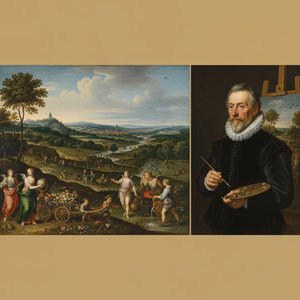
Jan Brueghel the Elder: A Master of Flemish Landscape & Allegory – Exploring Innovation & Influence
Explore the captivating world of Jan Brueghel the Elder, a Flemish Baroque master renowned for his stunning landscapes & allegorical paintings. Discover his collaborations with Rubens and lasting artistic legacy.


