

 실제 크기로 보기
 보내기
보내기 공유하기
공유하기
 상세 보기
상세 보기 가이드 보기

 이미지 다운로드
 유사 작품 더 보기
 X-레이
X-레이 슬라이드 쇼 보기
 통계 정보
통계 정보The Famous Childers
 Oil
Oil- WallArt
 Early Modern
 14.0 x 18.0 cm
 예일 영국 미술관
 상세 보기
상세 보기
지클레 / 아트 프린트
빠른 제작과 다양한 마감 옵션을 선택할 수 있는 박물관 수준의 지클레이 및 캔버스 프린트. ( 수작업 채색 복제본 주문하기 디지털 이미지 판매 채널로 전환)




P118B $10

P118H $10

P118W $10

P438Z $10

P508JH $12

P508YH $12

P805H $10

P805Z $10

P919BZ $10

P919G $10

P919XJ $10

P959ZH $10

P968JZ $12

W106C $8

W218G $10

W218JH $8

W218Y $10

W307PJ $10

W316G $10

W316PJ $8

W316Y $10

W398PJ $8

W4111J $10

W500HY $15

W500JH $15

W692G $12

W849H $8

W940BG $15

W953PJ $8




작품의 원본 비율을 그대로 유지하는 프리셋 사이즈 중에서 선택해 보세요.

특정 프레임이나 공간에 맞춰 직접 치수를 입력하실 수 있습니다. 선택하신 사이즈가 원본 이미지의 비율과 일치하지 않을 경우, 작품을 크롭(자르기)하거나 이미지를 대칭 또는 단색 채우기로 확장하여 제작합니다. 제작 시작 전, 최종 확인을 위해 디지털 목업이 전송됩니다.
화면상의 미리보기는 실제 크롭이나 확장 상태를 반영하지 않으므로, 최종 구도는 오직 목업을 통해서만 정확하게 확인하실 수 있습니다.
맞춤 사이즈 제작도 가능하지만, 원본 비율을 유지하기 위해서는 사전 정의된 목록에서 치수를 선택하시는 것을 권장합니다.


 유리 옵션은 110cm 미만 크기에서만 선택 가능합니다.

The Famous Childers
지클레 / 아트 프린트
복제본 규격
-


총 결제 금액
$ 80
A Moment Frozen in Time: The Elegance of The Famous Childers
In the delicate dance between man and beast, few works capture the quiet dignity of the Georgian era quite like James Seymour’s The Famous Childers. This intimate painting invites the viewer to step onto a windswept shoreline, where the rhythmic pulse of the tide meets the steady stride of a noble steed. The scene is far more than a mere depiction of a coastal stroll; it is a masterclass in atmosphere, capturing a fleeting moment of tranquility amidst the vastness of the natural world. As the man, dressed in the refined attire of his time, guides his horse along the damp sands, there is an undeniable sense of companionship and shared purpose that resonates deeply with anyone who has felt the bond between human and animal.
The composition is a triumph of balanced movement. Seymour utilizes the natural elements—the gentle crest of a wave, the distant silhouette of a drifting boat, and the solitary bird tracing arcs across the sky—to create a sense of profound depth. The technique employed here reflects the artist's training under the great Francis Hayman, showcasing a meticulous attention to the textures of the landscape. One can almost feel the grit of the sand beneath the horse's hooves and the cool mist of the salt spray in the air. Through subtle brushwork, the artist achieves a luminous quality that breathes life into the scene, making the light reflecting off the water appear as real as the subject matter itself.
Historical Resonance and Aesthetic Splendor
To possess or display a reproduction of The Famous Childers is to bring a piece of British sporting heritage into a contemporary space. During the early 18th century, equestrian art served as a powerful symbol of social prestige and the refined pursuits of the aristocracy. Seymour, a pioneer in this genre, understood how to imbue his subjects with a sense of character and nobility. In this specific work, the horse is not merely an animal, but a central protagonist, its lowered head suggesting a moment of rest or focused attention, mirroring the calm composure of its handler.
For the discerning collector or interior designer, this piece offers a versatile elegance that transcends fleeting trends. Its soft palette and evocative subject matter make it an ideal focal point for a study, a library, or a sophisticated living area where one wishes to evoke feelings of nostalgia and peace. The painting does not demand attention through loud colors, but rather earns it through its quiet, enduring beauty. It serves as a window into a bygone era of grace, offering a timeless aesthetic that complements both classical and modern decor, providing a soulful anchor for any curated collection.
작가 소개
The Master of the Galloping Canvas
James Seymour (1702–1752) stands as a significant figure in British art history, particularly celebrated for his masterful depictions of equestrian pursuits and aristocratic life during the Georgian era. Born in London, he emerged from a family steeped in artistic tradition, though biographical details remain somewhat sparse, reflecting the limitations of archival records prevalent at the time. His father, also named James Seymour, was an amateur artist and art dealer whose diverse business dealings as a banker, goldsmith, and diamond merchant provided the young painter with a unique advantage. This affluent background afforded the boy the leisure time to study art independently, often drawing inspiration from his father’s personal collections or the refined works displayed at the Virtuosi Club of St. Luke, an exclusive gentleman's club specializing in fine art.
Seymour's artistic journey was deeply shaped by his early training under Francis Hayman, a prominent painter renowned for his portraits of nobility and sweeping landscapes. This formative influence instilled in him a profound appreciation for meticulous detail and the ability to capture human emotion within formal, structured compositions. However, Seymour did not merely replicate the styles of his mentors; he swiftly established himself as an independent force, developing a distinctive style characterized by a striking realism and an expressive handling of color. His work moved beyond mere documentation, seeking instead to convey the palpable energy of the English countryside and the social prestige inherent in the sporting world.
A Symphony of Motion and Aristocratic Grace
The heart of Seymour’s oeuvre lies in his dedication to equestrian subjects—horse racing events, hunting expeditions, and intimate portraits of riders that reflected the prevailing passions of Britain's upper classes. Unlike many contemporaries who favored idealized or static representations, Seymour’s canvases possess a sense of immediacy and psychological depth. He possessed a rare ability to capture the rhythmic pulse of life, whether it was the steady stride of a noble steed on a windswept shoreline or the coordinated chaos of a hunt.
In his more delicate works, such as A Lady and a Gentleman Riding Out, one observes the masterful command of the Rococo style. Here, Seymour utilizes fluid lines and organic forms to create a sense of balanced movement and refined leisure. His technique involved a sophisticated layering of paint to build textures that bring the scene to life; the viewer can almost feel the contrast between the smooth, lustrous sheen of fine silk attire and the rugged, tactile reality of a horse's coat. This atmospheric approach, characterized by soft, diffused illumination, creates a gentle glow that blends his subjects seamlessly into pastoral backgrounds, lending his work a dreamlike, romantic quality.
His achievements are best understood through the diversity of his subject matter:
- Equestrian Realism: His ability to portray the physical power and anatomical accuracy of horses, as seen in works like The Famous Childers.
- Genre Scenes: The meticulous rendering of social interactions and hunting parties, exemplified by Hunting Scene No.2, where he captures the textures of fur coats and the nuanced expressions of participants.
- Atmospheric Landscapes: The use of light and weather to evoke the mood of the English landscape, moving from tranquil coastal scenes to verdant woodlands.
Legacy and Historical Significance
Though his life was relatively short, James Seymour’s impact on the development of British sporting art is immeasurable. He was among the first English painters to specialize in the equestrian genre, paving the way for future generations of artists who would document the intersection of animal athleticism and human social hierarchy. His work serves as a vital historical window into the Georgian era, capturing the subtle symbolism of clothing, equestrian equipment, and the choreographed displays of status that defined the age.
The enduring relevance of his talent is perhaps best honored by the James Seymour Stakes, a prestigious horse race held at Newmarket. This tradition ensures that while the man has passed into history, his name remains inextricably linked to the very spirit of the equine excellence he so brilliantly immortalized on canvas. Through his brush, the fleeting moments of 18th-century aristocratic life were transformed into permanent monuments of grace, strength, and motion.

james seymour
1702 - 1752 , United Kingdom
작가 정보 요약
- Artistic Movement Or Style: Rococo Art
- Date Of Birth: London, United Kingdom (1702)
- Date Of Death: 1752
- Full Name: James Seymour
- Nationality: British
- Notable Artworks:
- Hunting Scene No.2
- Chestnut Horse With A Groom Near Newmarket
- Flying Childers, With Jockey Up
- Place Of Birth: London
관련 기사

The Equine Muse: A Historical & Artistic Exploration of Horses in Painting
Explore the captivating history of horses in painting! Discover Renaissance masterpieces, Baroque grandeur & expert insights for collecting equestrian art. Learn about symbolism, techniques & lasting value with OriginalUniqueArt.
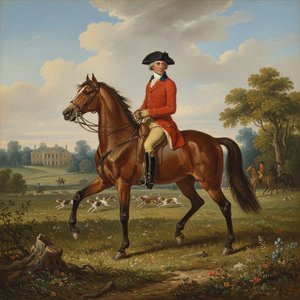
John Nost Sartorius: Equestrian Portraiture & the Shifting Social Landscape of 18th-Century England
Explore the captivating equestrian art of John Nost Sartorius (1759-1828). Discover his detailed paintings of racehorses, hunting scenes & aristocratic life. Learn about collecting Sartorius's work and its lasting value.
The Noble Steed: A Historical and Artistic Exploration of Horses in Fine Art
Explore the rich history of horses in fine art! From ancient depictions to Renaissance masterpieces & beyond, discover iconic artworks and artists. Learn about symbolism, techniques, and find museum-quality reproductions at OriginalUniqueArt.
The Noble Steed on Canvas: A Historical & Artistic Exploration of Horse Painting Across Cultures
Explore the rich history of horse painting! Discover masterpieces from Stubbs to Munnings & learn about symbolism, techniques & artists. Find museum-quality reproductions at OriginalUniqueArt.
The Noble Steed: A Historical & Artistic Exploration of Equestrian Art Across Cultures
Explore the captivating history of equestrian art with OriginalUniqueArt. Discover masterpieces from Velázquez to Van Dyck & learn about collecting these timeless works. Expert insights for discerning connoisseurs.