

 실제 크기로 보기
 보내기
보내기 공유하기
공유하기
 상세 보기
상세 보기 가이드 보기

 이미지 다운로드
 유사 작품 더 보기
 X-레이
X-레이 슬라이드 쇼 보기
 통계 정보
통계 정보Verre de Vin Rouge fraises et cerises

 상세 보기
상세 보기
지클레 / 아트 프린트
빠른 제작과 다양한 마감 옵션을 선택할 수 있는 박물관 수준의 지클레이 및 캔버스 프린트. ( 수작업 채색 복제본 주문하기 디지털 이미지 판매 채널로 전환)




































작품의 원본 비율을 그대로 유지하는 프리셋 사이즈 중에서 선택해 보세요.

특정 프레임이나 공간에 맞춰 직접 치수를 입력하실 수 있습니다. 선택하신 사이즈가 원본 이미지의 비율과 일치하지 않을 경우, 작품을 크롭(자르기)하거나 이미지를 대칭 또는 단색 채우기로 확장하여 제작합니다. 제작 시작 전, 최종 확인을 위해 디지털 목업이 전송됩니다.
화면상의 미리보기는 실제 크롭이나 확장 상태를 반영하지 않으므로, 최종 구도는 오직 목업을 통해서만 정확하게 확인하실 수 있습니다.
맞춤 사이즈 제작도 가능하지만, 원본 비율을 유지하기 위해서는 사전 정의된 목록에서 치수를 선택하시는 것을 권장합니다.


 유리 옵션은 110cm 미만 크기에서만 선택 가능합니다.

Verre de Vin Rouge fraises et cerises
지클레 / 아트 프린트
복제본 규격
-


총 결제 금액
$ 80
James Ensor’s Verre de Vin Rouge Fraises et Cerises: A Symphony of Color and Unease
James Ensor's *Verre de Vin Rouge Fraises et Cerises*, painted in 1892, stands as a cornerstone of Expressionist art—a testament to the artist’s singular vision and his profound engagement with psychological themes. More than just a depiction of fruit and wine, this oil on panel masterpiece embodies Ensor's characteristic stylistic choices and invites contemplation about the anxieties inherent within seemingly idyllic subjects.The Expressionist Palette: Boldness Beyond Impressionism
Ensor’s approach to color distinguishes him sharply from Impressionists like Monet or Renoir. Rather than capturing fleeting atmospheric effects, he utilizes vibrant hues—particularly reds—to convey emotion directly. As noted in his own words, “J'ai donné un style très libre, le beau style du peintre, style reflétant mes mépris, mes joies, mes peines, mes amours; style de rappels harmonieux, style musical, style sonore, style de plume et de pinceau...” (J. Ensor, Letter to André de Ridder, 2 August 1928). This stylistic freedom echoes the broader Expressionist movement’s desire to bypass rational representation and tap into primal feelings. The audacious reds of the wine glass and fruit—a deliberate contrast against the muted background tones—create a palpable tension that underscores Ensor's preoccupation with darker psychological currents beneath the surface.Compositional Balance and Symbolic Resonance
The arrangement of elements within *Verre de Vin Rouge Fraises et Cerises* is meticulously considered. The wine glass dominates the center, serving as an anchor for the eye while simultaneously symbolizing indulgence and perhaps even concealment. Surrounding it are bowls containing strawberries and cherries—a seemingly cheerful assortment that nevertheless feels subtly unsettling. These fruits, rendered with meticulous detail, contribute to a sense of movement and vibrancy, yet their placement is deliberately asymmetrical, mirroring Ensor’s artistic inclination toward imbalance and disruption. The artist's fascination with masks – a recurring motif in his oeuvre – finds subtle expression here; the stillness of the scene juxtaposed against the implied dynamism of the fruit creates an atmosphere of unease and invites viewers to question appearances.A Legacy Preserved: Museums and Provenance
The painting’s significance extends beyond its aesthetic qualities. Its presence within prominent museums like the Musée d'Art Moderne in Brussels—where Ensor’s work is celebrated—and the McNay Art Museum—which houses a notable collection of Expressionist art—testifies to his enduring influence on artistic discourse. Furthermore, the provenance of *Verre de Vin Rouge Fraises et Cerises*, traced back to Marcel Mabille, underscores its place within one of Europe's finest collections dedicated to Ensor’s oeuvre. This history adds another layer of appreciation for the artwork and reinforces its position as a pivotal piece in the canon of Expressionist painting.Further Exploration: Connecting with Ensor’s Artistic Universe
To delve deeper into James Ensor’s artistic vision, consider visiting /art/list/?Filter=james+ensor,james,ensor& for biographical information and scholarly analyses. Alternatively, explore the McNay Art Museum's collection at /art/list/?Filter=mcnay+art+museum,mcnay,museum& to experience Ensor’s art firsthand. Examining similar works by Walt Kuhn – notably Apple Basket available on /art/list/?Filter=D73A87-Walt-Kuhn-Apple-Basket – can illuminate the broader stylistic trends of the era and enrich your understanding of Ensor's artistic legacy.작가 소개
James Ensor: A Pioneer of Expressionism and Surrealism
James Sidney Edouard, Baron Ensor (Ostend, 13 April 1860 – 19 November 1949) was a Belgian painter and printmaker who stands as one of the most influential figures in the development of Expressionism and Surrealism. Born into an English father and Belgian mother amidst the vibrant atmosphere of Ostend’s annual Carnival—a formative experience that profoundly shaped his artistic vision—Ensor embarked on a lifelong journey to explore the darker recesses of human psychology and challenge conventional aesthetic standards.
Early Influences and Artistic Training
From a young age, Ensor demonstrated an innate talent for drawing and painting, nurtured by local instructors and fueled by an unwavering fascination with observation. His formative years were spent studying at the College of the Blessed Virgin in Ostend, where he honed his skills alongside fellow artists like Fernand Khnopff and Theo Van Rysselberghe—artists who would later become associated with the influential *Les XX* group.
The Shift Towards Grotesque Expressionism
Ensor’s artistic trajectory took a decisive turn in the late 1880s as he abandoned academic realism for a bold embrace of grotesque expressionism. Influenced by Rembrandt, Francisco Goya, and Japanese woodcuts—artists who championed emotional intensity and unsettling imagery—he began to populate his canvases with disturbing tableaux featuring skeletons battling over a hanged man, masks embodying hidden identities, and allegorical figures confronting existential anxieties.
Key Masterpieces and Recurring Themes
Among Ensor’s most celebrated works are *The Scandalized Masks* (1883), which captures the pervasive influence of disguise and social critique; *Skeletons Fighting over a Hanged Man* (1891), a haunting meditation on mortality and decay; and *Christ's Entry into Brussels* (1888–89)—a monumental painting that satirizes religious hypocrisy with unflinching boldness. Recurring throughout Ensor’s oeuvre are explorations of death, social injustice, psychological torment, and the boundless potential for imaginative distortion—themes that continue to resonate powerfully with audiences today.
A Legacy Beyond Style: Influence on Modern Art
James Ensor's uncompromising artistic vision irrevocably altered the course of modern art. Rejecting academic conventions and embracing subjective experience, he paved the way for subsequent generations of artists who dared to confront uncomfortable truths and challenge established norms. His pioneering use of grotesque imagery—coupled with his masterful manipulation of color and line—established a distinctive stylistic vocabulary that profoundly impacted Expressionist painters like Edvard Munch and Ernst Ludwig Kirchner—artists who similarly sought to convey inner turmoil and psychological complexity.

제임스 엔서
1860 - 1949 , 벨기에
작가 정보 요약
- Artistic Movement Or Style: Expressionism 및 Surrealism
- Artists Who Influenced This Artist:
- 피터 브뤼겔 더 엘더
- 프란시스코 고야
- 윌스 스미스 휘슬러
- Date Of Birth: April 13, 1860
- Date Of Death: November 19, 1949
- Full Name: James Sidney Edouard Ensor
- Nationality: Belgian
- Notable Artworks:
- The Scandalized Masks
- Skeletons Fighting...
- Christ's Entry into Brussels
- Place Of Birth: Ostend, Belgium
관련 기사

Crimson Threads of Narrative: Exploring Symbolism & Representation in Artworks Featuring the Red Dress
Explore the rich symbolism of the red dress in art history! From ancient power displays to iconic portraits like Cézanne’s 'Madame Cezanne', discover the cultural and artistic significance behind this captivating color. Expert analysis & insights.

Sir Alfred Munnings' Masterpieces: 25 Paintings That Define Equine Art | OriginalUniqueArt
Explore 25 iconic Sir Alfred Munnings paintings! Discover the beauty of British Impressionism, equine art & rural England. Find museum-quality reproductions and elevate your home decor with OriginalUniqueArt. Explore the full collection online.
Cultivating Ambiance: A Curatorial Guide to Art Selection for Wine Cellars and Tasting Rooms – Enhancing Oenological Experience Through Landscape, Symbolism, and Interior Harmony
Elevate your wine cellar or tasting room with curated art! Expert guidance on landscape paintings, symbolism & lighting to enhance the oenological experience. Discover how art transforms spaces and tells your winery's story.

제임스 애벗 맥닐 휘슬러 최고 걸작 25선: 예술의 정수, 공간에 스며드는 아름다움
제임스 애벗 맥닐 휘슬러의 최고 걸작 25선을 만나보세요. 야간 풍경부터 아랑미술관 소장품까지, 예술가의 삶과 작품 세계를 탐험합니다. 색채와 분위기가 완벽한 조화를 이루는 그림들을 OriginalUniqueArt.com에서 감상하고 특별한 공간을 완성하세요.
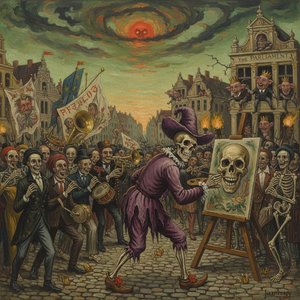
James Ensor's Grotesque Visions: Social Commentary & Artistic Innovation
Explore the unsettling yet captivating world of James Ensor, a pioneer of Expressionism. Discover his satirical masterpieces, symbolic imagery & lasting influence on modern art. High-quality reproductions available at OriginalUniqueArt.


