

 미리보기
미리보기
 공유하기
공유하기 공유하기
공유하기
 상세 정보
상세 정보

 다운로드
다운로드
 유사 작품
유사 작품 X-레이
X-레이 슬라이드 쇼
 통계 정보
통계 정보Squelettes a l' atelie


 더 보기
더 보기
수제 유화 복제품
원하는 크기와 액자로 주문 제작되는, 작가들이 직접 캔버스에 손으로 그린 유화 작품입니다. ( 프린트 판매로 전환 디지털 이미지로 전환)




P118B $10

P118H $10

P118W $10

P438Z $10

P508JH $12

P508YH $12

P805H $10

P805Z $10

P919BZ $10

P919G $10

P919XJ $10

P959ZH $10

P968JZ $12

W106C $8

W218G $10

W218JH $8

W218Y $10

W307PJ $10

W316G $10

W316PJ $8

W316Y $10

W398PJ $8

W4111J $10

W500HY $15

W500JH $15

W692G $12

W849H $8

W940BG $15

W953PJ $8




작품의 원본 비율을 유지하는 미리 설정된 크기 중에서 선택하세요.

특정 프레임이나 공간에 맞도록 직접 크기를 입력할 수 있습니다. 선택하신 크기가 원본 이미지의 비율과 일치하지 않는 경우, 작품을 자르거나 추가적인 손으로 그린 요소를 사용하여 그림을 확장합니다. 제작 시작 전 승인을 위해 디지털 목업을 보내드립니다.
화면 미리 보기는 실제 자르기 또는 확장을 반영하지 않습니다. 최종 구성은 목업을 통해서만 정확하게 확인하실 수 있습니다.
맞춤 크기 제작도 가능하지만, 원본 비율을 유지하기 위해 사전 정의된 목록에서 크기를 선택하시는 것을 권장합니다.
주문 후 OriginalUniqueArt.com 팀에서 상세 안내를 위해 고객님께 이메일을 보내드리며, 미리보기 시안을 제공해 드립니다.


 유리 옵션은 110cm 미만 크기에서만 선택 가능합니다.

Squelettes a l' atelie
재현 기법
복제본 크기
-


최종 결제 금액
$ 300
A Glimpse into the Artist’s Soul: Decoding Ensor's ‘Squelettes à l'Atelier’
James Ensor’s ‘Squelettes à l'Atelier’ (Skeletons in the Studio) is a powerfully unsettling and deeply symbolic work, offering a rare glimpse into the anxieties and creative processes of one of Belgium’s most important artists. Painted at an unknown date, this piece encapsulates Ensor’s unique vision – a blend of macabre humor, social critique, and introspective exploration of mortality and artistic creation.Subject Matter & Composition
The artwork presents a chaotic scene within what is clearly an artist's studio. The space is crammed with the tools of the trade—paint tubes, brushes, canvases—scattered amongst skeletal figures. A central skeleton, draped in red fabric, dominates the foreground, reclining as if posing for a portrait or perhaps even *as* the artist himself. This isn’t a scene of horror in the traditional sense; rather, it's an intensely personal and theatrical tableau. The composition is deliberately cluttered, creating a claustrophobic atmosphere that draws the viewer into the heart of Ensor’s world. A window offers limited illumination, casting dramatic shadows and emphasizing the contrast between life (represented by the potential for creation) and death.Style & Technique
‘Squelettes à l'Atelier’ is a prime example of Ensor’s distinctive style, heavily influenced by Symbolism and early Expressionism. The loose, gestural brushstrokes and impasto textures convey a sense of urgency and emotional intensity. Ensor eschews precise detail in favor of expressive form and color. Warm, earthy tones dominate the palette, punctuated by the striking red of the central skeleton’s garment. This painterly approach—evident in the visible brushwork—emphasizes the act of painting itself, blurring the line between subject and process.Symbolism & Interpretation
The symbolism within this work is rich and multi-layered:- Skeletons: Represent mortality, decay, and the ever-present awareness of death that haunted Ensor throughout his life.
- Masks (implied): Though not explicitly present in all interpretations, masks are a recurring motif in Ensor’s work, symbolizing hidden identities, societal hypocrisy, and the performative nature of existence. Their absence here could suggest a stripping away of pretense, revealing the raw reality of artistic struggle.
- The Studio: Represents both the sanctuary of creative expression and the site of intense psychological turmoil.
- Red Fabric: The color red often symbolizes passion, vitality, but also blood and sacrifice – hinting at the cost of artistic creation.
Historical Context & Ensor's Legacy
Born in 1860, James Ensor experienced a period of significant social and artistic change. He rejected the academic traditions of his time, forging his own path through experimentation and introspection. His work anticipated many of the themes that would later define Expressionism and Surrealism. Ensor’s fascination with grotesque imagery and psychological depth set him apart from his contemporaries and profoundly influenced generations of artists to come. ‘Squelettes à l'Atelier’ is a testament to his unique vision, offering a powerful commentary on the human condition and the enduring power of art.Emotional Impact & Aesthetic Appeal
This artwork evokes a complex range of emotions – unease, fascination, melancholy, and even a strange sense of humor. It's not a piece that offers easy answers; instead, it invites viewers to contemplate their own mortality and the mysteries of the creative process. Its dramatic composition, expressive brushwork, and symbolic depth make it a compelling focal point for any collection or interior space. A reproduction of ‘Squelettes à l'Atelier’ would add a touch of intellectual intrigue and artistic sophistication to a home or office, sparking conversation and inspiring contemplation.작가 약력
James Ensor: A Pioneer of Expressionism and Surrealism
James Sidney Edouard, Baron Ensor (Ostend, 13 April 1860 – 19 November 1949) was a Belgian painter and printmaker who stands as one of the most influential figures in the development of Expressionism and Surrealism. Born into an English father and Belgian mother amidst the vibrant atmosphere of Ostend’s annual Carnival—a formative experience that profoundly shaped his artistic vision—Ensor embarked on a lifelong journey to explore the darker recesses of human psychology and challenge conventional aesthetic standards.
Early Influences and Artistic Training
From a young age, Ensor demonstrated an innate talent for drawing and painting, nurtured by local instructors and fueled by an unwavering fascination with observation. His formative years were spent studying at the College of the Blessed Virgin in Ostend, where he honed his skills alongside fellow artists like Fernand Khnopff and Theo Van Rysselberghe—artists who would later become associated with the influential *Les XX* group.
The Shift Towards Grotesque Expressionism
Ensor’s artistic trajectory took a decisive turn in the late 1880s as he abandoned academic realism for a bold embrace of grotesque expressionism. Influenced by Rembrandt, Francisco Goya, and Japanese woodcuts—artists who championed emotional intensity and unsettling imagery—he began to populate his canvases with disturbing tableaux featuring skeletons battling over a hanged man, masks embodying hidden identities, and allegorical figures confronting existential anxieties.
Key Masterpieces and Recurring Themes
Among Ensor’s most celebrated works are *The Scandalized Masks* (1883), which captures the pervasive influence of disguise and social critique; *Skeletons Fighting over a Hanged Man* (1891), a haunting meditation on mortality and decay; and *Christ's Entry into Brussels* (1888–89)—a monumental painting that satirizes religious hypocrisy with unflinching boldness. Recurring throughout Ensor’s oeuvre are explorations of death, social injustice, psychological torment, and the boundless potential for imaginative distortion—themes that continue to resonate powerfully with audiences today.
A Legacy Beyond Style: Influence on Modern Art
James Ensor's uncompromising artistic vision irrevocably altered the course of modern art. Rejecting academic conventions and embracing subjective experience, he paved the way for subsequent generations of artists who dared to confront uncomfortable truths and challenge established norms. His pioneering use of grotesque imagery—coupled with his masterful manipulation of color and line—established a distinctive stylistic vocabulary that profoundly impacted Expressionist painters like Edvard Munch and Ernst Ludwig Kirchner—artists who similarly sought to convey inner turmoil and psychological complexity.

제임스 엔서
1860 - 1949 , 벨기에
주요 정보
- Artistic Movement Or Style: Expressionism 및 Surrealism
- Artists Who Influenced This Artist:
- 피터 브뤼겔 더 엘더
- 프란시스코 고야
- 윌스 스미스 휘슬러
- Date Of Birth: April 13, 1860
- Date Of Death: November 19, 1949
- Full Name: James Sidney Edouard Ensor
- Nationality: Belgian
- Notable Artworks:
- The Scandalized Masks
- Skeletons Fighting...
- Christ's Entry into Brussels
- Place Of Birth: Ostend, Belgium
관련 기사 더 보기

Sir Alfred Munnings' Masterpieces: 25 Paintings That Define Equine Art | OriginalUniqueArt
Explore 25 iconic Sir Alfred Munnings paintings! Discover the beauty of British Impressionism, equine art & rural England. Find museum-quality reproductions and elevate your home decor with OriginalUniqueArt. Explore the full collection online.
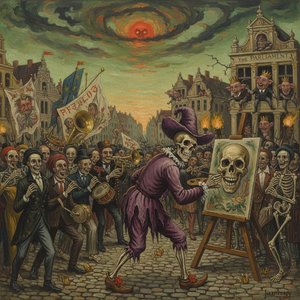
James Ensor's Grotesque Visions: Social Commentary & Artistic Innovation
Explore the unsettling yet captivating world of James Ensor, a pioneer of Expressionism. Discover his satirical masterpieces, symbolic imagery & lasting influence on modern art. High-quality reproductions available at OriginalUniqueArt.
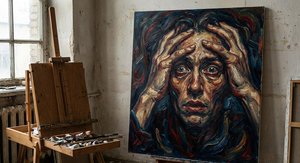
Figurative Expressionism: Emotional Intensity & Subjective Reality in 20th-Century Art
Explore the powerful world of Figurative Expressionism with OriginalUniqueArt. Discover key artists like Kirchner & Beckmann, understand its emotional depth, and learn how to collect this influential 20th-century art movement.

제임스 애벗 맥닐 휘슬러 최고 걸작 25선: 예술의 정수, 공간에 스며드는 아름다움
제임스 애벗 맥닐 휘슬러의 최고 걸작 25선을 만나보세요. 야간 풍경부터 아랑미술관 소장품까지, 예술가의 삶과 작품 세계를 탐험합니다. 색채와 분위기가 완벽한 조화를 이루는 그림들을 OriginalUniqueArt.com에서 감상하고 특별한 공간을 완성하세요.
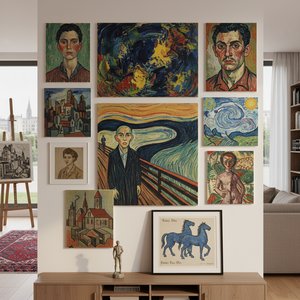
표현주의를 정의한 명작 10선: 예술, 영혼, 그리고 공간의 미학 | OriginalUniqueArt
뭉크, 키르히너 등 거장들의 작품으로 표현주의 미술의 정수를 만나보세요. 강렬한 색채와 감정적 깊이가 깃든 명작 10선을 통해 예술의 세계를 탐험하고, OriginalUniqueArt에서 고품질 아트 프린트를 소장하세요. 지금 바로 온라인 컬렉션을 확인하세요!


