
 실제 크기로 보기
 보내기
보내기 공유하기
공유하기
 상세 보기
상세 보기 가이드 보기

 이미지 다운로드
 유사 작품 더 보기
 X-레이
X-레이 슬라이드 쇼 보기
 Q&A
Q&A 통계 정보
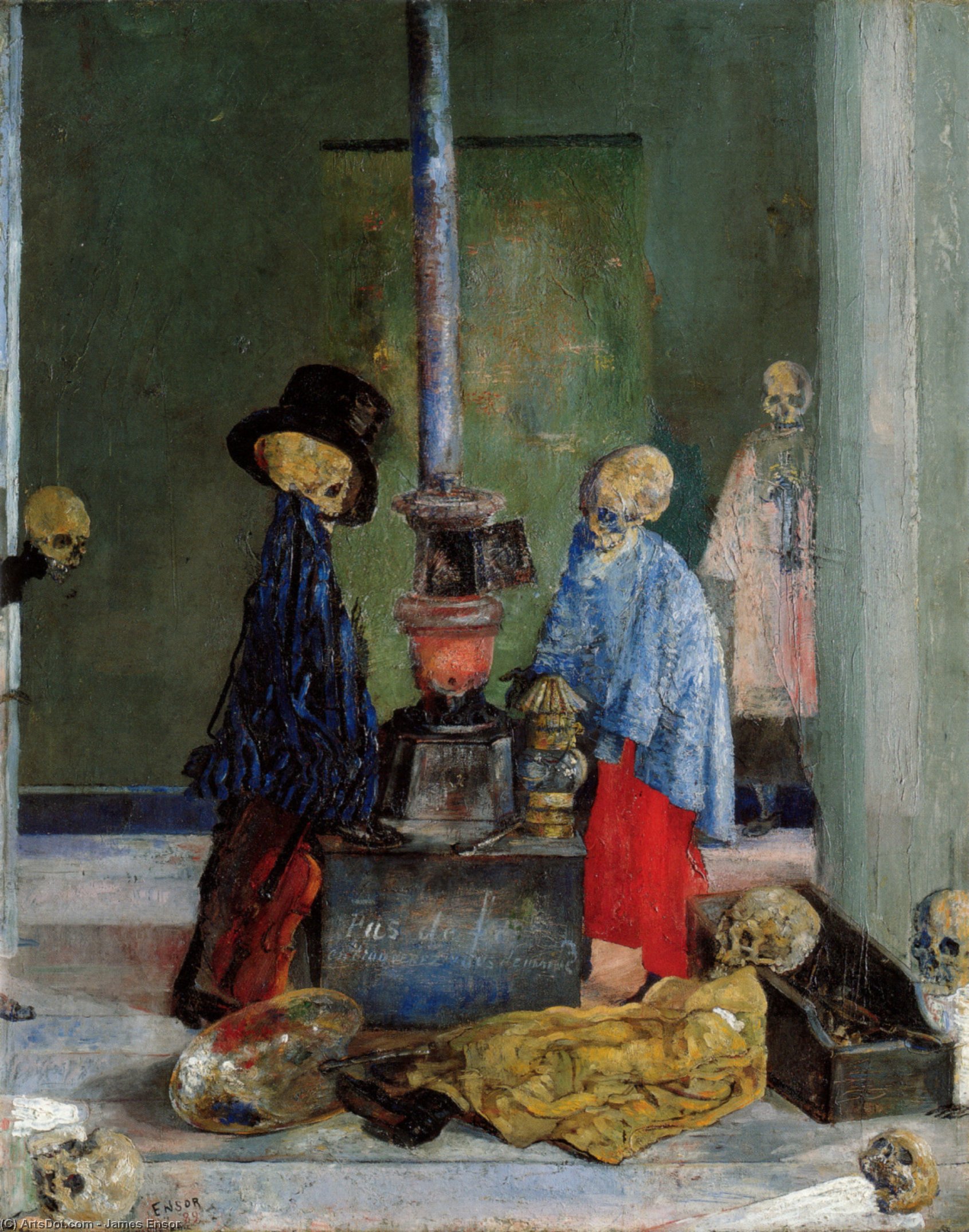
통계 정보Skeletons Trying to Warm Themselves


 상세 보기
상세 보기
웹 미리보기 화면을 훨씬 뛰어넘는 인쇄용 파일을 만나보세요. 저희가 판매하는 모든 디지털 이미지는 스톡 데이터베이스 내의 고해상도 마스터 파일(일반적으로 가로 5,000~15,000픽셀)을 기반으로 합니다. 따라서 대형 인쇄나 정밀한 크롭 작업 시에도 세밀한 디테일을 자신 있게 구현할 수 있습니다.
저희 스튜디오를 거치는 모든 파일은 정교한 손길을 거칩니다. 디지털 전문가가 원작과 대조하여 색상을 점검하고 필요 시 보정하며, 전문 리터칭 도구를 사용하여 선명도와 디테일을 높입니다. 이 과정에서 작가의 붓 터치와 화풍을 충실히 유지하는 것을 원칙으로 합니다. 그 결과, 단순한 스캔본에 필터를 입힌 듯한 느낌이 아닌, 마치 실제 회화 작품을 보는 듯한 이미지를 구현해냅니다.
최종 완료 전 확인 단계가 있습니다. 전문가가 검토하실 수 있도록 72시간 이내에 이메일로 이미지를 보내드립니다. 결과물이 만족스럽지 않으신가요? 수정이나 보완을 요청하시거나, 품질이 기대에 미치지 못할 경우 환불을 요청하실 수 있습니다.
출판사, 디자인 스튜디오, 갤러리 및 인쇄소가 신뢰하는 바로 그 품질입니다.
디지털 이미지
개인 소장 및 전시, 인쇄, 창작 프로젝트를 위한 고해상도 파일을 다운로드하세요. ( 프린트 판매로 전환 수작업 채색 복제본 주문하기)
모든 디지털 이미지 주문 시 제공되는 혜택
전문적인 디지털 이미지 전송 보장
OriginalUniqueArt.com를 선택하시면 단순히 이미지를 받는 것을 넘어, 정밀한 보정 과정을 거쳐 완성된 전문적인 디지털 예술 작품을 만나보실 수 있습니다. 모든 작품에는 만족 보장 서비스가 함께 제공되며, 주문 시 다음과 같은 사항들이 자동으로 포함됩니다:

빠른 이메일 수령
주문 후 72시간 이내에 고해상도 디지털 이미지 파일이 이메일로 발송되며, 즉시 사용하실 수 있습니다.

AI 기술로 최적화된 디지털 파일
귀하의 작품은 고급 AI 기술과 정교한 수동 편집 과정을 거쳐 전문적으로 최적화되며, 이를 통해 디테일과 선명도, 색상의 정확도를 극대화합니다.

평생 무료 재전송 서비스
파일을 실수로 삭제하거나 분실하셨나요? 걱정 마세요. 언제든 무료로 다시 보내드립니다.

추가 수입 비용 없음 - 언제나
관세나 부가세, 배송비 부담 없이 작품을 즉시 소장하세요 - 디지털 다운로드는 언제나 면세 혜택이 적용됩니다.

정확한 색상 보장
전문적인 도구와 색상 관리 시스템을 통해 디지털 이미지가 원본의 색상을 최대한 정확하게 구현하도록 보장합니다.

100일 만족 보장제
구매하신 디지털 이미지에 만족하지 못하실 경우, 100일 이내에 별도의 조건 없이 수정 또는 100% 환불을 진행해 드립니다.

100% 환불 보장
만족스럽지 않으신가요? 디지털 파일을 받으신 후 100일 이내에 조건 없이 전액 환불해 드립니다.

대량 주문 할인
이미지 3매 구매 시 10% 할인 - 5매 구매 시 15% 할인 - 10매 이상 구매 시 20% 할인. 크리에이티브 프로젝트, 갤러리, 에이전시에 매우 유용합니다.
A Descent Into Shadow: James Ensor’s “Skeletons Trying to Warm Themselves”
James Ensor's "Skeletons Trying to Warm Themselves," painted in 1889, isn’t merely a depiction of morbid curiosity; it’s a profoundly unsettling exploration of mortality, social anxiety, and the desperate yearning for connection. This black-and-white image, born from the artist’s unique upbringing amidst the vibrant chaos of Ostend's seaside resort, immediately plunges the viewer into an atmosphere thick with unease. The scene unfolds within a sparsely furnished room dominated by a cold fireplace – a stark symbol of both warmth and oblivion. Skeletons, rendered in meticulous detail yet imbued with a palpable sense of vulnerability, are clustered around this meager source of heat, their bony fingers outstretched as if grasping for solace. Scattered skulls litter the floor and surfaces, further emphasizing the painting’s preoccupation with death and decay. Yet, amidst this grim tableau, a solitary figure stands observing – perhaps even participating in – this macabre ritual, adding an element of unsettling human presence to the scene. The overall effect is less a straightforward horror story and more a carefully constructed meditation on the fragility of existence and the universal desire for warmth, both physical and emotional, in the face of inevitable decline.The Artist’s Crucible: Ensor's Unique Vision
James Ensor’s artistic journey was anything but conventional. Born in Ostend, Belgium, to an English father and a Belgian mother—a lineage that instilled within him a unique perspective on cultural duality—Ensor rejected the rigid constraints of academic art training early on. He found himself drawn instead to the vibrant, often unsettling world of carnivals and curiosities, experiences profoundly shaped by his parents’ souvenir shop brimming with masks, shells, and other peculiar objects. This childhood immersion in the theatrical and the bizarre would become a cornerstone of his artistic language. He initially enrolled at the Académie Royale des Beaux-Arts in Brussels, but quickly recognized that its prescribed methods stifled his burgeoning vision. Instead, he forged his own path, developing a highly personal style characterized by bold colors, distorted forms, and a deliberate rejection of traditional realism. This independent spirit is powerfully evident in “Skeletons Trying to Warm Themselves,” where Ensor abandons conventional representation in favor of a deeply symbolic and emotionally charged image.Symbolism and the Language of Decay
The painting’s power lies not just in its unsettling subject matter, but also in the rich symbolism woven throughout the composition. The skeletons themselves represent mortality, of course, but their attempt to warm themselves speaks volumes about the human condition. They are desperately seeking comfort, connection, and a reprieve from the cold reality of death – desires that resonate deeply with viewers regardless of their beliefs. The scattered skulls serve as constant reminders of this inevitable fate, while the solitary observer introduces an element of judgment or perhaps even complicity in this ritualistic scene. The stark black-and-white palette further amplifies the painting’s emotional impact, stripping away any potential distractions and focusing attention on the raw, unsettling details. The use of light and shadow is particularly effective, highlighting the skeletal figures and creating a sense of claustrophobia within the confined space. Ensor masterfully employs these elements to evoke a profound feeling of melancholy and existential dread.A Legacy of Innovation: Ensor’s Influence
“Skeletons Trying to Warm Themselves” stands as a pivotal work in James Ensor's oeuvre, and a significant precursor to both Expressionism and Surrealism. His willingness to challenge artistic conventions, his embrace of the grotesque, and his exploration of psychological themes paved the way for future generations of artists. Ensor’s influence can be seen in the works of artists like Edvard Munch and Max Ernst, who similarly sought to express inner turmoil through distorted imagery and symbolic representation. The painting's unsettling atmosphere and its focus on mortality continue to resonate with viewers today, cementing Ensor’s place as a visionary artist whose work remains both profoundly disturbing and undeniably captivating. OriginalUniqueArt offers exceptional hand-painted reproductions of this iconic piece, allowing you to experience the full power and emotional depth of Ensor’s masterpiece in stunning detail.질의응답
제임스 엔서의 "Skeletons Trying to Warm Themselves"의 느껴지는 밝기는 어느 정도인가요?
시각적 밝기 측면에서 볼 때, 제임스 엔서의 "Skeletons Trying to Warm Themselves"은(는) shadow 수준입니다.
"Skeletons Trying to Warm Themselves"은(는) 제임스 엔서의 예술 활동기 중 어느 시기에 해당하나요?
"Skeletons Trying to Warm Themselves"은(는) 제임스 엔서의 Mature Period를 잘 보여주는 작품입니다.
제임스 엔서의 "Skeletons Trying to Warm Themselves"과(와) 유사한 작품을 어떻게 찾을 수 있나요?
제임스 엔서의 "Skeletons Trying to Warm Themselves"과(와) 유사한 작품들은 해당 작품의 유사한 작품 페이지에서 확인하실 수 있습니다.
아티스트 프로필
James Ensor: A Pioneer of Expressionism and Surrealism
James Sidney Edouard, Baron Ensor (Ostend, 13 April 1860 – 19 November 1949) was a Belgian painter and printmaker who stands as one of the most influential figures in the development of Expressionism and Surrealism. Born into an English father and Belgian mother amidst the vibrant atmosphere of Ostend’s annual Carnival—a formative experience that profoundly shaped his artistic vision—Ensor embarked on a lifelong journey to explore the darker recesses of human psychology and challenge conventional aesthetic standards.
Early Influences and Artistic Training
From a young age, Ensor demonstrated an innate talent for drawing and painting, nurtured by local instructors and fueled by an unwavering fascination with observation. His formative years were spent studying at the College of the Blessed Virgin in Ostend, where he honed his skills alongside fellow artists like Fernand Khnopff and Theo Van Rysselberghe—artists who would later become associated with the influential *Les XX* group.
The Shift Towards Grotesque Expressionism
Ensor’s artistic trajectory took a decisive turn in the late 1880s as he abandoned academic realism for a bold embrace of grotesque expressionism. Influenced by Rembrandt, Francisco Goya, and Japanese woodcuts—artists who championed emotional intensity and unsettling imagery—he began to populate his canvases with disturbing tableaux featuring skeletons battling over a hanged man, masks embodying hidden identities, and allegorical figures confronting existential anxieties.
Key Masterpieces and Recurring Themes
Among Ensor’s most celebrated works are *The Scandalized Masks* (1883), which captures the pervasive influence of disguise and social critique; *Skeletons Fighting over a Hanged Man* (1891), a haunting meditation on mortality and decay; and *Christ's Entry into Brussels* (1888–89)—a monumental painting that satirizes religious hypocrisy with unflinching boldness. Recurring throughout Ensor’s oeuvre are explorations of death, social injustice, psychological torment, and the boundless potential for imaginative distortion—themes that continue to resonate powerfully with audiences today.
A Legacy Beyond Style: Influence on Modern Art
James Ensor's uncompromising artistic vision irrevocably altered the course of modern art. Rejecting academic conventions and embracing subjective experience, he paved the way for subsequent generations of artists who dared to confront uncomfortable truths and challenge established norms. His pioneering use of grotesque imagery—coupled with his masterful manipulation of color and line—established a distinctive stylistic vocabulary that profoundly impacted Expressionist painters like Edvard Munch and Ernst Ludwig Kirchner—artists who similarly sought to convey inner turmoil and psychological complexity.

제임스 엔서
1860 - 1949 , 벨기에
핵심 정보
- Artistic Movement Or Style: Expressionism 및 Surrealism
- Artists Who Influenced This Artist:
- 피터 브뤼겔 더 엘더
- 프란시스코 고야
- 윌스 스미스 휘슬러
- Date Of Birth: April 13, 1860
- Date Of Death: November 19, 1949
- Full Name: James Sidney Edouard Ensor
- Nationality: Belgian
- Notable Artworks:
- The Scandalized Masks
- Skeletons Fighting...
- Christ's Entry into Brussels
- Place Of Birth: Ostend, Belgium