

 프린트 구매하기
 공유하기
공유하기 공유하기
공유하기
 상세 정보
상세 정보

 다운로드
다운로드
 유사 작품
유사 작품 X-레이
X-레이 슬라이드 쇼
La ballet faserique

 더 보기
더 보기




P118B $10

P118H $10

P118W $10

P438Z $10

P508JH $12

P508YH $12

P805H $10

P805Z $10

P919BZ $10

P919G $10

P919XJ $10

P959ZH $10

P968JZ $12

W106C $8

W218G $10

W218JH $8

W218Y $10

W307PJ $10

W316G $10

W316PJ $8

W316Y $10

W398PJ $8

W4111J $10

W500HY $15

W500JH $15

W692G $12

W849H $8

W940BG $15

W953PJ $8




작품의 원본 비율을 유지하는 미리 설정된 크기 중에서 선택하세요.

특정 프레임이나 공간에 맞도록 직접 크기를 입력할 수 있습니다. 선택하신 크기가 원본 이미지의 비율과 일치하지 않는 경우, 작품을 자르거나 추가적인 손으로 그린 요소를 사용하여 그림을 확장합니다. 제작 시작 전 승인을 위해 디지털 목업을 보내드립니다.
화면 미리 보기는 실제 자르기 또는 확장을 반영하지 않습니다. 최종 구성은 목업을 통해서만 정확하게 확인하실 수 있습니다.
맞춤 크기 제작도 가능하지만, 원본 비율을 유지하기 위해 사전 정의된 목록에서 크기를 선택하시는 것을 권장합니다.
주문 후 OriginalUniqueArt.com 팀에서 상세 안내를 위해 고객님께 이메일을 보내드리며, 미리보기 시안을 제공해 드립니다.


 유리 옵션은 110cm 미만 크기에서만 선택 가능합니다.

La ballet faserique
재현 기법
복제본 크기
-


최종 결제 금액
-
작품 상세 설명
James Ensor’s Unsettling Vision of Ritual and Decay
James Ensor (1860-1949), a Belgian painter whose legacy extends far beyond his lifetime, stands as a pivotal figure in the transition from Symbolism to Expressionism. “La ballet faserique,” painted around 1923, exemplifies Ensor’s distinctive approach—a deliberate rejection of academic conventions in favor of confronting uncomfortable truths about human psychology and societal anxieties.
The artwork depicts a disconcerting tableau: figures gathered on the shoreline of a murky body of water, engaged in an activity that defies easy categorization. There's no discernible narrative drive; instead, Ensor presents us with a scene steeped in atmosphere and imbued with unsettling ambiguity. The muted palette—dominated by blues, greens, whites, punctuated by splashes of pink and brown—creates a dreamlike haze that underscores the painting’s emotional resonance.
Stylistic Innovation: Embracing Distortion and Flattened Perspective
Ensor's stylistic choices are revolutionary for his time. He abandons realistic representation, opting instead for simplified forms and deliberate distortions. Shapes lack sharp edges, contributing to a sense of unease and disorientation. Lines are fluid and imprecise, mirroring the subconscious mind’s unpredictable movements. Notably, Ensor employs flattened perspective—a technique that diminishes depth, prioritizing surface texture and emphasizing the canvas's flatness.
Technique: Layered Paintwork and Visible Brushstrokes – A Symphony of Texture
The painting’s execution is characterized by meticulous layering of paint, a hallmark of Ensor’s method. Thick brushstrokes are visible throughout the composition, revealing the artist’s tactile engagement with the medium. These strokes blend seamlessly together, creating a velvety surface that enhances the artwork's textural quality and contributes to its overall mood. Oil paints were undoubtedly utilized, reflecting the prevailing artistic practices of the era.
Symbolic Resonance: Masks, Ritual, and the Shadowed Psyche
“La ballet faserique” is rife with symbolic imagery. The figures themselves are rendered in shadowy hues, concealing their identities and hinting at hidden anxieties. They appear to participate in a ritualistic gathering—a gesture that speaks to Ensor’s preoccupation with themes of disguise and concealment. Recurring motifs like masks – a prominent feature in Ensor's oeuvre – serve as visual metaphors for the masks we wear in everyday life, obscuring our true selves and reflecting the darker aspects of human nature.
Emotional Impact: Confronting Darkness Within Light
Ultimately, “La ballet faserique” compels viewers to confront uncomfortable truths about existence. Ensor’s masterful manipulation of color and form generates a palpable sense of dread—a feeling that transcends mere visual observation. The painting's unsettling beauty lies in its ability to capture the pervasive influence of darkness within moments of apparent serenity. It remains a testament to Ensor’s unwavering commitment to exploring the complexities of human psychology and his profound understanding of the power of art to provoke contemplation.
작가 약력
James Ensor: A Pioneer of Expressionism and Surrealism
James Sidney Edouard, Baron Ensor (Ostend, 13 April 1860 – 19 November 1949) was a Belgian painter and printmaker who stands as one of the most influential figures in the development of Expressionism and Surrealism. Born into an English father and Belgian mother amidst the vibrant atmosphere of Ostend’s annual Carnival—a formative experience that profoundly shaped his artistic vision—Ensor embarked on a lifelong journey to explore the darker recesses of human psychology and challenge conventional aesthetic standards.
Early Influences and Artistic Training
From a young age, Ensor demonstrated an innate talent for drawing and painting, nurtured by local instructors and fueled by an unwavering fascination with observation. His formative years were spent studying at the College of the Blessed Virgin in Ostend, where he honed his skills alongside fellow artists like Fernand Khnopff and Theo Van Rysselberghe—artists who would later become associated with the influential *Les XX* group.
The Shift Towards Grotesque Expressionism
Ensor’s artistic trajectory took a decisive turn in the late 1880s as he abandoned academic realism for a bold embrace of grotesque expressionism. Influenced by Rembrandt, Francisco Goya, and Japanese woodcuts—artists who championed emotional intensity and unsettling imagery—he began to populate his canvases with disturbing tableaux featuring skeletons battling over a hanged man, masks embodying hidden identities, and allegorical figures confronting existential anxieties.
Key Masterpieces and Recurring Themes
Among Ensor’s most celebrated works are *The Scandalized Masks* (1883), which captures the pervasive influence of disguise and social critique; *Skeletons Fighting over a Hanged Man* (1891), a haunting meditation on mortality and decay; and *Christ's Entry into Brussels* (1888–89)—a monumental painting that satirizes religious hypocrisy with unflinching boldness. Recurring throughout Ensor’s oeuvre are explorations of death, social injustice, psychological torment, and the boundless potential for imaginative distortion—themes that continue to resonate powerfully with audiences today.
A Legacy Beyond Style: Influence on Modern Art
James Ensor's uncompromising artistic vision irrevocably altered the course of modern art. Rejecting academic conventions and embracing subjective experience, he paved the way for subsequent generations of artists who dared to confront uncomfortable truths and challenge established norms. His pioneering use of grotesque imagery—coupled with his masterful manipulation of color and line—established a distinctive stylistic vocabulary that profoundly impacted Expressionist painters like Edvard Munch and Ernst Ludwig Kirchner—artists who similarly sought to convey inner turmoil and psychological complexity.

제임스 엔서
1860 - 1949 , 벨기에
주요 정보
- Artistic Movement Or Style: Expressionism 및 Surrealism
- Artists Who Influenced This Artist:
- 피터 브뤼겔 더 엘더
- 프란시스코 고야
- 윌스 스미스 휘슬러
- Date Of Birth: April 13, 1860
- Date Of Death: November 19, 1949
- Full Name: James Sidney Edouard Ensor
- Nationality: Belgian
- Notable Artworks:
- The Scandalized Masks
- Skeletons Fighting...
- Christ's Entry into Brussels
- Place Of Birth: Ostend, Belgium
관련 기사 더 보기
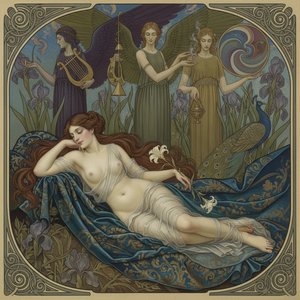
Herbert James Draper: Symbolism, Sensuality & the Aesthetic Movement
Explore the captivating world of Herbert James Draper, a master of Victorian Neoclassical painting. Discover his sensual mythological scenes, symbolic depth & influence on the Aesthetic Movement. Learn more at OriginalUniqueArt.

Beyond Reality: Exploring Symbolism's Influence on Modern Art & Psychological Expression
Explore the captivating world of Symbolism! Discover key artists, psychological themes & its lasting impact on modern art. Expert insights for collectors and enthusiasts at OriginalUniqueArt.
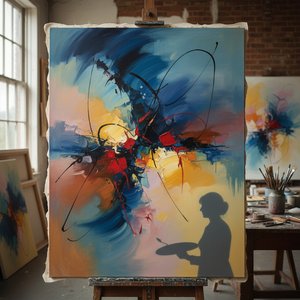
Beatrice Parsons: A Study in Abstract Expressionism & the Poetics of Color Field Painting
Explore the captivating world of Beatrice Parsons, a pioneering British abstract expressionist. Discover her journey from garden watercolors to evocative color field paintings and learn about her place within art history.

Tivadar Csontváry Kosztka: A Hungarian Visionary Between Symbolism and Existential Isolation
Explore the captivating art of Tivadar Csontváry Kosztka, a Hungarian visionary bridging Symbolism & Expressionism. Discover his unique 'sunway' style and profound themes – available as museum-quality reproductions at OriginalUniqueArt.

German Expressionism's 10 Defining Masterpieces | Art for Your Home
Explore 10 defining German Expressionism masterpieces – from Munch's 'The Scream' to Kandinsky’s abstracts. Discover the artists, stories & bold colors behind this powerful art movement. Find museum-quality reproductions at OriginalUniqueArt.com.



