
 미리보기
미리보기
 공유하기
공유하기 공유하기
공유하기
 상세 정보
상세 정보

 다운로드
다운로드
 유사 작품
유사 작품 X-레이
X-레이 슬라이드 쇼
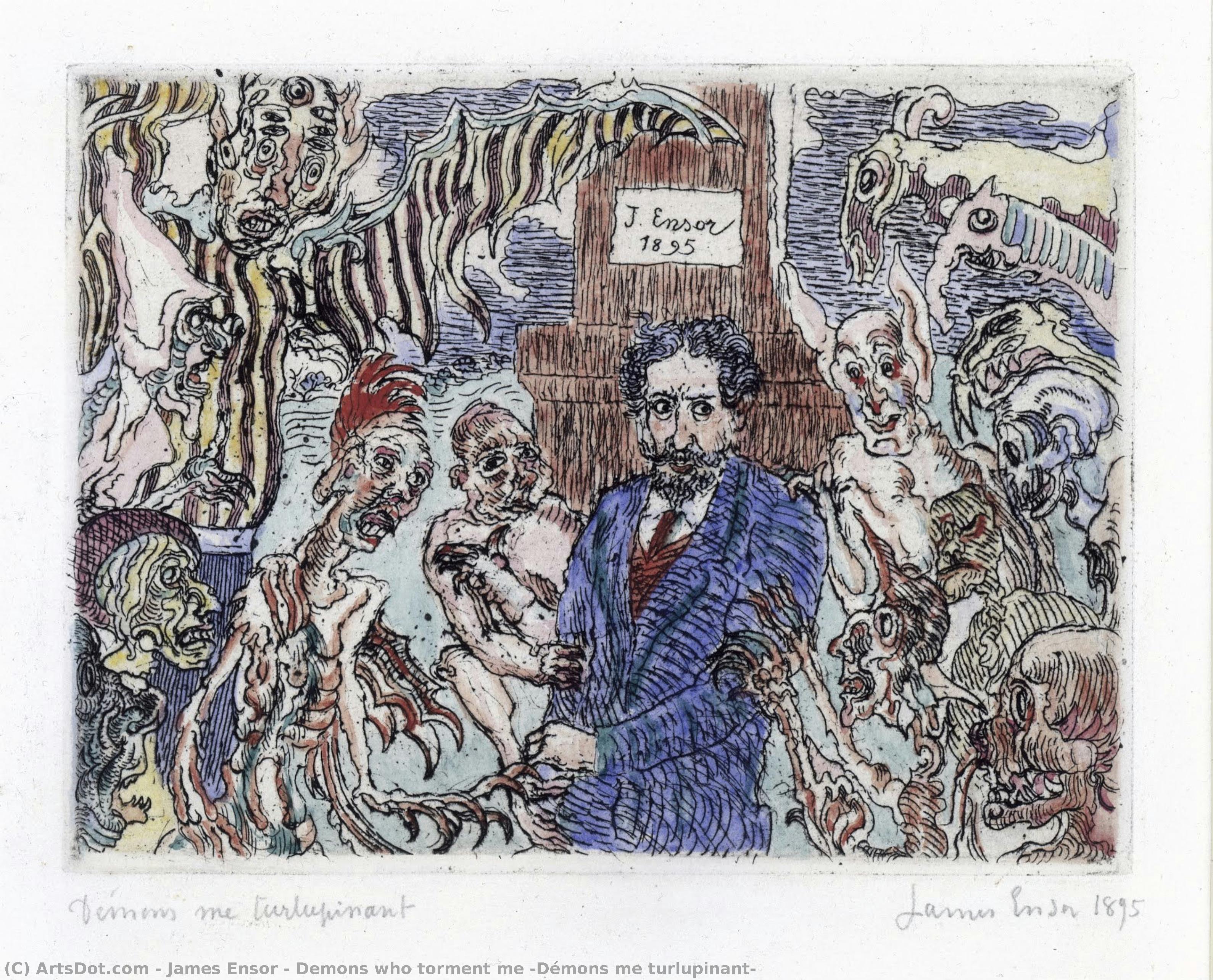
Demons who torment me (Démons me turlupinant)
 Etching
- WallArt
- Expressionistic Horror
 19th Century
 15.0 x 11.0 cm
 슈타틸리체 무제엔
 더 보기
더 보기
지클레 / 아트 프린트
빠른 제작과 다양한 마감 옵션을 제공하는 박물관 품질의 지클레이 또는 캔버스 프린트. ( 손으로 그린 그림 구매 이미지 구매)




P118B $10

P118H $10

P118W $10

P438Z $10

P508JH $12

P508YH $12

P805H $10

P805Z $10

P919BZ $10

P919G $10

P919XJ $10

P959ZH $10

P968JZ $12

W106C $8

W218G $10

W218JH $8

W218Y $10

W307PJ $10

W316G $10

W316PJ $8

W316Y $10

W398PJ $8

W4111J $10

W500HY $15

W500JH $15

W692G $12

W849H $8

W940BG $15

W953PJ $8




작품의 원본 비율을 유지하는 미리 설정된 크기 중에서 선택하세요.

특정 프레임이나 공간에 맞춰 직접 치수를 입력하실 수 있습니다. 선택하신 사이즈가 원본 이미지의 비율과 일치하지 않을 경우, 작품을 크롭(자르기)하거나 이미지를 대칭 또는 단색 채우기로 확장하여 제작합니다. 제작 시작 전, 최종 확인을 위해 디지털 목업이 전송됩니다.
화면상의 미리보기는 실제 크롭이나 확장 상태를 반영하지 않으므로, 최종 구도는 오직 목업을 통해서만 정확하게 확인하실 수 있습니다.
맞춤 사이즈 제작도 가능하지만, 원본 비율을 유지하기 위해서는 사전 정의된 목록에서 치수를 선택하시는 것을 권장합니다.


 유리 옵션은 110cm 미만 크기에서만 선택 가능합니다.

Demons who torment me (Démons me turlupinant)
지클레 / 아트 프린트
복제본 크기
-


최종 결제 금액
$ 80
작품 상세 설명
A Visceral Encounter with Artistic Anguish
In the hauntingly evocative etching "Demons who torment me" (Démons me turlupinant), James Ensor invites us into a psychological landscape where the boundaries between reality and nightmare dissolve. Created during the 1890s, this unsettling self-portrait serves as more than just a window into the artist's mind; it is a profound manifestation of the existential dread and creative frustration that defined the turn of the century. Ensor, a master of Belgian Symbolism, presents himself standing defiantly before a threshold, yet he is far from solitary. He is besieged by a swirling, grotesque swarm of demonic chimeras—creatures that represent the biting critiques of his era, the suffocating weight of societal expectations, and the deeply personal insecurities that haunt every true visionary.
The emotional resonance of this piece lies in its ability to capture the claustrophobia of being misunderstood. As the viewer gazes upon the composition, there is an immediate sense of being overwhelmed by the chaotic energy surrounding the central figure. The inclusion of skeletal female forms adds a chilling layer of complexity, suggesting a profound anxiety regarding judgment and the perceived scrutiny of the feminine gaze within the artistic circles of his time. For the collector or lover of fine art, this work offers a rare glimpse into the raw, unshielded vulnerability of an artist who refused to conform to the polished beauty standards of his day.
Mastery of Line and the Etching Technique
Technically, the artwork is a triumph of the etching process, a medium that allows for unparalleled precision and dramatic tonal contrast. Ensor utilizes jagged, aggressive lines to define the distorted anatomy of both himself and his tormentors, creating a visual rhythm that feels restless and agitated. The meticulous use of cross-hatching provides a rich, tactile depth to the composition, pulling the eye through the shadows and into the light of the central doorway. This interplay of light and dark—the classic chiaroscuro effect—is not merely a stylistic choice but a narrative tool used to highlight the grotesque features of the demons while casting the artist in a state of both exposure and resilience.
The color palette is intentionally restrained, dominated by muted tones of beige, charcoal, grey, and bone-white. This somber arrangement ensures that when small accents of red or yellow appear upon the demonic figures, they strike the viewer with startling intensity. Such a limited range of color heightens the sense of bleakness and despair, making the artwork feel like an ancient, unearthed relic of a fever dream. For interior designers seeking to introduce a piece with profound character and intellectual depth, this work provides a sophisticated focal point that commands attention through its stark, monochromatic power.
A Legacy of Defiance and Expressionism
To understand "Demons who torment me," one must understand the historical crucible in which it was forged. Ensor lived during a period of intense artistic upheaval, where his unconventional, often macabre style was frequently dismissed by critics as nihilistic or grotesque. Rather than retreating, Ensor used this very rejection to fuel his creative fire, turning the mockery of his peers into the very subject matter of his art. This piece stands as a precursor to both Expressionism and Surrealism, marking a pivotal moment in modern art history where the internal psyche began to take precedence over external reality.
Owning a high-quality reproduction of this etching means possessing a fragment of art history’s most courageous spirit. It is an invitation to contemplate the beauty found within chaos and the strength required to stand firm against the shadows. Whether displayed in a private gallery, a study, or a curated living space, Ensor's work serves as a timeless reminder that true creativity often emerges from the very struggles meant to extinguish it.
작가 약력
James Ensor: A Pioneer of Expressionism and Surrealism
James Sidney Edouard, Baron Ensor (Ostend, 13 April 1860 – 19 November 1949) was a Belgian painter and printmaker who stands as one of the most influential figures in the development of Expressionism and Surrealism. Born into an English father and Belgian mother amidst the vibrant atmosphere of Ostend’s annual Carnival—a formative experience that profoundly shaped his artistic vision—Ensor embarked on a lifelong journey to explore the darker recesses of human psychology and challenge conventional aesthetic standards.
Early Influences and Artistic Training
From a young age, Ensor demonstrated an innate talent for drawing and painting, nurtured by local instructors and fueled by an unwavering fascination with observation. His formative years were spent studying at the College of the Blessed Virgin in Ostend, where he honed his skills alongside fellow artists like Fernand Khnopff and Theo Van Rysselberghe—artists who would later become associated with the influential *Les XX* group.
The Shift Towards Grotesque Expressionism
Ensor’s artistic trajectory took a decisive turn in the late 1880s as he abandoned academic realism for a bold embrace of grotesque expressionism. Influenced by Rembrandt, Francisco Goya, and Japanese woodcuts—artists who championed emotional intensity and unsettling imagery—he began to populate his canvases with disturbing tableaux featuring skeletons battling over a hanged man, masks embodying hidden identities, and allegorical figures confronting existential anxieties.
Key Masterpieces and Recurring Themes
Among Ensor’s most celebrated works are *The Scandalized Masks* (1883), which captures the pervasive influence of disguise and social critique; *Skeletons Fighting over a Hanged Man* (1891), a haunting meditation on mortality and decay; and *Christ's Entry into Brussels* (1888–89)—a monumental painting that satirizes religious hypocrisy with unflinching boldness. Recurring throughout Ensor’s oeuvre are explorations of death, social injustice, psychological torment, and the boundless potential for imaginative distortion—themes that continue to resonate powerfully with audiences today.
A Legacy Beyond Style: Influence on Modern Art
James Ensor's uncompromising artistic vision irrevocably altered the course of modern art. Rejecting academic conventions and embracing subjective experience, he paved the way for subsequent generations of artists who dared to confront uncomfortable truths and challenge established norms. His pioneering use of grotesque imagery—coupled with his masterful manipulation of color and line—established a distinctive stylistic vocabulary that profoundly impacted Expressionist painters like Edvard Munch and Ernst Ludwig Kirchner—artists who similarly sought to convey inner turmoil and psychological complexity.

제임스 엔서
1860 - 1949 , 벨기에
주요 정보
- Artistic Movement Or Style: Expressionism 및 Surrealism
- Artists Who Influenced This Artist:
- 피터 브뤼겔 더 엘더
- 프란시스코 고야
- 윌스 스미스 휘슬러
- Date Of Birth: April 13, 1860
- Date Of Death: November 19, 1949
- Full Name: James Sidney Edouard Ensor
- Nationality: Belgian
- Notable Artworks:
- The Scandalized Masks
- Skeletons Fighting...
- Christ's Entry into Brussels
- Place Of Birth: Ostend, Belgium
관련 기사 더 보기
Etching Masters: 10 Legendary Prints That Revolutionized Art | OriginalUniqueArt
Journey through 10 legendary etching masterpieces by Rembrandt, Dürer & Goya. Explore the history of printmaking and discover timeless art for your home. Find museum-quality reproductions at OriginalUniqueArt.com.

Etching: A Historical Survey of Technique, Aesthetic Qualities & Enduring Artistic Significance
Explore the rich history of etching, from its origins to Rembrandt's masterful innovations. Discover the technique, aesthetic qualities & enduring legacy of this captivating art form. Expert insights for collectors and enthusiasts.

The Intricate World of Etching: A Historical Survey of Technique, Aesthetic Evolution, and Enduring Artistic Impact
Explore the rich history of etching, from its origins to modern practice. Discover techniques, key artists like Rembrandt, and insights for collectors. A comprehensive guide by OriginalUniqueArt.
The Art of Etching: A Masterclass in Intaglio Printmaking and the Alchemy of Acid
Explore the profound history and technical mastery of etching. From armorer's workshops to the Etching Revival, discover how intaglio printmaking uses acid and metal to create timeless art. Perfect for students and collectors seeking deep insights into fine art techniques.
Dark Olive Green Masterpieces: 10 Iconic Paintings & Decor Ideas
Explore 10 iconic paintings where dark olive green reigns supreme! From Van Gogh to Rembrandt, discover art history's most captivating masterpieces & the stories behind them. Find museum-quality reproductions and curated decor ideas at .



